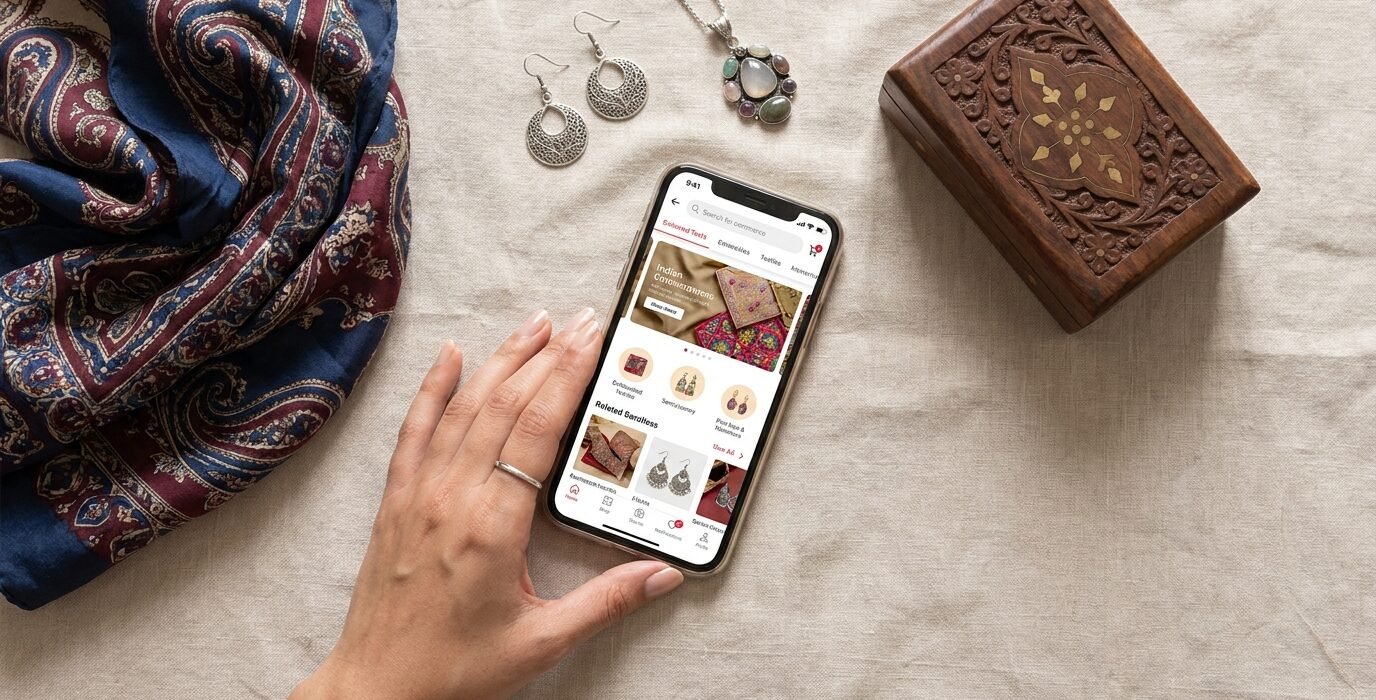
A crisp, grey London afternoon. You’re scrolling through your phone, a familiar ache for that specific, hand-embroidered kurta you saw on a recent trip to Delhi. Or perhaps it’s the aromatic allure of a regional spice blend, impossible to find on your local high street. The thought pops up: “Can I even get that here?” For a growing number of people across the UK, the answer is a resounding yes, and it’s coming from unexpected digital shores.
Key Takeaways:
- UK consumers are increasingly bypassing traditional retailers to source niche and traditional goods from Indian e-commerce platforms.
- This trend is fueled by a desire for authenticity, unique product offerings, and competitive pricing, particularly for ethnic wear, artisanal crafts, and specialty foods.
- Logistical improvements, including faster shipping and more transparent customs processes, are making cross-border online shopping from India more accessible.
- Cultural connections and nostalgia play a significant role, with many UK residents of Indian origin and those with an appreciation for Indian culture driving demand.
- Platforms like Etsy, Amazon India, and specialized Indian e-tailers are becoming go-to destinations for these unique purchases.
The notion of Indian e-commerce conjuring images solely of bulk electronics or fast fashion is rapidly becoming outdated. What’s happening is a subtle yet powerful shift in consumer behaviour. Indian digital marketplaces are becoming a treasure trove for a discerning British audience. This isn’t just about saving a few pounds. It’s about accessing a world of products that resonate on a deeper, more personal level. From the vibrant textiles of Jaipur to the aromatic spices of Kerala, a digital bridge is being built. It connects discerning UK shoppers directly to the heart of India’s vast consumer landscape. You might be surprised at what’s becoming a household name in your neighbour’s online cart.
The Allure of the Authentic: Beyond Mass-Produced Goods
Walk into any major UK high street department store, and you’ll find a curated selection of goods. While often stylish and well-made, there’s an undeniable uniformity. For many consumers, particularly those with a connection to India or a deep appreciation for its culture, this simply doesn’t cut it anymore. They crave something more. A sense of origin. A story behind the product. A touch of the genuine. This is where Indian e-commerce platforms are stepping into a significant void.
Think about a family in Birmingham celebrating Diwali. While high street stores might offer some festive decorations, they rarely capture the intricate artistry of a hand-painted diya. Nor the specific, rich scent of a traditional agarbatti made with age-old techniques.
Consider the rise of ethnic wear. Mainstream UK fashion has embraced certain Indian-inspired designs. But the authentic, often heavily embellished, salwar kameez or lehengas worn for weddings and special occasions are a different beast entirely. Platforms like Myntra and even dedicated online boutiques shipping from India are flooded with designs. They offer unparalleled variety and craftsmanship.
A shopper in Manchester might spend hours browsing through silks woven in Varanasi or intricate embroidery from Lucknow. This would be impossible to find in their local shopping centre. The pricing, too, often proves remarkably competitive. This is especially true when you factor in the direct-to-consumer model that cuts out multiple intermediaries. You’re not just buying a garment. You’re buying a piece of heritage. A connection to a particular craft that has been passed down through generations. This desire for authenticity and a tangible link to cultural roots is a powerful driver. Indian e-commerce is perfectly positioned to satisfy it. Many shoppers express a feeling of “finding the real thing.” Something that resonates more deeply than a mass-produced imitation.
Navigating the Digital Bazaar: From Mumbai to Manchester
The logistics of international online shopping used to be a daunting prospect. Visions of lost parcels. Exorbitant shipping fees. Confusing customs declarations. These often deterred potential buyers. However, the landscape has dramatically changed. Today, many Indian e-commerce platforms have invested heavily in streamlining their global shipping operations. Companies like Delhivery and Blue Dart have expanded their reach. They partner with international carriers to offer faster and more reliable delivery services to the UK.
You can now often track your order from the moment it leaves the warehouse in Bangalore to its arrival at your doorstep in Cardiff. The transparency in customs duties and taxes has also improved. While these charges are still a factor, many platforms now provide clearer estimates upfront. This allows shoppers to budget accordingly. Some even offer duties-paid options, simplifying the entire process. It’s a far cry from the uncertainty of a decade ago.
For example, a small business owner in Leeds who needs a specific type of hand-dyed fabric for their creations can now order it with confidence. They know that within two weeks, it will likely arrive, complete with all necessary paperwork. This ease of access has opened up a world of possibilities for individuals and small businesses alike. We’ve heard stories of people ordering bespoke wedding attire from India for a fraction of the cost of local options. Delivery times surprised even the most sceptical. This improved infrastructure isn’t just about convenience. It’s about democratising access to a vast array of goods. These were once geographically out of reach for the average UK consumer.
The Spice Route Revisited: Flavour and Fragrance from India
India’s culinary landscape is as diverse and vibrant as its culture. This richness is increasingly finding its way into UK kitchens through online channels. Forget the limited selection of turmeric and cumin in your local supermarket. Indian e-commerce platforms offer a gateway to regional specialties. These can transform your cooking.
Imagine needing authentic Kashmiri saffron for a special biryani. Or the distinct aroma of asafoetida (hing) for a truly traditional dal. These aren’t always readily available in your average British grocery store. However, online, you can find them in abundance. Sourced directly from producers in their regions of origin.
Platforms dedicated to gourmet Indian foods or even general marketplaces like Amazon India often feature an incredible array of spices, pickles, snacks, and ready-to-eat meals. A food blogger in Brighton, looking to recreate an authentic South Indian thali, might source coconut oil pressed in Kerala. They might find an array of regional chillies. Even pre-made batter mixes for dosas.
The freshness and quality are often exceptional. This is because these products travel shorter supply chains than those that go through multiple distributors. You’re not just buying spices. You’re buying the essence of a particular region’s cuisine. We spoke to a home cook in Edinburgh. She described how ordering a specific type of tamarind pulp from India completely elevated her sambar recipe. A dish she had been trying to perfect for years. This ability to source authentic ingredients allows for a deeper connection to the food. It enables a more genuine culinary experience. It’s a modern-day spice route. Accessible with just a few clicks.
Cultural Bridges and Nostalgic Journeys: Connecting with Roots
For the millions of people of Indian origin living in the UK, these e-commerce platforms offer a powerful connection to their heritage. It’s more than just shopping. It’s about maintaining cultural ties. It’s about passing traditions down through generations.
Think of a young British-Indian woman preparing for her wedding. The intricate jewellery. The specific styles of clothing. The traditional sweets. These are often best sourced from India itself. Online platforms provide a vital link. They allow her to connect with designers and artisans who understand the nuances of cultural requirements.
This isn’t limited to the diaspora. A growing number of non-Indian Britons are also developing a profound appreciation for Indian arts, crafts, and traditions. They might be drawn to the intricate pottery from Khurja. The hand-painted Madhubani art from Bihar. Even Ayurvedic wellness products. These items offer a unique aesthetic. They provide a sense of mindful consumption that is increasingly valued.
A professor at a university in Oxford, with no Indian heritage, shared her delight at discovering hand-stitched block-print bedspreads from Rajasthan online. She described them as “living art.” They infused her home with a warmth and character that mass-produced items simply couldn’t replicate. This cultural exchange, facilitated by digital marketplaces, fosters understanding and appreciation across communities. It’s a beautiful illustration of how technology can bridge geographical and cultural divides. It allows people to explore and connect with traditions from around the world. The emotional resonance of receiving an item that feels deeply personal and culturally significant cannot be overstated.
The Rise of the Niche: Beyond the Mainstream Marketplace
The traditional retail model in the UK, while vast, often struggles to cater to highly specific or niche interests. This is where the sheer breadth and depth of Indian e-commerce shine.
Consider the world of traditional Indian musical instruments. Finding a high-quality sitar or tabla outside of specialist shops in London or Birmingham can be incredibly difficult. However, on Indian e-commerce platforms, you can find a dazzling array of these instruments. Often directly from the craftspeople who make them. This allows musicians across the UK to access the tools they need to practice and perform music rooted in Indian classical traditions.
Then there are the thousands of unique handicrafts. From intricately carved wooden elephants to vibrant pashmina shawls with designs specific to Kashmir, the sheer variety is astounding. These aren’t items you’re likely to stumble upon in a typical shopping centre in Liverpool. The advantage of Indian platforms is their direct access to a vast network of artisans and small-scale manufacturers. This not only provides consumers with unique products. It also offers a vital economic lifeline to these communities.
We heard from a yoga instructor in Bristol. She sources her natural, hand-dyed yoga mats directly from a cooperative in Gujarat. She values the ethical sourcing and the unique aesthetic. This aligns perfectly with her holistic lifestyle. This trend is indicative of a broader shift towards conscious consumerism. Shoppers are actively seeking out products that align with their values. They want items that offer something beyond the ordinary. The digital marketplace has become a crucial facilitator of this quest for the distinctive and the meaningful.
The Future of Cross-Border Shopping: What’s Next for UK Consumers?
The current trend of UK consumers embracing Indian e-commerce platforms is not a fleeting fad. It’s indicative of a more profound and lasting shift in global consumer behaviour. As digital infrastructure continues to improve globally, and as more Indian businesses develop sophisticated e-commerce capabilities, the barriers to cross-border shopping will only continue to diminish. We are likely to see an even greater diversification of product categories becoming readily available.
Think beyond clothing and spices. Imagine sourcing bespoke furniture crafted in Saharanpur. Or fine art directly from emerging Indian artists. The potential is immense.
Furthermore, the increasing focus on sustainability and ethical sourcing by consumers in the UK will likely drive further demand for products from India that adhere to these principles. Many Indian artisans and small businesses operate on traditional models that are inherently more sustainable than mass manufacturing. As awareness grows, these producers will find an even larger and more receptive audience. A surprising statistic emerges when you look at global e-commerce growth: cross-border shopping is consistently outpacing domestic growth. This suggests that consumers are becoming more adventurous and open to exploring international markets for their needs.
For the UK consumer, this means a future where the most unique, authentic, and culturally rich products from India are no longer a distant dream. They are just a few clicks away. This enriches lives and fosters a deeper appreciation for global diversity. This evolving digital marketplace promises not just convenience, but a genuine cultural enrichment that transcends borders.
*
#