Key Takeaways
- Embrace nature’s pantry: Simple ingredients like curd, rice, and ginger offer potent relief for loose motion.
- Hydration is paramount: Prioritize oral rehydration solutions and clear fluids to combat dehydration.
- Understand triggers: Identifying dietary culprits is key to preventing future episodes.
- When to seek help: Recognise the signs that necessitate professional medical attention.
The Gentle Embrace of Home: Natural Relief for Loose Motion in 2026
When sudden loose motion strikes, the discomfort can be immediate and debilitating. For many in India and across the globe, the first instinct is to reach for natural remedies, often rooted in age-old wisdom. In 2026, these time-tested approaches remain incredibly relevant and effective for providing gentle, immediate relief. You can often find relief using ingredients already in your kitchen, bypassing the need for immediate medication. This approach not only soothes your digestive system but also helps you reconnect with natural healing practices.
We’ll explore how simple, readily available ingredients can be your allies against the sudden onset of loose motion. From the humble curd to the pungent ginger, these natural solutions are designed to be easy on your stomach while addressing the root cause of the discomfort. Our aim is to empower you with knowledge, ensuring you feel confident in managing these common digestive disturbances with confidence and care. Remember, understanding these remedies is about more than just symptom relief; it’s about fostering a healthier gut through natural means.
The Power of Probiotics: Curd and Buttermilk’s Soothing Effect
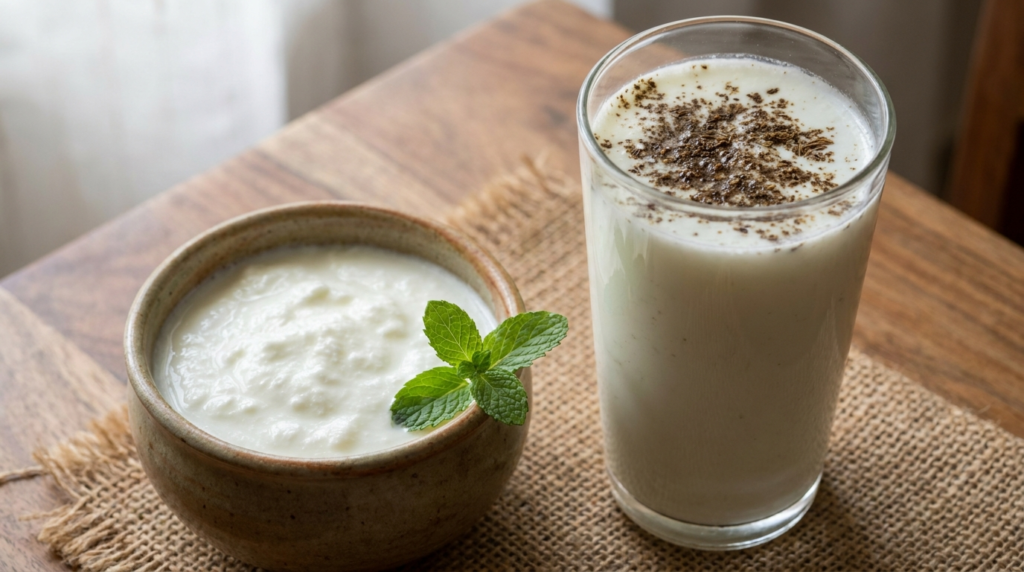
In the fight against loose motion, the humble curd, or dahi, stands out as a powerhouse of natural relief. Its rich probiotic content is crucial for restoring the balance of good bacteria in your gut, which often gets disrupted during bouts of diarrhoea. These beneficial microorganisms help to combat the harmful bacteria that might be causing the upset. Consuming plain curd, without added sugar or spices, can provide a soothing effect and help to firm up stools.
Buttermilk, known as chaas or mattha in many Indian households, offers a similar therapeutic benefit. It’s easier to digest than milk and provides hydration along with beneficial bacteria. Adding a pinch of roasted cumin powder (jeera) and a touch of salt can enhance its digestive properties. This simple drink is not only refreshing but also aids in replenishing lost electrolytes. The Food Safety and Standards Authority of India (FSSAI) often highlights the nutritional benefits of fermented dairy products like curd and buttermilk, underscoring their role in a healthy diet.
A surprising benefit of curd is its ability to help the body absorb nutrients more effectively. When your digestive system is compromised, it struggles to break down and absorb food. The probiotics in curd can assist in this process, ensuring you get the most out of the food you are able to eat. This makes it an ideal food choice when you are recovering from loose motion, helping to rebuild your strength.
Hydration Heroes: The Essential Role of Oral Rehydration Solutions and Clear Fluids
Dehydration is one of the most serious complications of loose motion. As your body loses fluids and electrolytes rapidly, it’s crucial to replenish them promptly. This is where the humble oral rehydration solution (ORS) becomes your most vital ally. You can prepare an effective ORS at home using readily available ingredients or purchase pre-mixed sachets from any pharmacy. The World Health Organization (WHO) strongly advocates for the use of ORS as the first line of treatment for diarrhoea-induced dehydration.
A simple homemade ORS can be made by mixing one litre of clean drinking water with six level teaspoons of sugar and half a level teaspoon of salt. This carefully balanced mixture helps your body absorb fluids more efficiently than plain water alone. It’s important to sip this solution slowly and frequently throughout the day. This prevents further fluid loss and helps to restore the electrolyte balance.
Beyond ORS, embracing other clear fluids is equally important. Coconut water, with its natural electrolytes, is an excellent choice for replenishing fluids and minerals. Rice water, the starchy liquid left after boiling rice, can also be beneficial. It contains starches that can help to bind stools and reduce the frequency of bowel movements. Avoid sugary drinks, caffeinated beverages, and milk-based products, as these can sometimes exacerbate diarrhoea. Ensuring adequate hydration is not just about quenching thirst; it’s about actively supporting your body’s recovery process.
The Soothing Power of Rice and Gentle Grains
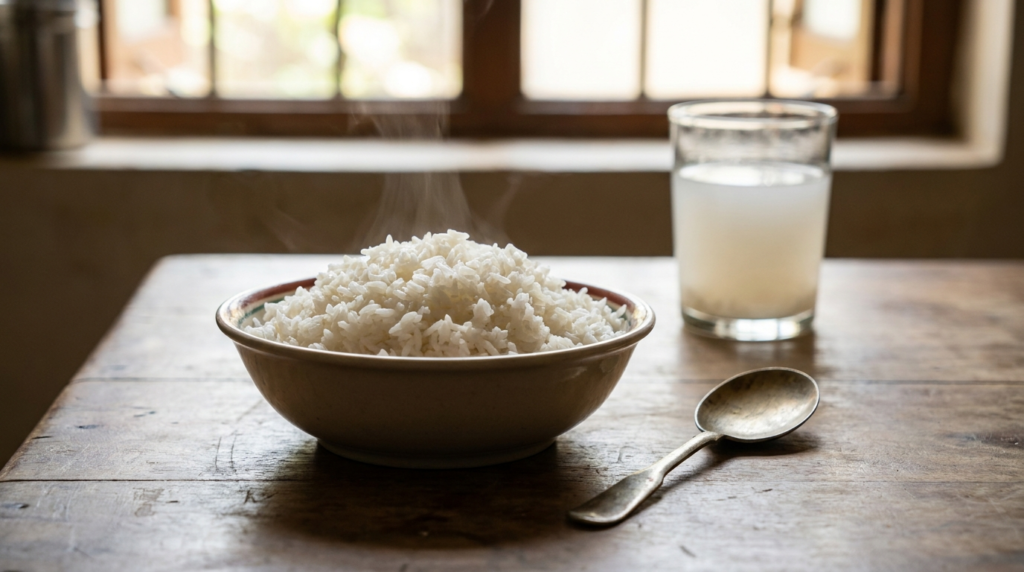
When you are experiencing loose motion, your digestive system needs rest and gentle nourishment. Plain, boiled white rice is a staple in many cultures for its blandness and its ability to bind stools. The carbohydrates in rice provide energy without taxing your gut. It’s easily digestible and less likely to cause irritation compared to complex carbohydrates or fatty foods. Preparing it without added oil or spices is key to maximising its benefits.
Rice water, as mentioned, is another effective remedy. The starch in rice helps to absorb excess water in the intestines, leading to firmer stools. Simply boil some rice in ample water, strain the liquid, and consume it lukewarm. It’s a surprisingly effective way to manage diarrhoea symptoms and provide a bit of sustenance. This is a practice deeply embedded in traditional Indian households, passed down through generations for its efficacy.
Other gentle grains can also be incorporated once your symptoms begin to subside. Khichdi, a comforting dish made from rice and lentils, is often recommended. When prepared with minimal spices and oil, it’s a nutritious and easily digestible meal that can help you regain strength. The combination of rice and lentils provides a balance of carbohydrates and protein, essential for recovery. The All India Cooking Network (AICN) frequently features recipes and nutritional information on traditional Indian dishes like khichdi, highlighting their health benefits.
The Spice Cabinet’s Secret Weapons: Ginger and Cumin
Your kitchen spice rack holds several potent remedies for digestive distress, with ginger and cumin being prominent examples. Ginger, with its anti-inflammatory and carminative properties, can work wonders in soothing an upset stomach and reducing nausea often associated with loose motion. You can consume ginger in various forms: chew a small piece of fresh ginger, or make a simple ginger tea by steeping slices of ginger in hot water. Adding a touch of honey can further enhance its soothing effect, though it’s best to use it sparingly.
Cumin, particularly roasted cumin powder, is another excellent digestive aid. It stimulates the secretion of digestive juices, which can help to alleviate stomach cramps and gas. A common remedy involves mixing a teaspoon of roasted cumin powder with a glass of plain water and drinking it. This can provide quick relief from the discomfort and bloating that often accompanies loose motion. The aroma of roasted cumin itself is known to be calming for the stomach.
A surprising fact about ginger is its ability to help combat certain types of bacteria that can cause food poisoning and diarrhoea. Research has shown that compounds in ginger can inhibit the growth of specific pathogens, offering a dual benefit of symptom relief and pathogen management. This makes it a holistic remedy that addresses both the discomfort and the underlying cause. These spices aren’t just for flavour; they are potent natural medicines.
When to Call the Doctor: Recognising Red Flags
While home remedies are excellent for mild to moderate cases of loose motion, it’s crucial to recognise when professional medical attention is necessary. Persistent symptoms that do not improve after a couple of days of home care warrant a doctor’s visit. If you experience severe abdominal pain, it could indicate a more serious underlying condition that requires diagnosis and treatment. You should not hesitate to seek medical help if you notice blood or mucus in your stools, as this can be a sign of infection or inflammation.
High fever, above 102°F (39°C), is another critical red flag. It suggests your body is fighting a significant infection. Signs of severe dehydration, such as extreme thirst, dry mouth, sunken eyes, lethargy, and significantly reduced urination, also require immediate medical intervention. For infants and young children, dehydration can progress very rapidly and can be life-threatening. It’s always better to err on the side of caution when it comes to the health of vulnerable individuals.
The Ministry of Health and Family Welfare in India provides guidelines and information on managing common illnesses, emphasizing the importance of seeking medical advice when symptoms are severe or persistent. They also highlight the potential dangers of self-treating serious conditions. Understanding these warning signs ensures you can act swiftly to protect your health and that of your loved ones.
Frequently Asked Questions
What is the fastest home remedy for loose motion?
For rapid relief, focus on hydration with ORS or coconut water and consume plain curd or rice water. These options work quickly to rehydrate and soothe the digestive tract.
Can I eat if I have loose motion?
Yes, but stick to bland, easily digestible foods like plain rice, curd, and rice water. Avoid spicy, oily, or dairy-heavy foods until you recover.
How long does loose motion usually last?
Mild cases of loose motion typically resolve within 1-2 days with appropriate home care. However, it can last longer depending on the cause and individual response.
Are there any specific foods to avoid when I have loose motion?
You should avoid spicy foods, fried items, sugary drinks, excessive dairy products (except curd), and foods high in fibre. These can irritate your digestive system.
Can stress cause loose motion?
Yes, stress and anxiety can significantly impact your digestive system, sometimes leading to symptoms like loose motion. Managing stress through relaxation techniques can be beneficial.