Key Takeaways
- The digital nomad lifestyle is rapidly gaining traction across India, driven by improved connectivity and a shift in corporate culture post-2026.
- Beyond the well-trodden paths of Goa and Himachal, emerging hubs offer affordability and unique cultural experiences for remote workers.
- Integrating into local communities and understanding regional nuances are crucial for a sustainable and enriching nomadic experience in India.
- The ‘workation’ trend is maturing, with individuals seeking longer stays and deeper immersion rather than short, superficial trips.
The Unfolding Canvas: India’s Digital Nomad Renaissance
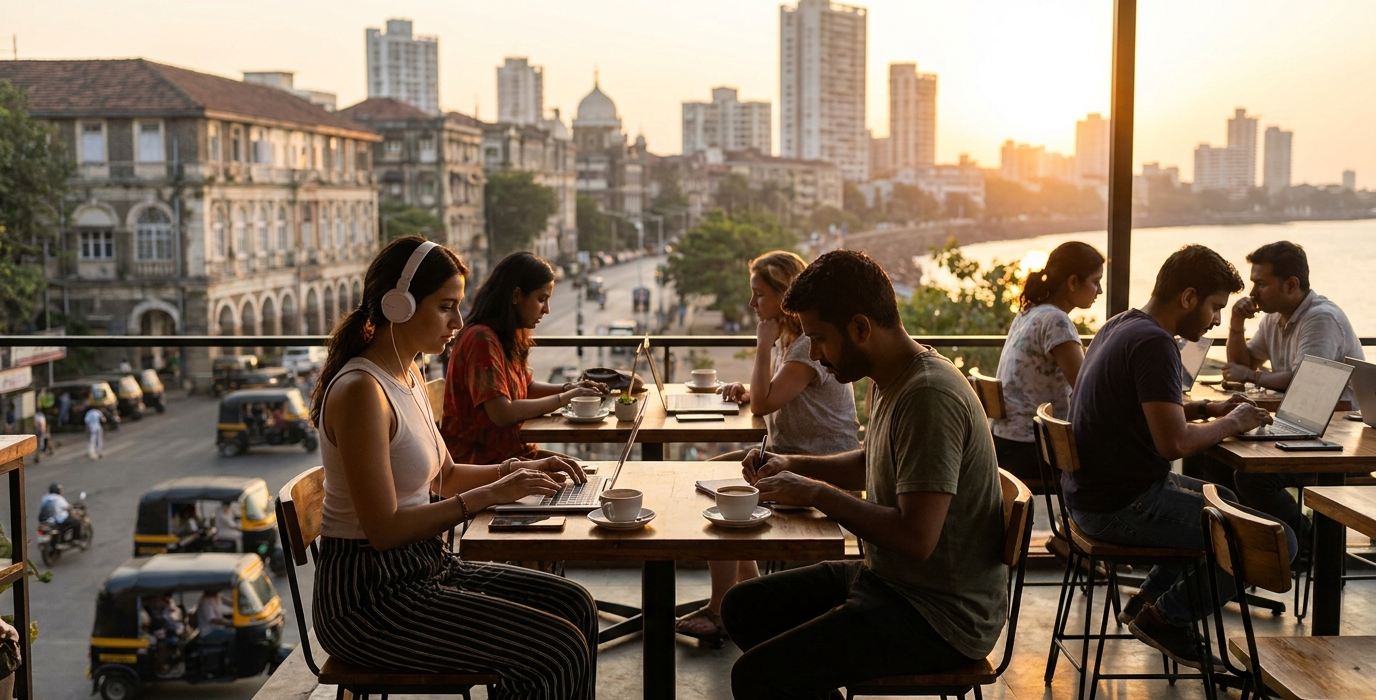
The hum of a laptop in a bustling café in Jaipur, the gentle rhythm of waves accompanying code sprints in Pondicherry, the crisp mountain air fuelling late-night brainstorming sessions in Rishikesh – this is the new reality for a growing number of Indians. The concept of a fixed office desk is rapidly becoming a relic of the past for many, replaced by a dynamic lifestyle that blends professional productivity with the rich tapestry of India’s diverse landscapes and cultures. This isn’t just about working from home; it’s about working from *anywhere* within this vast and vibrant subcontinent.
The seeds of this transformation were sown in the years preceding 2026, but the recent acceleration is undeniable. Companies, increasingly embracing flexible work policies, are no longer tethered to specific urban centres. This newfound freedom, coupled with the ubiquitous spread of reliable internet infrastructure, has unlocked a world of possibilities. For you, the aspiring digital nomad, this means unprecedented access to locations previously considered purely for leisure. We’re seeing a significant migration away from the traditional metros, not just for cost savings, but for a quality of life that offers more than just a paycheck.
This movement is reshaping not only individual careers but also the economies of smaller towns and tourist destinations. Local businesses are adapting, offering co-working spaces, flexible accommodation, and services tailored to the needs of remote professionals. The government’s continued investment in digital infrastructure, including BharatNet’s expansion and the rollout of 5G services in Tier 2 and Tier 3 cities, has been a critical enabler. You’ll find that even in relatively remote areas, the ability to connect and collaborate is no longer a luxury, but a standard expectation. This is the dawn of a new era for work in India, one that promises greater autonomy and a more fulfilling integration of life and livelihood.
Beyond Goa and Himachal: Unearthing New Nomad Havens
While the sun-drenched beaches of Goa and the serene mountains of Himachal Pradesh remain perennial favourites, the discerning Indian digital nomad in 2026 is looking further afield. The true allure of this lifestyle lies in discovering the unexpected, in finding places that offer a unique blend of affordability, community, and authentic cultural experiences. These emerging hubs are not just alternatives; they are destinations in their own right, offering a distinct flavour of nomadic living that resonates with a deeper desire for immersion.
Consider the allure of the coastal charm of Gokarna in Karnataka. Known for its pristine beaches and spiritual vibe, it’s increasingly attracting remote workers seeking a slower pace. The cost of living is significantly lower than in established hubs, and the local community is warm and welcoming. You can find charming guesthouses and homestays that offer both peace and reliable internet, perfect for focused work sessions followed by sunset strolls on the beach. It’s a place where you can genuinely disconnect from the urban rush and reconnect with yourself.
Then there’s the burgeoning scene in Pondicherry, a unique fusion of French colonial architecture and Indian spiritualism. Beyond the popular White Town, areas like Auroville offer a more integrated living experience with a focus on community and sustainable living. The culinary scene is a delightful mix of French patisseries and South Indian delights. For those who appreciate a blend of heritage, creativity, and a laid-back atmosphere, Pondicherry presents a compelling proposition. These are places where you don’t just work; you live, you explore, and you become part of the local narrative.
The Tech Backbone: Connectivity and Tools for the Modern Nomad
The digital nomad lifestyle, especially in a country as vast and varied as India, hinges entirely on robust technological infrastructure. Thankfully, the progress made in the years leading up to 2026 has been nothing short of remarkable. You can now reasonably expect decent internet speeds and reliable connectivity in many places that were considered remote just a few years ago. This is not just about basic browsing; it’s about supporting video conferences, cloud-based collaboration tools, and streaming high-definition content for relaxation after a long day of work.
The expansion of BharatNet, the government’s ambitious project to connect all Gram Panchayats with high-speed broadband, has been a game-changer. While implementation has seen its challenges, its reach now extends to thousands of villages, opening up previously inaccessible areas to digital connectivity. This means that even a small homestay in a village nestled in the Western Ghats might have a better internet connection than you’d expect. Complementing this is the widespread availability of 5G services in most major and many smaller cities, offering speeds that rival wired connections in many parts of the world.
Beyond the infrastructure, a suite of digital tools empowers the modern nomad. Cloud storage solutions like Google Drive and Dropbox ensure your work is always accessible. Collaboration platforms like Slack and Microsoft Teams have become indispensable for remote team communication. Project management tools like Asana and Trello help keep tasks organised and deadlines met. For security, VPNs are a must, especially when connecting to public Wi-Fi. And let’s not forget the essential power banks and portable chargers; in India, where power outages can still occur, these are lifesavers. You might also find portable Wi-Fi hotspots becoming increasingly popular for added redundancy.
Integrating with India: Culture, Community, and the Art of Belonging
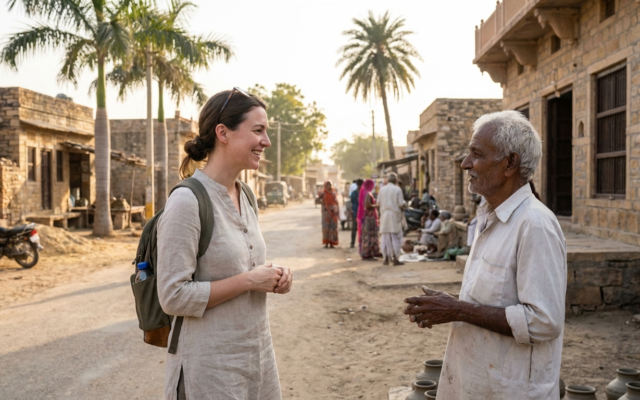
The most profound aspect of the digital nomad experience in India is not just the freedom to work from anywhere, but the opportunity to truly immerse yourself in its diverse cultures. This journey transcends mere sightseeing; it’s about becoming a temporary resident, learning local customs, and fostering genuine connections with the people you meet. For you, this means approaching each new location with an open mind and a willingness to learn, understanding that each state, and often each town, has its own unique rhythm and etiquette.
Language, while English is widely understood in professional circles, can be a delightful bridge to deeper connection. Learning a few basic phrases in the local dialect – be it Konkani in Goa, Tamil in Pondicherry, or Hindi in Rajasthan – can unlock doors and warm hearts. It shows respect for the local culture and can lead to richer interactions, from bargaining at a local market to understanding a neighbourhood anecdote. This isn’t about fluency; it’s about genuine effort and a desire to connect on a more personal level.
Building a community, even a temporary one, is vital for well-being. Many digital nomads find their tribe through co-working spaces, local cafes, or online groups dedicated to specific locations. These networks provide a sense of belonging, offer practical advice, and can lead to lifelong friendships. Remember, the true richness of India lies in its people. Engaging with them, sharing meals, and participating in local festivals (when culturally appropriate and respectful) transforms a nomadic stint into a deeply enriching life experience. It’s about being a guest who respects the house rules, not just a transient visitor.
The Evolving ‘Workation’: From Fleeting Trips to Deeper Dives
The term ‘workation’ itself has evolved significantly by 2026. What once might have implied a week or two of working remotely from a resort, often blurring the lines between vacation and work with limited actual productivity, has matured into a more considered approach. Today’s digital nomads are looking for longer stays, seeking to establish a rhythm that allows for both meaningful work and genuine exploration. This shift reflects a deeper understanding of what makes remote work truly rewarding: sustainability and immersion.
This new ‘workation’ model is less about ticking off tourist attractions and more about understanding the daily life of a place. It means finding accommodation that feels like a home, perhaps a rented apartment or a long-term homestay, rather than a hotel. It involves discovering local eateries, exploring neighbourhood markets, and perhaps even volunteering or engaging in local crafts. The aim is to weave yourself into the fabric of the community, even if only for a few months, rather than skimming its surface.
The benefits of this deeper dive are manifold. For your productivity, a longer stay allows you to settle into a routine, minimising the disruption of constant travel. For your personal growth, it provides ample time to learn, adapt, and truly appreciate the nuances of a new environment. You’re not just a tourist with a laptop; you’re someone experiencing life in a new way. This is the sustainable digital nomadism we’re seeing emerge – one that prioritises experience, connection, and a genuine integration with the locale.
The true essence of digital nomadism in India lies not in the Wi-Fi speed, but in the warmth of the chai offered by a local shopkeeper and the stories shared under a starlit sky.
Budgeting and Practicalities: Making the Nomad Dream a Reality
Navigating the financial and practical aspects of the digital nomad lifestyle in India requires careful planning, but the rewards are well worth the effort. The cost of living can be a significant draw, especially when compared to Western countries or even India’s own Tier 1 cities. However, “affordable” is relative, and understanding your personal spending habits and the specific costs of your chosen destinations is paramount. Your budget will fluctuate greatly depending on whether you choose a bustling city or a quiet village.
Accommodation is often the largest expense. While hotels and resorts are available, opting for guesthouses, homestays, or long-term apartment rentals can significantly reduce costs. Websites like Airbnb, MakeMyTrip, and local rental platforms can be valuable resources. You’ll find that negotiating longer-term rates can often lead to substantial discounts. For example, a month-long stay in a beachfront cottage in Varkala, Kerala, might cost significantly less per night than a single week-long hotel booking.
Beyond accommodation, factor in daily expenses like food, local transportation, and internet access. Eating at local ‘dhabas’ or ‘mess’ halls is incredibly affordable and offers an authentic culinary experience. Public transport, while sometimes crowded, is economical for inter-city travel. For intra-city travel, ride-sharing apps are widely available and reasonably priced. Don’t forget to set aside a buffer for unexpected expenses or spontaneous travel opportunities. A surprising cost that often catches nomads off guard is the need for multiple SIM cards to ensure consistent network coverage across different regions, as not all networks have equal reach everywhere.
| Category | Estimated Monthly Cost (Low-End – e.g., small town) | Estimated Monthly Cost (Mid-Range – e.g., popular nomad hub) | Estimated Monthly Cost (High-End – e.g., premium facilities) |
|---|---|---|---|
| Accommodation (Shared/Budget Room) | ₹8,000 – ₹15,000 | ₹15,000 – ₹30,000 | ₹30,000+ |
| Food (Local Eateries) | ₹5,000 – ₹10,000 | ₹8,000 – ₹15,000 | ₹15,000+ |
| Internet/Connectivity (Data, SIMs) | ₹1,000 – ₹2,500 | ₹2,000 – ₹4,000 | ₹3,000 – ₹6,000 |
| Local Transportation | ₹1,500 – ₹3,000 | ₹2,500 – ₹5,000 | ₹4,000 – ₹8,000 |
| Miscellaneous (Activities, Personal) | ₹3,000 – ₹6,000 | ₹5,000 – ₹10,000 | ₹8,000+ |
| Total Estimated Monthly Budget | ₹18,500 – ₹36,500 | ₹32,500 – ₹64,000 | ₹60,000+ |
Frequently Asked Questions
What are the best regions in India for digital nomads in 2026?
The best regions depend on your priorities. For beaches and a relaxed vibe, consider Gokarna (Karnataka) or Varkala (Kerala). For mountains and spirituality, Rishikesh (Uttarakhand) remains popular. For a blend of culture and heritage, explore Udaipur (Rajasthan) or Pondicherry. Emerging hubs like Coorg (Karnataka) offer lush green landscapes and coffee plantations.
How can I ensure reliable internet connectivity?
While connectivity has improved, it’s wise to have a backup. Invest in a reliable local SIM card with a good data plan and consider a portable Wi-Fi hotspot device. Always check reviews for internet quality at your accommodation and any co-working spaces you plan to use. Testing speeds upon arrival is highly recommended.
What are the visa requirements for long-term stays for non-Indian citizens?
For non-Indian citizens, the specific visa requirements depend on your nationality and intended length of stay. Most nationalities can enter India on a tourist visa for up to 180 days (with some exceptions). For longer stays or if you plan to engage in work activities (even remotely for a foreign company), it is crucial to research the appropriate visa category, such as an e-Visa or a specific long-term visitor visa, and consult official Indian government immigration resources or an embassy.
How do I integrate with local communities as a digital nomad?
Be open, respectful, and curious. Learn a few basic phrases in the local language, engage with locals at markets and eateries, and be mindful of cultural norms. Consider staying in homestays or co-living spaces that encourage interaction. Participating in local events or festivals, when appropriate and respectful, can also be a great way to connect.
What are some common challenges faced by digital nomads in India?
Challenges can include navigating bureaucratic processes (like SIM card registration or visa extensions), occasional power outages, and adapting to different hygiene standards. Language barriers can sometimes be an issue outside major tourist areas. However, with preparation and a positive attitude, these can largely be overcome.