Key Takeaways
- The shift to remote and hybrid work is a permanent fixture, demanding new skills and adaptive strategies from Indian professionals and employers.
- Companies are investing in robust digital infrastructure and cybersecurity, recognising their critical role in a distributed workforce.
- Employee well-being and mental health are becoming paramount, with innovative solutions emerging to combat isolation and burnout.
- The rise of the gig economy and flexible work arrangements offers unprecedented opportunities but also necessitates careful financial and career planning.
The Permanent Shift: Understanding the Remote and Hybrid Landscape in 2027
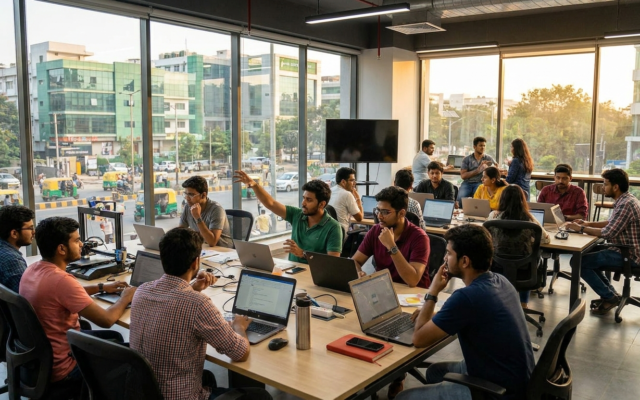
The dust has settled, and it’s clear: the way we work has fundamentally changed. As we navigate 2027, the conversation has moved beyond whether remote and hybrid models are viable to how we can best optimize them. For professionals across India, from the bustling tech hubs of Bengaluru to the artisanal workshops in Jaipur, flexibility is no longer a perk; it’s often an expectation. This seismic shift, accelerated by global events, has redefined office spaces, commuting patterns, and even the very fabric of professional relationships.
We are witnessing a sustained evolution, not a fleeting trend. Companies that embraced agility and invested in technology are now reaping the rewards, while those clinging to outdated paradigms are struggling to attract and retain top talent. This necessitates a proactive approach from both employers and employees. Understanding the nuances of these evolving structures is crucial for career growth and business sustainability. It’s about building resilient, adaptable workforces capable of thriving in a perpetually dynamic environment.
This new normal demands a recalibration of our skills. Technical proficiency remains essential, but soft skills like communication, collaboration, and self-discipline have ascended in importance. The ability to manage one’s time effectively, maintain productivity without constant supervision, and foster strong connections with colleagues across distances are now hallmarks of a successful professional. We must also acknowledge the psychological impact, the blurring lines between work and personal life, and the need for intentional strategies to maintain balance and well-being.
Navigating the Digital Frontier: Infrastructure and Security in a Distributed World
The backbone of any successful remote or hybrid operation in 2027 is its digital infrastructure. Companies are no longer just providing laptops; they are investing heavily in cloud computing, robust VPNs, and seamless collaboration platforms. This allows teams to connect, share information, and work together efficiently, regardless of their physical location. From a startup in Gurugram to a manufacturing unit near Pune, the reliance on dependable digital tools is absolute.
Cybersecurity has also moved from a background IT concern to a front-row strategic imperative. With employees accessing sensitive data from diverse networks, the threat landscape has expanded exponentially. We’ve seen a significant rise in sophisticated phishing attacks and ransomware attempts targeting home networks. Consequently, organizations are implementing multi-factor authentication, regular security awareness training, and advanced endpoint detection and response systems. Ensuring the integrity of company data and client information is non-negotiable in this new era.
For the individual professional, this means a heightened awareness of personal digital hygiene. Strong, unique passwords, vigilance against suspicious links, and understanding company-specific security protocols are now basic requirements. It’s not just about protecting the company; it’s about safeguarding your own digital identity and professional reputation. The investment in secure, reliable technology is a shared responsibility, fostering a culture of digital trust and resilience that underpins the entire distributed workforce model.
The Human Element: Prioritizing Well-being and Combating Isolation
One of the most significant lessons learned from the widespread adoption of remote and hybrid work is the critical importance of employee well-being. The initial novelty of working from home can quickly give way to feelings of isolation, burnout, and a disconnect from colleagues. In 2027, companies are actively addressing this by implementing comprehensive mental health support programs and fostering a culture of empathy. This goes beyond offering an Employee Assistance Program (EAP); it involves proactive initiatives to build connection and provide resources.
We’re seeing innovative approaches emerge, such as virtual team-building activities designed to replicate the spontaneous interactions of an office environment, like virtual coffee breaks or themed online gatherings. Many organizations are also encouraging “digital detox” periods, where employees are actively discouraged from checking emails or work messages outside of designated hours. Managers are being trained to recognize signs of stress and proactively check in with their team members, focusing on outcomes and support rather than micromanagement. This human-centric approach is proving vital for maintaining morale and productivity.
Furthermore, the physical workspace, whether it’s a home office or a co-working space in a tier-2 city like Coimbatore, needs to support well-being. Encouraging ergonomic setups, promoting regular breaks for physical activity, and ensuring adequate natural light are small but impactful steps. The goal is to create an environment where individuals feel supported, connected, and empowered to perform at their best, both professionally and personally. This shift in focus reflects a mature understanding that a healthy workforce is a productive workforce.
The Rise of the Gig Economy and Flexible Futures
Beyond traditional employment, the gig economy has exploded in parallel with remote and hybrid work. For many Indian professionals, particularly in creative fields, tech, and specialized consulting, freelance and contract work offers unparalleled flexibility and the opportunity to curate a diverse portfolio of projects. Platforms connecting talent with opportunities have become more sophisticated, allowing individuals to find work that aligns with their skills and lifestyle preferences.
This presents a compelling alternative for those seeking to escape the rigid structures of traditional office jobs. However, it also comes with its own set of challenges. The financial unpredictability of freelance income requires meticulous budgeting and a robust savings strategy. Professionals must also manage their own benefits, including health insurance and retirement planning, which were previously handled by employers. Building a strong personal brand and network becomes paramount for securing consistent work.
The lines between full-time employment and freelance work are increasingly blurring. Many companies are now engaging a mix of full-time remote employees and project-based freelancers, creating agile teams that can scale up or down as needed. This offers a dynamic career path, allowing individuals to gain experience across various industries and roles. For aspiring professionals, this opens up new avenues for learning and skill development, often at a faster pace than in traditional settings. It’s a future where career paths are less linear and more about continuous adaptation and skill acquisition.
Adapting Skills for the Future of Work: Upskilling and Reskilling in 2027
The accelerated adoption of remote and hybrid work models has underscored the need for continuous learning and adaptation. The skills that were in demand five years ago may not be sufficient for the demands of 2027. Professionals across all sectors are recognizing the imperative to upskill and reskill to remain competitive and relevant in this evolving landscape. This isn’t just about acquiring new technical abilities; it’s also about refining soft skills that are crucial for effective collaboration in a distributed environment.
Key areas of focus include advanced digital literacy, proficiency in collaboration tools, data analysis, and cybersecurity awareness. For those in client-facing roles, mastering virtual communication and presentation skills has become essential. The ability to interpret and leverage data to make informed decisions is also highly valued. Many Indian professionals are turning to online learning platforms, professional certifications, and company-sponsored training programs to bridge these skill gaps. The proactive pursuit of knowledge is no longer optional; it’s a survival strategy.
Companies, too, are playing a crucial role in this adaptation. Forward-thinking organizations are investing in internal training academies and offering stipends for external courses. They understand that a workforce equipped with the latest skills is their greatest asset. This reciprocal commitment to learning fosters a culture of innovation and resilience, ensuring that both individuals and the organization can navigate the complexities of the future of work. The journey of upskilling is continuous, and the rewards are significant.
The Evolving Office: Redefining Physical Spaces
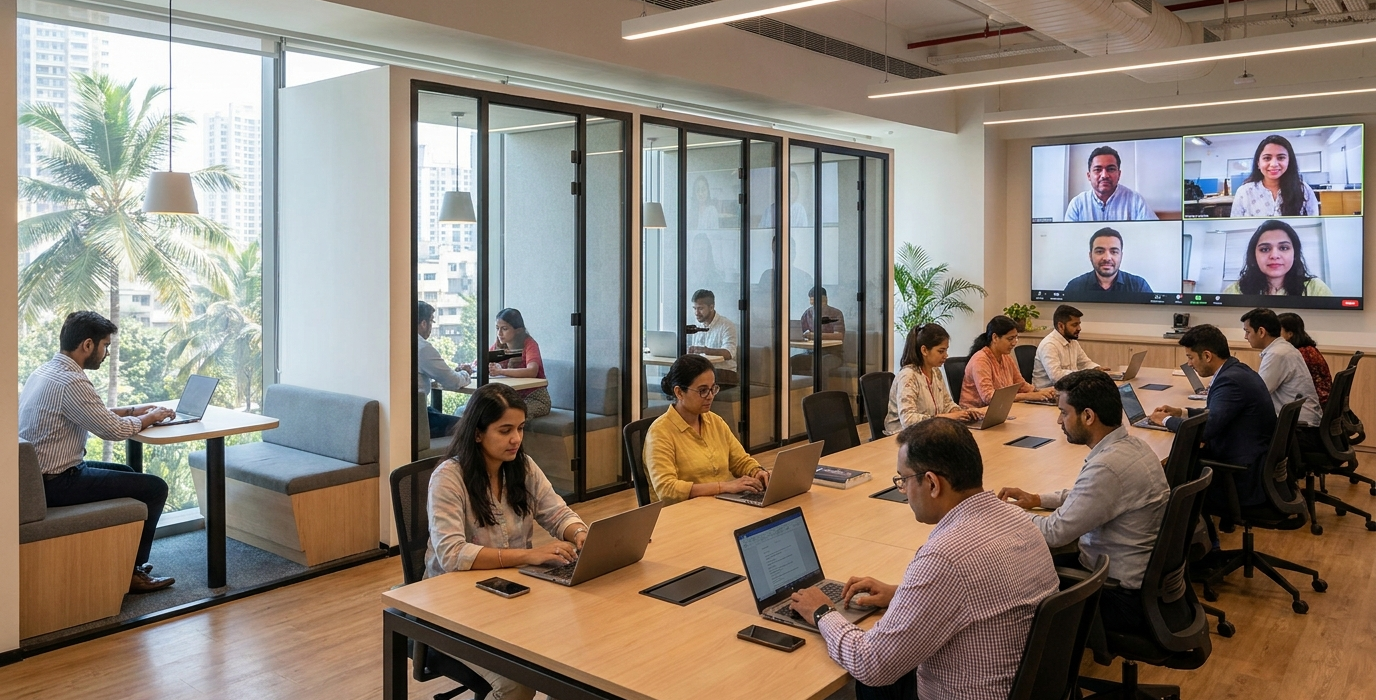
While remote and hybrid work have become dominant, the physical office has not disappeared; its role has simply transformed. In 2027, offices are less about individual workstations and more about collaborative hubs, meeting spaces, and areas for fostering company culture. Companies are redesigning their spaces to encourage interaction, innovation, and serendipitous encounters among employees who might otherwise only connect virtually.
Think of flexible layouts, adaptable furniture, and technology-rich meeting rooms equipped for seamless hybrid interactions. The focus is on creating an environment that employees *want* to come to – a place for strategic brainstorming, team cohesion, and mentorship. Many organizations are also exploring satellite offices or co-working space memberships in different cities to support employees who have relocated or prefer to work closer to home. This distributed approach to physical presence acknowledges the diverse needs of a modern workforce.
Consider the transformation underway in Mumbai’s business districts. Older, cubicle-filled floors are being reconfigured into open-plan collaboration zones, quiet pods for focused work, and vibrant social areas. This shift is driven by a recognition that the office of the future is a tool, designed to enhance connection, creativity, and a sense of belonging. It’s about making the physical space a deliberate and valuable component of the overall work experience, complementing the flexibility offered by remote and hybrid arrangements.
“The future of work isn’t about a return to the past, but a thoughtful integration of flexibility, technology, and human connection. For India’s professionals, this means embracing continuous learning and adapting to new ways of collaborating and creating value.”
Frequently Asked Questions
What are the biggest challenges of remote and hybrid work in 2027?
The primary challenges include maintaining strong team cohesion and company culture, ensuring equitable opportunities for all employees regardless of their location, combating digital fatigue and burnout, and robust cybersecurity in a distributed environment. Effective management and clear communication strategies are key to overcoming these hurdles.
How can I best prepare for a career in remote or hybrid work?
Focus on developing strong self-discipline, time management skills, and excellent communication abilities. Become proficient with collaboration tools and ensure you have a reliable internet connection and a dedicated workspace. Continuously upskill in areas relevant to your industry, with an emphasis on digital literacy and adaptability.
Are companies in India still offering fully remote positions?
Yes, many companies, particularly in the IT, BPO, and digital services sectors, continue to offer fully remote positions. However, the trend is increasingly towards hybrid models, offering a blend of in-office and remote work. The availability of fully remote roles often depends on the company’s industry, size, and specific job function.
What is the average salary increase for professionals adapting to hybrid roles?
Salary increases vary widely by industry, experience, and location. However, there’s a general trend where professionals who successfully adapt to hybrid environments and acquire in-demand digital and collaboration skills often see competitive salary adjustments. Companies recognize the value of employees who can thrive in flexible work arrangements.