Key Takeaways
- India’s mental wellness app market is booming, offering accessible and affordable support for a growing number of users in 2026.
- These apps provide diverse tools, from guided meditation and CBT exercises to mood tracking and connection with therapists.
- Choosing the right app depends on individual needs, budget, and preference for features like gamification or professional guidance.
- Privacy and data security are paramount; users should scrutinize app policies before sharing personal information.
The Digital Shift: Mental Wellness Finds Its Home on Your Phone
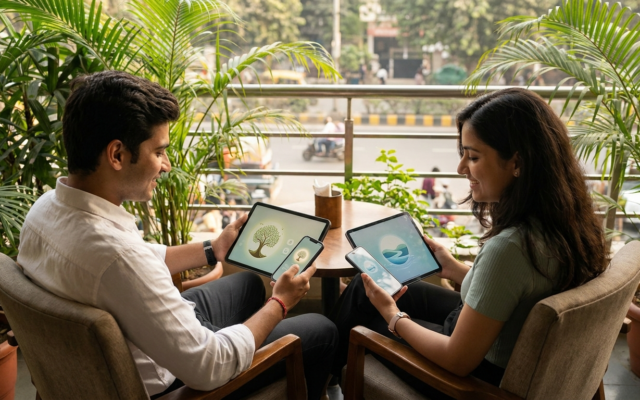
In 2026, the conversation around mental health in India is no longer confined to hushed tones or hushed waiting rooms. It’s out in the open, amplified by the very devices we carry in our pockets. The digital revolution has brought a paradigm shift, making mental wellness tools more accessible and destigmatized than ever before. We’re seeing a surge in the adoption of mental wellness apps across the nation, from bustling metros like Mumbai and Delhi to smaller towns and even rural communities.
This isn’t just a trend; it’s a necessary evolution. With growing awareness of mental health’s importance and the persistent challenges of stigma and limited access to traditional care, these digital platforms offer a lifeline. They provide a private, convenient, and often more affordable entry point for individuals seeking to manage stress, anxiety, depression, or simply enhance their overall well-being. For many, these apps are the first step towards a healthier mind, breaking down barriers that once seemed insurmountable.
The landscape is incredibly diverse, catering to a wide spectrum of needs. Whether you’re a student grappling with academic pressure, a professional navigating work-life balance, a homemaker managing daily stressors, or someone seeking solace after a personal loss, there’s an app designed to support you. This accessibility is a game-changer, democratizing mental health support and empowering individuals to take proactive control of their emotional and psychological well-being. It’s a testament to how technology can be a powerful force for positive social change.
Navigating the Digital Toolkit: Features That Matter in 2026
As the mental wellness app market matures, so do the features offered. In 2026, you’ll find a sophisticated array of tools designed to be genuinely impactful. At the core of many apps are guided meditation and mindfulness exercises. These range from short, five-minute breathing sessions to longer, immersive journeys designed to calm the mind and reduce stress. Think of it as a digital guru, available on demand, guiding you through moments of overwhelm.
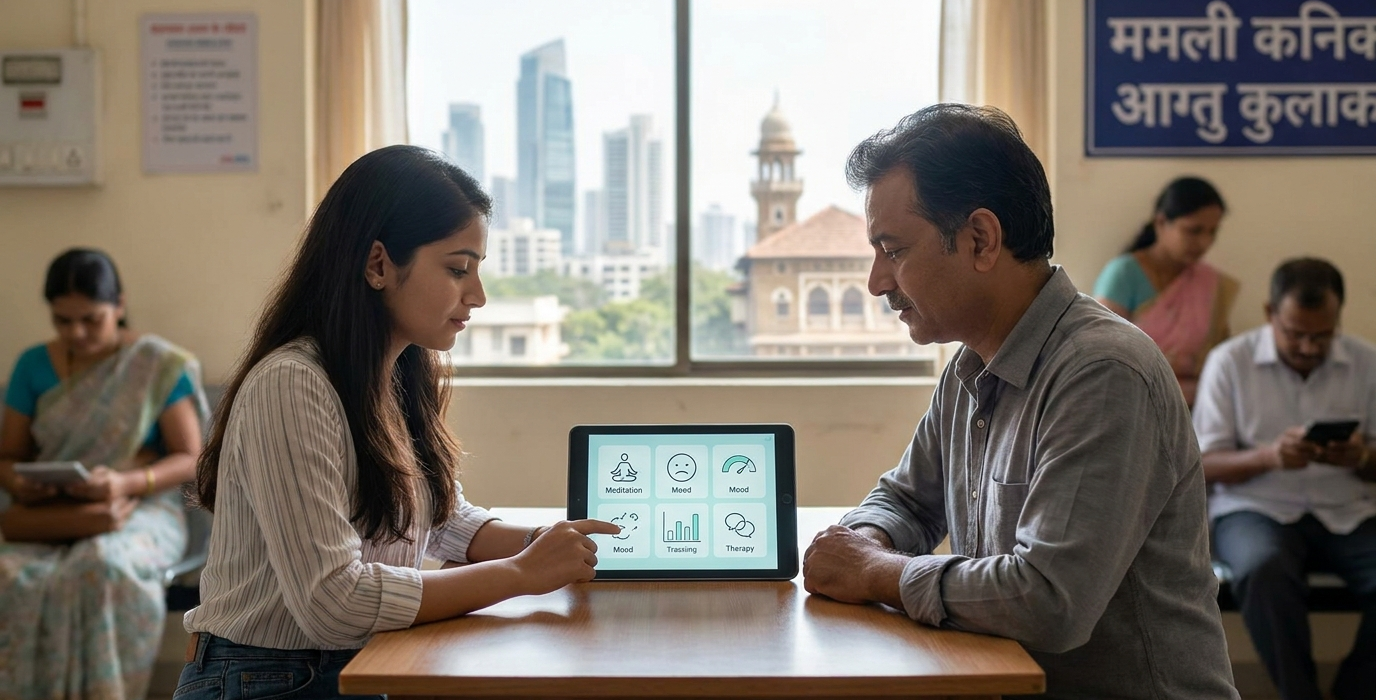
Beyond meditation, Cognitive Behavioral Therapy (CBT) based tools are becoming increasingly sophisticated. These apps help you identify negative thought patterns and develop healthier coping mechanisms. You might engage in interactive journaling prompts, mood tracking with detailed analytics, or even guided exercises to challenge irrational beliefs. This personalized approach empowers you to understand your own mind and build resilience from within.
Furthermore, many platforms now offer sleep stories and soundscapes designed to improve sleep quality. For those struggling with insomnia, this can be a significant relief. We’re also seeing the integration of habit tracking and goal setting features, encouraging users to build positive routines that support their mental health, such as regular exercise or consistent journaling. Some apps even offer community forums or peer support groups, fostering a sense of connection and shared experience, which can be incredibly validating.
Choosing Your Digital Companion: A Personalized Approach
The sheer volume of mental wellness apps available in 2026 can feel overwhelming. The key to finding the right one lies in understanding your individual needs and goals. Are you primarily seeking stress reduction, or are you looking for support with more specific challenges like anxiety or depression? Your answers will guide your selection process significantly.
Consider your preferred learning style and engagement method. Some users thrive with gamified elements and interactive exercises, while others prefer a more straightforward, content-driven experience. If you’re looking for direct professional guidance, apps that connect you with licensed therapists or counselors should be your focus. These platforms often offer video consultations, text-based therapy, or asynchronous messaging, providing a flexible way to access professional support.
Your budget is also a crucial factor. Many apps offer a freemium model, with basic features available for free and premium content or advanced functionalities requiring a subscription. It’s wise to try out free trials before committing to a paid plan. Look for apps that transparently outline their pricing structure and offer a variety of subscription options, such as monthly, quarterly, or annual plans. Remember, the “best” app is the one that you will consistently use and find beneficial for your unique journey.
The Rise of Indian-Centric Platforms: Local Needs, Global Standards
While global mental wellness giants have a strong presence, a fascinating development in 2026 is the impressive growth of Indian-developed mental wellness apps. These platforms understand the unique cultural nuances, societal pressures, and specific challenges faced by individuals in India. They often incorporate elements that resonate deeply with local users, such as addressing family dynamics, career aspirations within the Indian context, or the impact of community traditions on mental well-being.
These homegrown solutions are not just about localization; they are also striving to meet global standards of quality and effectiveness. Many are developed in collaboration with Indian mental health professionals, ensuring that the content is evidence-based and culturally sensitive. This is a crucial step in making mental health support feel more relevant and approachable for a wider Indian audience, breaking down the perceived Western bias that some users might have associated with mental health practices.
A surprising fact is the integration of regional language support. Beyond Hindi and English, you can now find many apps offering content and interfaces in languages like Tamil, Bengali, Marathi, and Telugu. This commitment to linguistic inclusivity opens doors for millions who may not be comfortable with English-only platforms. It’s a significant leap towards democratizing access to mental wellness resources across the diverse linguistic tapestry of India.
Data Privacy and Security: Protecting Your Digital Well-being
As we entrust these apps with our most intimate thoughts and feelings, data privacy and security become paramount considerations. In 2026, with increasing awareness of data breaches and the sensitive nature of mental health information, users are rightly concerned about how their data is collected, stored, and used. It’s essential to approach this aspect with diligence.
When selecting an app, always read the privacy policy. Look for clear statements about data encryption, anonymization practices, and what information is shared with third parties. Reputable apps will be transparent about their data handling procedures and provide users with control over their information. You should have the right to access, modify, or delete your data. Be wary of apps that have vague or overly permissive privacy policies.
Furthermore, consider the security measures implemented by the app. Are they using secure servers? Do they have protocols in place to prevent unauthorized access? Many platforms now offer options for two-factor authentication to add an extra layer of security to your account. Remember, your mental well-being is as important as your digital security. Choosing an app that respects and protects your privacy is a fundamental part of using these tools responsibly.
Beyond the App: Complementing Digital Support with Real-World Connections
While mental wellness apps offer incredible convenience and accessibility, it’s crucial to remember that they are tools, not replacements for all forms of support. In 2026, we are increasingly recognizing the importance of a holistic approach to mental health that integrates digital resources with human connection and professional guidance when needed.
For instance, using a mood tracking app can provide valuable insights, but discussing those insights with a therapist can lead to deeper understanding and effective strategies. Similarly, engaging in daily meditation can be incredibly beneficial, but social support from friends, family, or support groups plays a vital role in combating feelings of isolation and fostering resilience. Don’t hesitate to reach out to your loved ones or join in-person community events.
A surprising insight is the growing emphasis on “digital detox” periods. As we become more reliant on our phones, intentionally stepping away from screens, even for short periods, can significantly improve mental clarity and reduce digital overload. This isn’t about abandoning the apps entirely, but about finding a healthy balance. Think of your mental wellness app as one part of a larger ecosystem of self-care, alongside mindful living, physical activity, and meaningful human interactions.
Frequently Asked Questions
What is the biggest benefit of using mental wellness apps in 2026?
The biggest benefit is unprecedented accessibility and affordability. These apps break down geographical and financial barriers, making mental health support available to millions across India, anytime, anywhere.
Can mental wellness apps replace traditional therapy?
For mild to moderate concerns, they can be very effective. However, for severe mental health conditions, they are best used as a complement to, not a replacement for, professional therapy with licensed counselors or psychiatrists.
How do I choose the right mental wellness app for me?
Consider your specific needs (e.g., stress, anxiety), preferred features (meditation, CBT, therapy connection), budget, and comfort with technology. Try out free versions or trials before committing to a paid subscription.
Are my personal data safe with these apps?
Reputable apps prioritize data privacy and security through encryption and transparent policies. Always review the app’s privacy policy and be cautious about sharing sensitive information.
What are some surprising features I might find in mental wellness apps in 2026?
You might be surprised by integrated regional language support, gamified learning modules, AI-powered personalized insights, and seamless integration with wearable health trackers for a more comprehensive wellness overview.