Key Takeaways
- Mastering simple, wholesome Indian meals under ₹100 is achievable with smart ingredient choices and efficient cooking techniques.
- Focusing on staples like lentils, rice, and seasonal vegetables forms the backbone of many budget-friendly yet nutritious Indian dishes.
- Exploring regional variations and local markets can unlock incredible flavour combinations without breaking the bank.
- Effective meal planning and smart shopping are crucial for consistently eating well on a tight budget in 2026.
The ₹100 Meal Challenge: More Than Just Saving Money
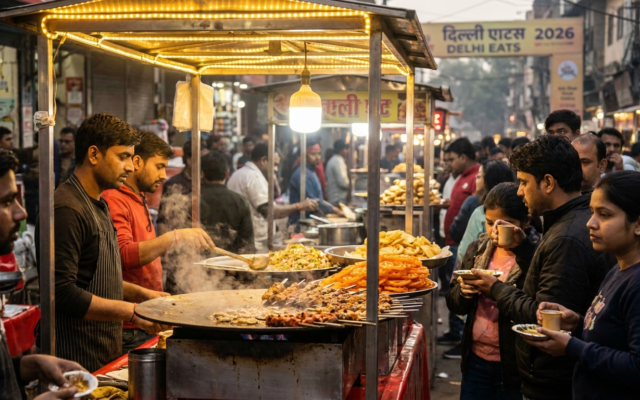
In today’s dynamic economic landscape of 2026, the quest for delicious, satisfying meals that don’t strain your wallet is more relevant than ever. We’re not just talking about surviving on bland sustenance; we’re talking about vibrant, flavourful Indian cuisine that nourishes both body and soul, all for under ₹100 per person. This isn’t about austerity; it’s about smart choices, understanding your ingredients, and leveraging the incredible diversity of Indian culinary traditions. From the bustling street food stalls of Delhi to the serene kitchens of Kerala, there’s a universe of affordable deliciousness waiting to be explored. You might be surprised at the depth of flavour and nutritional value you can achieve with a little ingenuity and a keen eye for value.
Think about your average day. You need breakfast, lunch, and dinner. If each meal can be kept under ₹35, you’re well within our ₹100 daily budget. This requires a shift in perspective – moving away from expensive processed foods and embracing the power of simple, fresh ingredients. We’ll guide you through understanding cost-effective staples, mastering essential cooking techniques, and discovering regional specialties that are both economical and incredibly tasty. Get ready to transform your kitchen into a haven of budget-friendly gourmet experiences.
Mastering the Lentil & Grain Game: Your Budget Foundation
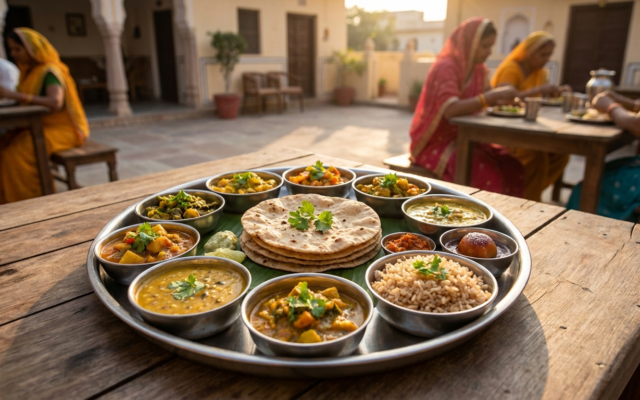
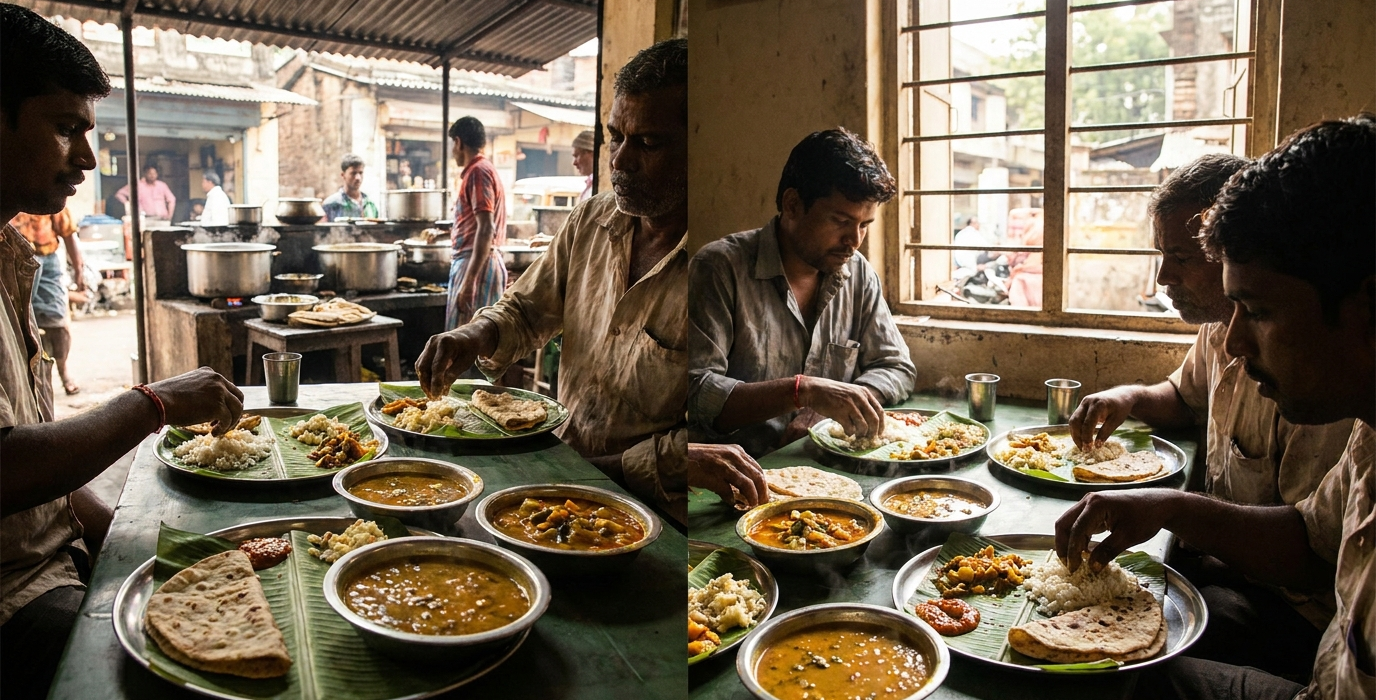
The undisputed champions of the budget Indian kitchen are undoubtedly lentils (dal) and grains. These humble ingredients form the bedrock of countless nutritious and filling meals. Mastering a few basic dal preparations can unlock a world of possibilities, providing essential protein and fibre without a hefty price tag. Think of a simple Toor Dal Tadka, a comforting bowl of Masoor Dal, or a hearty bowl of Chana Dal – all incredibly versatile and cost-effective. When paired with rice or roti, these create a complete and satisfying meal.
Rice, of course, is another essential. While basmati might be a treat, everyday varieties of rice are incredibly affordable and form the perfect canvas for flavourful curries and dals. You can also explore other grains like jowar (sorghum) and bajra (pearl millet), especially popular in Western and Northern India. These millets are not only budget-friendly but also packed with nutrients and offer a delightful textural contrast. A simple roti made from whole wheat flour (atta) or these millets, when served with a vegetable sabzi or dal, is a quintessential Indian meal that often falls well under the ₹100 mark.
A surprising fact: in many parts of rural India, a single serving of plain dal and rice can cost as little as ₹10-₹15, showcasing the incredible efficiency of these staple combinations. The key is understanding the local availability and prices. Buying whole lentils and grinding your own spices, when feasible, can also offer significant savings compared to pre-ground masalas. You’re not just cooking; you’re becoming a culinary economist, making every rupee count.
Dal Tadka – A Universal Comfort
A basic dal tadka, using ingredients like toor dal, turmeric, mustard seeds, cumin seeds, asafoetida (hing), green chillies, and garlic, is a classic for a reason. The cost of these ingredients, when bought in bulk or from local markets, is remarkably low. A good portion of dal tadka served with plain rice or a single roti can easily be prepared for under ₹30. The tempering (tadka) is where the magic happens, transforming simple boiled lentils into a flavour explosion.
Roti Power: The Humble Flatbread
Whole wheat flour, water, and a pinch of salt – that’s all you need for a basic roti. While buying atta is inexpensive, even making your own chapati flour from whole wheat grains is an option for the truly budget-conscious. Pair it with a simple aloo (potato) sabzi or a mixed vegetable curry, and you have a balanced meal. The cost of making four rotis and a modest sabzi often hovers around ₹20-₹30.
Embracing Seasonal Vegetables: Nature’s Bounty, Budget-Friendly
Beyond the core staples, the true artistry of budget Indian cooking lies in the clever use of seasonal vegetables. India’s diverse climate means a constant supply of fresh produce, and by aligning your meals with what’s in season, you tap into the most affordable and flavourful options. Think of the vibrant greens available during the monsoon, the sweet mangoes of summer, or the hearty gourds of winter. These vegetables are not only cheaper but also at their peak of nutritional value and taste.
Vegetable prices fluctuate significantly based on seasonality and location. For instance, during the monsoon in Maharashtra, you’ll find an abundance of tender bhindi (okra), tinda (Indian squash), and various leafy greens at incredibly low prices. Similarly, in the cooler months in the North, cauliflower, cabbage, and root vegetables become abundant and economical. Learning to identify these seasonal gems at your local mandis (markets) is a superpower for any budget cook.
This approach also encourages culinary exploration. Instead of relying on the same few vegetables year-round, you’ll discover new flavours and textures. A simple stir-fry of seasonal greens with garlic and chilli, or a robust curry made with pumpkin and coconut milk, can be incredibly satisfying and cost-effective. You’re not just cooking; you’re engaging with the rhythm of nature and the local agricultural landscape.
The Power of Leafy Greens
Spinach (palak), fenugreek leaves (methi), amaranth leaves (cholai), and mustard greens (sarson) are often available in abundance and at very low prices, especially during their growing seasons. A simple methi ki sabzi, sautéed with a few spices and a touch of onion and garlic, can be a flavourful side dish for less than ₹15. These greens are powerhouses of vitamins and minerals, offering incredible nutritional bang for your buck.
Root Vegetables and Gourds: Hearty & Economical
Potatoes (aloo), onions (pyaaz), and tomatoes (tamatar) are staples that remain relatively affordable year-round, forming the base of many gravies and sabzis. However, exploring other root vegetables like carrots, radishes, and beetroot, or gourds like bottle gourd (lauki) and ridge gourd (turai), can add variety and save money. A lau ki sabzi, known for its subtle flavour and high water content, is incredibly filling and cheap to prepare, often costing under ₹20.
Spice It Up: Flavour Without the Price Tag
The soul of Indian cuisine lies in its spices, and while some exotic spices can be pricey, the everyday essentials are remarkably affordable and provide immense flavour. Mastering the art of using common spices like turmeric, cumin, coriander, mustard seeds, and red chilli powder is key to creating delicious meals on a budget. These spices not only add taste but also possess numerous health benefits.
Buying whole spices and grinding them yourself can be more economical and offers a fresher, more intense flavour. While it requires a bit more effort, the difference is palpable. Imagine the aroma of freshly ground coriander and cumin seeds hitting a hot pan – it’s an experience that elevates even the simplest dish. You don’t need a vast array of expensive masalas to create authentic Indian flavours.
Consider the humble onion and garlic. These aromatic vegetables are the foundation of most Indian gravies and sabzis. Sautéing them until golden brown, along with a few common spices, creates a flavour base that can be expanded upon with vegetables or lentils. Even a simple tempering of mustard seeds, cumin seeds, and curry leaves in hot oil can transform a bland dish into something special.
The Essential Spice Rack
Your budget-friendly spice arsenal should ideally include: turmeric powder (haldi), red chilli powder (lal mirch), coriander powder (dhania), cumin seeds (jeera), mustard seeds (rai), asafoetida (hing), and garam masala. These form the backbone of countless Indian recipes. A small packet of each can last for months, making them a very economical investment in flavour.
The Magic of Tempering (Tadka/Chhaunk)
A tadka is a simple yet powerful technique where whole or ground spices are fried in hot oil or ghee. This process releases their essential oils and aromas, infusing the dish with incredible flavour. A basic tadka might involve heating mustard seeds until they splutter, followed by cumin seeds, dried red chillies, and curry leaves. This can elevate a dal, a vegetable stir-fry, or even a simple yogurt-based raita for a mere few rupees.
Beyond the Plate: Smart Shopping and Meal Planning
Achieving consistent ₹100 meals requires more than just knowing recipes; it necessitates smart shopping and effective meal planning. In 2026, with price fluctuations being a common concern, a proactive approach to grocery procurement and meal preparation is essential. This is where you can make significant savings and ensure you’re always well-fed without overspending.
Visiting local markets or mandis, especially during their peak hours, often yields the freshest produce at the lowest prices. Unlike large supermarkets, these local vendors are more likely to offer competitive rates, especially if you buy in slightly larger quantities for staples like rice and lentils. Building relationships with trusted vendors can also lead to better deals. Don’t underestimate the power of comparing prices across different stalls before making your purchase.
Meal planning is your secret weapon. Dedicate a small amount of time each week to plan your meals. This helps you create a focused grocery list, reducing impulse buys. It also allows you to utilize ingredients efficiently, preventing wastage. For example, if you buy a whole cauliflower for a sabzi, plan to use the leaves and stem in another dish or stock. This minimises waste and maximises value.
A surprising fact: many households in India practice “pola,” a tradition of making larger batches of certain dishes like pickles, chutneys, or even preserved vegetables, which can then be used to flavour meals throughout the week or even longer, significantly reducing the need for daily fresh purchases of certain ingredients.
The Art of the Grocery List
Create a detailed grocery list based on your weekly meal plan. Categorise items by section of the market (produce, grains, spices) to make your shopping trip efficient. Stick to your list as much as possible. This disciplined approach prevents overspending and ensures you have all the necessary ingredients for your planned meals.
Batch Cooking and Preserving
Consider batch cooking staples like boiled lentils, cooked rice, or even partially prepared vegetable masalas on a weekend. These can be stored and used throughout the week, saving cooking time and energy. Similarly, learn simple preservation techniques for seasonal produce, like making homemade pickles or drying herbs, to extend their usability and value.
Regional Flavours on a Budget: Discovering Hidden Gems
India’s vast culinary landscape offers an incredible opportunity to explore diverse flavours, many of which are inherently budget-friendly. Regional cuisines often have deep roots in local produce and traditional cooking methods that prioritize cost-effectiveness. By looking beyond the most commonly known dishes, you can unlock a treasure trove of delicious and affordable meals.
Consider the simple yet flavourful preparations from states like Odisha, Bihar, or parts of Uttar Pradesh. These regions often rely on less expensive grains, local vegetables, and aromatic spices to create satisfying meals. For instance, a simple “Ghanta Tarkari” from Odisha, a mixed vegetable curry often made with seasonal produce and minimal spices, can be incredibly delicious and economical. Similarly, “Sattu ka Paratha” from Bihar, made with roasted gram flour, is a filling and nutritious meal that’s very budget-friendly.
Even in more well-known regions, there are affordable gems. In South India, a simple “Rasam,” a tangy lentil-based broth, can be a flavourful accompaniment or even a light meal on its own, using minimal ingredients. “Upma,” a savoury porridge made from semolina, is a breakfast staple across many regions that is both quick and inexpensive. Exploring these dishes allows you to experience the true diversity of Indian food without compromising your budget.
The Comfort of South Indian Rasam
Rasam is more than just a soup; it’s a flavourful blend of tamarind, tomatoes, lentils, and a unique spice blend. Different regions have their variations – from the spicy Milagu Rasam to the tangy Thakkali Rasam. The core ingredients are inexpensive, and a bowl of rasam with a small portion of rice can be a complete and satisfying meal for well under ₹40.
The Versatility of Upma and Poha
Upma (semolina) and Poha (flattened rice) are breakfast and snack staples that are incredibly adaptable and affordable. They can be bulked up with onions, tomatoes, peas, and other seasonal vegetables to make them more substantial. A well-prepared plate of Poha with vegetables can cost as little as ₹20-₹25 and provides a good energy boost.
A Sample Budget Meal Plan: Putting It All Together (2026)
To illustrate how achievable these ₹100 meals are, let’s construct a sample day of eating. This plan focuses on whole ingredients, seasonal produce, and efficient preparation, proving that delicious, nutritious food doesn’t require a large budget. Remember, prices can vary by region, but the principles remain the same.
* Breakfast (Approx. ₹25): A bowl of Poha (flattened rice) cooked with onions, mustard seeds, turmeric, and a handful of peas. This is quick, filling, and costs very little to prepare. You can also opt for two simple rotis with a small dollop of leftover dal from the previous night.
* Lunch (Approx. ₹35): A generous serving of Toor Dal Tadka, a portion of plain rice, and a simple seasonal vegetable stir-fry (like a bhindi or mixed vegetable sabzi). This is a balanced meal providing protein, carbohydrates, and essential nutrients.
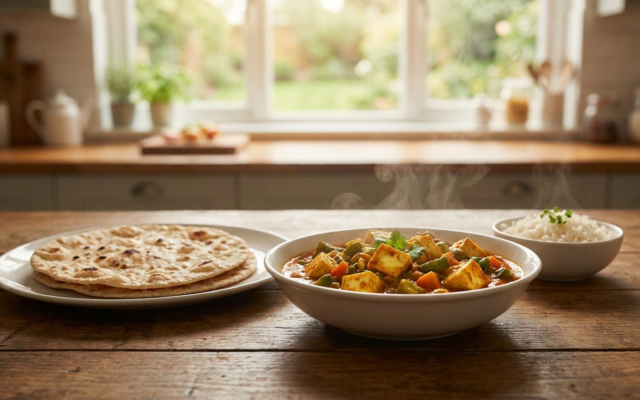
* Dinner (Approx. ₹40): Two whole wheat rotis served with a hearty Chana Masala (made with chickpeas and tomatoes) and a small side of plain yogurt or a simple cucumber-tomato raita. This provides fibre, protein, and a good dose of vegetables.
This sample day comes in at roughly ₹100, demonstrating that with smart choices, you can eat remarkably well without overspending. The key is to utilize ingredients efficiently, plan ahead, and embrace the simplicity and flavour of traditional Indian cooking.