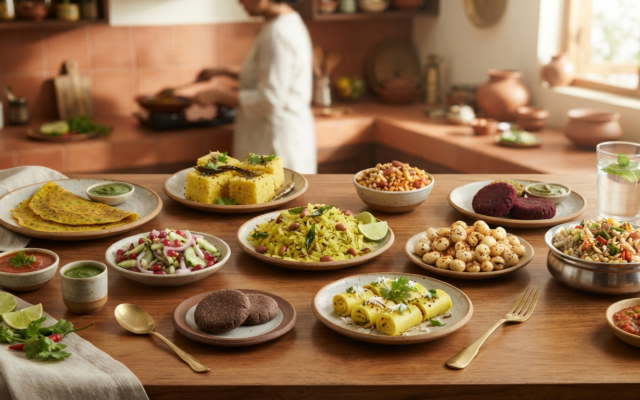
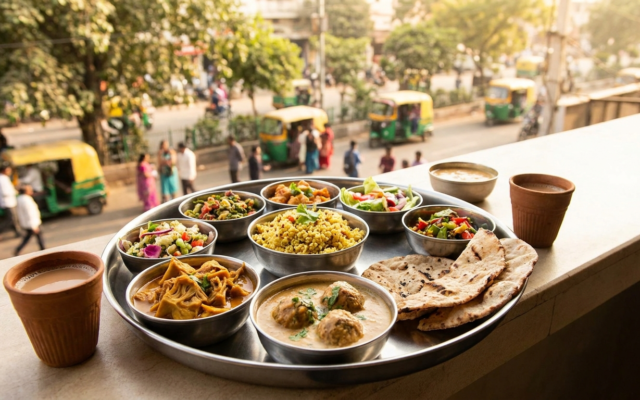
Whether you are a seasoned home cook or just starting your culinary journey, mastering the art of the perfect paneer dish is a rite of passage in any Indian kitchen. From the velvet-smooth gravies of North India to quick, spiced stir-fries, this versatile ingredient is the undisputed king of vegetarian protein.
Key Takeaways
- Learn the essential techniques for keeping paneer soft instead of rubbery.
- Discover the secret to achieving that authentic, restaurant-style gravy texture at home.
- Understand the nutritional profile of fresh paneer versus mass-produced alternatives.
- Master two foundational recipes: Shahi Paneer and a quick Paneer Bhurji.
The Science of Softness: Prepping Your Paneer
Many home cooks struggle with paneer that turns tough or chewy the moment it hits the heat. The secret to restaurant-quality texture isn’t necessarily a special brand, but rather how you treat the cheese before it enters the pan. If you buy a block from the store, it is often dense and cold. To achieve that melt-in-the-mouth consistency, you must soak the cubes in warm, salted water for about 10 to 15 minutes before cooking.
According to guidelines from the Food Safety and Standards Authority of India, fresh paneer should be stored under refrigerated conditions to maintain its structural integrity and safety. When you soak the cubes, they absorb just enough moisture to prevent them from drying out during the sauteing process. This simple step ensures that even if you prefer a light fry on your paneer, the interior remains tender.
Avoid the common mistake of over-frying. You only need a light golden crust to provide texture, which acts as a barrier against the gravy. If you fry it until it turns deep brown, you are essentially dehydrating the protein. Keep your heat at medium-low and move the cubes quickly to ensure an even, light color without sacrificing the internal creaminess that defines a great dish.
Building the Foundation: The Gravy Base
The soul of any iconic North Indian paneer dish lies in the masala base. You cannot rush the process of cooking down your onions, ginger, garlic, and tomatoes. The goal is to reach a stage where the oil separates from the masala, an indicator that the raw enzymes have been neutralized and the flavors have melded into a cohesive unit.
For a restaurant-style finish, precision in your spice blend is critical. Many chefs swear by the “bhuna” technique, which involves sautéing the spices in hot oil for a few seconds before adding liquids. This unlocks the essential oils in ingredients like cardamom, cinnamon, and cloves. If you are aiming for a rich, Shahi-style gravy, incorporating a small amount of cashew paste or poppy seed paste provides that signature velvety mouthfeel that cannot be replicated with cream alone.
Did you know that the specific acidity of your tomatoes significantly impacts the final taste? Using deseeded tomatoes can reduce the bitterness that sometimes creeps into a long-simmering gravy. When the oil begins to float on the surface, you know your base is ready for the paneer and the final finishing touches like a pinch of dried fenugreek leaves, or kasuri methi.
Shahi Paneer vs. Paneer Bhurji: A Quick Comparison
Choosing the right recipe depends entirely on your time and the occasion. While Shahi Paneer demands patience and a balance of sweet and savory notes, Paneer Bhurji is the ultimate “emergency” meal that comes together in under ten minutes.
| Feature | Shahi Paneer | Paneer Bhurji |
|---|---|---|
| Prep Time | 30-40 Minutes | 10 Minutes |
| Texture | Creamy, Silky | Crumbly, Dry |
| Best Served With | Naan or Roomali Roti | Paratha or Buttered Toast |
| Flavor Profile | Rich, Mild, Aromatic | Spicy, Tangy, Punchy |
As noted by the Food and Agriculture Organization of the United Nations regarding dairy-based diets, paneer is a concentrated source of high-quality casein protein. Whether you choose the slow-cooked indulgence of a gravy or the quick protein hit of a bhurji, you are getting a significant boost of nutrition. The bhurji is particularly useful for those who want to hide extra vegetables; finely chopped bell peppers and peas integrate perfectly into the crumbled cheese.
The Art of Tempering: Mastering the Tadka
Tempering, or the “tadka,” is the final flourish that elevates a standard meal to an extraordinary one. While most people associate tadka with dal, a final spice-infused oil drizzle over your paneer dish can add a dramatic layer of aroma. Heat a small amount of ghee in a ladle, add a pinch of Kashmiri red chili powder, and pour it over the dish just before serving.
The use of Kashmiri chili powder is purposeful here; it provides that vibrant, deep red color without the overwhelming heat of standard chili varieties. This technique is often used in roadside dhabas across Haryana and Punjab to ensure the food looks as appetizing as it smells. Remember, the ghee must be hot but not smoking, or the spices will burn and become bitter.
You can also experiment with different aromatics in your tadka. A few slivers of fresh ginger or a split green chili can change the entire character of your dish. This is where you can exert your own culinary personality. Never underestimate the power of fresh coriander leaves as a garnish; they provide a bright, herbaceous counterpoint to the heavy, spiced fats in the gravy.
Paneer Nutrition and Sourcing Standards
When cooking with paneer, the quality of your source material is non-negotiable. While homemade paneer using lemon juice or vinegar to curdle buffalo milk is the gold standard, commercial options are convenient. However, always check the label for “milk solids” or starch fillers, which are common in cheaper, mass-market brands.
Authentic paneer should be made from milk and an acidifying agent only. According to the National Dairy Development Board, high-quality paneer should have a uniform, firm body and a clean, milky aroma. If you are buying it, press the block lightly; it should have a slight spring, not be rock-hard or completely mushy.
Interestingly, paneer is a heat-acid coagulated cheese, meaning it does not melt like mozzarella or cheddar. This unique property makes it the ideal candidate for grilling, frying, or simmering in curries. It holds its shape perfectly under high heat, allowing it to act as a sponge for the spices you have worked so hard to balance in your gravy.
Common Mistakes to Avoid in the Kitchen
Even the best recipes can fail if you fall into the trap of common technical errors. The most frequent mistake is adding the paneer too early to the gravy. Because paneer is already cooked, it only needs to simmer in the sauce for two to three minutes to absorb the flavor. Any longer, and you risk the cubes losing their shape and becoming grainy.
Another pitfall is using cold water to adjust the consistency of your gravy. Always use warm water or vegetable stock. Cold water drops the temperature of the pan, stops the cooking process, and can lead to a separation of the fats, resulting in an oily, unappealing top layer. If your gravy becomes too thick, adding half a cup of warm water and stirring vigorously will bring it back to a silky consistency.
Finally, do not underestimate the importance of salt balance. Paneer is naturally bland, so it relies on the gravy for its seasoning. Always taste your sauce before adding the paneer. If the sauce is perfectly seasoned to your palate, the paneer will pull in those flavors, resulting in a dish that tastes consistent from the first bite to the last.
“The beauty of Indian cooking lies in the patience of the masala; if you give the onions and tomatoes the time they need to transform, the paneer will always reward you with its ability to hold those complex, layered flavors.”
Frequently Asked Questions
How do I make my paneer less rubbery?
The secret is to soak your paneer cubes in hot water (not boiling) for 15 minutes before cooking. This rehydrates the proteins and keeps the interior soft even after the outer layer has been browned or simmered.
Can I freeze paneer for later use?
Yes, you can freeze paneer, but it is best to slice or cube it first. Wrap it tightly in plastic wrap to prevent freezer burn, and when you are ready to use it, thaw it in the refrigerator overnight or soak it in warm water to bring it back to a fresh texture.
Is it better to use store-bought or homemade paneer?
Homemade paneer is almost always superior in terms of texture and creaminess because you control the fat content of the milk. However, high-quality commercial brands that list only milk and acid as ingredients are perfectly acceptable for daily cooking.
What is the best way to thicken a gravy without cream?
If you want a thick, restaurant-style gravy without using heavy cream, blend soaked cashews or melon seeds into a smooth paste and add it to your masala base. This provides natural creaminess and body while keeping the dish vegetarian-friendly.