Key Takeaways
- India’s culinary landscape is shifting beyond traditional metros, with a surge of interest in regional specialties.
- New restaurants and food initiatives are meticulously documenting and popularising lesser-known cuisines.
- Expect to see diverse ingredients and techniques, from the coastal bounty of Odisha to the earthy flavours of Telangana.
- Home cooks are also embracing this trend, seeking out authentic recipes and ingredients online and in local markets.
The Great Indian Culinary Migration: Beyond Butter Chicken
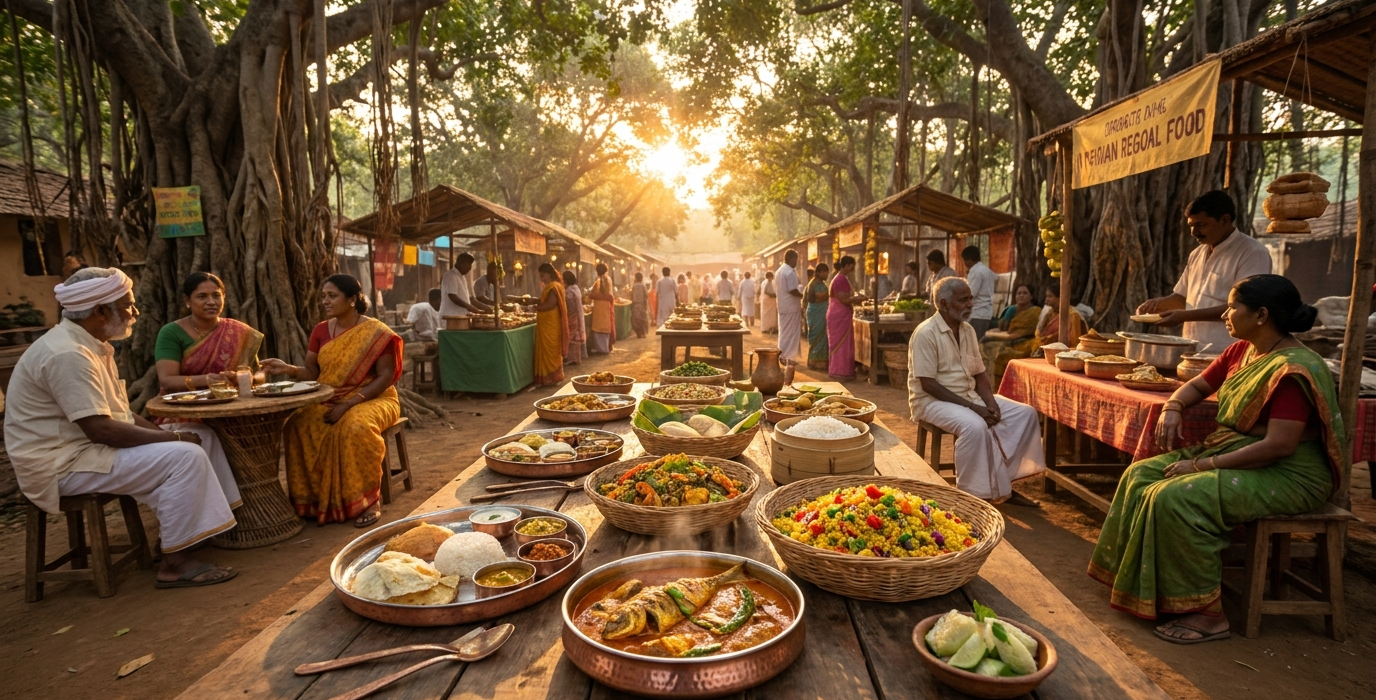
For decades, the narrative of Indian cuisine, both within India and internationally, often revolved around a select few heavily popularised dishes. Think of the ubiquitous butter chicken, the ever-present dal makhani, or the ubiquitous biryani. While these dishes undoubtedly hold a special place in our hearts and on our plates, a significant and exciting shift is underway. A culinary migration, if you will, is happening across the subcontinent, and it’s taking us far beyond the established culinary hubs of Delhi, Mumbai, and Bengaluru. We are witnessing a powerful resurgence of regional Indian cuisines, a movement that celebrates the staggering diversity of flavours, ingredients, and cooking techniques that have long been cherished in specific pockets of the country. This isn’t just about discovering new dishes; it’s about understanding the deep cultural roots, the historical influences, and the unique agricultural landscapes that have shaped these culinary traditions.
This awakening is fuelled by a growing curiosity among diners and a dedicated effort by chefs and food entrepreneurs to bring these often-overlooked flavours to the forefront. They are meticulously researching, documenting, and in many cases, reviving ancient recipes and forgotten ingredients. This initiative is not confined to the high-end restaurant scene; it’s permeating through food festivals, online platforms, and even home kitchens. The result is a richer, more nuanced understanding of what “Indian food” truly means. We’re moving from a generalised perception to a granular appreciation, one that acknowledges the distinct culinary identities of states like Odisha, Assam, Telangana, and Uttarakhand, among many others. This expansion of our culinary map is a testament to India’s incredible gastronomic heritage and its dynamic present.
Odisha’s Oceanic Delights and Earthy Staples
When you think of coastal Indian food, Goa or Kerala might immediately spring to mind. However, the eastern coastline of Odisha offers a distinct and equally captivating culinary experience. This region’s cuisine is deeply intertwined with the sea, boasting an impressive array of fish and seafood preparations. Dishes like ‘Machha Besara’ (fish in mustard gravy) and ‘Chingudi Malai’ (prawns in coconut milk) are testaments to their masterful use of fresh ingredients. The staple grains, primarily rice, are complemented by a variety of lentils and vegetables, often cooked with minimal spices to let the natural flavours shine through.
But Odisha’s culinary identity is not solely defined by its coastline. Inland, the focus shifts to hearty, earthy flavours. ‘Dalma’, a one-pot dish combining lentils, vegetables, and a tempering of ghee and spices, is a comforting and nutritious everyday meal. The use of local vegetables like ‘kandhamula’ (yam) and ‘kakharu’ (pumpkin) adds a unique texture and taste. A truly surprising fact about Odia cuisine is its historical connection to the Jagannath Temple in Puri. The ‘Mahaprasad’, the sacred food offered to Lord Jagannath, is prepared in a massive kitchen using traditional methods and is considered one of the largest vegetarian kitchens in the world, serving thousands daily. This tradition has preserved ancient cooking techniques and a specific way of preparing sattvic food.
The Subtle Spice of Telangana: A Culinary Frontier
Telangana, carved out as a distinct state in 2014, is rapidly emerging as a significant culinary destination. Its cuisine, historically influenced by the Deccan plateau and the Nizam’s rule, offers a unique blend of robust flavours and subtle spices. Unlike some of its more fiery neighbours, Telangan cuisine often balances heat with a tangy zest, derived from ingredients like tamarind and ‘gongura’ (sorrel leaves). The use of ‘jowar’ (sorghum) and ‘bajra’ (pearl millet) alongside rice highlights its agricultural roots and provides a heartier base to many meals.
A signature dish that embodies the spirit of Telangana is ‘Hyderabadi Haleem’ (though its origins are debated, its present-day popularity is undeniably linked to the region). However, beyond the well-known, Telangan cuisine boasts incredible depth. ‘Gongura Pappu’ (lentils cooked with sorrel leaves) is a tangy, flavourful dish that is a staple in most households. Another must-try is ‘Talapakaya’ (raw jackfruit) curry, which offers a unique texture and absorbs spices beautifully. A truly surprising fact is the prevalence of a specific type of chilli, the ‘Guntur Sannam’, which is renowned globally for its vibrant colour and moderate heat, forming the backbone of many spice blends in the region. The cuisine is also known for its use of ‘tigella’ (sesame seeds) and ‘palli gudalu’ (groundnut chutney), adding nutty depth to various preparations.
Assam’s Aromatic Alchemy: Fermentation and Forest Flavours
The northeastern state of Assam, nestled amidst lush greenery and mighty rivers, possesses a culinary tradition that is both ancient and incredibly distinct. Its cuisine is characterised by its liberal use of fresh herbs, bamboo shoots, and fermented ingredients, creating a symphony of aromas and tastes that are unlike anywhere else in India. The emphasis is on natural flavours, with minimal use of oil and complex spice masalas. Boiling, steaming, and smoking are the preferred cooking methods, preserving the nutritional value and delicate taste of the ingredients.
A quintessential Assamese dish is ‘Khar’, a unique preparation made from banana stem or peel, along with pulses or meat, and a special alkaline ingredient derived from sun-dried banana peel. Another staple is ‘Tenga’, a sour fish curry, where the tanginess comes from ingredients like ‘thekera’ (a local sour fruit) or tomatoes. The use of bamboo shoots, both fresh and fermented, is widespread, adding a distinctive crunch and earthy flavour to stir-fries and curries. A truly surprising and fascinating aspect of Assamese food is its deep reliance on ‘fermentation’. Beyond bamboo shoots, they ferment fish (‘shutki’) and even certain types of rice, creating potent flavour enhancers and preserving food for leaner times. This practice speaks volumes about their ingenuity and connection to their environment.
The Himalayan Hearth: Uttarakhand’s Wholesome Mountain Fare
Journeying north to the majestic Himalayas, we find the cuisine of Uttarakhand, a region celebrated for its simple yet profoundly satisfying mountain fare. This food is a reflection of the land and its people – hardy, wholesome, and deeply nourishing. The staple grains here are ‘mandua’ (finger millet) and ‘cheeni’ (buckwheat), alongside rice, providing sustenance in the challenging mountain terrain. The use of locally grown vegetables, lentils, and dairy products forms the cornerstone of their diet.
Dishes like ‘Gahat ki Dal’ (horse gram dal) are not just a source of protein but are also believed to have medicinal properties. ‘Kumaoni Raita’, made with curd and grated cucumber or bottle gourd, is a refreshing accompaniment. ‘Phanu’, a thick dal preparation cooked with a variety of lentils and spices, is a hearty and filling meal. The flavours are often earthy and aromatic, with liberal use of ingredients like ginger, garlic, and locally grown herbs. A surprising and often overlooked fact about Uttarakhandi cuisine is the traditional use of a specific type of fermented soybean called ‘Badi’. These sun-dried lentil dumplings are fried and added to curries and vegetable dishes, imparting a unique umami flavour and thickening the gravy.
The Artisanal Turn: Bringing Regional Flavours Home
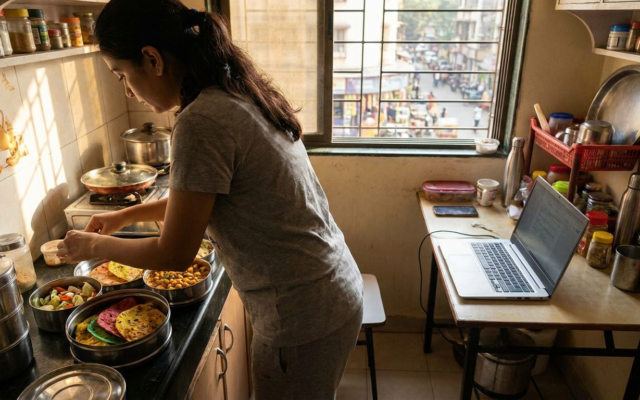
This surge in appreciation for regional Indian cuisines isn’t just happening in restaurants; it’s profoundly impacting how we cook and eat at home. Many of us are now actively seeking out the authentic flavours we’ve encountered, whether through travel or media. This has led to a demand for ingredients that were once confined to local markets. Online grocery platforms are now stocking a wider array of regional staples, from specific lentil varieties and flours to unique spices and pickles.
The rise of social media has been instrumental in this home-grown culinary revolution. Food bloggers, influencers, and home cooks are enthusiastically sharing recipes and techniques from various states, making them accessible to a wider audience. This democratisation of culinary knowledge is empowering people to experiment with new dishes and ingredients in their own kitchens. The process of learning to cook ‘Ras Purnima’ from the hills of Himachal or mastering the art of making ‘Aloo Pitika’ from Assam is becoming a rewarding personal journey. This shift represents more than just trying new recipes; it’s about connecting with the diverse cultural tapestry of India through its food.
| Cuisine Focus | Key Ingredients | Signature Dish Example | Traditional Cooking Method |
| :—————- | :————————————————– | :—————————- | :————————- |
| Odia (Odisha) | Mustard oil, mustard seeds, fish, rice, lentils | Machha Besara | Simmering, tempering |
| Telangan | Gongura leaves, tamarind, jowar, peanuts, chillies | Gongura Pappu | Boiling, tempering |
| Assamese | Bamboo shoots, herbs, fermented fish, alkaline salts | Khar, Tenga | Boiling, steaming, smoking |
| Uttarakhandi | Finger millet, buckwheat, horse gram, soybeans, ghee | Gahat ki Dal, Phanu | Boiling, stewing |
“The true essence of Indian cuisine lies not in its uniformity, but in its magnificent, vibrant, and often surprising diversity. Embracing regional flavours is akin to rediscovering India itself, one plate at a time.”
Frequently Asked Questions
What are some easily accessible regional Indian dishes for beginners?
For those new to exploring regional Indian cuisines, start with dishes that use familiar ingredients but offer a distinct flavour profile. Examples include Odia’s Machha Besara (fish in mustard gravy), Telangan’s Gongura Pappu (lentils with sorrel leaves), or a simple Assamese Khar made with easily available vegetables. Many online platforms now offer simplified recipes for these dishes.
Where can I find authentic regional Indian ingredients if I don’t live near a specific state?
Several online grocery stores specialising in Indian foods now ship across India and internationally. Look for platforms that clearly label ingredients by region. Additionally, larger Indian supermarkets in metro cities are increasingly stocking a wider variety of regional staples, from specific flours and pulses to unique spice blends.
How can I start learning more about the history and culture behind these regional cuisines?
Beyond recipes, delve into food documentaries, cookbooks focusing on specific regions, and the websites of culinary historians or anthropologists. Many chefs championing these cuisines also share their knowledge through interviews and articles. Engaging with online food communities dedicated to regional Indian food can also provide valuable insights and connect you with enthusiasts.
Are these regional cuisines generally healthier than the more popular Indian dishes?
Many regional cuisines, particularly those from the Northeast and the Himalayas, tend to be healthier due to their emphasis on steaming, boiling, and minimal use of oil and heavy spices. They often incorporate a wider variety of locally grown vegetables, millets, and fermented foods, which are rich in nutrients and fibre. However, healthy eating ultimately depends on preparation methods and portion sizes across all cuisines.