Key Takeaways
- India’s coastal communities are leading a sustainable seafood movement, prioritising responsible fishing and aquaculture practices.
- Consumers can now enjoy a wider variety of delicious, ethically sourced seafood, from traditional Kerala fish curries to new wave ceviches in Goa.
- Understanding seafood seasonality and supporting local, certified providers are crucial steps for conscious diners.
- Beyond taste, choosing sustainable seafood contributes to ocean health, biodiversity, and the livelihoods of fishing communities.
The Tide is Turning: India’s Sustainable Seafood Renaissance
The scent of spices, the tang of the sea, and the promise of a deeply satisfying meal – this is the allure of Indian seafood. For generations, our coastlines have been the larder for vibrant culinary traditions, from the fiery vindaloos of Goa to the delicate meen pollichathu of Kerala. But as we navigate the complexities of a changing planet, the way we source and consume our beloved seafood is undergoing a profound transformation. This isn’t just about flavour; it’s about a conscious shift towards a future where our ocean’s bounty can be enjoyed for generations to come.
Across India’s vast coastline, from the Arabian Sea to the Bay of Bengal, a quiet revolution is brewing. Fisherfolk, scientists, chefs, and everyday consumers are uniting with a shared vision: to protect our marine ecosystems while savouring the incredible diversity of our waters. This movement, driven by a growing awareness of overfishing, habitat destruction, and the importance of marine biodiversity, is reshaping menus and inspiring kitchens everywhere. You’ll find that embracing sustainable seafood doesn’t mean sacrificing taste; in fact, it often enhances it, bringing you closer to the source and the stories behind your plate.
This article delves into the heart of India’s sustainable seafood renaissance, exploring the innovative practices, the delicious outcomes, and how you can be a part of this vital culinary shift. We’ll uncover the efforts being made to ensure that the future of Indian seafood is as rich and abundant as its past, offering you not just recipes, but a deeper connection to our oceans and the communities that depend on them.
From Ocean to Plate: The Pillars of Sustainable Seafood
At its core, sustainable seafood is about ensuring that fish populations remain healthy and that marine ecosystems are not damaged by fishing or farming practices. This involves a multi-pronged approach, with several key pillars guiding the movement across India’s diverse coastal regions. One of the most critical aspects is responsible fishing, which means adhering to regulations that prevent overfishing and minimise bycatch – the unintentional capture of non-target species. Initiatives are underway to promote selective fishing gear, such as modified nets that allow smaller fish and non-target species to escape, thereby preserving juvenile populations and overall biodiversity.
Another vital component is habitat protection. Destructive fishing methods like bottom trawling can decimate coral reefs and seagrass beds, which are nurseries for many fish species. Sustainable practices focus on avoiding these methods and actively participating in marine protected area management. You’ll find communities in places like the Lakshadweep islands, renowned for their pristine coral ecosystems, taking proactive steps to safeguard these fragile environments, understanding that their livelihood is directly tied to the health of the reefs. This includes strict regulations on fishing grounds and types of gear allowed.
Furthermore, the rise of sustainable aquaculture is playing a significant role. While traditional, extensive aquaculture can sometimes lead to environmental issues, modern, well-managed farms are adopting practices that minimise pollution, disease outbreaks, and the use of antibiotics. This can include integrated multi-trophic aquaculture (IMTA) systems where different species are farmed together, creating a more balanced and less resource-intensive ecosystem. For instance, some oyster farms in the backwaters of Kerala are now integrating seaweed cultivation, which helps to absorb excess nutrients from the water, creating a symbiotic relationship that benefits both crops.
Spotlight on Responsible Fisheries: Case Studies from India’s Shores
India’s commitment to sustainable seafood is not just policy; it’s being actively implemented by dedicated individuals and communities. Take, for example, the efforts of the Marine Products Export Development Authority (MPEDA), which has been instrumental in promoting sustainable practices for export-oriented fisheries. They have worked with fishing communities to achieve certifications like the Marine Stewardship Council (MSC) for certain fish stocks, ensuring that these products meet rigorous global standards for environmental responsibility. This includes stringent monitoring of fishing effort and adherence to science-based catch limits.
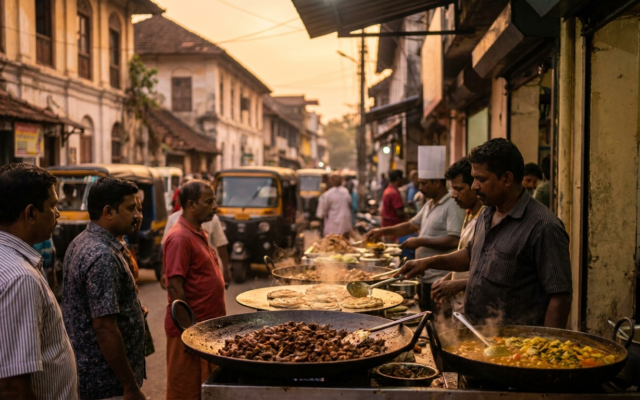
In the bustling fish markets of Mumbai, you’ll increasingly find vendors and consumers alike discussing the origin and fishing methods of the catch. There’s a growing demand for “line-caught” fish, which is often less impactful on the seabed and results in a higher quality product. Chefs in the city are also actively sourcing from fishermen who use traditional, sustainable methods, moving away from species that are known to be overfished or caught using destructive techniques. This conscious consumer choice is a powerful driver for change.
A truly inspiring story comes from the coastal villages near Pondicherry, where small-scale fisherfolk have banded together to form cooperatives. These cooperatives not only ensure fair prices for their catch but also implement community-led conservation measures. They monitor fishing grounds, advocate for seasonal fishing bans during breeding periods, and collectively invest in more selective fishing gear. One surprising fact is that these communities are often the first to adopt new technologies or practices recommended by marine biologists, understanding that innovation is key to their long-term survival. They’ve found that by working together and focusing on quality over quantity, they can sustain their livelihoods while protecting the very resources they depend on.
From Traditional Flavours to Modern Plates: Deliciously Sustainable Choices
The beauty of India’s sustainable seafood movement lies in its ability to enhance, rather than diminish, the culinary experience. For those who grew up with the comforting aroma of a home-style fish curry, the shift towards sustainable options often brings back the authentic taste of well-managed fish populations. Think of the succulent pomfret from the Konkan coast, or the firm, flaky seer fish often used in Goan preparations. When these are sourced responsibly, you’re not just enjoying a meal; you’re participating in a tradition that respects the ocean’s limits.
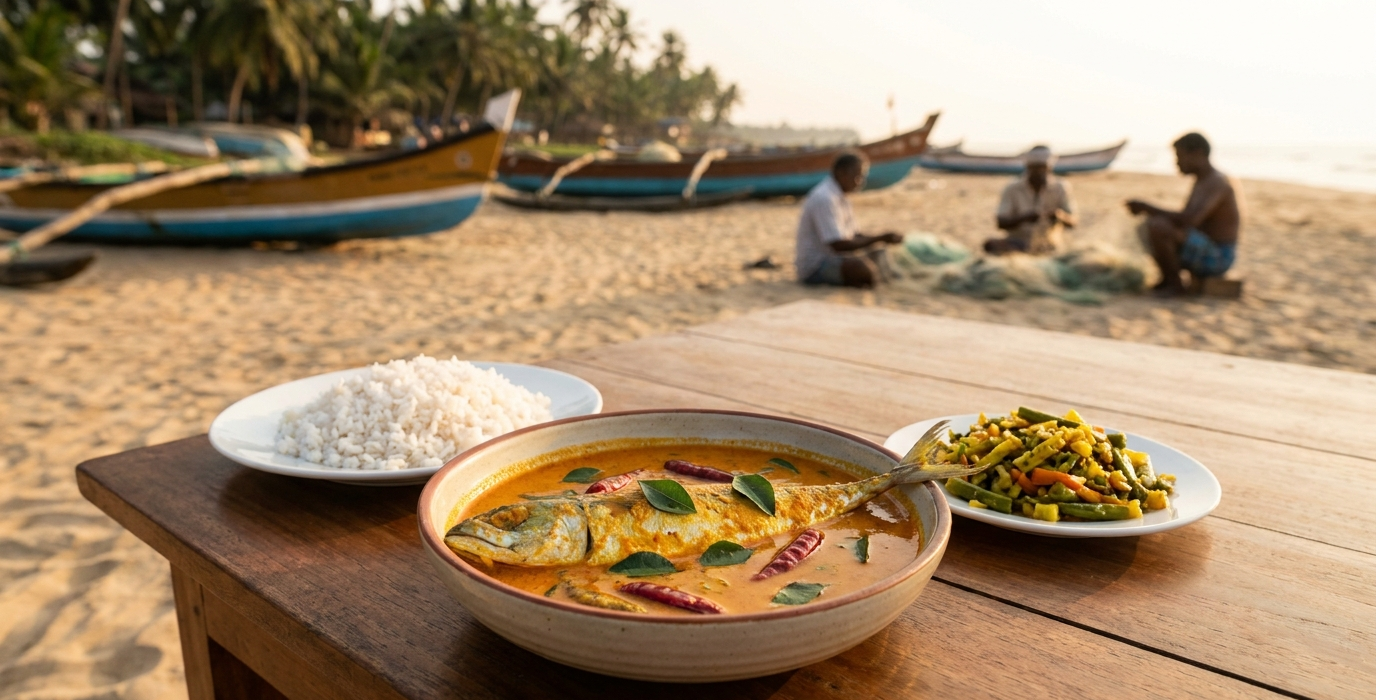
Chefs across India are now re-imagining traditional dishes with a sustainable lens. In Kochi, you might find a chef preparing a Meen Pollichathu not with a commonly overfished variety, but with a sustainably managed mackerel or a locally abundant sardine, offering a fresh, zesty twist. The focus shifts to showcasing the natural flavours of the fish, often complemented by the robust spices and coconut milk that are characteristic of South Indian cuisine. This approach highlights the diversity of edible species that might have been overlooked in the past.
Beyond traditional preparations, a new wave of culinary innovation is emerging. In Goa and Mumbai, you’ll find restaurants offering ceviches and tartares made with sustainably farmed barramundi or line-caught tuna. These dishes celebrate the freshness and texture of the seafood, requiring minimal cooking and allowing the quality of the primary ingredient to shine. This is a testament to how embracing sustainability can open up exciting new avenues for flavour and presentation, appealing to a modern palate that values both taste and ethical sourcing. You can also explore dishes featuring lesser-known but abundant species like the Indian squid or various types of shellfish, which are often highly sustainable when managed correctly.
| Seafood Type | Sustainable Sourcing Tip | Typical Indian Preparation | Why It’s Sustainable |
|---|---|---|---|
| Indian Mackerel | Look for locally caught, abundant stocks. | Curried (e.g., Kerala style), fried, or grilled. | Fast-growing, short lifespan, generally not overfished. |
| Indian Squid | Prefer smaller, younger specimens; line-caught if possible. | Fried (calamari rings), curried in gravies, stuffed. | Abundant, reproduces quickly, minimal bycatch with good gear. |
| Barramundi (Asian Sea Bass) | Choose sustainably farmed varieties; ask about farm practices. | Pan-seared, baked, used in biryanis or curries. | Well-managed aquaculture reduces pressure on wild stocks. |
| Sardines | Widely available, often a bycatch of other fisheries; check local availability. | Fried, baked, grilled, or incorporated into chutneys. | Highly abundant, fast reproduction rate, low trophic level. |
| Pomfret | Seek out line-caught or net-caught from well-managed fisheries. | Pan-fried, grilled, steamed in banana leaves (e.g., in Maharashtra). | Can be vulnerable to overfishing; responsible sourcing is key. |
The Consumer’s Role: Making Informed Choices for a Healthier Ocean
As consumers, we hold significant power in driving the sustainable seafood movement forward. Every purchase we make is a vote for the kind of food system we want to support. The most impactful step you can take is to educate yourself about what you’re eating. This means understanding which species are abundant and healthy, and which are at risk due to overfishing or destructive practices. Resources like seafood guides, often developed by marine conservation organisations, can provide up-to-date information tailored to regional availability.
Ask questions at your local market or restaurant. Don’t hesitate to inquire about the origin of the seafood, how it was caught, and whether it’s in season. A reputable vendor or chef will be happy to share this information. If they can’t, it might be a sign to seek out establishments that are more transparent about their sourcing. For example, asking if a particular fish was “line-caught” or if it comes from a “certified sustainable fishery” are good starting points.
Furthermore, supporting local and seasonal seafood is a cornerstone of sustainability. Just as with vegetables, fish have breeding seasons and optimal times for harvesting. Eating local seafood reduces the carbon footprint associated with transportation and supports the livelihoods of your regional fishing communities. You might discover delicious, underutilised species that are abundant in your local waters. Consider the rich variety of shellfish, like mussels and oysters, which are often farmed sustainably and have a low environmental impact, acting as natural water purifiers.
“The future of our oceans isn’t just in the hands of policymakers or fishermen; it’s also in the choices we make at our dinner tables. Every sustainable bite is a step towards a healthier planet.”
The Future is Fdependent: Protecting India’s Marine Heritage
The journey towards a fully sustainable seafood sector in India is ongoing, but the progress made in recent years is incredibly promising. The integration of traditional ecological knowledge with modern scientific approaches is proving to be a powerful combination. Communities that have relied on the ocean for centuries are finding new ways to adapt and thrive, ensuring that their heritage is preserved for future generations. This collaborative spirit is essential for tackling the complex challenges of marine conservation.
Looking ahead, we can anticipate further advancements in traceability and certification schemes. Technologies like blockchain are being explored to provide consumers with complete transparency about the journey of their seafood from net to plate. This will empower you to make even more informed decisions and hold suppliers accountable. Moreover, continued investment in marine research and conservation efforts will be crucial for identifying and protecting vulnerable species and ecosystems.
Ultimately, the sustainable seafood movement in India is more than just a trend; it’s a fundamental shift in how we perceive and interact with our marine resources. It’s about recognising the intrinsic value of our oceans and the vital role they play in our planet’s health and our own well-being. By embracing these principles, we can ensure that the vibrant flavours and rich culinary traditions of India’s coasts continue to flourish for many years to come, offering a sustainable and delicious future for all. One surprising aspect of this future is the potential for innovative aquaculture of species like seaweed and certain types of farmed fish, which can actively contribute to ecosystem restoration and carbon sequestration.
Frequently Asked Questions
What does “sustainable seafood” actually mean in the Indian context?
In India, sustainable seafood refers to fish and shellfish harvested or farmed using methods that ensure the long-term health and productivity of fish populations and marine ecosystems. This includes avoiding overfishing, protecting marine habitats, and minimising bycatch and pollution from aquaculture.
How can I tell if the seafood I’m buying is sustainable?
Look for certifications like the Marine Stewardship Council (MSC) or Aquaculture Stewardship Council (ASC) if available. More practically, ask your fishmonger or restaurant about the origin of the seafood, how it was caught (e.g., line-caught, net-caught), and if it’s in season. Supporting local and seasonal catches is generally a good indicator.
Are there specific Indian seafood species that are always sustainable?
No single species is *always* sustainable, as populations can fluctuate and fishing methods vary. However, species like sardines, mackerel, and Indian squid are often abundant and fast-reproducing, making them generally more sustainable choices when caught responsibly. It’s always best to check local availability and recommended practices.
What’s the role of government and NGOs in this movement?
Government bodies like MPEDA set regulations and promote standards, while NGOs often conduct research, raise awareness, and work directly with fishing communities to implement sustainable practices and conservation measures.