Paneer is often unfairly maligned as a heavy, indulgent ingredient, yet it remains one of the most accessible and versatile plant-based protein sources for the Indian household. When prepared with mindfulness, this humble curd cheese can become the cornerstone of your weight loss journey.
Key Takeaways
- Paneer is a complete protein, containing all nine essential amino acids necessary for muscle repair and metabolic health.
- Strategic preparation methods like grilling, steaming, or using minimal oil can reduce calorie density by up to 40% compared to traditional butter-based gravies.
- Pairing paneer with high-fiber vegetables is essential to manage glycemic response and ensure prolonged satiety.
- Understanding portion control is critical, as paneer is calorie-dense due to its natural fat content.
Understanding the Nutritional Profile of Paneer
Many dieters avoid paneer, fearing its fat content, but nutritionists suggest that the quality of protein it provides is worth the trade-off. A typical 100-gram serving of store-bought paneer provides approximately 18 grams of protein, making it an excellent post-workout fuel for vegetarians. According to the Food Safety and Standards Authority of India, paneer must contain at least 50% milk fat in dry matter, which explains its rich texture and energy density.
The secret to integrating paneer into a weight loss diet isn’t avoiding it, but rather controlling the preparation medium. Instead of deep-frying cubes or soaking them in heavy cream, opt for methods that preserve the protein while stripping away excess calories. If you are managing your weight, aim for 50 to 75 grams of paneer per meal. This portion size provides a significant protein boost without pushing your daily caloric intake over the edge.
It is also worth noting that paneer is a source of conjugated linoleic acid, which some studies suggest may assist in fat metabolism. However, this only works if the rest of your diet remains balanced and calorie-controlled. By treating paneer as a protein anchor rather than a side dish, you shift your entire meal composition toward better satiety. This simple mental shift helps prevent the mid-afternoon snacking that often derails weight loss plans.
The Art of Low-Calorie Paneer Preparation
The most effective way to cut calories from paneer dishes is to eliminate the traditional “fry-and-soak” technique. When you fry paneer, the cheese acts like a sponge, absorbing significant amounts of oil. Instead, try marinating your paneer in thick, hung curd mixed with spices like Kashmiri red chili powder, turmeric, and dry mango powder (amchur). Using a non-stick pan with a light mist of avocado or mustard oil allows you to achieve a golden-brown crust without the excess fat.
Steaming and Grilling Techniques
Steaming paneer is an underrated technique that keeps the cheese incredibly soft while avoiding all added fats. You can steam paneer cubes with a light dusting of chaat masala and fresh coriander for a quick, zero-oil snack. Alternatively, grilling paneer in an air fryer at 180 degrees Celsius for 10 minutes creates a satisfying texture that mimics the mouthfeel of fried paneer.
One surprising fact is that paneer is a “slow-digesting” protein, similar to casein. Because it stays in your digestive tract longer than whey, it provides a sustained release of amino acids to your muscles. This makes it an ideal dinner option, as it helps suppress nighttime hunger pangs. By swapping heavy cream gravies for pureed tomato and spinach bases, you can reduce the caloric load of a paneer dish by nearly half.
Comparing Traditional vs. Health-Conscious Paneer Options
When shopping, you might feel overwhelmed by the variety of paneer products on the market. From “low-fat” variants to organic, homemade versions, the options are many. It is essential to look at the label rather than just the marketing claims. Always check the nutrition label on the official Amul product page to understand the exact fat-to-protein ratio in the brand you choose.
| Dish Type | Cooking Method | Estimated Calories (per 100g) | Weight Loss Suitability |
|---|---|---|---|
| Paneer Butter Masala | Fried, heavy cream base | 350-400 kcal | Low |
| Paneer Tikka | Grilled, yogurt marinade | 180-210 kcal | High |
| Palak Paneer | Boiled/steamed spinach base | 150-180 kcal | High |
| Paneer Bhurji | Sautéed with minimal oil | 220-250 kcal | Medium |
As shown in the table, the cooking method is the primary driver of caloric density. By choosing recipes that emphasize fresh vegetables and lean marinations, you can enjoy paneer daily. If you are preparing paneer at home, using skimmed milk to make your own cheese is a fantastic way to lower the fat content even further. This practice gives you full control over the ingredients, ensuring no stabilizers or additives end up in your food.
Paneer and Vegetable Combinations for Satiety
Pairing paneer with high-fiber vegetables is not just about flavor; it is a metabolic necessity. The fiber in vegetables like broccoli, spinach, and cauliflower slows down the absorption of glucose into the bloodstream. This prevents the insulin spikes that are often associated with weight gain. When you eat paneer, combine it with at least two servings of fibrous greens to maximize your satiety levels.
Nutrient-Dense Pairings
Consider a stir-fry featuring bell peppers, zucchini, and paneer. The crunch of the vegetables complements the soft texture of the cheese, making the meal feel more substantial. Another excellent combination is paneer with kale or methi (fenugreek leaves). Fenugreek, in particular, is known for its ability to regulate blood sugar levels, making it a powerful ally in your weight loss journey.
Did you know that India is the world’s largest producer of milk? This abundance means that fresh paneer is available in almost every corner of the country, from high-end supermarkets in Bengaluru to local dairies in the lanes of Delhi. Because the product is so fresh, it is often more nutrient-dense than mass-produced, long-shelf-life alternatives found in other parts of the world. Always prioritize fresh, locally sourced paneer when possible to avoid unnecessary preservatives.
Managing Portion Sizes and Frequency
Consistency is more important than perfection. You do not need to eliminate paneer from your diet to lose weight; you simply need to make it a guest on your plate, not the main occupant. A standard serving should be roughly the size of a deck of cards. When you treat paneer as a garnish or a protein add-on for your salads and soups, it becomes much easier to maintain your calorie deficit.
Strategic Timing for Consumption
For those working out regularly, eating paneer in the evening can be beneficial for muscle recovery during sleep. Because paneer is rich in calcium, it supports bone health—a crucial factor often overlooked during rapid weight loss. However, avoid consuming heavy paneer dishes within two hours of sleep to ensure your digestion remains optimal.
If you find yourself plateauing, try alternating paneer days with days focused on lentils or legumes. This rotation ensures you receive a diverse range of micronutrients while keeping your palate interested. Remember, the goal is to create a lifestyle that is sustainable for the long term, not a restrictive diet that you will abandon after a month.
Integrating Paneer into Your Long-Term Wellness Plan
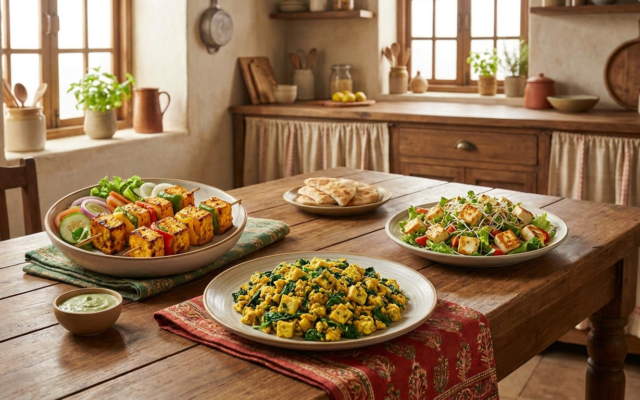
Long-term weight loss is rarely about what you cut out, but rather what you choose to include. By incorporating paneer in healthy, creative ways, you build a diet that feels abundant rather than deprived. Whether you are adding crumbled paneer to a sprout salad or skewering it with onions and tomatoes for a quick snack, the key is to keep the preparation simple.
As you progress, monitor how your body responds to different preparations. Some people feel more energetic with a paneer-based breakfast, while others prefer it as a light dinner. Listen to your body and adjust your portions accordingly. With the right approach, paneer ceases to be a guilty pleasure and becomes a reliable, muscle-building staple that fuels your active lifestyle.
Frequently Asked Questions
Is raw paneer better for weight loss than cooked paneer?
Eating raw paneer is perfectly safe and often lower in calories because it requires no added oil or butter. However, cooking it with fiber-rich vegetables can improve the overall nutritional profile of your meal by balancing the macros.
Can I eat paneer every day if I am trying to lose weight?
Yes, you can include paneer in your daily diet provided you keep the portion size to about 50-75 grams. The National Institute of Nutrition emphasizes that variety is key to a balanced diet, so ensure you pair it with various vegetables and whole grains.
Does paneer cause bloating for some people?
Some individuals may experience bloating due to the lactose content in paneer. If you find yourself feeling uncomfortable, try switching to a lactose-free variety or limiting your intake to see if symptoms subside.
What is the healthiest way to cook paneer?
The healthiest methods are steaming, grilling, or air-frying. These techniques avoid the high-calorie fat absorption associated with deep-frying or rich, cream-based gravies.