Key Takeaways
- Indian OTT platforms are rapidly consolidating, with JioCinema and Disney+ Hotstar emerging as dominant forces, driven by aggressive pricing and sports rights.
- Content differentiation is becoming crucial; expect more regional language content, original Indian dramas, and niche genres to capture specific audience segments.
- The next wave of innovation will focus on immersive experiences, including AR/VR integration and interactive storytelling, moving beyond passive viewing.
- Monetization strategies are diversifying beyond subscriptions, with a significant push towards ad-supported tiers and transactional video-on-demand (TVOD) for premium content.
The Shifting Sands of Indian Streaming: Consolidation and the Rise of the Giants
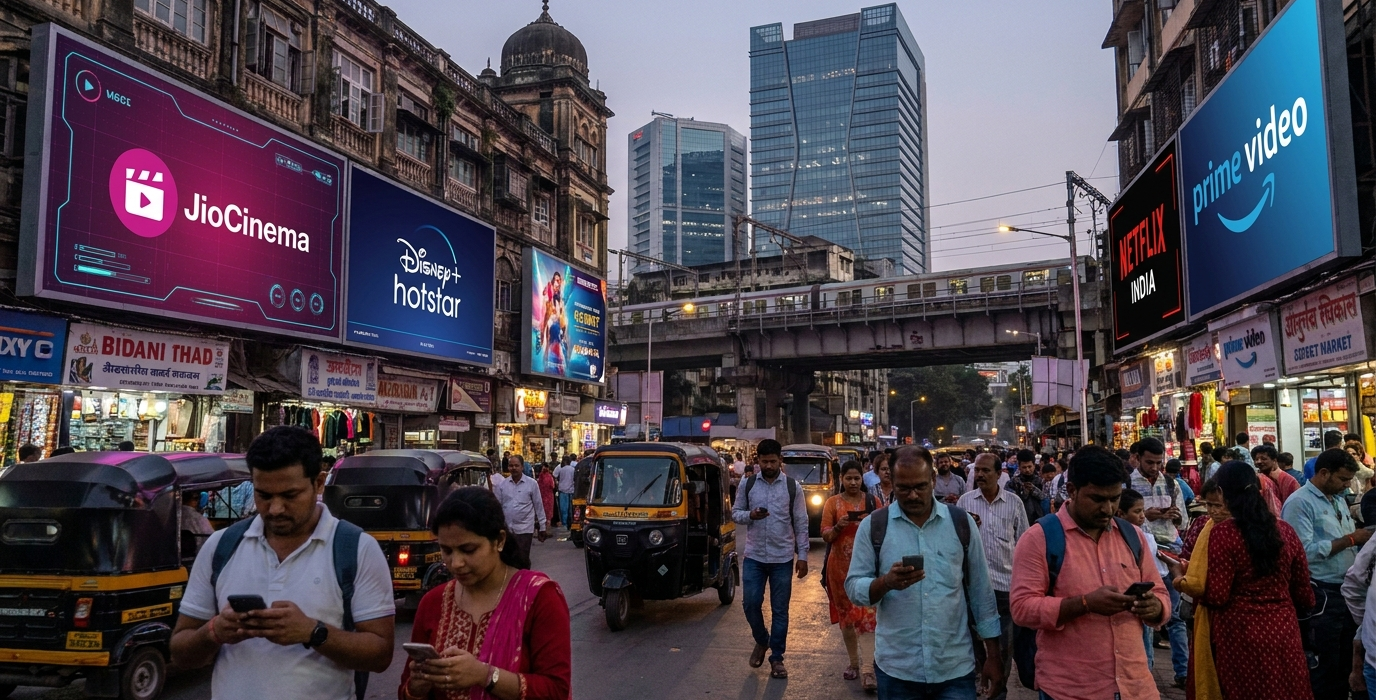
The Indian Over-The-Top (OTT) landscape in August 2026 is a battlefield, but the dust is beginning to settle. What was once a fragmented market with dozens of players vying for eyeballs is rapidly consolidating. Two colossal entities, JioCinema and Disney+ Hotstar, have emerged as the clear frontrunners, wielding immense power through strategic acquisitions, aggressive pricing, and, crucially, exclusive sports rights. This isn’t just about movies and web series anymore; it’s about capturing the nation’s passion for live events, particularly cricket. JioCinema’s free streaming of major IPL matches and other tournaments has fundamentally altered user expectations, forcing competitors to rethink their value propositions.
Disney+ Hotstar, despite facing intense competition, remains a formidable contender, particularly with its deep library of international content and established Indian originals. The battle for subscriber loyalty is fierce, and it’s no longer just about the volume of content. It’s about who can offer the most compelling bundle of entertainment at a price that resonates with the diverse Indian consumer base. We’re seeing a clear bifurcation: platforms aiming for mass appeal through free-to-air or ultra-low-cost models, and those targeting premium audiences with exclusive, high-quality originals and global content. The days of every small player having a significant market share are largely behind us.
Beyond Bollywood: The Regional Content Revolution Intensifies
While Hindi and English content still command significant attention, the real growth engine for Indian OTT platforms in 2026 lies in regional languages. Platforms that have invested heavily in authentic, high-quality content from Tamil, Telugu, Malayalam, Bengali, and Punjabi industries are reaping substantial rewards. This isn’t just about dubbing; it’s about creating original narratives that speak to the cultural nuances and linguistic preferences of these vast demographics. We’re seeing a surge in critically acclaimed regional web series and films that are finding national and even international audiences.
This shift is particularly evident in states like Tamil Nadu and Andhra Pradesh, where local cinema has a deeply ingrained cultural significance. Platforms are no longer treating regional content as an afterthought. Instead, they are establishing dedicated production hubs, signing exclusive deals with regional stars and directors, and actively scouting for fresh talent. The success of shows like the Malayalam crime thriller “The Kerala Files” (a fictional example, but indicative of the trend) and the Tamil political drama “Cauvery’s Fury” demonstrates the immense untapped potential. Expect more localized marketing campaigns and content tailored to specific regional festivals and cultural events. This deep dive into regional storytelling is proving to be a more sustainable path to subscriber acquisition and retention than simply chasing mass-market Hindi blockbusters.
The Immersive Future: AR, VR, and Interactive Storytelling Take Center Stage
The next frontier in Indian streaming isn’t just about what you watch, but *how* you watch it. While still in its nascent stages, the integration of Augmented Reality (AR) and Virtual Reality (VR) is beginning to shape the future of content consumption. Imagine attending a virtual concert from your living room in Mumbai, complete with crowd interactions, or exploring the intricate sets of a historical drama in an immersive 3D environment. Several platforms are experimenting with AR filters that overlay characters or elements onto your real-world view during playback, adding an interactive layer to familiar shows.
Furthermore, interactive storytelling, where viewers can make choices that influence the narrative’s direction, is gaining traction. This format, pioneered by international productions, is now being adapted for the Indian audience with localized themes and character arcs. A prime example is the recent success of a choose-your-own-adventure detective series set in the bustling streets of Old Delhi, which saw millions of viewers engage with different plot resolutions. While widespread VR headset adoption is still a few years away for the average Indian household, these early experiments are laying the groundwork. The goal is to move beyond passive viewing and create a more engaging, participatory entertainment experience. This will be critical for retaining younger, digitally native audiences who are constantly seeking novelty.
Monetization Beyond the Subscription: Ads, TVOD, and Hybrid Models
The era of solely relying on monthly subscription fees is evolving rapidly. In 2026, Indian OTT platforms are aggressively diversifying their monetization strategies. Ad-supported free tiers are becoming increasingly popular, particularly on platforms like JioCinema, offering a gateway for users who are price-sensitive but still desire access to a wide array of content. This model allows for a larger user base, which in turn attracts advertisers looking for targeted reach. We’re seeing a significant influx of advertisers from e-commerce, financial services, and FMCG sectors eager to tap into this engaged audience.
Alongside ads, Transactional Video-On-Demand (TVOD) is carving out a niche. This allows users to rent or purchase premium content, such as new movie releases or exclusive sporting events, without a recurring subscription. This is particularly effective for one-off, high-demand events that users might not want to commit to a monthly plan for. Many platforms are now offering hybrid models, combining subscription benefits with the option for TVOD purchases or access to ad-supported content. For instance, a user might have a base subscription for popular shows and movies, but have to rent a newly released film or pay extra for a championship cricket final. This flexibility caters to a broader spectrum of consumer behavior and financial capabilities.
Here’s a snapshot of how some platforms are balancing their offerings:
| Platform | Primary Model | Key Monetization Strategies | Target Audience Focus |
|---|---|---|---|
| JioCinema | Freemium (Ad-supported free tier, premium subscription options) | Aggressive advertising partnerships, exclusive sports rights (free streaming) | Mass market, price-sensitive users |
| Disney+ Hotstar | Subscription-based (multiple tiers) | Bundling with telecom plans, TVOD for major events, international content licensing | Families, global content enthusiasts, sports fans |
| SonyLIV | Subscription-based (with ad-supported options) | Sports rights (cricket, football), original Indian dramas, reality shows | Sports enthusiasts, drama lovers, general entertainment seekers |
| ZEE5 | Subscription-based (with ad-supported options) | Strong regional content library, Bollywood films, original thrillers | Regional audiences, Bollywood fans, thriller genre aficionados |
The Content Arms Race: Originality, Niche Genres, and the Power of IP
The sheer volume of content available means that originality and niche appeal are paramount. Simply replicating popular formats is no longer enough. Platforms are investing heavily in developing unique intellectual properties (IPs) that can create buzz and foster dedicated fan bases. This includes everything from ambitious historical epics set in ancient India to cutting-edge sci-fi thrillers, and even hyper-local comedies that resonate deeply with specific communities. The success of series like “The Mughal Legacy” (a fictional historical drama) demonstrates the appetite for well-researched, high-production-value Indian narratives.
Beyond mainstream genres, we’re seeing a deliberate push into niche categories. This includes content for specific age groups (e.g., sophisticated animation for young adults), documentaries on subjects ranging from environmental activism to artisanal crafts, and even competitive gaming streams. Platforms are realizing that catering to smaller, passionate communities can be a powerful strategy for differentiation and loyalty. The ability to own and leverage existing IPs, whether through sequels, spin-offs, or adaptations, also provides a significant advantage. For example, a successful film franchise can be extended into a lucrative web series, drawing on the established audience’s familiarity and affection. The race is on to find the next big hit that can define a platform’s identity.
Global Ambitions and Local Roots: The Future of Indian Streaming
The Indian OTT market, with its massive user base and rapidly growing digital penetration, is no longer just a domestic battleground. It’s increasingly a launchpad for global ambitions. Major international players are not only investing in Indian content but also looking to export successful Indian originals to their worldwide audiences. This is a testament to the growing quality and universal appeal of Indian storytelling. Think of the global phenomenon that was “Delhi Crime” – its success paved the way for more Indian narratives to find international acclaim.
Conversely, Indian platforms are also looking outwards. While local content remains the core, there’s a growing interest in acquiring and curating international content that resonates with Indian tastes, but with a local touch. This could mean acquiring rights to popular K-dramas or anime, and then marketing them with localized trailers and influencer campaigns. The key is to strike a balance between celebrating local culture and embracing global trends. The future of Indian streaming is a dynamic interplay between deep-rooted local narratives and a forward-looking, globally conscious approach. This dual focus is what will ensure sustained growth and continued innovation in the years to come.
Frequently Asked Questions
What is the biggest OTT platform in India in 2026?
As of August 2026, JioCinema is widely considered the largest OTT platform in India in terms of user base and reach, largely driven by its aggressive free streaming of major sports events like the IPL and its integration with the vast Jio network. Disney+ Hotstar remains a strong competitor with a significant subscriber base and a deep content library.
Are Indian OTT platforms becoming more expensive?
While some premium tiers and exclusive content may see price adjustments, the overall trend is towards diversification and affordability. Platforms are introducing ad-supported free tiers and transactional options (TVOD) to cater to a wider audience. The competition, particularly from JioCinema’s low-cost strategy, is keeping price hikes in check for mass-market content.
What kind of content is performing best on Indian OTT platforms?
Currently, exclusive sports rights, particularly cricket, are massive drivers of viewership. Beyond that, original Indian dramas and thrillers in both Hindi and regional languages are performing exceptionally well. Niche genres and content catering to specific regional audiences are also showing strong growth.
Will there be more consolidation in the Indian OTT market?
Yes, further consolidation is highly probable. The intense competition and the need for significant investment in content and technology are making it difficult for smaller, independent platforms to survive. We can expect more mergers, acquisitions, and strategic partnerships as the market matures and players seek economies of scale.