Key Takeaways
- Mumbai’s latest Metro expansion promises to significantly cut travel times, especially for those navigating the western suburbs and beyond.
- New stations offer improved connectivity to key business districts, educational hubs, and popular leisure spots, integrating seamlessly with existing transport networks.
- The expansion prioritizes passenger comfort and accessibility, featuring modern amenities and designs to enhance the commuter experience.
- Beyond convenience, the Metro’s growth is a catalyst for urban development, potentially boosting property values and local economies along its routes.
The Pulse of Progress: Mumbai’s Metro Arteries Expand
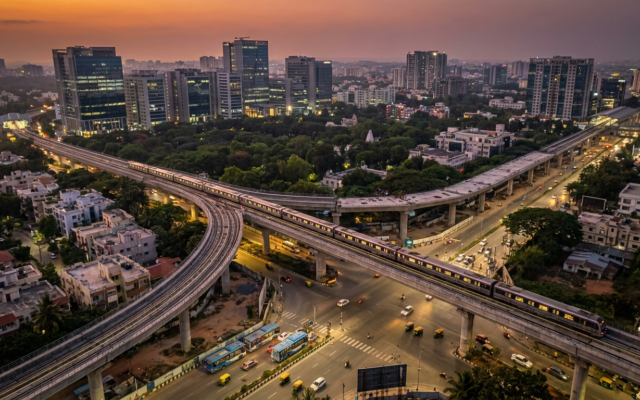
Mumbai, a city perpetually in motion, has just taken a monumental leap forward with the inauguration of its latest Metro line expansion. This isn’t just about new tracks and gleaming trains; it’s about redefining the very rhythm of daily life for millions. For too long, the city’s growth has been outpacing its infrastructure, leading to the infamous Mumbai traffic jams that test the patience of even the most seasoned commuter.
The new lines, particularly those serving the bustling western suburbs and extending towards the Thane district, are designed to alleviate this chronic congestion. Imagine shaving hours off your daily commute, transforming time spent stuck in traffic into precious moments for family, work, or personal pursuits. This expansion is more than just an infrastructure project; it’s a promise of a more efficient, less stressful Mumbai. We’re talking about a significant uplift in the quality of life, making the city more accessible and livable for everyone.
Connecting the Dots: New Hubs and Seamless Journeys
The strategic placement of new stations marks a significant enhancement in Mumbai’s urban mobility. These aren’t isolated points but integrated hubs designed to link previously disparate parts of the city. For residents in areas like Kandivali and Borivali, the journey to South Mumbai or Bandra’s commercial centres will be dramatically shorter and more predictable. Think of the ease of reaching your office in Nariman Point without the anxiety of unpredictable traffic.
Beyond business, these new lines unlock access to crucial educational institutions and vibrant entertainment zones. Students can now reach their colleges in Andheri or Malad with newfound ease, and families can plan weekend outings to places like Juhu Beach or the Sanjay Gandhi National Park without dreading the commute. The integration with existing bus networks and local train services means that this Metro expansion is part of a larger, cohesive transport ecosystem. It’s about creating a seamless travel experience, where your journey from doorstep to destination is fluid and efficient.
A New Era of Comfort and Accessibility
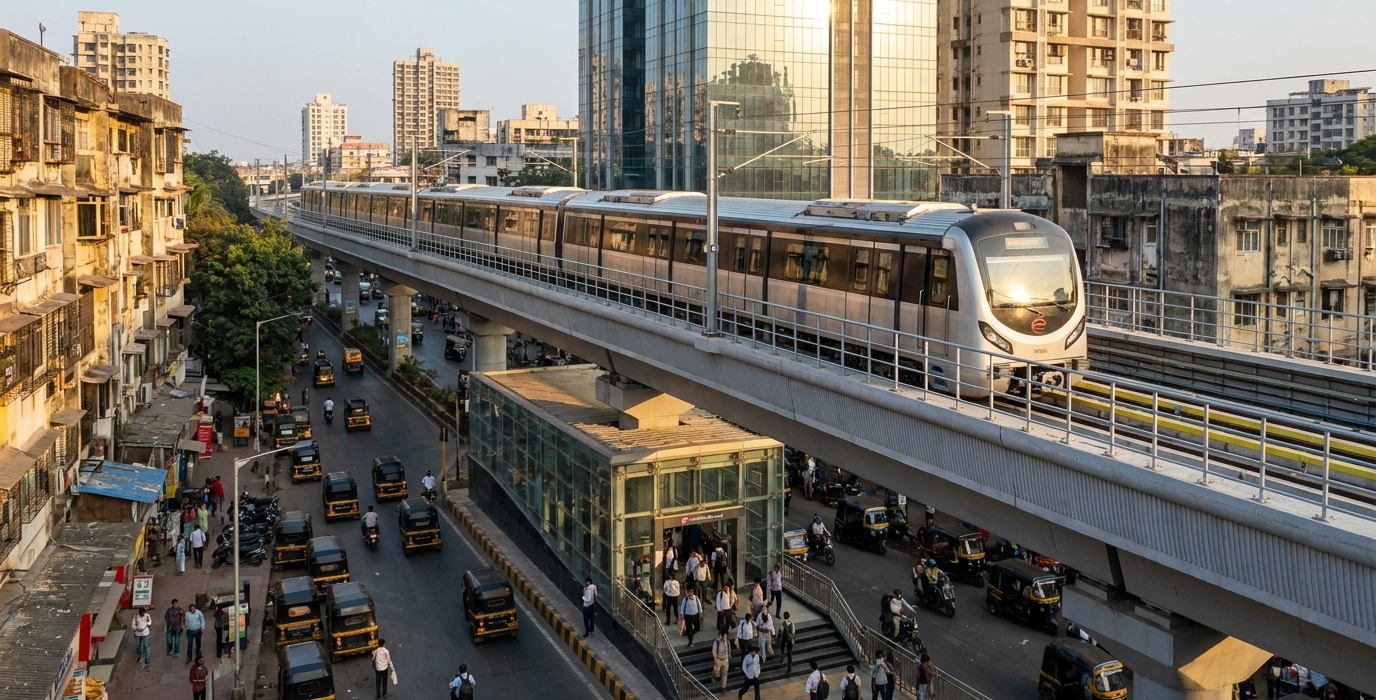
Stepping onto the new Metro coaches is an experience in itself. Gone are the days of cramped, overcrowded compartments. The designers have clearly prioritized passenger comfort and modern amenities. Wide aisles, ample legroom, and efficient air conditioning create a more pleasant environment, even during peak hours. For us Mumbaikars who are accustomed to a certain level of commuting chaos, this upgrade is a breath of fresh air.
Accessibility has also been a key focus. The stations are equipped with escalators and elevators, ensuring ease of movement for senior citizens, parents with strollers, and individuals with disabilities. Tactile paving and clear signage further enhance the user experience, making the Metro truly inclusive. We’re witnessing a commitment to making public transport not just functional, but genuinely comfortable and accessible for every resident of Mumbai. This thoughtful design ensures that the Metro serves the entire spectrum of the city’s diverse population.
Beyond Commutes: Urban Development and Economic Ripples
The impact of this Metro expansion extends far beyond the daily commute. Historically, areas that gain reliable public transport connections often experience significant urban development and economic uplift. The new Metro corridors are poised to become catalysts for growth, attracting new businesses and residential projects. Areas that were once considered peripheral are now becoming prime locations, thanks to their improved connectivity.
Property values in neighbourhoods adjacent to the new stations are already showing signs of appreciation. This trend is likely to continue as more people choose to live closer to the Metro lines, seeking to reduce their travel times. Local businesses, from small eateries to retail outlets, will also benefit from increased footfall and accessibility. The Metro is not just moving people; it’s stimulating economic activity and creating new opportunities across the city. It’s a clear indicator of Mumbai’s continuous evolution as a global metropolis.
Surprising Facts and Future Projections
Did you know that some of the new Metro stations incorporate rainwater harvesting systems and solar panels? This commitment to sustainability is a subtle but crucial aspect of the expansion, reflecting a forward-thinking approach to urban development. It’s a reminder that progress doesn’t have to come at the planet’s expense. The efficiency gains are also remarkable; initial reports suggest that travel times along certain key routes have been slashed by up to 50%, a testament to the engineering prowess involved.
Looking ahead, the plans for further expansion are ambitious. The Mumbai Metropolitan Region Development Authority (MMRDA) has outlined a vision for an even more extensive Metro network by 2030, aiming to create a truly integrated city-wide system. This includes connecting the Metro to the Navi Mumbai International Airport and further extending its reach into the extended suburban areas. The goal is to make private vehicle ownership less of a necessity and more of a choice for Mumbaikars.
Navigating the New Network: A Practical Guide
For those unfamiliar with the new lines, navigating the expanded Metro network is straightforward. The ticketing system is largely automated, with options for single-journey tickets, reusable smart cards, and mobile app-based payments. We recommend investing in a Metro travel card for frequent use, as it offers discounted fares and faster entry through the gates. The frequency of trains on the new lines is impressive, typically ranging from 5 to 10 minutes during peak hours, ensuring you rarely have to wait long.
Each station features comprehensive route maps and information displays, both in English and Marathi, to assist passengers. Station staff are also readily available to provide guidance. Familiarize yourself with the colour-coding of the lines, a standard practice in most Metro systems globally, which helps in quickly identifying your intended route. The integration points with other transport modes are clearly signposted, guiding you towards bus stops or local train stations. Planning your journey using a navigation app that includes real-time Metro information will further streamline your travel.
Frequently Asked Questions
What are the main new routes added by the Mumbai Metro expansion?
The recent expansion primarily focuses on new lines connecting the western suburbs like Kandivali and Borivali to key business districts and extending further towards Thane. This significantly improves connectivity for a large segment of the city’s population.
How does the new Metro expansion impact existing local train services?
The Metro expansion aims to complement, not replace, local train services. New Metro stations are strategically located near existing local train stations to facilitate seamless transfers, offering commuters more travel options and reducing overcrowding on the suburban railways.
Are there any notable technological advancements in the new Metro coaches?
Yes, the new coaches feature advanced climate control systems, real-time passenger information displays showing upcoming stations and connection points, and improved security features including CCTV surveillance. Some lines also support Wi-Fi connectivity.
What is the fare structure for the new Metro lines?
Fares are distance-based, with options for single-journey tickets, rechargeable smart cards, and mobile ticketing. The fare structure is designed to be competitive with other modes of transport, and smart card users typically receive a slight discount.