Key Takeaways
- Bengaluru’s Namma Metro is set for significant expansion in 2026, with new lines promising to ease traffic congestion.
- Phase 2A and 2B of the metro, crucial for connectivity to the airport and eastern suburbs, are nearing completion and will integrate with existing routes.
- Expect enhanced last-mile connectivity through feeder buses, auto-rickshaw stands, and improved pedestrian pathways around metro stations.
- The expansion aims to bring the metro closer to residential areas, boosting property values and offering greener commuting options.
The City Awakens: Namma Metro’s Ambitious 2026 Horizon
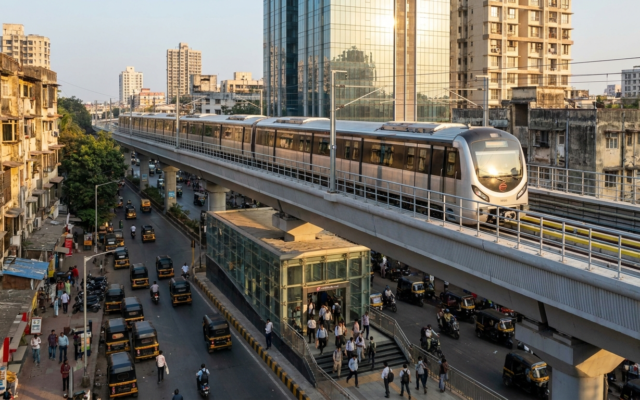
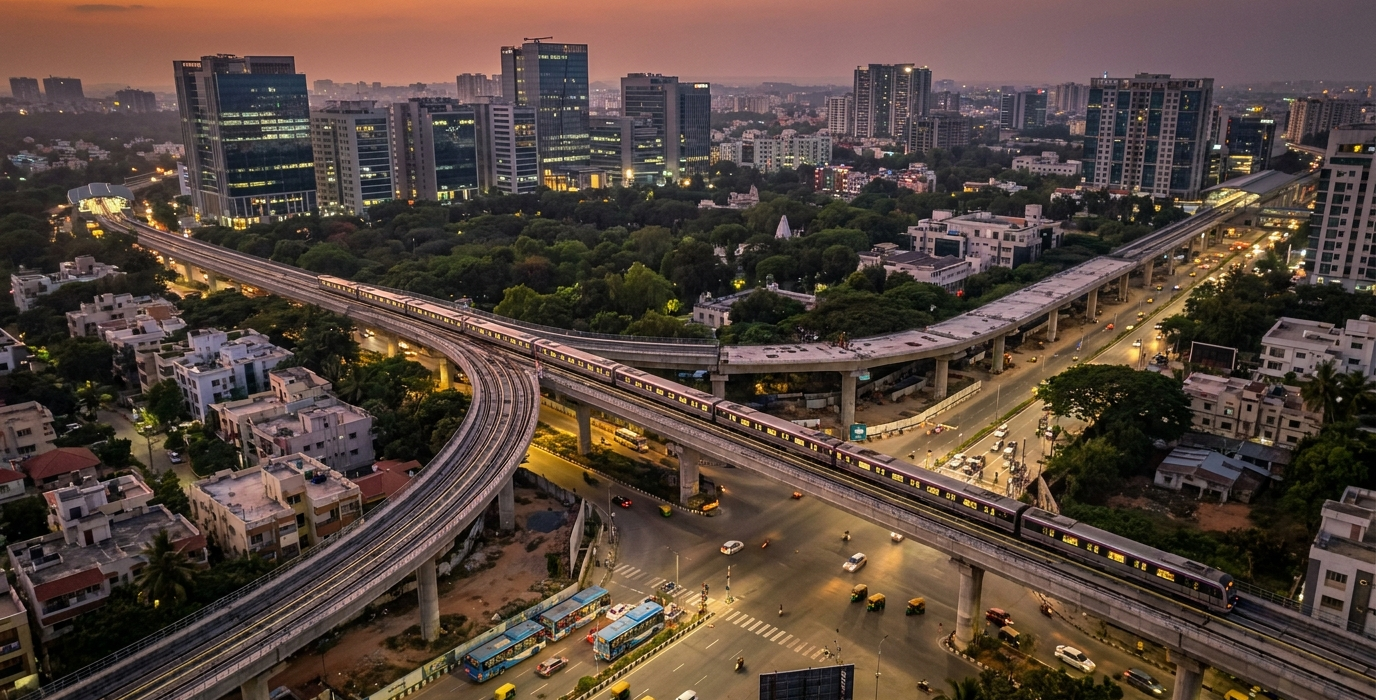
Bengaluru, India’s Silicon Valley, is on the cusp of a transformative transportation upgrade. The year 2026 marks a pivotal moment for Namma Metro, the city’s rapid transit system, as it gears up for substantial expansion. This isn’t just about adding more lines; it’s about fundamentally reshaping how millions of Bengalureans navigate their bustling metropolis. For years, the iconic Garden City has grappled with legendary traffic jams, a stark contrast to its image of technological prowess. The Namma Metro, launched in 2011, has been a beacon of hope, gradually weaving a network of convenience. Now, with key phases of expansion nearing critical milestones, the dream of a truly connected Bengaluru is closer than ever. We’re talking about a city where the dreaded commute might just become a relic of the past, replaced by swift, air-conditioned journeys. This expansion is poised to not only reduce travel times but also significantly cut down on carbon emissions, aligning with India’s broader sustainability goals.
Connecting the Unconnected
The focus in 2026 is heavily on bridging critical gaps in the existing network. Phase 2A and Phase 2B are the stars of this expansion story. Phase 2A, stretching from the Baiyappanahalli terminus to the start of the airport line, will be a game-changer for eastern Bengaluru. Think of areas like KR Puram and Hebbal finally being brought into the metro fold. This line will also intersect with the upcoming Peripheral Ring Road, creating multimodal transit hubs. Phase 2B is the ambitious stretch directly connecting the city centre to Kempegowda International Airport. This is perhaps the most anticipated segment, promising a hassle-free and predictable journey for air travelers and a vital link for the tech corridor along the Outer Ring Road. The sheer scale of these projects, involving complex engineering feats and navigating densely populated areas, underscores the dedication of the authorities involved. It’s a testament to urban planning meeting the demands of a rapidly growing population.
Phase 2A and 2B: The Airport and Beyond
The Namma Metro’s Phase 2A and 2B projects are not mere extensions; they represent a strategic vision to link major economic and residential hubs. Phase 2A, spanning approximately 18.8 kilometers, will boast 13 stations, significantly improving connectivity for residents in areas like Benniganahalli, KR Puram, and Nagavarapalya. This line is designed to seamlessly integrate with the existing Purple and Blue lines, creating a more robust and interconnected network. The real highlight for many is Phase 2B, a colossal 38.4-kilometer elevated corridor aiming to connect the city’s core to the Kempegowda International Airport. This segment will feature 30 stations, serving key IT corridors and residential areas along the way. Imagine leaving your home in Indiranagar and reaching the airport without the usual stress of traffic, in under an hour. This is the promise Namma Metro is delivering in 2026. The construction has been a complex dance of engineering challenges, from viaduct construction over busy intersections to station development in constrained urban spaces.
A Technological Marvel
The construction itself has been a marvel of modern engineering. We’ve seen the deployment of advanced tunneling boring machines (TBMs) for underground sections and sophisticated pre-cast segment erection for elevated tracks. The stations are being designed with passenger comfort and accessibility in mind, featuring modern amenities and clear signage. For example, stations along Phase 2B are being engineered to accommodate the future growth of passenger traffic, with spacious platforms and efficient entry/exit points. The integration of signaling systems and power supply infrastructure is a mammoth task, ensuring the metro operates with the highest levels of safety and efficiency. The planning for these lines has also considered future expansion possibilities, with provisions for further extensions and inter-connectivity with other proposed transit modes. It’s a forward-thinking approach to urban mobility.
Enhancing Last-Mile Connectivity: The Crucial Link
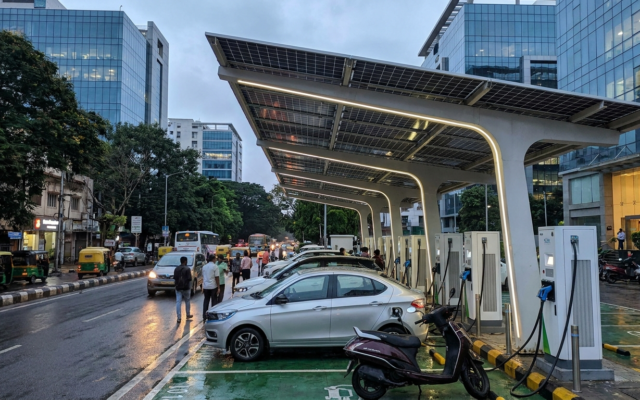
A metro line, no matter how extensive, is only as good as its ability to connect you to your final destination. Bengaluru’s metro authorities understand this, and the 2026 expansion places a strong emphasis on enhancing last-mile connectivity. This means more than just trains running on time. Around the new stations, you can expect improved infrastructure for feeder bus services, designated parking for auto-rickshaws and ride-sharing services, and significantly better pedestrian pathways. Think of wider sidewalks, covered walkways leading to station entrances, and improved lighting for safety. For residents in areas like Yelahanka and Devanahalli, who will benefit directly from Phase 2B, this improved connectivity means they can realistically leave their cars at home. The aim is to create a seamless travel experience, from your doorstep to your office or home.
Integrating with City Life
The development around metro stations is also being envisioned as community hubs. Plans include the creation of cycling tracks leading to stations and dedicated spaces for local vendors. This not only makes commuting easier but also fosters a sense of local economic development. For instance, at the proposed KR Puram station, you might find dedicated spaces for local artisans to sell their crafts, transforming a transit point into a vibrant marketplace. The focus is on making the metro accessible and convenient for everyone, including senior citizens and individuals with disabilities, with features like escalators, elevators, and tactile paving. This holistic approach to urban transit ensures the Namma Metro becomes an integral and indispensable part of daily life for all Bengalureans.
Impact on Urban Living and Property Values
The ripple effect of Namma Metro’s expansion in 2026 will extend far beyond the daily commute. Areas that were once considered remote or inconvenient are now becoming prime residential and commercial destinations. As new lines open, particularly those connecting to the airport and major business districts, property values in adjacent localities are expected to see a significant uptick. This isn’t just speculative; historical data from metro expansions in other Indian cities shows a clear correlation between improved transit access and real estate appreciation. For example, areas like Marathahalli and Bellandur, which are currently notorious for their traffic, will become highly desirable as residents gain quick access to the airport and the city center. This makes investing in property along these new corridors a potentially lucrative proposition.
A Greener, More Livable City
Beyond economic benefits, the expansion is a crucial step towards a greener and more sustainable Bengaluru. Each person who chooses the metro over their private vehicle contributes to reducing traffic congestion and, consequently, air pollution. The increased ridership on the metro network will directly translate to fewer cars on the road, leading to cleaner air and a less noisy urban environment. This shift towards public transportation is vital for a city striving to balance rapid growth with environmental responsibility. The long-term vision is to create a city where commuting is efficient, enjoyable, and environmentally conscious, making Bengaluru a more livable and attractive place for generations to come. This is a significant step towards achieving that vision.
Challenges and the Road Ahead
While the 2026 horizon for Namma Metro’s expansion is bright, the journey has not been without its challenges. Land acquisition in a densely populated city like Bengaluru has always been a complex and time-consuming process. Navigating through bureaucratic hurdles, ensuring public safety during construction, and managing the impact on existing traffic flow have required immense coordination and resilience. The COVID-19 pandemic also presented unforeseen delays, pushing timelines back and increasing project costs. However, the renewed momentum in 2026 signifies the overcoming of these obstacles. The dedication of the Bengaluru Metro Rail Corporation Limited (BMRCL) and its contractors in pushing these massive projects forward is commendable. We’re seeing dedicated teams working around the clock to ensure these vital lines become operational.
Future-Proofing Bengaluru’s Mobility
The Namma Metro’s vision doesn’t end with the 2026 expansions. Discussions are already underway for Phase 3 and beyond, which aim to further expand the network into underserved areas and create even more seamless inter-connectivity. The goal is to create a metro network that can cater to the city’s needs for the next several decades, adapting to evolving urban landscapes and population growth. This forward-thinking approach is essential for a city like Bengaluru, which is a magnet for talent and investment from across the globe. Ensuring robust and efficient public transportation is key to maintaining its status as a leading global hub. The integration of metro lines with other modes of transport, like suburban rail and proposed hyperloop corridors, is also part of this long-term strategy.
The Technology Driving the Expansion
The Namma Metro’s expansion in 2026 is not just about concrete and steel; it’s also about cutting-edge technology. Advanced signaling systems, including Communication-Based Train Control (CBTC), are being implemented to allow for higher frequency and safer train operations. This means trains can run closer together, significantly increasing the line’s capacity and reducing waiting times for passengers. The stations themselves are incorporating smart technologies, such as real-time passenger information systems, integrated security surveillance, and contactless ticketing solutions, including mobile ticketing and smart cards. This technological integration aims to provide a smooth and efficient passenger experience. We’re also seeing the use of advanced construction techniques, including automated segment lifting and erection, which speed up the process and improve safety standards on site.
A Surprising Fact: Bengaluru’s Metro and Heritage
Here’s a fact that might surprise you: while focused on futuristic expansion, the Namma Metro project has also taken steps to preserve Bengaluru’s heritage. During the construction of some older lines, archaeological findings were carefully documented and managed. For instance, during excavations for underground sections, evidence of ancient settlements was discovered and studied, with efforts made to integrate findings into urban planning narratives. This shows a commitment to building for the future while respecting the city’s deep historical roots. It’s a delicate balance, and one that often gets overlooked in the rush of modernization.
Navigating the New Network: What You Need to Know
As the new lines prepare to open their doors in 2026, understanding how to navigate the expanded network is crucial for commuters. The Purple Line, already a vital artery, will see significant extensions, and the Blue Line will finally connect the city to the airport. Integration between these lines will be seamless, with key interchange stations designed for efficient transfers. For example, the convergence at Majestic station, already a bustling hub, will become even more critical with the addition of new lines. Passengers will need to familiarize themselves with the new station names and optimal routes for their daily journeys. The BMRCL is expected to launch updated route maps and digital navigation tools to assist commuters.
The Role of Digital Tools
Digital tools will play a pivotal role in making the expanded metro accessible. Expect updated mobile apps that offer real-time train tracking, journey planning with estimated travel times, and fare information. These apps will also likely integrate with payment gateways for easy ticket purchases. Augmented reality features might even be incorporated to help users visualize routes and station layouts. For visitors to Bengaluru, these digital aids will be invaluable in navigating the city’s complex transit system. The aim is to demystify the metro and make it a user-friendly experience for everyone, from seasoned commuters to first-time users. The integration of AI for personalized travel recommendations could also be a future development.
A Look at the Numbers: Investment and Ridership Projections
The Namma Metro expansion represents a colossal investment in Bengaluru’s future. Billions of rupees are being poured into the construction of Phase 2A, 2B, and the associated infrastructure. This significant financial commitment underscores the perceived importance of public transportation for the city’s economic vitality and quality of life. Ridership projections are equally ambitious. Authorities anticipate a substantial increase in daily ridership once the new lines are fully operational, potentially adding millions of passenger journeys per month. This surge is expected to significantly alleviate traffic congestion on arterial roads. For example, the airport line alone is projected to carry tens of thousands of passengers daily, a massive shift from current road-dependent travel.
A Surprising Fact: Bengaluru’s Metro is a Green Leader
Here’s another interesting point: Namma Metro is one of the few metro systems in India that is increasingly powered by solar energy. Significant efforts are underway to install solar panels on metro viaducts and station rooftops. By 2026, a substantial portion of the metro’s energy needs is expected to be met by renewable sources. This makes Bengaluru’s metro a leader in sustainable urban transit, setting an example for other cities to follow. This commitment to green energy is not just about reducing operational costs but also about actively contributing to a cleaner environment. It’s a forward-thinking approach that aligns with global environmental goals.
“The expansion of Namma Metro in 2026 is not just about building infrastructure; it’s about building a more connected, sustainable, and livable Bengaluru for all its citizens.”
Frequently Asked Questions
When will the new Namma Metro lines open in 2026?
While specific opening dates can vary due to final testing and regulatory approvals, the major segments of Phase 2A and Phase 2B are slated for operational readiness throughout 2026. Expect phased openings of different stations and lines as the year progresses.
How will the airport metro line improve travel to Kempegowda International Airport?
The Blue Line extension (Phase 2B) will provide a direct, fast, and predictable metro link from the city center to the airport. This will bypass road traffic, significantly reducing travel time and stress, making airport commutes more reliable and cost-effective.
What are the key areas that will benefit from the 2026 metro expansion?
Key beneficiaries include residents and commuters in eastern Bengaluru (along Phase 2A, e.g., KR Puram, Benniganahalli) and those traveling to or from the airport and along the Outer Ring Road corridor (along Phase 2B, e.g., Marathahalli, Bellandur, Yelahanka).
Will there be changes to existing metro fares with the new lines?
Fare structures are determined by the length of the journey and the fare zones. While specific new fare charts will be released closer to the opening, it is anticipated that the new lines will follow the existing fare policy. Commuters can expect competitive pricing compared to road-based transport.
How is Namma Metro addressing last-mile connectivity for the new stations?
The BMRCL is actively working on integrating feeder bus services, providing designated pick-up/drop-off points for autos and taxis, and improving pedestrian and cycling infrastructure around the new stations to ensure seamless last-mile connectivity.