Key Takeaways
- India’s digital payment ecosystem is rapidly expanding beyond UPI, offering diverse options for every need and transaction type.
- By understanding transaction limits, security features, and reward programmes, you can optimise your spending and save money.
- Newer technologies like NFC and QR code variations are enhancing convenience and speed, making everyday payments seamless.
- Choosing the right payment method for specific scenarios, from small kirana store purchases to large online orders, can unlock significant benefits.
The Evolving Tapestry of Digital Payments in India
Remember when paying with cash was the only way to buy your morning chai? Those days are rapidly fading into history. By August 2026, India’s digital payment landscape is a vibrant, multifaceted ecosystem, far richer and more nuanced than just a single, dominant player. We’re talking about a sophisticated network that caters to every possible transaction, from a ₹10 purchase at a roadside vendor to a multi-lakh property deal.
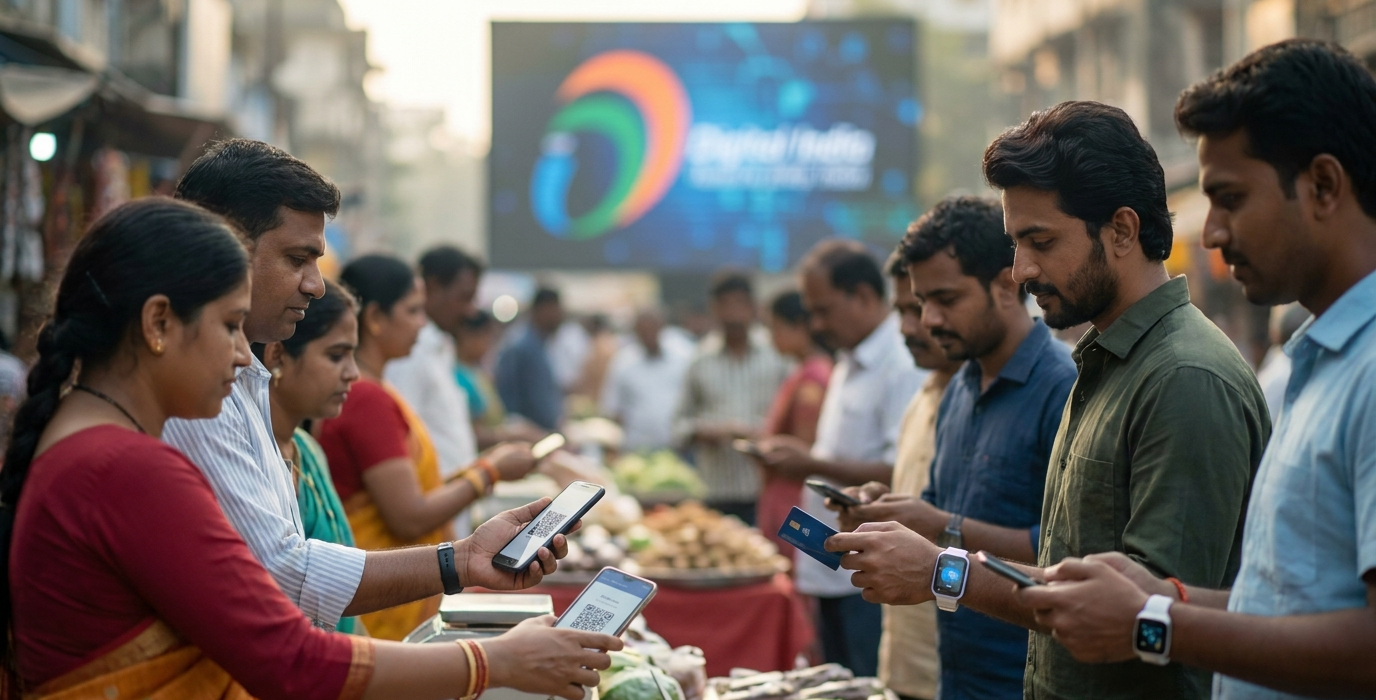
This evolution isn’t just about convenience; it’s about fostering financial inclusion and driving economic growth. The government’s ‘Digital India’ initiative has been a powerful catalyst, but the real magic lies in the innovation by banks, fintech companies, and even individual merchants. Understanding this dynamic environment is crucial for you to make informed choices, maximise savings, and ensure your financial security in this increasingly digital world.
We’re moving beyond the basic debit and credit card swipes. Today, you have a spectrum of options, each with its own advantages and ideal use cases. This guide will help you navigate this complex, yet rewarding, terrain. We’ll demystify the technologies, highlight the benefits, and equip you with the knowledge to spend smarter and save more.
Beyond UPI: Unpacking Diverse Payment Avenues
While Unified Payments Interface (UPI) has undeniably revolutionised payments in India, it’s just one thread in a much larger, more intricate tapestry. By 2026, relying solely on UPI would mean missing out on a wealth of specialised payment solutions designed for specific needs and offering unique benefits. These alternatives are not just supplementary; they often provide superior features for certain transaction types, from enhanced security for large purchases to attractive reward points for frequent travellers.
Consider the humble but powerful Near Field Communication (NFC) technology. Tap-and-pay with your smartphone or smartwatch is becoming increasingly commonplace, especially at organised retail outlets, metros, and toll booths. It offers unparalleled speed and convenience for small to medium transactions, eliminating the need to even pull out your phone. Many of us have already experienced this seamlessness, and its adoption is only set to grow, making it a vital part of our daily financial interactions.
Then there are the evolving QR code ecosystems. While UPI QR codes are ubiquitous, many banks and payment networks have their own proprietary QR solutions, often tied to specific reward programmes or loyalty schemes. Some of these offer instant discounts or cashback that you might not get through a standard UPI payment. For instance, a particular retailer might offer a 5% discount if you pay using their specific bank’s QR code, a saving easily missed if you default to a generic UPI scan.
Exploring the Nuances: Cards, Wallets, and More
Credit and debit cards, though older technologies, continue to hold their ground, especially for their robust security features and extensive reward programmes. Co-branded credit cards with airlines, hotels, or retail chains can offer significant value if your spending aligns with the card’s benefits. Think about the annual travel vouchers or accelerated reward points you can accumulate. These are often best suited for larger purchases or recurring bills where you want the added layer of security and the potential for substantial cashback or air miles.
Digital wallets, which were once standalone apps, have largely integrated with UPI but still offer unique advantages. Some wallets provide exclusive deals with specific merchants or allow for peer-to-peer transfers with features not found in standard UPI. Furthermore, for international transactions, specific network cards or dedicated forex cards often provide better exchange rates and lower fees than generic debit cards or UPI. Understanding these subtle differences can lead to tangible savings, especially if you travel frequently or engage in cross-border e-commerce.
The key takeaway here is diversification. By understanding the strengths of each payment method, you can strategically choose the right tool for the right job, optimising both convenience and cost-effectiveness. Don’t let your payment habits be dictated by default; let them be driven by smart choices.
Security First: Protecting Your Digital Transactions in 2026
As digital payments become more integrated into our lives, the paramount concern for any user, especially in a fast-paced economy like India’s, is security. The sheer volume of transactions occurring daily means that robust security measures are not just a feature but a necessity. By 2026, while the convenience of digital payments has soared, so too has the sophistication of threats. Therefore, staying informed and vigilant is your best defence against financial fraud.
One of the most critical aspects of digital security is Multi-Factor Authentication (MFA). Most banking apps and payment platforms now require more than just a password or PIN. This could involve an OTP sent to your registered mobile number, a biometric scan (fingerprint or facial recognition), or even a hardware token. Always ensure MFA is enabled on all your financial accounts. This layered approach significantly reduces the risk of unauthorised access, even if your password is compromised.
Another vital layer of protection comes from understanding transaction limits and alerts. Most banks allow you to set daily spending limits for your debit cards and UPI transactions. This can act as a crucial safeguard – if your card or account is compromised, the damage is limited to your pre-set threshold. Moreover, enable SMS and email alerts for all transactions, no matter how small. Immediate notification of any suspicious activity is your first line of defence, allowing you to report and block fraudulent transactions swiftly.
Navigating the Risks: Phishing, Malware, and Social Engineering
We must also be aware of common threats like phishing and social engineering. Scammers often pose as bank representatives or government officials, trying to trick you into revealing sensitive information like OTPs, CVVs, or passwords. Remember, legitimate institutions will never ask for your PIN, OTP, or full card details over the phone or via email. Be wary of unsolicited calls or messages requesting such information. Always verify the caller’s identity through official channels before sharing any details.
Malware, too, remains a persistent threat. Downloading apps from untrusted sources or clicking on suspicious links in emails or messages can install malicious software on your devices, which can then steal your financial data. Ensure you only download applications from official app stores and keep your device’s operating system and antivirus software updated. A surprising fact is that many sophisticated phishing attacks in 2026 leverage AI-generated personalised messages, making them harder to detect than generic scams of the past. Always exercise a healthy dose of scepticism.
Finally, never share your UPI VPA (Virtual Payment Address) or QR code with anyone you don’t know or trust, especially if they are asking you to scan their QR code to receive money. In India, sending money typically requires the payer to initiate the transaction and enter their PIN, while receiving money usually doesn’t require this step. Be vigilant, and if something feels off, it probably is. Your financial well-being depends on your proactive approach to security.
Optimising Savings: Rewards, Cashback, and Smart Spending
The digital payment revolution isn’t just about making transactions easier; it’s also a fertile ground for smart savings. By strategically leveraging the reward programmes and cashback offers embedded within various payment methods, you can effectively reduce your spending and even earn money on everyday purchases. This requires a conscious effort to understand and utilise these benefits, transforming your routine expenses into opportunities for financial gain.
Credit cards are often the frontrunners in offering extensive reward structures. Many cards provide accelerated reward points on specific spending categories like groceries, dining, fuel, or online shopping. If you frequently shop at a particular online retailer or dine out often, choosing a credit card that aligns with these habits can significantly boost your rewards. These points can then be redeemed for statement credits, flight tickets, hotel stays, or merchandise, effectively acting as a discount on your spending.
Beyond credit cards, many payment apps and wallets offer regular cashback campaigns. These can range from flat cashback percentages on all transactions to specific offers tied to certain merchants or transaction amounts. For instance, a wallet might offer 10% cashback on your first grocery purchase of the month up to a certain limit. Actively monitoring these promotions through the apps and planning your purchases accordingly can lead to substantial savings over time. A less-obvious benefit is that some prepaid cards, often overlooked, can offer unique cashback deals on specific utility bill payments that even credit cards might not match.
Maximising Value: When to Use Which Payment Method
Here’s a simple framework to help you decide: For everyday small purchases at kirana stores or local vendors where speed and ease are paramount, UPI or NFC tap-and-pay are ideal. For online shopping, compare the offers from your credit card, digital wallet, and the merchant’s own payment gateway. Often, a combination of a credit card with good rewards and a merchant discount can yield the best outcome.
When paying utility bills or booking travel tickets, check if your credit card offers specific benefits or if any digital wallet has a promotional cashback. For larger, infrequent purchases, like electronics or appliances, consider the EMI options offered by credit cards, but always scrutinise the interest rates and processing fees. Some banks also offer specific discounts on big-ticket items if you use their co-branded cards or pay through their proprietary platforms.
The key is to view your payment method not just as a way to transfer money, but as a tool to enhance your financial outcomes. By making informed choices and actively seeking out the best deals, you can significantly improve your savings without compromising on your lifestyle. It’s about spending smarter, not necessarily less.
The Future is Here: Emerging Trends in Digital Payments
The pace of innovation in India’s digital payment sector shows no signs of slowing down. As we move further into 2026, exciting new technologies and approaches are emerging, promising to make payments even more seamless, secure, and integrated into our daily lives. Staying ahead of these trends can give you a competitive edge, both in terms of convenience and potential financial benefits. We are witnessing a shift towards invisible payments, where the transaction happens almost without you actively engaging in the process.
One significant trend is the continued expansion of Account Aggregators (AAs). While initially focused on data sharing for financial services, AAs are increasingly enabling faster, more secure payment integrations. Imagine a scenario where your consent-based financial data is securely shared with a payment provider, allowing for instant credit assessments or personalised payment plans, all initiated with minimal user input. This streamlines complex transactions, especially for loans and insurance, making them more accessible and efficient.
Another area of rapid development is Biometric Payments. Beyond fingerprint and facial recognition, we’re seeing advancements in voice-based authentication and even gait recognition (identifying individuals by their walking patterns). While still in nascent stages for widespread consumer use, these technologies promise a future where your very identity becomes your payment method, offering unparalleled security and convenience. Think about walking into a café, ordering your coffee, and having it automatically charged to your account as you leave, authenticated by your unique biological traits.
Embedded Finance and Hyper-Personalisation
The concept of Embedded Finance is also gaining traction. This means payment functionalities are being seamlessly integrated into non-financial applications and platforms. For example, when booking a ride-share, the payment is automatically processed through the app without requiring you to open a separate payment gateway. This ‘invisible payment’ trend extends to loyalty programmes, budgeting tools, and even IoT devices, making financial transactions an inherent part of any digital interaction.
Furthermore, expect a surge in Hyper-Personalisation. Payment providers are leveraging AI and machine learning to offer highly tailored recommendations, rewards, and even payment plans based on your individual spending habits and financial goals. This goes beyond generic cashback offers; it’s about suggesting the optimal payment method for a specific purchase to maximise your savings or offering a personalised micro-loan at the point of sale if your spending patterns indicate a need. A surprising fact is that some predictive payment systems are already being tested to anticipate your spending needs and offer proactive financial solutions before you even realise you need them.
These emerging trends are not just futuristic concepts; they are actively being developed and piloted. By understanding them, you can better prepare for the future of finance and ensure you are among the first to benefit from the next wave of digital payment innovations. Embrace the change, and you’ll find yourself navigating the financial world with unprecedented ease and intelligence.
Choosing the Right Payment Strategy for You
With the vast array of digital payment options available in India by 2026, one size certainly does not fit all. The “best” payment method is entirely dependent on your individual needs, spending habits, and financial goals. Developing a personalised payment strategy is key to maximising convenience, ensuring security, and, crucially, unlocking significant savings. It’s about making your money work harder for you through intelligent choices.
For the budget-conscious student or young professional, a focus on cashback and discount-driven payment methods might be the priority. This could involve using specific UPI payment apps that offer frequent small rewards, leveraging credit cards with high cashback rates on essentials like groceries and utilities, or actively seeking out merchant-specific QR code offers. For instance, using a digital wallet that partners with your favourite e-commerce site for a flat 15% off on your first order can be a game-changer for significant purchases.
If your primary concern is travel and lifestyle benefits, then co-branded credit cards with airlines or hotel chains, or premium cards offering airport lounge access and accelerated reward points on travel bookings, would be your go-to. You might also explore travel-specific forex cards for international trips to avoid hefty markups. The key is aligning your payment tool with your lifestyle aspirations, turning everyday spending into an enabler of your dreams.
A Comparative Look at Payment Options
To illustrate, let’s consider a hypothetical scenario of making a ₹5,000 online purchase. Here’s how different payment methods might stack up:
| Payment Method | Potential Benefit | Consideration | Estimated Savings/Value |
|---|---|---|---|
| Standard UPI | Instant transfer, widely accepted | No direct reward points or cashback | ₹0 |
| Credit Card (e.g., 2% cashback) | Builds credit score, purchase protection | Potential for annual fees, interest if not paid in full | ₹100 cashback |
| Digital Wallet (with merchant offer) | Exclusive merchant discounts, loyalty points | Requires topping up wallet, limited merchant acceptance | ₹250 instant discount + 50 wallet points |
| NFC Tap-and-Pay (on specific card) | Fast and convenient | Often tied to a specific card with its own rewards | Value depends on underlying card rewards |
As you can see, a little research can lead to significant value. Furthermore, for recurring bills like electricity or gas, setting up auto-debit from a credit card that offers higher rewards on utility payments can save you money month after month, without you having to actively remember to pay. It’s about creating a system that works for you.
Ultimately, your payment strategy should be dynamic. Regularly review your spending, evaluate the effectiveness of your current payment methods, and adapt as new technologies and offers emerge. By taking a proactive and informed approach, you can ensure that your digital payments are not just a means to an end, but a powerful tool for financial growth and optimisation.
“In the digital economy of 2026, your payment method is not just a transaction tool; it’s a strategic asset for savings and security. Choose wisely.”
Frequently Asked Questions
What are the safest ways to pay online in India in 2026?
Safest methods include using credit cards for their fraud protection, enabling Multi-Factor Authentication (MFA) on all accounts, and shopping only on secure websites (look for “https” in the URL). Always use strong, unique passwords and be wary of unsolicited payment requests.
How can I maximise rewards from my digital payments?
To maximise rewards, align your spending with your credit card’s bonus categories, leverage cashback offers from digital wallets, and look for merchant-specific discounts. Regularly check for new promotions and compare offers before making significant purchases.
Is UPI still the best payment method for all transactions?
While UPI is excellent for everyday convenience and speed, it’s not always the best for maximising rewards or security on larger purchases. Consider credit cards for their protection and rewards, or NFC for speed at POS terminals. Diversifying your payment methods based on the transaction type is advisable.
What should I do if I suspect a fraudulent payment transaction?
Immediately contact your bank or payment provider to report the suspected fraud. Most institutions have dedicated fraud reporting lines. If it’s a UPI transaction, you can also report it through the NPCI’s UPI fraud reporting portal. Act quickly to block the transaction and secure your account.
Are there any new payment technologies I should be aware of?
Yes, emerging technologies include advanced biometrics (voice, gait recognition), Account Aggregators for seamless financial data sharing, and embedded finance where payments are integrated into apps. Hyper-personalisation of payment offers is also a growing trend.