Key Takeaways
- Young Indians are increasingly battling burnout, driven by academic pressure, career anxieties, and social media’s relentless demands.
- A growing awareness is fostering a demand for accessible mental wellness resources, from digital platforms to community initiatives.
- Effective coping strategies involve a blend of mindfulness, physical activity, strong social connections, and professional support.
- The landscape of mental health support is evolving, with technology playing a crucial role in democratising access to care.
The Silent Struggle: Burnout’s Grip on India’s Youth
The vibrant energy of India’s youth is often celebrated, yet beneath the surface, a silent struggle is intensifying. Burnout, once primarily associated with demanding careers, is now a stark reality for an alarming number of young Indians. This isn’t just about feeling tired; it’s a profound sense of exhaustion, cynicism, and reduced efficacy that impacts their studies, relationships, and overall well-being.
Several converging factors contribute to this widespread issue. The intense academic competition, from school admissions to entrance exams like the JEE and NEET, creates immense pressure. Beyond academics, the aspiration for stable, high-paying jobs in a rapidly evolving economy fuels career anxieties. Add to this the pervasive influence of social media, which often presents an unrealistic portrayal of success and happiness, and you have a potent recipe for overwhelm.
This generation navigates a complex world, balancing traditional expectations with modern aspirations. The fear of not measuring up, of falling behind in a seemingly always-on digital landscape, can be debilitating. It’s a constant juggling act, and for many, the scales tip towards exhaustion, leaving them feeling drained and disconnected. Understanding the depth of this challenge is the first step towards finding meaningful solutions.
Navigating the Digital Landscape: Tech’s Role in Mental Wellness
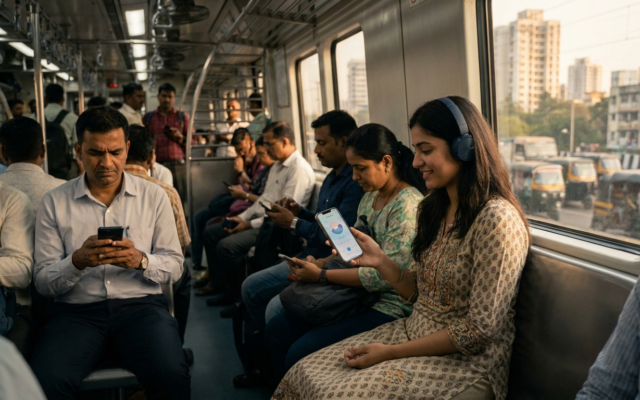
In our increasingly digital world, technology has emerged as a powerful, albeit complex, ally in the fight against burnout. For young Indians, who are digital natives, online platforms offer a discreet and accessible avenue for seeking mental health support. Apps providing guided meditation, mood tracking, and even chatbot therapy are becoming commonplace, offering immediate relief and a sense of control.
Platforms like Wysa, based out of India, have gained global recognition for their AI-powered conversational agents that offer emotional support and CBT-based techniques. These tools are particularly valuable for individuals who might hesitate to seek traditional therapy due to stigma or geographical barriers. They provide a first line of defence, helping users identify patterns in their thoughts and emotions, and offering actionable coping strategies.
However, we must also acknowledge the double-edged sword of technology. While apps can be beneficial, they are not a replacement for human connection or professional clinical intervention when needed. The curated realities of social media can exacerbate feelings of inadequacy, and the constant connectivity can contribute to sleep deprivation and anxiety. Finding a balance – using technology mindfully rather than being consumed by it – is crucial for sustainable mental wellness. One surprising fact is that the demand for mental health apps in India has surged by over 400% in the last three years alone, indicating a significant shift in how young people are approaching their well-being.
The Power of Connection: Building Robust Support Systems
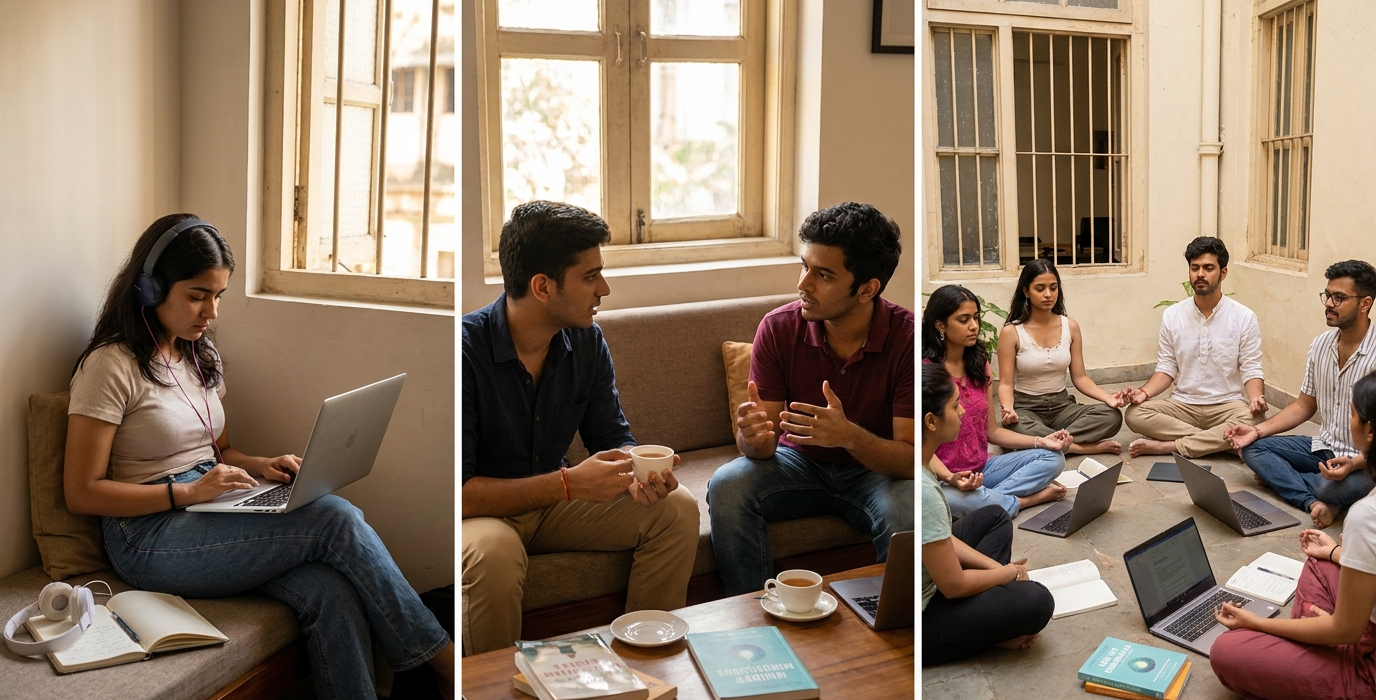
While digital tools offer convenience, the bedrock of mental resilience often lies in genuine human connection. For young Indians facing burnout, strong social support systems can act as a vital buffer against stress and isolation. These connections can be found within family, friendships, educational institutions, and community groups.
Open conversations about mental health within families, though still evolving, are becoming more prevalent. When parents and elders create a safe space for their children to express their struggles without judgment, it can be incredibly empowering. Similarly, fostering close-knit friendships where individuals can share their vulnerabilities and offer mutual support is invaluable. These peer connections provide a sense of belonging and understanding that is hard to replicate.
Educational institutions also play a critical role. Many universities and colleges across India are now implementing counselling services and mental health awareness programs. Initiatives like peer support groups, where students trained to offer emotional assistance connect with their classmates, are proving effective. These on-campus resources can demystify mental health support and make it more approachable. Building these real-world connections is not just about alleviating current stress; it’s about cultivating a lifelong habit of seeking and offering support.
Mindfulness and Movement: Practical Strategies for Daily Well-being
Combating burnout isn’t just about seeking external help; it’s also about cultivating internal resilience through practical, everyday strategies. Mindfulness and physical activity stand out as two cornerstones of effective self-care for young Indians grappling with stress.
Mindfulness, at its core, is about paying attention to the present moment without judgment. Simple practices like deep breathing exercises, mindful walking, or even consciously savouring a cup of chai can help to ground individuals and reduce the mental chatter that fuels anxiety. Many find that incorporating just five to ten minutes of mindful practice into their daily routine can significantly improve their focus and emotional regulation. This isn’t about emptying the mind, but about observing thoughts and feelings as they arise, allowing them to pass without getting swept away.
Physical activity is another powerful antidote. Whether it’s a brisk walk through a bustling market in Delhi, a yoga session overlooking the backwaters of Kerala, or a game of cricket with friends, movement releases endorphins, which are natural mood boosters. It provides a much-needed break from sedentary study or work, helping to clear the mind and reduce physical tension. A surprising fact is that studies have shown that even moderate exercise, like a 30-minute brisk walk five times a week, can be as effective as some antidepressant medications in managing mild to moderate depression and anxiety. Prioritising these activities, even when time feels scarce, is an investment in long-term mental well-being.
When to Seek Professional Help: Understanding the Tipping Point
While self-care strategies and supportive networks are crucial, it’s vital to recognise when professional help becomes necessary. Burnout can escalate into more serious mental health conditions like anxiety disorders or depression, and seeking timely intervention is key to recovery and preventing long-term impact.
We should look for persistent changes in mood and behaviour. If you find yourself experiencing prolonged sadness, irritability, or a lack of interest in activities you once enjoyed, it’s a sign that professional support may be beneficial. Significant disruptions in sleep patterns, appetite changes, or difficulties with concentration that interfere with daily functioning are also red flags. These aren’t just bad days; they are indicators that your mental health requires attention.
Don’t hesitate to reach out to a mental health professional – a psychologist, counsellor, or psychiatrist. Many cities in India now have well-established mental health clinics, and telehealth services offer even greater accessibility. Remember, seeking help is a sign of strength, not weakness. It’s about taking proactive steps to manage your well-being and ensure a healthier, more fulfilling future. Many young Indians are now accessing online therapy platforms, which offer the convenience of connecting with qualified professionals from the comfort of their homes, breaking down geographical and accessibility barriers.
| Type of Support | Description | When to Consider | Potential Cost (Approx.) |
|---|---|---|---|
| Mental Health Apps (e.g., Wysa, Calm) | AI-powered chatbots, guided meditations, mood tracking, CBT exercises. | Daily stress management, mild anxiety, improving sleep, developing self-awareness. | Free to ₹500/month (for premium features) |
| Counselling Services (University/College) | On-campus professional counselling sessions, peer support groups. | Academic stress, relationship issues, adjusting to college life, mild to moderate distress. | Often Free for enrolled students |
| Private Therapy/Counselling | One-on-one sessions with licensed psychologists or therapists. | Persistent low mood, significant anxiety, trauma, severe burnout, or when other methods are insufficient. | ₹1,000 – ₹3,000 per session |
| Telehealth Mental Health Platforms | Online video or chat sessions with mental health professionals. | Convenience needed, geographical barriers, seeking specialist advice, mild to moderate issues. | ₹800 – ₹2,500 per session |
“The pressure cooker environment for young Indians is real, but so is the growing awareness and the availability of resources. It’s about equipping ourselves with the tools and knowledge to navigate these challenges proactively, ensuring that ambition doesn’t come at the cost of well-being.”
Frequently Asked Questions
What are the most common signs of burnout in young Indians?
Common signs include persistent exhaustion, increased cynicism or detachment from studies/work, and a feeling of reduced personal accomplishment. You might also notice irritability, difficulty concentrating, sleep disturbances, and a loss of motivation. If these symptoms last for more than a couple of weeks and interfere with your daily life, it’s worth paying attention.
Are there free mental health resources available in India?
Yes, there are. Many government initiatives and NGOs offer free or low-cost counselling services. Universities often have dedicated counselling centres for students. Additionally, some mental health apps offer free basic features, and helplines like Vandrevala Foundation and AASRA provide immediate emotional support over the phone.
How can I encourage a friend who is struggling with burnout?
Start by creating a safe and non-judgmental space for them to talk. Listen actively without offering unsolicited advice. Encourage them to engage in self-care activities they enjoy, even small ones. Gently suggest seeking professional help if their struggles seem persistent or severe, and offer to help them find resources or accompany them if they’re comfortable.
Is it normal for young adults to feel overwhelmed by career choices?
Absolutely. The pressure to make the “right” career decision in a rapidly changing job market can be immense. It’s normal to feel anxious, uncertain, and even overwhelmed. Focusing on exploring your interests, developing transferable skills, and seeking guidance from career counsellors or mentors can help navigate this process more effectively.