Key Takeaways
- Mumbai’s rooftop farms are blossoming in 2026, transforming urban spaces into hubs of sustainable food production.
- These initiatives are not only enhancing food security but also combating the urban heat island effect and improving air quality.
- Innovations range from hydroponic systems and vertical farming to integrated pest management, making urban agriculture increasingly viable.
- Community engagement and policy support are crucial for the continued growth and success of these green oases.
The Concrete Jungle Sprouts Green: Mumbai’s Rooftop Revolution
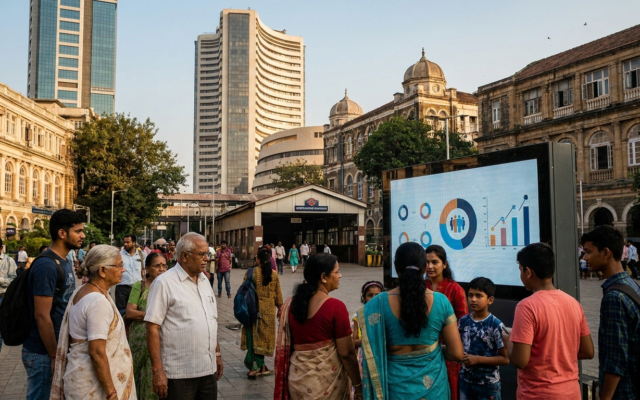
Mumbai, a city synonymous with relentless concrete and towering aspirations, is witnessing a quiet but powerful green revolution. As of August 2026, the skyline is being subtly reshaped not just by new high-rises, but by vibrant patches of green emerging from their summits. Rooftop farms, once a niche concept, are now a significant and growing feature of India’s financial capital. These urban oases are more than just aesthetically pleasing; they represent a vital shift towards sustainable living, food security, and a more resilient urban ecosystem. We are seeing a tangible transformation as unused, sun-baked spaces are being reimagined as productive agricultural plots.
The story of Mumbai’s rooftop farms is one of innovation, necessity, and community spirit. Driven by rising food prices, concerns about food safety, and a desire for fresher produce, Mumbaikars are taking matters into their own hands. From individual apartment buildings in Bandra to community gardens in Thane and corporate campuses in Nariman Point, the movement is diverse and widespread. These initiatives are tackling some of the city’s most pressing environmental challenges head-on. They are a testament to human ingenuity in the face of urban density.
From Barren Terraces to Bountiful Harvests: The Technology Driving Growth
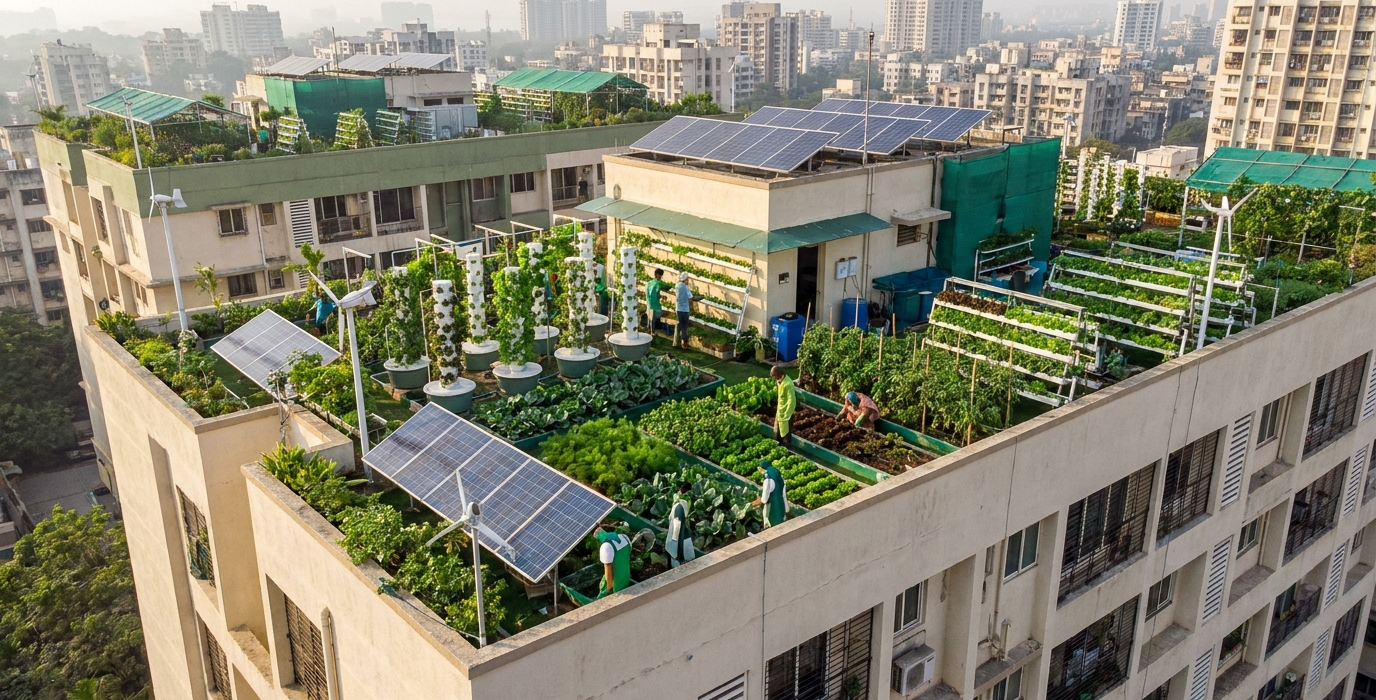
The success of Mumbai’s rooftop farms in 2026 is largely underpinned by technological advancements and smart agricultural practices. Traditional soil-based farming, while still present, is increasingly being supplemented and often surpassed by more efficient methods. Hydroponics, where plants are grown in nutrient-rich water solutions without soil, is a standout innovation. This method requires significantly less water than conventional farming and allows for year-round production, regardless of erratic monsoon patterns. We see compact hydroponic setups adorning balconies and larger, sophisticated systems integrated into dedicated farm structures on wider terraces.
Another key technology is vertical farming. By stacking growing layers, these systems maximize crop yield within a minimal footprint. This is particularly crucial in a city where horizontal space is a luxury. Many urban farms are now employing LED lighting to control the light spectrum, optimizing plant growth and reducing energy consumption. Aeroponics, a further evolution where plant roots are suspended in the air and misted with nutrient solutions, is also gaining traction, promising even greater water efficiency and faster growth cycles. These technologies are making farming viable even in the most space-constrained environments.
Beyond Produce: The Multifaceted Benefits for Mumbai
The impact of Mumbai’s burgeoning rooftop farms extends far beyond the immediate provision of fresh vegetables and herbs. These green spaces are playing a crucial role in mitigating the urban heat island effect, a phenomenon where cities are significantly warmer than surrounding rural areas. The presence of vegetation helps to cool the surrounding environment through evapotranspiration, reducing the need for energy-intensive air conditioning. We are already observing localized temperature drops in areas with a higher density of these farms.
Furthermore, these farms contribute to improved air quality by absorbing carbon dioxide and releasing oxygen. They also act as a natural buffer against noise pollution, a constant challenge in a bustling metropolis like Mumbai. By reducing the distance food travels from farm to fork – a concept known as “food miles” – these initiatives also slash carbon emissions associated with transportation. This localized food system strengthens community resilience, making Mumbai less dependent on external supply chains that can be vulnerable to disruptions. The collective environmental benefits are substantial and increasingly measurable.
Empowering Communities and Fostering Food Security
A significant aspect of the rooftop farming movement in Mumbai is its empowering effect on local communities. Many of these farms are not just commercial ventures; they are community-led initiatives. Residents of housing societies are collaborating, sharing resources, and pooling their efforts to cultivate shared spaces. This fosters a sense of ownership and collective responsibility, strengthening social bonds within neighbourhoods. Children are learning about where their food comes from, fostering a new generation with a greater appreciation for agriculture and sustainability.
For many families, these rooftop farms offer a supplementary source of income and provide access to nutritious, affordable food. This is particularly impactful in lower-income areas where access to fresh produce can be limited. The ability to grow one’s own food, or to purchase it directly from a local rooftop farm, enhances food security and reduces household expenditure. This localized approach also creates opportunities for urban dwellers to engage in meaningful, productive activities, transforming passive consumers into active participants in their food system. The ripple effect on community well-being is profound.
Policy, Challenges, and the Road Ahead for Urban Agriculture
While the momentum for rooftop farming is undeniable, its sustained growth in 2026 is not without its challenges. Navigating municipal regulations and obtaining necessary permits can be a bureaucratic hurdle for many aspiring farmers. Ensuring access to reliable water sources, especially during drier months, and managing waste disposal from these urban farms are ongoing concerns that require innovative solutions. The initial investment in technology and setup can also be a barrier for some individuals or smaller communities.
However, there are promising signs of policy support emerging. The Mumbai Municipal Corporation is reportedly exploring incentives and simplified approval processes for urban agriculture projects. Educational programs and workshops are also crucial, equipping residents with the knowledge and skills needed to successfully manage rooftop farms. Collaboration between urban planners, agricultural experts, and community groups is essential to overcome these obstacles. We believe that with continued innovation and dedicated support, rooftop farming can become an integral part of Mumbai’s urban fabric.
Surprising Facts and Future Potential
One of the most surprising facts we’ve uncovered is the sheer diversity of crops being successfully grown on Mumbai rooftops. Beyond the expected leafy greens and tomatoes, farmers are experimenting with and cultivating indigenous varieties of millets, medicinal herbs like Tulsi and Ashwagandha, and even small fruit trees like papaya and guava. This is helping to preserve agricultural biodiversity within the urban environment. Another fascinating insight is the integration of these farms with other sustainable practices, such as composting kitchen waste to create nutrient-rich soil amendments.
The future potential for rooftop farming in Mumbai is immense. As urban density continues to increase, and the urgency of climate action grows, these green spaces will become even more critical. We envision a future where every large residential and commercial building has a productive rooftop farm, contributing to a decentralized and resilient food system. Imagine a Mumbai where a significant portion of the city’s fresh produce is grown within its own boundaries, reducing reliance on distant agricultural lands and fostering a deeper connection between urban dwellers and their food. The seeds of this future are already being sown.
—
Frequently Asked Questions
What are the main benefits of rooftop farming in Mumbai?
Rooftop farms in Mumbai offer numerous benefits, including increased access to fresh, healthy food, improved air quality, mitigation of the urban heat island effect, and enhanced community engagement. They also contribute to a more resilient and sustainable urban food system.
What technologies are commonly used in Mumbai’s rooftop farms?
Common technologies include hydroponics, vertical farming, and aeroponics, which allow for efficient water and space utilization. LED lighting is also used to optimize plant growth, and composting is employed for nutrient management.
Are there government initiatives supporting rooftop farming in Mumbai?
While specific initiatives are evolving, the Mumbai Municipal Corporation is reportedly exploring ways to support urban agriculture, including potential incentives and streamlined permit processes. Community-led efforts are also a significant driving force.
What kind of crops can be grown on Mumbai rooftops?
A wide variety of crops can be grown, including leafy greens, herbs, tomatoes, chilies, brinjal, and even smaller fruit trees like papaya and guava. There’s also a growing trend of cultivating indigenous and medicinal plants.