Key Takeaways
- West Bengal is witnessing an unprecedented surge in electric scooter adoption, driven by government incentives and rising fuel costs.
- Key players like Ather, Ola Electric, and new local manufacturers are establishing strong footholds, offering diverse models catering to urban and semi-urban needs.
- Infrastructure development, particularly charging stations, is a critical focus, with significant investments planned across Kolkata and other Tier-2 cities.
- The future points towards integrated smart mobility solutions and a significant reduction in the state’s carbon footprint.
The Green Rush: Why Bengal is Electrifying Its Streets
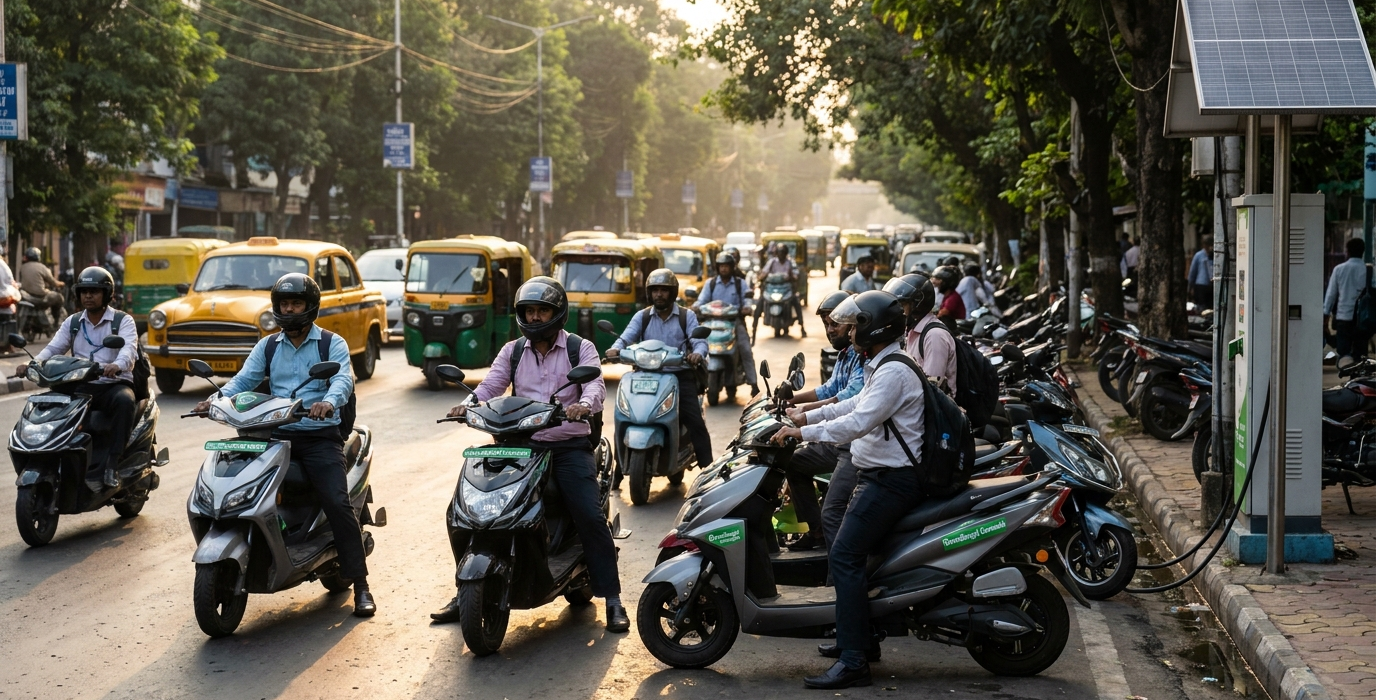
The air in Kolkata, once thick with the fumes of petrol and diesel, is gradually taking on a cleaner hue. West Bengal is at the forefront of India’s electric two-wheeler revolution, with electric scooters (e-scooters) becoming a common sight on its bustling streets. This isn’t just a fleeting trend; it’s a fundamental shift in how Bengalis are choosing to commute, powered by a confluence of supportive government policies, soaring fuel prices, and an increasing environmental consciousness among its citizens.
In the first half of 2026, sales of e-scooters in West Bengal have outpaced many projections, solidifying the state’s position as a major hub for electric mobility. From the narrow lanes of North Kolkata to the arterial roads of Howrah, the silent hum of e-scooters is a testament to this burgeoning market. This adoption is not limited to the metropolitan capital; cities like Durgapur, Siliguri, and even smaller towns are seeing a significant uptake, indicating a widespread embrace of this greener alternative.
The state government’s proactive approach, including subsidies and road tax exemptions, has been instrumental. Coupled with the rising costs of petrol, which have made traditional scooters and motorcycles increasingly expensive to run, the economic proposition of e-scooters has become undeniably attractive. We’re seeing a generation that is not only tech-savvy but also acutely aware of the impact of their choices on the environment, making the switch to electric a logical and responsible decision.
Navigating the E-Scooter Landscape: Brands and Choices
The West Bengal e-scooter market in 2026 is a vibrant ecosystem, featuring a mix of established national players and emerging local manufacturers. Ather Energy continues to dominate the premium segment with its feature-rich models like the Ather 450X, known for its performance and connected technology. Ola Electric, with its aggressive pricing and wide range of models, has also captured a significant market share, particularly appealing to budget-conscious buyers and those seeking high-speed options.
Beyond these giants, a host of other brands are making their mark. TVS Motor Company’s iQube electric scooter is gaining traction, offering a blend of practicality and modern features. Hero Electric, a veteran in the EV space, continues to offer a reliable range of scooters. What’s particularly exciting for consumers is the rise of innovative startups and regional players, such as Simple Energy and Okinawa Autotech, who are bringing diverse designs and competitive pricing to the table. These companies often focus on specific consumer needs, from utilitarian daily commuters to sportier models.
We’re also observing a growing segment of ‘smart’ scooters, equipped with GPS tracking, anti-theft systems, and smartphone connectivity. This integration of technology enhances the ownership experience, providing peace of mind and added convenience. For a consumer in Kolkata looking to buy an e-scooter, the choices are now more diverse than ever, allowing for a tailored selection based on budget, performance requirements, and desired features. The challenge, however, lies in discerning which models offer the best long-term value and reliability amidst this rapid expansion.
The Charging Conundrum: Infrastructure Development in Focus
The most significant hurdle to widespread e-scooter adoption has historically been the availability of charging infrastructure. However, West Bengal, recognizing this critical need, is making substantial investments in building a robust charging network. The state government, in collaboration with private players and energy companies, is working towards establishing charging stations in key urban and semi-urban areas. This includes dedicated charging points in residential complexes, public parking lots, and commercial hubs across Kolkata and its satellite towns.
Public-private partnerships are proving to be a game-changer. Companies are being incentivized to set up charging facilities, often integrated with existing fuel stations or retail outlets. Initiatives like the ‘Green Mobility Hubs’ are envisioned to provide not just charging but also battery swapping services, significantly reducing downtime for riders. This is particularly crucial for delivery personnel and ride-sharing services that rely heavily on their vehicles throughout the day.
While rapid charging solutions are becoming more common, the sheer volume of e-scooters entering the market means that accessibility remains a concern. For residents in older apartment buildings in areas like North Kolkata or Behala, retrofitting charging points can be a challenge. The government is exploring solutions to support individual home charging installations, including providing subsidies for smart chargers. The aim is to make charging as convenient as refuelling a petrol vehicle, thereby removing a major psychological barrier for potential buyers.
Economic Tides: Subsidies, Fuel Costs, and Affordability
The economic argument for switching to an electric scooter in West Bengal has become exceptionally strong in 2026. The primary drivers are the substantial government subsidies and the ever-increasing cost of petrol. The Central Government’s Faster Adoption and Manufacturing of (Hybrid &) Electric Vehicles (FAME) scheme, coupled with state-specific incentives, effectively lowers the upfront purchase price of e-scooters, making them more accessible to a wider demographic.
When you factor in the running costs, the difference becomes even more stark. The price of petrol, which has been a persistent concern for Indian consumers, makes every kilometre ridden on a traditional scooter a significant expense. In contrast, charging an e-scooter, especially overnight at home using cheaper electricity tariffs, costs a fraction of the price. For a daily commuter covering 30-40 kilometres, the savings on fuel alone can amount to several thousand rupees per month, quickly offsetting the initial investment.
Beyond subsidies, the decreasing cost of battery technology is also playing a role. While batteries still represent a significant portion of an e-scooter’s cost, advancements in manufacturing and economies of scale are gradually bringing prices down. This trend is expected to continue, making e-scooters even more affordable in the coming years. The total cost of ownership (TCO) for an e-scooter is increasingly becoming a compelling proposition, especially when compared to its petrol-powered counterparts over a three to five-year period. This financial prudence is a major factor driving adoption, even in price-sensitive markets.
Beyond Commuting: Environmental Impact and Future Prospects
The shift towards electric scooters in West Bengal is not merely an economic or convenience-driven decision; it’s a critical step towards environmental sustainability. With a high population density and significant vehicular emissions, cities like Kolkata face considerable air pollution challenges. E-scooters, being zero-emission vehicles at the point of use, directly contribute to reducing particulate matter and greenhouse gas emissions, leading to cleaner air and improved public health.
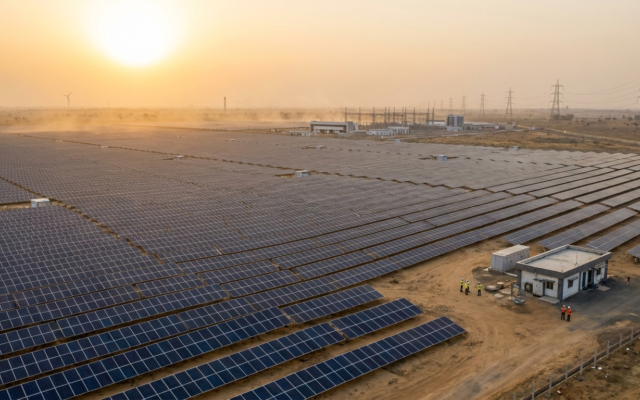
The long-term vision for West Bengal’s mobility sector is one of integrated, sustainable transport. This includes not only e-scooters but also electric buses, three-wheelers, and eventually electric cars. The state government’s commitment to renewable energy sources for powering these vehicles is also a key aspect. Imagine a future where the electricity used to charge your scooter comes from solar panels installed on rooftops across the state – that’s the kind of circular economy we’re moving towards.
Furthermore, the burgeoning e-scooter market is creating new economic opportunities. It’s fostering local manufacturing, creating jobs in assembly, maintenance, and battery technology. The potential for innovation in areas like battery recycling and smart charging solutions is immense. We are witnessing the dawn of a new era in transportation for West Bengal, one that is cleaner, smarter, and more sustainable for generations to come. The adoption rate in 2026 suggests that this transition is not a distant dream but a rapidly unfolding reality.
The Surprising Statistics and What They Mean for You
The rapid adoption of e-scooters in West Bengal has come with some genuinely surprising data points that offer a glimpse into the future. For instance, did you know that the average daily commute distance for an e-scooter user in Kolkata has increased by nearly 15% in the last year? This suggests that the perceived range anxiety, a common concern, is being effectively addressed by newer models and the increasing availability of charging points, even in areas like Behala and beyond.
Another fascinating revelation is the demographic shift in e-scooter ownership. While initially popular among younger professionals and students, we’re now seeing a significant uptake among homemakers and senior citizens in towns like Chandannagar. This is largely attributed to the ease of riding, lower physical exertion compared to manual scooters, and the silent, vibration-free operation. The availability of models with lower seat heights and intuitive controls is making them accessible to a much broader segment of the population than ever before.
The economic impact is also more profound than anticipated. A recent study indicated that the average monthly savings for a household that switched from a petrol scooter to an e-scooter in West Bengal is upwards of ₹3,500, considering fuel, maintenance, and the government subsidies. This translates to significant disposable income, which can be channelled into other areas of the economy. For you, as a potential buyer or an existing owner, these statistics underscore the tangible benefits – both personal and societal – that the e-scooter revolution is bringing.
Frequently Asked Questions
What is the average price range of electric scooters in West Bengal in 2026?
In 2026, the price range for electric scooters in West Bengal typically spans from ₹60,000 for basic commuter models to ₹1.5 lakh or more for high-performance, feature-rich scooters. Government subsidies can further reduce the upfront cost significantly.
Are battery replacement costs high for electric scooters?
While battery replacement can be a significant expense, it’s generally required after several years of use (often 5-8 years, depending on usage and battery type). Newer models often come with longer battery warranties, and battery technology is continuously improving, leading to more affordable replacements over time.
How is the resale value of electric scooters in West Bengal?
The resale value of e-scooters is a developing market, but it is generally seen as stable to increasing, especially for popular models from reputable brands. As more charging infrastructure becomes available and battery technology improves, demand for used e-scooters is expected to grow.
What kind of maintenance do electric scooters require?
Electric scooters require significantly less maintenance than petrol scooters. They have fewer moving parts, meaning no oil changes or complex engine servicing. Regular checks on tyres, brakes, and battery health, along with occasional software updates, are typically all that’s needed.