Key Takeaways
- India is witnessing a surge in integrative health practices, blending Ayurveda with modern medicine for holistic patient care.
- This approach focuses on personalized treatment plans addressing the root cause of illness, not just symptoms.
- Expect enhanced patient outcomes, particularly for chronic conditions like diabetes, arthritis, and stress-related disorders.
- New research centres and training programs are emerging, making these integrated therapies more accessible and scientifically validated.
The Dawn of Integrative Healthcare in India
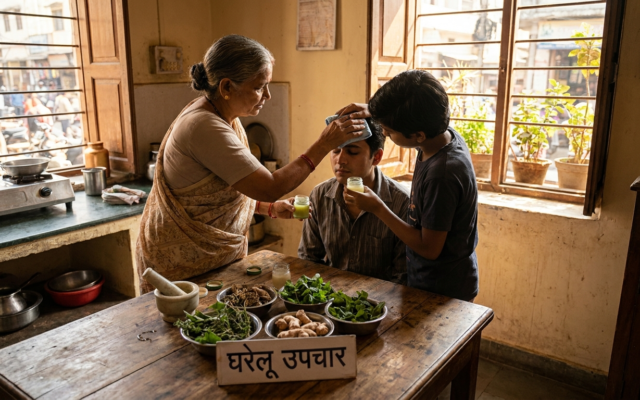
The way we approach health in India is undergoing a quiet revolution, a powerful confluence of ancient wisdom and cutting-edge science. For centuries, Ayurveda has been a cornerstone of well-being, offering profound insights into the human body and nature’s remedies. Now, in 2026, we’re seeing a remarkable integration of these time-tested principles with the diagnostic precision and therapeutic advancements of modern allopathic medicine. This isn’t about choosing one over the other; it’s about harnessing the strengths of both to create a more complete and effective healthcare paradigm for you and your family.
This shift is driven by a growing recognition that a purely symptom-focused approach often leaves underlying imbalances unaddressed. Integrative health seeks to understand the unique constitution of each individual, their lifestyle, and environmental factors. By combining the diagnostic tools of modern medicine – like advanced imaging and genetic profiling – with the holistic assessment of an Ayurvedic practitioner, we can paint a far more detailed picture of your health. This allows for truly personalised treatment plans that go beyond quick fixes.
The benefits are becoming increasingly evident, especially for chronic conditions that often confound conventional treatment alone. Imagine a patient with persistent rheumatoid arthritis finding relief not just through anti-inflammatory drugs, but also through targeted Ayurvedic herbs and lifestyle modifications that reduce inflammation at its source. This is the promise of integrative health, and it’s rapidly becoming a reality across India.
Personalised Medicine: Root Causes Over Symptoms
One of the most significant shifts brought about by integrative health is its laser focus on identifying and treating the root cause of illness. Traditional medicine often excels at managing symptoms, providing immediate relief. However, integrative approaches delve deeper, seeking to understand the fundamental imbalances that led to the disease in the first place. This is particularly crucial for chronic ailments that plague millions across India, from diabetes and hypertension to autoimmune disorders and mental health challenges.
Consider a patient struggling with recurrent digestive issues. Modern medicine might offer antacids or other symptomatic relief. An integrative practitioner, however, would explore potential dietary triggers, stress levels, gut microbiome health, and even constitutional imbalances (Prakriti) as described in Ayurveda. By addressing these underlying factors, the aim is not just to suppress symptoms but to restore the body’s natural equilibrium, leading to sustainable well-being. This philosophy is deeply embedded in Ayurvedic principles, which view disease as a disruption of the body’s natural harmony.
This personalised approach means that treatment plans are never one-size-fits-all. They are meticulously crafted based on your unique genetic makeup, lifestyle, diet, and the specific presentation of your health condition. This might involve a combination of prescribed medications, specific Ayurvedic formulations, dietary adjustments guided by principles of food-as-medicine, yoga and meditation for stress management, and even detoxification therapies (Panchakarma) tailored to your constitution. The goal is to empower you to take an active role in your healing journey.
The Rise of Integrative Centres and Research
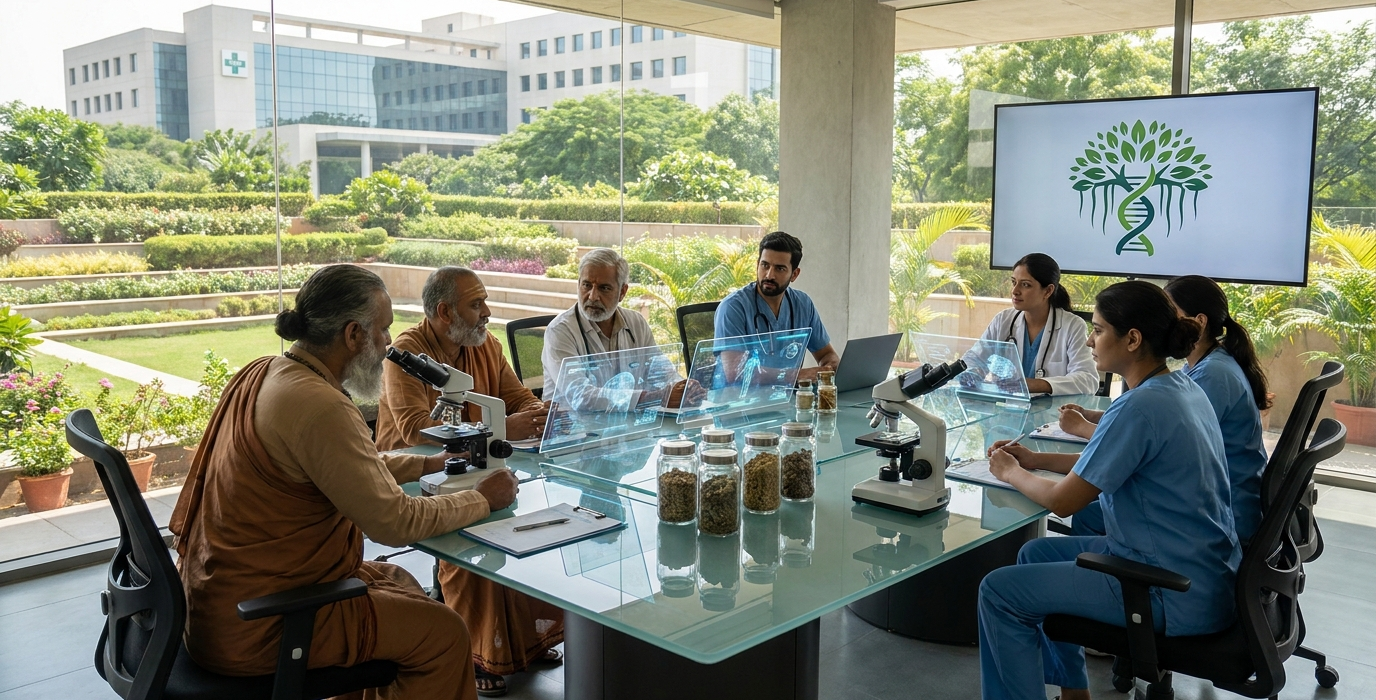
India is witnessing a significant increase in dedicated integrative health centres and research initiatives. These facilities are at the forefront of this paradigm shift, offering a structured environment where Ayurvedic and modern medical experts collaborate closely. You can now find hospitals and clinics in cities like Bengaluru, Mumbai, and even smaller towns like Coimbatore, that have established departments for integrative medicine. These centres are not just offering services; they are actively engaged in advancing the field through rigorous scientific inquiry.
These new centres often boast state-of-the-art diagnostic equipment alongside traditional Ayurvedic consultation rooms. They facilitate seamless referrals between specialists, ensuring that patients receive the best of both worlds. For instance, a patient diagnosed with early-stage cancer might consult with an oncologist for conventional treatment and simultaneously work with an Ayurvedic physician to manage side effects, boost immunity, and promote overall well-being during therapy. This dual approach can significantly improve quality of life and potentially aid recovery.
Crucially, these institutions are also fostering vital research. Studies are now being conducted to scientifically validate the efficacy of Ayurvedic treatments for various chronic diseases when used in conjunction with modern medicine. This includes clinical trials examining the impact of specific Ayurvedic herbs on inflammatory markers in arthritis patients or the effectiveness of yoga and meditation in managing hypertension. The results from these ongoing studies are crucial for building a robust evidence base, increasing acceptance, and making these integrated therapies more accessible and trustworthy for everyone.
Ayurveda’s Unique Contributions to Modern Health
Ayurveda offers a wealth of knowledge that uniquely complements modern medical science. Its emphasis on understanding an individual’s unique constitution, known as Prakriti, is a revolutionary concept in personalised medicine. By assessing your Prakriti – a combination of Vata, Pitta, and Kapha doshas – practitioners can anticipate potential health predispositions and tailor preventative and therapeutic strategies specifically for you. This is far more nuanced than generic health advice.
One of Ayurveda’s most powerful contributions lies in its sophisticated understanding of the gut microbiome and its impact on overall health. Long before modern science coined the term ‘microbiome’, Ayurvedic texts described the importance of Agni (digestive fire) and the balance of bodily humours for maintaining health. Modern research is now confirming that a healthy gut is intrinsically linked to immunity, mental well-being, and the prevention of chronic diseases, validating centuries of Ayurvedic wisdom.
Furthermore, Ayurveda’s vast pharmacopoeia of herbs and natural remedies, meticulously documented over millennia, offers a rich source for drug discovery and therapeutic innovation. Many modern drugs have their origins in plant-based medicines, and Ayurvedic traditions provide a deep well of knowledge about their properties, combinations, and applications. For example, the adaptogenic properties of Ashwagandha, a staple in Ayurvedic practice, are now being extensively studied for their potential in managing stress and improving cognitive function, aligning perfectly with modern research into neuroprotection and stress resilience.
Navigating Integrated Treatment Plans
Embarking on an integrative health journey requires a proactive and informed approach. The first step is to find qualified practitioners who are trained in both modern medicine and established Ayurvedic principles. Look for centres that openly discuss the synergy between the two disciplines and have a clear protocol for collaboration. Building a trusting relationship with your healthcare providers is paramount, as they will be guiding you through potentially complex treatment pathways.
When you consult with an integrative practitioner, be prepared to share your full health history, including any past illnesses, current medications, lifestyle habits, and dietary preferences. The more information you provide, the more accurate and effective your personalised treatment plan will be. Don’t hesitate to ask questions about the proposed therapies, their potential benefits, side effects, and how they will interact with any existing treatments you are undergoing. Transparency and open communication are key to successful integration.
A typical integrative treatment plan might involve a combination of dietary modifications based on Ayurvedic principles, herbal supplements, stress-reduction techniques like meditation or yoga, and conventional medical interventions as needed. For instance, someone managing Type 2 diabetes might receive a prescription for Metformin, alongside recommendations for a low-glycemic Ayurvedic diet, Bitter Melon (Karela) supplements known to help regulate blood sugar, and daily mindfulness practice to manage stress, a known contributor to blood sugar spikes. This multi-pronged strategy aims for optimal health outcomes.
The Future: Accessible, Evidence-Based Integrative Care
The trajectory of integrative health in India is overwhelmingly positive, pointing towards a future where these holistic approaches are not just niche offerings but mainstream healthcare options. As research continues to provide robust scientific validation for Ayurvedic interventions, we can expect greater acceptance and integration within the national health infrastructure. This means improved accessibility for all citizens, regardless of their location or economic standing.
Government initiatives and policy support are also beginning to recognise the value of integrating traditional medicine with modern healthcare. We anticipate increased funding for research institutions, greater standardisation of Ayurvedic education and practice, and the development of more inclusive insurance policies that cover integrative therapies. This is crucial for ensuring that these advanced, holistic treatments are within reach of the average Indian family, not just a privilege for the few.
“The true power of integrative health lies in its ability to treat the person, not just the disease, fostering a deeper connection to one’s own well-being.”
The ultimate goal is to create a healthcare system that is not only reactive to illness but proactively promotes lifelong wellness. By embracing the wisdom of Ayurveda and marrying it with the precision of modern science, India is poised to become a global leader in this transformative approach to health. Imagine a future where chronic diseases are better managed, mental well-being is prioritised, and individuals feel empowered to live healthier, more fulfilling lives – this future is being built today.
Frequently Asked Questions
What is Prakriti in Ayurveda?
Prakriti refers to an individual’s unique mind-body constitution, determined at conception, based on the predominant doshas (Vata, Pitta, Kapha). Understanding your Prakriti helps tailor diet, lifestyle, and treatments for optimal health and disease prevention.
Are Ayurvedic herbs safe to take with modern medicines?
While many Ayurvedic herbs are safe, it is crucial to consult with a qualified integrative healthcare professional. They can assess potential interactions between herbs and your prescribed medications, ensuring your safety and treatment efficacy.
How can integrative health help with stress and anxiety?
Integrative approaches often combine Ayurvedic stress-management techniques like yoga, meditation, and specific herbs (e.g., Ashwagandha) with modern therapies such as counselling or, if necessary, medication. This holistic method addresses both the physical and mental aspects of stress.
Where can I find reputable integrative health centres in India?
Major cities like Delhi, Mumbai, Bengaluru, and Chennai have numerous hospitals and clinics offering integrative medicine. Look for institutions with dedicated departments and experienced practitioners who are transparent about their approach and collaborate between Ayurvedic and allopathic doctors.