Key Takeaways
- Indian universities are launching a wave of proactive mental wellness initiatives in 2026, moving beyond reactive counselling.
- Digital tools, peer support networks, and integrated campus policies are becoming central to these programs.
- Faculty and staff training is a critical component, empowering them to identify and support students in distress.
- The focus is on creating a campus culture that normalises mental health conversations and reduces stigma.
Campus Mental Health: A 2026 Paradigm Shift
The pressure cooker environment of higher education has long been a known contributor to student stress. In 2026, however, India’s universities are demonstrating a significant and encouraging shift in how they approach student mental well-being. We’re seeing a move from merely offering counselling services to implementing comprehensive, proactive strategies designed to foster resilience and prevent crises. This isn’t just about treating problems; it’s about building a supportive ecosystem from the ground up.
Institutions across the country, from the bustling metros of Delhi and Mumbai to the academic hubs of Pune and Bengaluru, are investing heavily in these new programs. The rationale is clear: a mentally healthy student body is a more engaged, successful, and fulfilled one. This year marks a pivotal moment where mental wellness is no longer an add-on but a core component of the university experience. We’re talking about a systemic change that impacts every student, every day.
Digital Tools and Tech-Enabled Support
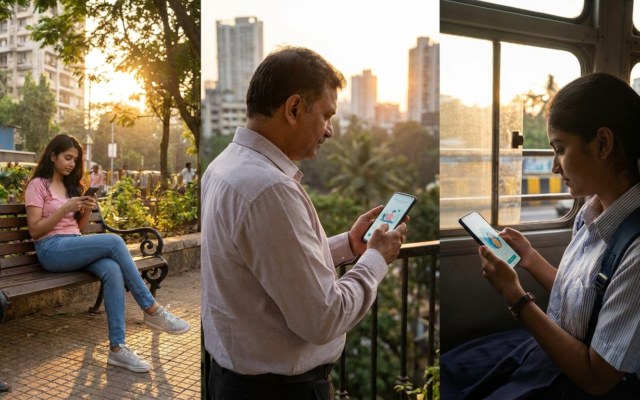
One of the most striking developments in 2026 is the widespread adoption of digital tools for mental health support. Universities are no longer solely reliant on traditional in-person counselling sessions. Many now offer dedicated mental wellness apps that provide students with guided meditations, mood trackers, and self-help resources. These platforms are accessible 24/7, offering immediate support when students need it most, regardless of time or location.
Consider the Delhi School of Economics, which has partnered with a leading EdTech firm to launch a bespoke app for its students. It features anonymous chat bots trained to offer initial guidance and direct students to appropriate human resources. Similarly, the Indian Institute of Technology, Bombay, is piloting a gamified wellness platform that encourages healthy habits like sufficient sleep and physical activity, linking them to mental well-being modules. This technological integration is not a replacement for human connection but a powerful supplement, breaking down barriers to access.
The Reach of Digital Platforms
The appeal of these digital solutions lies in their accessibility and anonymity. Many students feel more comfortable seeking initial help through an app than walking into a counselor’s office. This is particularly true for those who may be hesitant due to stigma or privacy concerns. The data gathered from these platforms, when anonymised and aggregated, also provides valuable insights for universities to tailor their support services more effectively. We’re seeing a more data-driven approach to student care.
Peer Support: Building Community Resilience
Beyond technology, the power of peer-to-peer support is being harnessed more strategically than ever before. Universities are actively establishing and formalising peer support networks, training students to be first responders and confidantes for their fellow learners. These programs are crucial for creating a sense of belonging and reducing the isolation that can often exacerbate mental health challenges. It’s about empowering students to look out for each other.
The National Law School of India University, Bengaluru, has an exemplary “Buddy System” where senior students are paired with first-year undergraduates. These buddies are trained in active listening, empathy, and how to recognise signs of distress. They provide a friendly face and a safe space for new students to navigate the complexities of campus life. This initiative is not about diagnosing or treating, but about offering emotional support and guidance.
The Surprising Impact of Peer Networks
What’s truly remarkable is the proven effectiveness of these peer-led initiatives. Studies from campuses like Ashoka University show that students involved in peer support programs report higher levels of connectedness and greater confidence in seeking help when needed. This organic network acts as an early warning system, catching issues before they escalate. It fosters a culture where asking for help is seen as a strength, not a weakness, and where students feel genuinely cared for by their peers. A surprising insight from a recent campus survey revealed that 70% of students felt more comfortable discussing personal issues with a trained peer than with a faculty member.
Integrated Campus Policies: A Holistic Approach
A significant trend in 2026 is the integration of mental wellness into the very fabric of campus policies. This means that mental health considerations are no longer confined to the student counselling centre but are woven into academic advising, residential life, and even disciplinary procedures. Universities are recognising that a student’s well-being impacts their academic performance and overall campus experience. Therefore, policies are being reviewed and revised to be more supportive and less punitive.
For instance, many institutions are updating their academic flexibility policies to accommodate students experiencing mental health crises. This could include extensions for assignments, flexible exam schedules, or the option for temporary leave of absence without academic penalty. The University of Hyderabad has been a frontrunner, establishing clear protocols for faculty and staff on how to respond to students disclosing mental health concerns, ensuring a consistent and supportive approach. This integrated strategy signals a commitment from the highest levels of administration.
Beyond the Counselling Centre
This holistic approach extends to the physical campus environment as well. We’re seeing more dedicated “calm zones” or quiet spaces designed for relaxation and mindfulness, often located in high-traffic areas like libraries and student unions. These spaces offer a respite from the hustle and bustle, allowing students to decompress. The goal is to create an environment that actively supports mental well-being, rather than just reacting to problems. This proactive stance is what truly defines the 2026 initiatives.
Faculty and Staff Training: Empowering Educators
Crucially, universities in 2026 are investing heavily in training faculty and staff to become more attuned to student mental health. This is a vital step, as educators often spend more time with students than professional counsellors do. Equipping them with the skills to recognise signs of distress, engage in supportive conversations, and know when and how to refer students for professional help is paramount. This isn’t about turning them into therapists, but rather into informed first responders.
Many institutions are now mandating basic mental health awareness training for all new faculty and staff, with ongoing refresher courses. The Indian Institute of Management, Ahmedabad, for example, has developed a comprehensive program that covers topics like identifying common mental health conditions, de-escalation techniques, and understanding campus support resources. This training empowers them to respond with sensitivity and confidence.
The ‘See Something, Say Something’ Culture
The impact of this training is multifaceted. It fosters a campus culture where mental health is openly discussed and where students feel more comfortable approaching trusted faculty or staff members. It also ensures that when a student is struggling, the right support can be activated quickly and effectively. This creates a safety net that is more robust and responsive. A particularly interesting aspect of this training involves role-playing scenarios, allowing staff to practice their responses in a safe, simulated environment.
Destigmatising Mental Health: Normalising the Conversation
Perhaps the most profound and lasting impact of the 2026 initiatives is the effort to destigmatise mental health on campus. Universities are actively working to normalise conversations around mental well-being, making it as acceptable to discuss anxiety or depression as it is to talk about a physical ailment. This is achieved through awareness campaigns, workshops, and by featuring student and alumni stories that highlight their mental health journeys.
Colleges are hosting “Mental Health Awareness Weeks” with guest speakers, art installations, and interactive sessions designed to engage students. The Tata Institute of Social Sciences, Mumbai, has been particularly innovative, using theatre and spoken word poetry performances to explore themes of mental health in relatable ways. These events aim to break down the silence and encourage open dialogue.
“We are shifting from a crisis management model to a preventative well-being culture. Our aim is for every student to feel empowered to seek help, and for every staff member to feel equipped to offer initial support, creating a truly caring campus community.” – Dr. Anjali Sharma, Dean of Student Affairs, University of Delhi.
Creating an Inclusive Environment
This focus on destigmatisation is crucial for ensuring that all students, regardless of their background or circumstances, feel safe and supported. By making mental health a visible and acknowledged part of campus life, universities are creating a more inclusive and supportive environment for everyone. This cultural shift is perhaps the most significant and hopeful development we’ve seen in higher education mental health in years. The goal is a campus where seeking support is as natural as attending a lecture.
Frequently Asked Questions
What are the most common mental health challenges faced by Indian university students in 2026?
Students commonly grapple with academic pressure, anxiety, depression, and adjustment difficulties to university life. The increased competition and societal expectations continue to be significant stressors. Social isolation and relationship issues also play a role.
How can students access the new mental wellness resources being introduced in 2026?
Access is typically through university websites, dedicated mobile apps, student portals, and direct contact with student support services or counselling centres. Many universities also have information desks and notice boards detailing available resources.
Are these mental wellness initiatives available to all students, including those in remote or rural campuses?
While urban campuses often have more resources, there’s a growing effort to extend digital tools and online support to students in remote locations. Tele-counselling services are also being expanded to bridge geographical gaps.
What role do parents play in supporting student mental health on campus?
Universities are increasingly engaging parents through informational webinars and resources that help them understand the challenges their children might face and how to offer support. Open communication between students and parents is encouraged.