Key Takeaways
- The digital deluge is impacting our well-being: From sleep disruption to heightened anxiety, excessive screen time is a growing concern for Indians and global citizens alike.
- Mindfulness and nature are powerful antidotes: Reconnecting with the present moment and the natural world offers tangible relief and improved mental clarity.
- Strategic digital boundaries are achievable: Simple, consistent habits can help you reclaim your time and attention without completely disconnecting.
- The ‘digital detox’ is evolving: It’s less about outright abstinence and more about intentional, balanced integration of technology into our lives in 2026.
The Constant Buzz: Are We Drowning in Digital Noise?
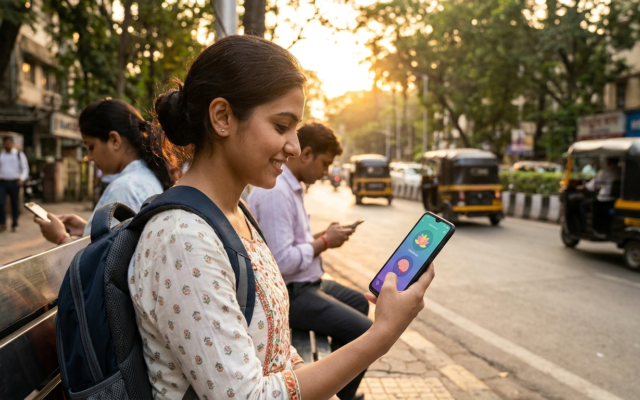
The year is 2026, and the glow of our screens remains a near-constant companion. From the moment we wake to the last scroll before sleep, our smartphones, tablets, and laptops weave an intricate tapestry of connection, information, and, increasingly, distraction. This pervasive digital immersion, while offering undeniable benefits, is also casting a long shadow over our mental and emotional well-being. We are more connected than ever, yet many report feeling a profound sense of disconnection from ourselves and the world around us.
The statistics are sobering. Studies conducted across major Indian metros like Mumbai, Delhi, and Bengaluru in early 2026 reveal a significant rise in reported sleep disturbances directly linked to late-night screen use. This isn’t just about blue light interfering with melatonin production; it’s the endless scroll, the curated perfection of social feeds, and the pressure to be always “on” that keeps our minds buzzing long after we’ve turned off our devices. Anxiety levels, too, are on the upswing, with many individuals expressing feelings of inadequacy and comparison fueled by constant online exposure. We’re bombarded with news, notifications, and a relentless stream of content, making it harder to find moments of genuine peace and quiet.
This isn’t a problem confined to the young; professionals in their prime, juggling demanding careers and family life, are also feeling the strain. The blurring lines between work and personal life, exacerbated by remote and hybrid models, mean our devices are often extensions of our office, even when we’re home. The psychological toll of this constant connectivity is subtle but insidious, leading to burnout and a pervasive sense of overwhelm. It’s a trade-off we’ve become accustomed to, but one that’s becoming increasingly unsustainable for our mental health.
Rediscovering Stillness: The Rise of Mindful Living
In response to this escalating digital saturation, a powerful counter-movement is gaining momentum: mindful living. It’s not about rejecting technology outright, but rather about cultivating a more intentional relationship with it. This involves actively seeking out moments of stillness and presence, detaching from the constant demands of the digital world to reconnect with our inner selves and our immediate surroundings. Think of it as an active, conscious choice to step off the hamster wheel of notifications and infinite scrolling.
Mindfulness practices, once considered niche, are now becoming mainstream. From guided meditations available on apps (ironically, but used with intention) to dedicated quiet rooms in corporate offices across India, the emphasis is on training our attention. We’re learning to observe our thoughts and feelings without judgment, to savour simple experiences, and to appreciate the present moment. This is crucial because our brains, constantly stimulated by the rapid-fire nature of digital content, are losing their capacity for sustained focus and deep contemplation. By practising mindfulness, we begin to regain that lost ground.
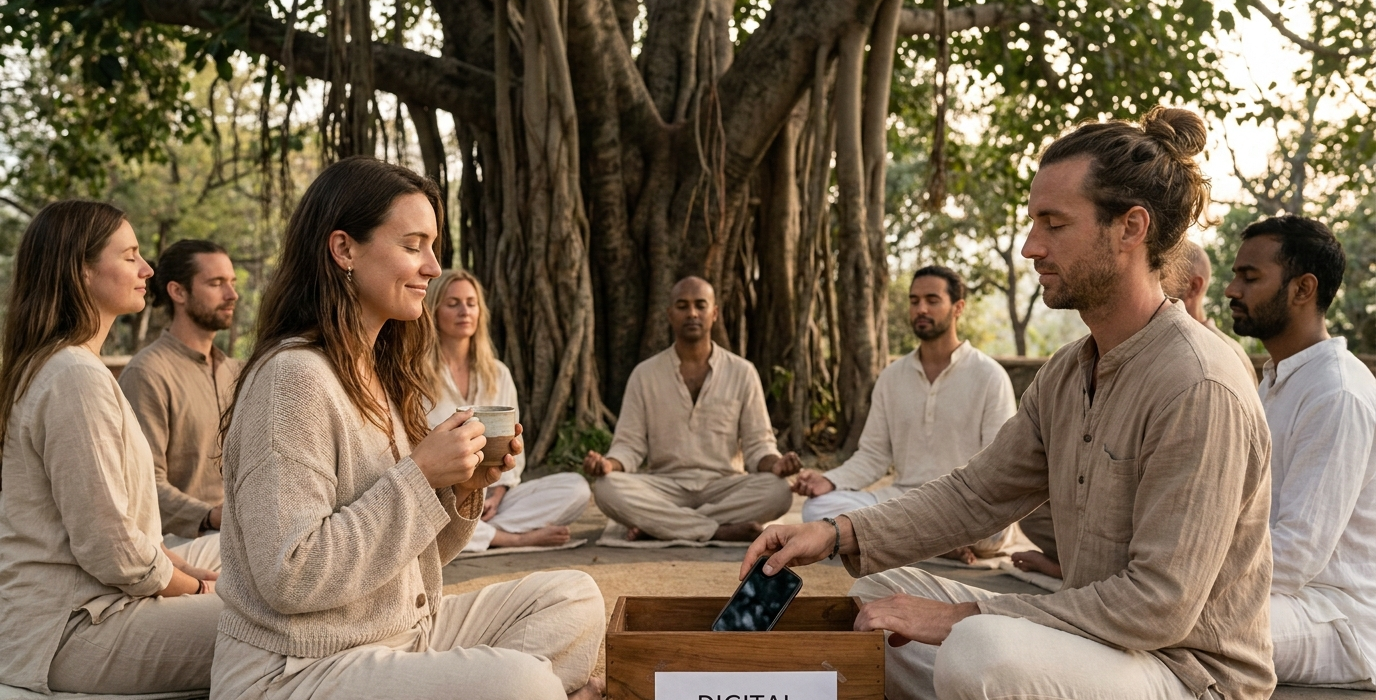
A surprising trend we’re observing is the resurgence of traditional Indian practices like Dhyana (meditation) and Pranayama (breathing exercises) as vital tools in this modern quest for mental clarity. Communities in cities like Pune and Mysore are seeing increased participation in these ancient techniques, offering a tangible way to ground oneself amidst the digital chaos. These practices don’t require any special equipment, just a willingness to sit quietly and observe, making them accessible to everyone. The goal is to build resilience against the stresses of modern life by strengthening our inner core.
Nature’s Balm: Finding Solace in the Great Outdoors
While mindfulness offers an internal sanctuary, the external world, particularly nature, provides a powerful, restorative balm. In 2026, we’re seeing a growing recognition of “nature therapy,” or ecotherapy, as a vital component of holistic well-being. The simple act of spending time outdoors, away from screens and artificial light, can have profound positive effects on our mental health. This isn’t just about pretty scenery; it’s about engaging our senses in a way that the digital world can never replicate.
Consider the physiological benefits: exposure to natural light helps regulate our circadian rhythms, improving sleep quality. The sounds of nature – birdsong, rustling leaves, flowing water – have a calming effect on our nervous systems, reducing cortisol levels and promoting relaxation. Even a short walk in a local park in Chennai or a trek through the Western Ghats near Lonavala can significantly lower stress and improve mood. The vibrant greens, earthy browns, and the vast expanse of the sky offer a visual respite from the sterile glow of our devices, allowing our eyes and minds to relax.
There’s a growing movement encouraging “forest bathing” (Shinrin-yoku), a practice originating in Japan, which involves immersing oneself in the forest atmosphere. This is more than just a hike; it’s about a slow, mindful engagement with the forest, paying attention to sights, sounds, smells, and textures. Initiatives promoting urban green spaces and encouraging citizens to explore national parks are gaining traction across India. A fascinating study from IIM Ahmedabad in 2026 highlighted that even short, regular exposures to green spaces led to a measurable decrease in reported symptoms of depression and anxiety among participants. This underscores the potent, accessible healing power of the natural world.
Crafting Digital Boundaries: Practical Strategies for the Modern Indian
The concept of a “digital detox” often conjures images of complete abstinence, a monastic withdrawal from the connected world. However, for most of us in 2026, this is neither practical nor desirable. The real goal is not eradication, but integration – finding a healthy balance where technology serves us, rather than enslaving us. This requires conscious effort and the implementation of practical strategies to create meaningful boundaries.
One of the simplest yet most effective tactics is to implement tech-free zones and times. Designate certain areas of your home, like the dining table or the bedroom, as screen-free sanctuaries. Similarly, establish periods during the day where you deliberately put your phone away, perhaps during meals or for an hour before bed. This creates crucial breathing room, allowing for uninterrupted conversation, focused relaxation, or simply a moment to be present with yourself. It’s about reclaiming your immediate environment from the digital intrusion.
Another powerful strategy is curating your digital diet. Just as you’d be mindful of what you eat, be mindful of what you consume online. Unfollow accounts that trigger negative emotions or fuel comparison. Turn off non-essential notifications – do you really need to know the instant someone likes your post? Consider using app-limiting features available on most smartphones to set daily time limits for specific applications. This proactive approach helps regain control over your attention and reduces the constant urge to check your devices. A surprising statistic from a recent survey of Indian millennials showed that 70% found turning off social media notifications led to a significant reduction in feelings of FOMO (Fear Of Missing Out).
The Power of Purposeful Connection: Quality Over Quantity
In our hyper-connected world, it’s easy to confuse quantity of connection with quality. We might have hundreds of “friends” online, but feel a profound lack of genuine, meaningful relationships. The digital wellness trend of 2026 is emphasizing a shift towards purposeful connection, prioritising interactions that nourish us rather than deplete us. This means being more intentional about how, when, and with whom we engage online and offline.
Instead of passively scrolling through feeds, actively seek out conversations that matter. Schedule video calls with loved ones who live far away, engaging in deeper dialogue than a quick text message allows. When you are online, focus on contributing meaningfully, sharing your thoughts constructively, or offering genuine support. This shift from passive consumption to active, thoughtful participation can transform your online experience from a source of stress to one of genuine connection and community building.
This also applies to our offline lives. The digital age can sometimes lead us to neglect the people right in front of us. Make a conscious effort to be present during face-to-face interactions. Put your phone away when you’re with family or friends, and engage fully in the conversation. Seek out opportunities for shared experiences – joining a local book club in Kolkata, volunteering for an environmental cause in the Himalayas, or simply having a leisurely chai with a neighbour. These genuine, unhurried connections are the bedrock of our emotional well-being, offering a depth that digital interactions, however frequent, can rarely match. The emphasis is on cultivating relationships that are rich, authentic, and life-affirming.
Reclaiming Your Time: Tools and Techniques for Digital Well-being
The battle for our attention is fierce, and technology companies are masters at capturing it. However, by employing a combination of technological tools and mindful habits, we can reclaim our time and energy. This isn’t about becoming a luddite; it’s about becoming a more discerning and intentional user of technology.
Consider the growing popularity of “dumb phones” or feature phones for specific times or individuals. While smartphones offer unparalleled functionality, a simpler device can be a powerful tool for reducing distraction during family time or for children learning to manage their screen exposure. Many Indian families are now opting for a secondary, basic phone for younger children, limiting their access to social media and games. This offers a tangible way to disconnect without complete isolation.
Beyond hardware, software plays a crucial role. Explore digital well-being features built into your operating system. Tools like “Focus Mode” on iOS or “Digital Wellbeing” on Android allow you to set app limits, schedule downtime, and even grayscale your screen to make it less appealing. For those seeking more robust solutions, third-party apps offer features like website blockers, internet usage trackers, and scheduled internet shutdowns. A fascinating innovation emerging in 2026 is the “Digital Harmony” app, which uses AI to learn your usage patterns and proactively suggest breaks or block distracting sites during periods of high cognitive demand, like during work hours or study sessions. These tools are not just about restriction; they empower you to make conscious choices about how you spend your most valuable resource: your time.
Frequently Asked Questions
How can I reduce my screen time without feeling isolated in 2026?
Focus on quality over quantity in your connections. Schedule regular video calls with loved ones, engage in deeper conversations, and prioritize in-person interactions. Explore joining local clubs or volunteer groups to build offline community. Remember, intentional connection is more fulfilling than constant passive online engagement.
What are the most effective mindfulness techniques for beginners in India?
Start with simple daily meditation for 5-10 minutes, focusing on your breath. Apps like Calm or Headspace offer guided sessions. Experiment with Pranayama (breathing exercises) like Anulom Vilom. Even a short mindful walk in nature, paying attention to your senses, can be incredibly beneficial.
Are there specific Indian wellness retreats that focus on digital detox?
Yes, many ashrams and wellness centres in places like Rishikesh, Dharamshala, and Kerala are offering programs that incorporate digital detox principles. These often combine meditation, yoga, nature immersion, and mindful living workshops, providing a structured environment to disconnect and rejuvenate.
What surprising benefits can I expect from spending more time in nature?
Beyond stress reduction, you might experience improved creativity, better problem-solving skills, and enhanced mood. Studies are increasingly showing that exposure to nature can boost our immune system and even improve eyesight by reducing strain from digital screens. It’s a holistic restoration for both mind and body.