Key Takeaways
- Ayurveda is experiencing a significant global resurgence, moving beyond traditional spa treatments to integrated wellness plans.
- Consumers in India and abroad are increasingly seeking personalized, natural solutions for chronic conditions and stress management.
- The rise of digital platforms and expert-led online courses is democratising access to authentic Ayurvedic knowledge.
- Innovations in Ayurvedic product formulation, from skincare to supplements, are meeting stringent international quality standards.
The New Wave of Wellness: Ayurveda’s Global Ascent
The ancient Indian system of medicine, Ayurveda, is no longer a niche curiosity; it’s a driving force in the global wellness revolution of 2026. We’re witnessing a profound shift as individuals, from bustling metros like Mumbai to cosmopolitan hubs like London and New York, actively seek out holistic health solutions. This isn’t just about a rejuvenating massage at a Kerala resort anymore. It’s about integrating time-tested principles of balance and natural healing into everyday life.
The core of Ayurveda lies in understanding your unique constitution, or *dosha*, and tailoring lifestyle, diet, and herbal remedies accordingly. This deeply personalized approach is resonating powerfully in a world fatigued by one-size-fits-all solutions. As we navigate complex health challenges and the relentless pace of modern living, the promise of a more balanced, sustainable path to well-being is incredibly appealing. This renewed interest signifies a maturing consumer base that prioritizes preventative care and long-term vitality over quick fixes.
Governments and health organisations worldwide are also taking note. Recognizing the growing demand and the potential for integrated healthcare models, research into Ayurvedic efficacy is gaining momentum. This validation, coupled with a growing body of scientific evidence, is paving the way for broader acceptance and integration into mainstream health practices. We are on the cusp of a truly global embrace of this ancient wisdom.
Personalisation is Key: The Dosha-Driven Lifestyle
The most compelling aspect of Ayurveda’s current global appeal is its inherent focus on individual uniqueness. Unlike generic wellness advice, Ayurveda prescribes a lifestyle tailored to your specific *Prakriti* (constitution) – a blend of *Vata*, *Pitta*, and *Kapha* doshas. Understanding your dominant dosha is the first step towards unlocking personalised health strategies.
For instance, someone with a predominantly Vata constitution, often characterized by a lean build, dry skin, and a tendency towards anxiety, will receive vastly different dietary and lifestyle recommendations than someone with a Kapha constitution, who might be more prone to weight gain and lethargy. This granular level of detail allows individuals to address their specific imbalances, whether it’s improving digestion, managing stress, or enhancing sleep quality.
We are seeing a surge in digital tools and consultations that help individuals identify their dosha. Ayurvedic practitioners are leveraging AI-powered platforms to offer more accessible and immediate insights. This democratisation of knowledge means that you can start your Ayurvedic journey from your home in Bengaluru or Paris, receiving guidance that feels truly made for you. This personalized path fosters a deeper connection to one’s own body and its needs, a crucial element in sustainable well-being.
Surprising Fact: The Ancient Indian concept of ‘Agni’ (digestive fire) as the root of health is now being discussed in the context of the gut microbiome.
The emphasis on a strong digestive fire, or *Agni*, as central to health is a cornerstone of Ayurveda. Modern science is increasingly validating this, highlighting the critical role of a balanced gut microbiome in overall well-being, from immunity to mental health. This ancient insight is finding remarkable contemporary relevance.
Beyond the Spa: Ayurvedic Integration in Daily Life
The perception of Ayurveda as solely a spa indulgence is rapidly fading. In 2026, we see its principles woven into the fabric of daily routines, influencing everything from morning rituals to work-life balance. This shift reflects a deeper understanding that true wellness is an ongoing practice, not a destination.
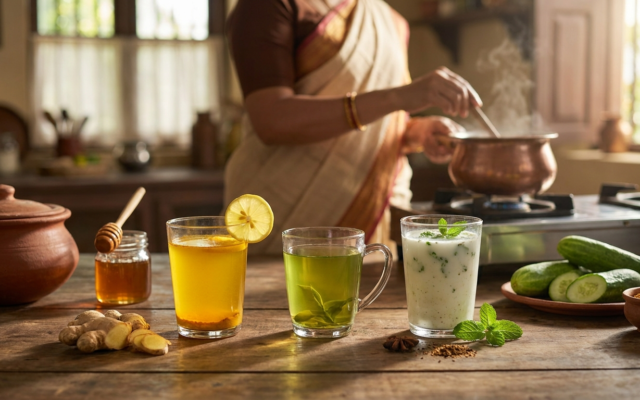
Consider the rise of Ayurvedic morning routines. Simple practices like oil pulling (*Gandusha*), tongue scraping, and mindful movement are becoming mainstream. These aren’t time-consuming rituals; they are brief, impactful habits that set a positive tone for the day. Similarly, Ayurvedic dietary principles are moving beyond complex prescriptions to embrace seasonal eating and the incorporation of universally beneficial spices like turmeric and ginger.
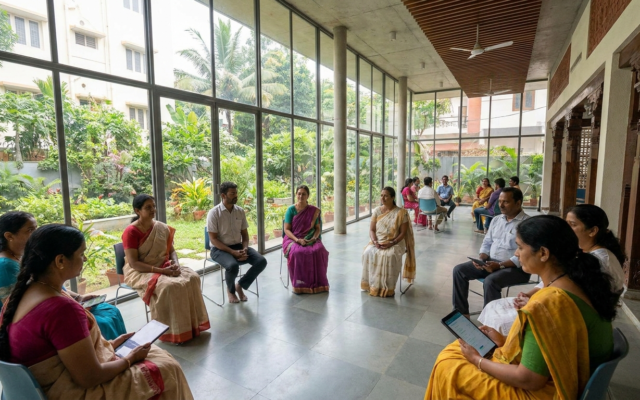
The workplace is also becoming a fertile ground for Ayurvedic wellness. Companies are beginning to offer workshops on stress management through Ayurvedic techniques, mindful eating during lunch breaks, and even creating calming spaces inspired by Ayurvedic design principles. This integration acknowledges that our professional lives significantly impact our well-being, and Ayurveda offers practical, accessible solutions to navigate these challenges effectively.
This holistic integration ensures that Ayurveda is not just a treatment option, but a sustainable lifestyle framework that supports overall vitality. It empowers individuals to take an active role in their health journey, fostering resilience and a profound sense of balance.
The Digital Ayurvedist: Accessibility and Education in 2026
One of the most significant drivers of Ayurveda’s global expansion is its newfound digital accessibility. Gone are the days when accessing authentic Ayurvedic guidance required extensive travel to India or specialized institutes. Today, you can connect with world-renowned Ayurvedic practitioners and scholars from the comfort of your home, whether you’re in Delhi or Dublin.
Online courses, webinars, and virtual consultations have democratised knowledge. Platforms now offer comprehensive modules on everything from understanding your dosha to preparing traditional remedies. These digital avenues provide a structured and credible way for people worldwide to learn about Ayurveda’s principles and practical applications.
This digital revolution is also fostering a new generation of Ayurvedic educators. These professionals are adept at translating complex ancient texts into digestible, actionable advice for a modern audience. They understand the nuances of cultural context and are sensitive to the specific health concerns of diverse populations, making Ayurvedic wisdom relatable and relevant.
Furthermore, online communities and forums allow individuals to connect, share experiences, and find support. This collaborative environment fosters a sense of belonging and encourages consistent engagement with Ayurvedic practices. It’s a powerful testament to how technology can bridge geographical divides and make ancient wisdom accessible to all.
Surprising Fact: The Ayurvedic concept of ‘Dinacharya’ (daily routine) includes specific recommendations for awakening, hygiene, exercise, and sleep that align remarkably with modern sleep science and chronobiology.
The detailed daily schedules recommended by Ayurveda, known as *Dinacharya*, are proving to be remarkably prescient. These ancient guidelines for waking, eating, exercising, and sleeping are now being recognized for their profound alignment with contemporary scientific understanding of our body’s natural rhythms.
Innovations in Formulation: From Skincare to Supplements
The global market for Ayurvedic products is booming, driven by consumer demand for natural, effective, and ethically sourced goods. This isn’t just about traditional herbal powders; innovation is at the forefront, with brands creating sophisticated formulations that meet international quality and safety standards.
Ayurvedic skincare, in particular, has seen an explosion of interest. Brands are leveraging potent botanicals like neem, sandalwood, and saffron in advanced formulations for cleansers, serums, and moisturisers. These products are not only effective but also appeal to consumers seeking clean beauty alternatives free from synthetic chemicals. Many are now certified organic and cruelty-free, aligning with evolving consumer ethics.
In the realm of supplements, Ayurvedic principles are being applied to create targeted solutions for modern ailments. Think personalized adaptogen blends for stress management, or potent formulations for immune support. These products often combine traditional herbs with modern extraction techniques to maximize bioavailability and efficacy. Rigorous testing and adherence to global regulatory requirements are paramount for these products, ensuring safety and trust.
Brands are also focusing on sustainable sourcing and ethical production. This commitment resonates deeply with conscious consumers who want their wellness choices to have a positive impact on both their health and the planet. The transparency in ingredient sourcing and manufacturing processes is becoming a key differentiator, building strong brand loyalty.
| Product Category | Key Ayurvedic Ingredients (Examples) | Targeted Benefits | Typical Price Range (USD) | Global Availability |
|---|---|---|---|---|
| Ayurvedic Skincare (Face) | Neem, Turmeric, Sandalwood, Rosehip | Acne control, Brightening, Anti-aging | $20 – $75 | High |
| Herbal Supplements (Stress) | Ashwagandha, Brahmi, Tulsi | Stress reduction, Improved focus, Better sleep | $25 – $90 | High |
| Ayurvedic Hair Care | Amla, Bhringraj, Shikakai | Hair strengthening, Scalp health, Hair growth | $15 – $50 | Moderate |
| Ayurvedic Digestive Aids | Ginger, Fennel, Triphala | Improved digestion, Reduced bloating, Gut health | $20 – $60 | High |
Challenges and the Path Forward: Ensuring Authenticity
Despite the immense growth, the path for Ayurveda is not without its challenges. As the system gains popularity, the risk of dilution and misrepresentation increases. Ensuring that the principles and practices remain authentic and are not merely co-opted for commercial gain is crucial.
One significant concern is the ‘Ayurveda-washing’ phenomenon, where products or services are marketed as Ayurvedic without adhering to genuine principles. This can mislead consumers and undermine the credibility of authentic Ayurvedic practitioners and products. Maintaining rigorous standards for training, certification, and product quality is therefore paramount.
We also need to address the gap in scientific validation for certain Ayurvedic treatments. While research is growing, more robust clinical trials are needed to further solidify its place within conventional healthcare systems. Collaboration between Ayurvedic researchers and Western medical institutions is key to bridging this gap and fostering mutual understanding.
“The true essence of Ayurveda lies not just in its remedies, but in its philosophy of living in harmony with nature and oneself. As it goes global, we must champion this holistic ethos above all else.”
The future of Ayurveda on the global stage hinges on a commitment to authenticity, continuous research, and ethical practices. By prioritizing genuine knowledge transfer and fostering a respectful integration with other healthcare systems, Ayurveda can continue to offer its profound benefits to a world in need of balanced, sustainable well-being.
Frequently Asked Questions
What is the most important principle in Ayurveda?
The most fundamental principle in Ayurveda is achieving and maintaining balance, particularly the balance of the three doshas (*Vata*, *Pitta*, and *Kapha*) within your individual constitution (*Prakriti*). This balance is seen as the foundation of good health.
Is Ayurveda suitable for everyone?
Ayurveda is highly personalized, meaning it can be adapted for almost everyone. The key is that recommendations for diet, lifestyle, and herbs are tailored to your unique dosha, age, environment, and specific health concerns, making it broadly applicable yet individually specific.
How can I start practicing Ayurveda at home?
You can begin by learning about your dominant dosha through online quizzes or by consulting a practitioner. Simple daily practices like waking early, drinking warm water, mindful eating, and incorporating seasonal foods are excellent starting points.
Are Ayurvedic products safe and regulated?
The safety and regulation of Ayurvedic products vary globally. In India, they are regulated, but it’s essential to look for products that adhere to international quality standards, have clear ingredient lists, and come from reputable manufacturers, especially when purchasing internationally.
What is the difference between Ayurveda and Yoga?
While distinct, Ayurveda and Yoga are complementary sister sciences originating from ancient India. Yoga focuses on physical postures (*asanas*), breath control (*pranayama*), and meditation for mind-body connection and spiritual growth, while Ayurveda focuses on physical health, diet, lifestyle, and herbal remedies to achieve balance and well-being.