Key Takeaways
- Explore diverse Himalayan landscapes, from Uttarakhand’s verdant valleys to Ladakh’s stark beauty, offering something for every trekker in 2026.
- Prioritise acclimatisation and hire local guides for safety and a richer cultural immersion on your Himalayan adventure.
- Consider off-season treks for fewer crowds and unique perspectives, but be prepared for variable weather conditions.
- Essential packing includes sturdy boots, layered clothing, high-SPF sunscreen, and a reliable water purification system.
Uttarakhand’s Emerald Trails: A Symphony of Meadows and Mountains
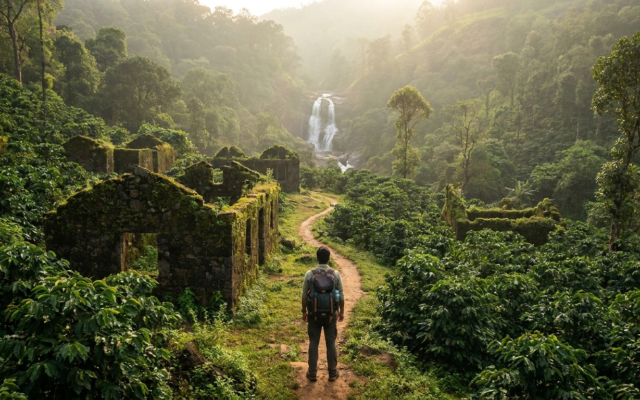
This 2026, let the emerald embrace of Uttarakhand’s Himalayas beckon you. This northern Indian state is a treasure trove of trekking routes, each offering a unique panorama of nature’s grandeur. For those seeking a balance of accessibility and breathtaking scenery, the Valley of Flowers National Park trek is an absolute must. Imagine meadows carpeted with a million vibrant blooms, a sight that has earned it UNESCO World Heritage status. Typically commencing from Govindghat, this trek winds through lush forests and gurgling streams, culminating in a spectacle that rivals any artist’s palette.
The journey itself is an experience, with small villages offering glimpses into local Himachali life. You’ll find yourself surrounded by towering peaks, their snow-capped summits piercing the azure sky. The air here is crisp and clean, invigorating your senses with every breath. Beyond the Valley of Flowers, consider the Dodital Lake trek, a serene route leading to a pristine freshwater lake believed to be the origin of the river Asi. This trek is moderately challenging, making it ideal for those with some trekking experience. It traverses dense oak and pine forests, offering opportunities for wildlife spotting.
For the more adventurous, the Har Ki Dun trek, often referred to as the “Hanging Garden of the Gods,” presents a more demanding but immensely rewarding experience. This ancient trail leads to a verdant valley, offering stunning views of the Swargarohini and Bandarpunch peaks. You’ll pass through charming hamlets like Osla and Taluka, where time seems to have slowed down. The local culture here is deeply connected to nature, and you might even witness traditional festivals. Remember, the best time to visit these regions is typically from April to June and September to November, avoiding the monsoon and winter extremes.
The Unexpected Charm of Village Stays
One of the most surprising aspects of trekking in Uttarakhand is the warmth of its people. Staying in small village homestays, often simple but comfortable, offers an unparalleled cultural immersion. You’ll share meals with local families, learning about their traditions and daily lives. This connection adds a profound layer to your adventure, transforming a physical journey into a deeply human experience. It’s a reminder that the Himalayas are not just about mountains, but also about the resilient communities that call them home.
Ladakh’s Lunar Landscapes: A High-Altitude Odyssey
Venture north to Ladakh, and you’ll find yourself in a realm of stark, breathtaking beauty. This high-altitude desert, often called “Little Tibet,” offers a completely different Himalayan experience. In 2026, if you’re seeking dramatic vistas and spiritual serenity, the Markha Valley trek is an unparalleled choice. This classic trek takes you through remote villages, ancient monasteries, and across high passes, with the majestic Stok Kangri peak often visible in the distance. It’s a journey that tests your endurance but rewards you with views of barren mountains, turquoise rivers, and the vast, clear sky.
The trek typically begins from Spituk, near Leh, and winds through a landscape that feels almost otherworldly. You’ll traverse through riverbeds, across suspension bridges, and past fields of barley. The villages you encounter, like Skiu and Hankar, are pockets of life in this arid expanse, where traditional Ladakhi culture thrives. The monasteries, such as Stakna and Thiksey, perched dramatically on hillsides, offer moments of profound peace and historical insight. Acclimatisation is paramount here; Leh itself sits at over 11,000 feet, so spending a few days adjusting to the altitude is crucial for a safe and enjoyable trek.
Another incredible option is the Sham Valley trek, also known as the “baby trek” of Ladakh, due to its lower altitude and relative ease. This makes it an excellent introduction to trekking in the region. Despite its accessibility, it doesn’t compromise on scenery. You’ll visit monasteries like Likir and Alchi, renowned for their ancient murals and spiritual significance. The route offers stunning views of the Indus River and surrounding mountain ranges. While summer (June to September) is the peak season, consider a late September or early October trek for fewer crowds and stunning autumn colours, if you are prepared for colder temperatures.
The Surprising Resilience of High-Altitude Agriculture
Witnessing agriculture in Ladakh is truly astonishing. Despite the harsh climate and scarce water, locals cultivate barley, peas, and apricots. These hardy crops are a testament to human ingenuity and deep ecological understanding. You’ll see terraced fields clinging to hillsides, a vibrant green against the stark brown and grey of the mountains. This resilience is a vital part of the Ladakhi identity and a humbling sight for any visitor. It’s a powerful reminder of how life adapts and thrives even in the most challenging environments.
Himachal Pradesh’s Majestic Peaks: From Lush Valleys to Alpine Lakes
Himachal Pradesh, a jewel in the crown of the Indian Himalayas, offers a diverse tapestry of trekking experiences in 2026. This state is renowned for its dramatic mountain scenery, charming hill stations, and vibrant culture. For those yearning for a blend of moderate challenge and spectacular vistas, the Bhrigu Lake trek near Manali is an excellent choice. This relatively short trek, usually completed in 2-3 days, takes you through alpine meadows and offers stunning views of the Pir Panjal range. The sacred Bhrigu Lake, nestled amidst the mountains, is a sight of serene beauty.
The trek begins from Gulaba, a scenic spot accessible from Manali. As you ascend, the landscape transforms from pine forests to expansive grasslands, dotted with wildflowers in the warmer months. The air becomes thinner and cooler, and the panoramic views of snow-capped peaks become more prominent. You’ll likely encounter local shepherds with their flocks, adding a touch of pastoral charm to the journey. The best time for this trek is typically from June to September. However, for those seeking a different perspective, a winter trek can be an option, but it requires significant experience and proper winter gear.
For a more challenging and extended adventure, consider the Pin Parvati Pass trek. This arduous route connects the Kullu Valley to the Spiti Valley, crossing a high mountain pass. It’s a journey through diverse ecosystems, from lush green valleys to the barren, windswept landscapes of Spiti. You’ll navigate glaciers, cross rivers, and experience the raw power of the Himalayas. This trek is recommended for experienced trekkers with a good level of physical fitness and acclimatisation. The journey offers unparalleled views and a profound sense of accomplishment upon completion.
The Ancient Art of “Chai” Rituals
Experiencing the simple act of sharing tea, or ‘chai’, in a remote Himachali village is a surprisingly profound cultural exchange. It’s more than just a drink; it’s a ritual of hospitality. Often served piping hot with local spices, sharing chai with a local family or guide provides an intimate glimpse into their lives. These moments, often unplanned, become cherished memories, highlighting the genuine warmth and generosity you’ll encounter on your journey. It’s a small gesture that speaks volumes about the spirit of the mountains.
Sikkim’s Mystical Trails: Biodiversity and Buddhist Serenity
Journey to the eastern Himalayas in 2026 and discover the enchanting trails of Sikkim. This state, nestled between Nepal, Bhutan, and Tibet, is a biodiversity hotspot and a spiritual haven. For trekkers seeking unparalleled natural beauty combined with a rich Buddhist heritage, the Goecha La trek is an absolute must. This trek offers breathtaking views of Mount Kanchenjunga, the world’s third-highest peak, and passes through rhododendron forests and pristine alpine meadows. It’s a challenging trek, but the reward of standing in the shadow of Kanchenjunga is immeasurable.
The trek typically starts from Yuksom, a historic town and the first capital of Sikkim. As you ascend, the vegetation changes dramatically, from lush subtropical forests to dense rhododendron and oak forests, and finally to alpine meadows. The presence of numerous bird species and the varied flora make this trek a delight for nature lovers. You’ll pass through villages like Tshoka and Phedang, where you can experience the local culture and hospitality. The air is filled with the scent of pine and the distant sound of prayer flags fluttering in the wind.
Another captivating trek in Sikkim is the Dzongri-Goecha La trek. This route is a slightly shorter version of the full Goecha La, still offering spectacular views of Kanchenjunga and other surrounding peaks. It’s a perfect option for those who have limited time but still want to experience the grandeur of the region. The trek involves moderate to challenging ascents and descents, with well-maintained trails for the most part. The sunrise views from Dzongri Top are legendary, painting the Kanchenjunga massif in hues of gold and pink. Remember to obtain the necessary permits for trekking in Sikkim well in advance.
The Unexpected Symphony of Prayer Flags
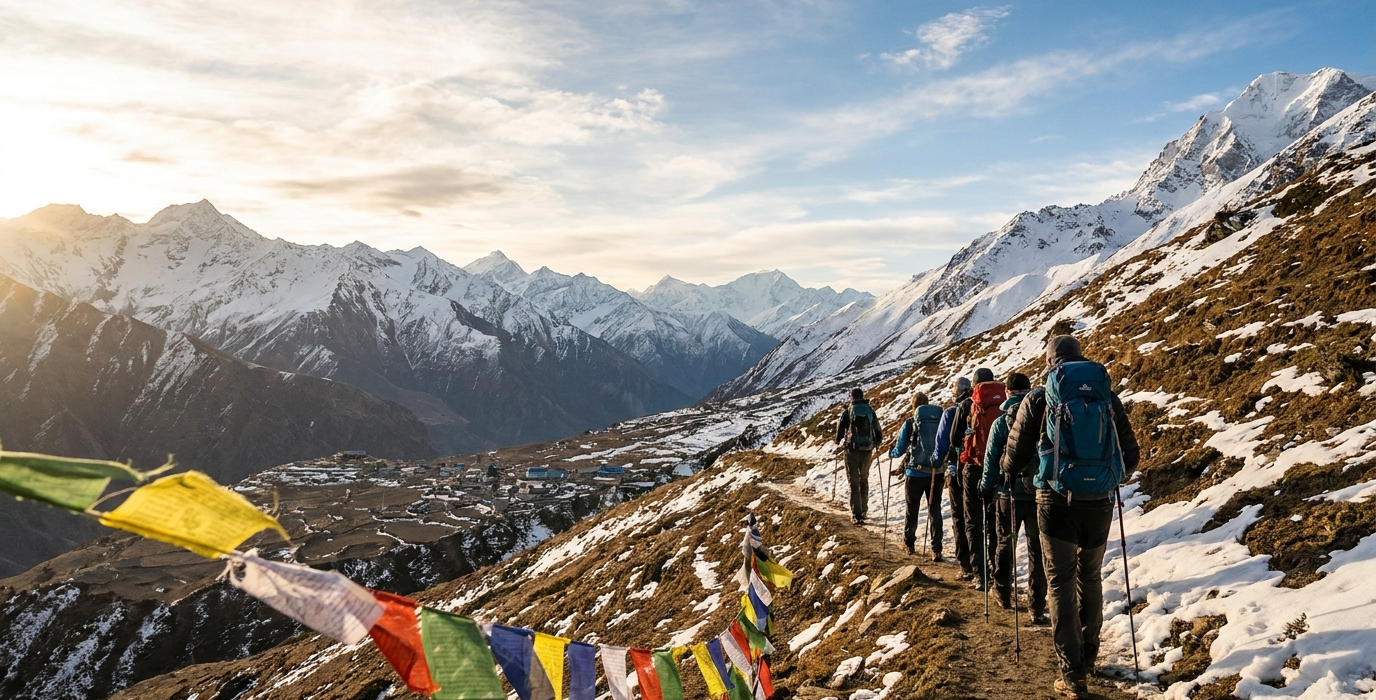
The constant, gentle rustling of prayer flags is a ubiquitous and surprisingly soothing soundtrack to trekking in Sikkim. These colourful flags, inscribed with prayers and mantras, are believed to carry blessings on the wind. The sight of them fluttering against dramatic mountain backdrops is iconic. More than just decoration, they represent a deep spiritual connection to the land. The rhythmic sound, especially in quiet moments on the trail, creates a meditative atmosphere, fostering a sense of peace and mindfulness.
Garhwal Himalayas: Peaks of Legend and Spiritual Resonance
The Garhwal region of Uttarakhand is steeped in mythology and offers some of the most revered trekking routes in the Indian Himalayas. In 2026, embark on a journey that combines spiritual pilgrimage with exhilarating mountain adventure. The Chopta-Tungnath-Chandrashila trek is a fantastic option for all levels of trekkers. Chopta, often called the “Mini-Switzerland of India,” is a picturesque meadow. Tungnath, the highest Shiva temple in the world, is a significant pilgrimage site. The summit of Chandrashila offers panoramic views of the Garhwal Himalayas, including Nanda Devi and Trishul.
This trek is relatively short, usually taking 2-3 days, and is accessible for most fitness levels. The trail to Tungnath is well-maintained, and the ascent to Chandrashila provides a rewarding challenge. The spiritual ambiance around Tungnath, coupled with the breathtaking natural beauty, makes this trek profoundly impactful. You’ll pass through dense forests of pine, deodar, and rhododendron, with diverse birdlife. The best time to visit is from March to June and September to November, avoiding the heavy snowfall of winter and the monsoon rains.
For a more demanding and spiritually charged experience, consider the Kedarkantha trek. This popular winter trek, though accessible year-round, truly shines in the snowy months. It leads you through pine forests and across meadows to the summit of Kedarkantha, offering incredible views. The sense of accomplishment and the majestic winter landscape are unparalleled. It’s a trek that often leaves participants with a deep sense of peace and connection to the mountains, resonating with the spiritual essence of the Garhwal region.
The Altitude’s Effect on Your Senses
One of the most surprising and often overlooked aspects of Himalayan trekking is the way altitude affects your senses. Beyond the physical exertion, the thin air can heighten colours, sharpen sounds, and even alter your perception of time. You might find yourself more acutely aware of the subtle changes in light, the distant calls of birds, or the sheer silence of the mountains. This sensory amplification adds a unique dimension to the trekking experience, making you feel more alive and present in the moment.
Planning Your 2026 Himalayan Trek: Practicalities and Preparedness
As you plan your unforgettable Himalayan adventures for 2026, meticulous preparation is key to ensuring a safe, enjoyable, and enriching experience. The Indian Himalayas, while stunning, demand respect and careful planning. Your itinerary should include ample time for acclimatisation, especially when trekking at higher altitudes like in Ladakh or Sikkim. Rushing this process is a recipe for altitude sickness, which can range from mild headaches to life-threatening conditions. Always build in at least 1-2 extra days at higher base camps like Leh or Gangtok to let your body adjust.
When it comes to guides and porters, hiring local professionals is not just recommended; it’s essential. They possess invaluable knowledge of the terrain, weather patterns, and local customs. Moreover, their employment contributes directly to the local economy, fostering sustainable tourism. Always choose reputable agencies that treat their staff fairly and ensure they are well-equipped. A good guide will not only navigate you safely but also enrich your journey with local insights and stories.
Packing strategically is also crucial. Think layers, layers, layers. The weather in the Himalayas can change drastically within hours. You’ll need a moisture-wicking base layer, an insulating mid-layer (like fleece or down), and a waterproof and windproof outer shell. Sturdy, broken-in trekking boots are non-negotiable. Don’t forget a wide-brimmed hat, sunglasses, and a high-SPF sunscreen, as the sun’s rays are intense at altitude. A reliable water purification method (tablets, filter, or UV purifier) is vital; relying solely on bottled water is unsustainable and often impractical.
The Invaluable Role of Local Knowledge
The true magic of a Himalayan trek lies not just in the majestic peaks, but in the wisdom of the people who call these mountains home. Their understanding of the land, weather, and traditions transforms a journey into a profound cultural exchange.
Remember to carry a basic first-aid kit with personal medications, pain relievers, antiseptic wipes, and bandages. Inform your trekking agency or guide of any pre-existing medical conditions. Lastly, embrace the spirit of Leave No Trace. Pack out everything you pack in, respect the local environment and culture, and tread lightly. Your actions contribute to preserving these pristine landscapes for future generations of trekkers to enjoy.
Frequently Asked Questions
What is the best time of year for Himalayan treks in 2026?
The best time generally depends on the specific region. For Uttarakhand and Himachal Pradesh, April to June and September to November are ideal. Ladakh is best from June to September. Sikkim’s trekking season is typically March to May and October to November.
How do I prepare physically for a Himalayan trek?
Start a cardiovascular fitness program at least 3-4 months before your trek. Include activities like hiking with a backpack, running, swimming, and cycling. Strength training for your legs and core is also beneficial. Practice hiking on varied terrain if possible.
What essential gear should I pack for a Himalayan trek?
Key items include waterproof and windproof trekking jackets and trousers, thermal base layers, fleece mid-layers, sturdy trekking boots, a warm hat and gloves, sunglasses, high-SPF sunscreen, a backpack (40-60 litres), a water bottle/hydration pack, a water purification system, a headlamp, and a basic first-aid kit.
Is it safe to trek in the Himalayas alone in 2026?
While experienced solo trekkers can manage certain routes, it is generally not recommended for most. Hiring a local guide and porter enhances safety, provides cultural insights, and supports the local economy. Always inform someone of your itinerary and expected return time.
What are the permit requirements for trekking in the Indian Himalayas?
Permit requirements vary by region and specific trek. For popular treks in Uttarakhand and Himachal Pradesh, permits might be needed for national parks or restricted areas. Ladakh and Sikkim have more stringent permit regulations, often requiring special inner-line permits and trekking permits arranged in advance through registered agencies.