Key Takeaways
- Goa is rapidly transforming into a premier global destination for digital nomads, offering a potent blend of tropical beaches, vibrant culture, and robust digital infrastructure.
- Expect competitive pricing on accommodation and co-working spaces, though popular spots in North Goa can command premium rates during peak season.
- Visa regulations are evolving; ensure you understand the latest requirements for extended stays, especially for non-Indian citizens.
- Embrace the local Goan lifestyle for true work-life integration, from sunrise yoga to evening seafood feasts.
Goa’s Siren Call: From Tourist Haven to Nomad Hub
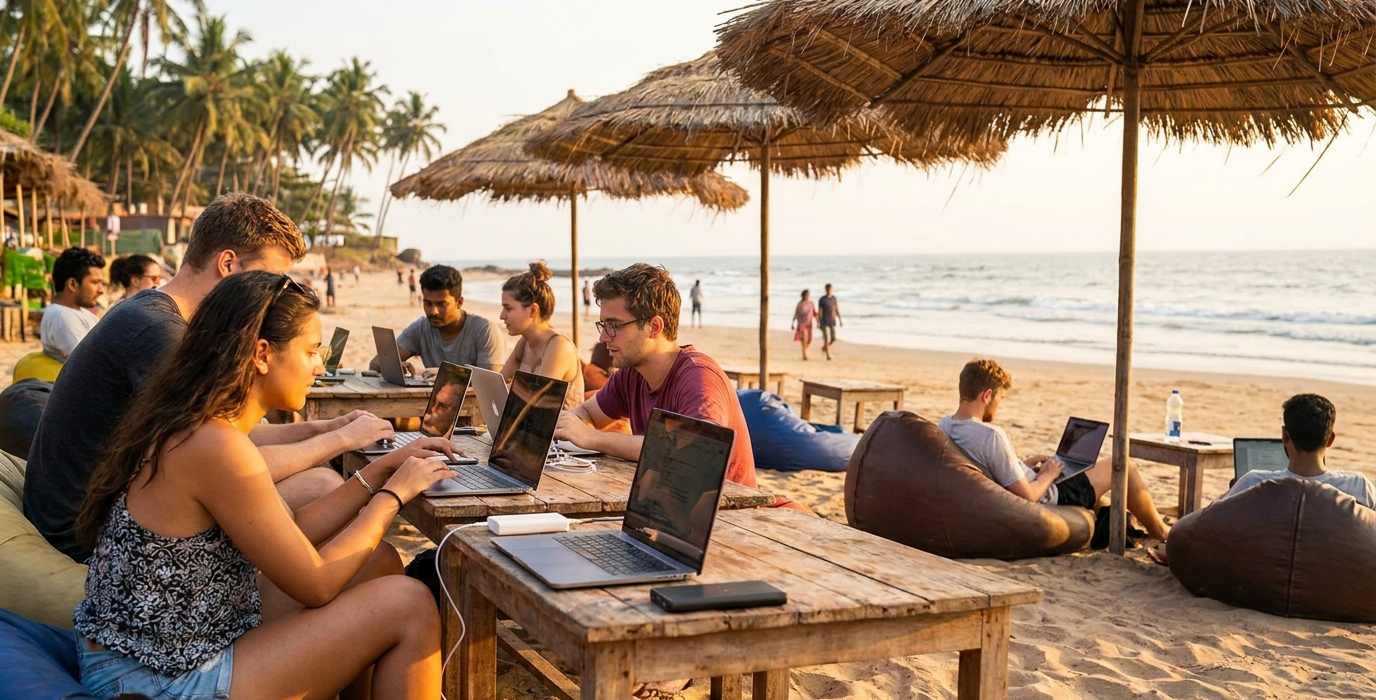
Picture this: you’re tapping away at your laptop, the gentle rhythm of the Arabian Sea providing a natural soundtrack. Sunlight dapples through palm fronds onto your keyboard. This isn’t a fantasy; it’s the new reality for a growing number of professionals choosing Goa as their base. Once primarily a backpacker’s paradise, Goa is now a magnet for digital nomads from across the globe.
This shift isn’t accidental. The state’s inherent beauty, coupled with improving internet connectivity and a burgeoning co-working scene, has created an irresistible proposition. From the laid-back vibes of Arambol in the north to the more serene stretches in the south, Goa offers a diverse landscape to suit every nomad’s preference. We’re seeing a significant influx of tech workers, freelancers, and entrepreneurs seeking a lifestyle that prioritises well-being without sacrificing productivity.
This transformation is reshaping local economies, fostering new businesses, and creating a dynamic, multicultural environment. It’s a testament to how remote work is democratising geography, allowing people to work from anywhere while experiencing rich cultural immersion. We’ll delve into what makes Goa so appealing and what you need to know to make the leap.
The Infrastructure Advantage: Connectivity and Comfort
A critical factor driving Goa’s appeal is its surprisingly robust digital infrastructure. While the stereotype of patchy internet in tropical locales might linger, many areas in Goa now boast reliable, high-speed broadband. Internet Service Providers (ISPs) have invested heavily, understanding the growing demand from remote workers. You’ll find fibre optic connections becoming increasingly common in popular nomad hotspots like Anjuna, Vagator, and Candolim.
Beyond home connectivity, the rise of dedicated co-working spaces is a game-changer. These spaces offer more than just a desk and Wi-Fi; they provide a professional environment, networking opportunities, and often, community events. Think fully equipped offices with air conditioning, ergonomic chairs, meeting rooms, and high-speed internet, all set against a backdrop that might include ocean views or lush greenery. Popular spots like “The Farmhouse” in Siolim or “Coco Loco” near Palolem have become vibrant hubs for collaboration and innovation.
The availability of diverse accommodation options also plays a significant role. From budget-friendly guesthouses and shared villas to boutique hotels and private apartments, Goa caters to a wide range of budgets. Many of these are now geared towards longer stays, offering amenities like kitchenettes and laundry services. This comprehensive infrastructure ensures that setting up a productive and comfortable workspace is remarkably straightforward for digital nomads.
Navigating the Nomad Lifestyle: Costs and Considerations
One of the most attractive aspects of Goa for international digital nomads is its affordability. While prices have seen an uptick with the influx of remote workers, it remains significantly more budget-friendly than many Western countries or even other popular Asian nomad hubs. For instance, a comfortable private room in a guesthouse or a small apartment can range from ₹15,000 to ₹30,000 per month, depending on the location and amenities.
Co-working space memberships typically fall between ₹8,000 and ₹15,000 per month for unlimited access, with day passes also available. Food costs are particularly low, with delicious local meals at beach shacks or small eateries costing as little as ₹200-₹400. Even dining at mid-range restaurants for two people rarely exceeds ₹1,500. This economic advantage allows nomads to stretch their budgets further, potentially saving more or enjoying a higher quality of life.
However, it’s not all smooth sailing. Visa regulations are a crucial consideration, especially for non-Indian citizens. While tourist visas are readily available, they are typically for short stays. For extended periods, nomads need to research appropriate visa types, such as e-visas for certain nationalities, or explore options for longer-term stays if available. It’s essential to consult official government resources or immigration lawyers well in advance of your travel plans. Understanding local customs and basic Konkani phrases can also greatly enhance your integration and experience.
Beyond the Beach: Cultural Immersion and Community
Goa offers a unique cultural tapestry that goes far beyond its famous beaches. It’s a fusion of Indian traditions with Portuguese colonial influences, evident in its architecture, cuisine, and festivals. For digital nomads, this provides an enriching environment for personal growth and authentic experiences. Imagine spending your evenings exploring the colourful markets of Mapusa, attending a traditional Goan folk music performance, or learning to cook authentic Vindaloo.
The sense of community among nomads is another significant draw. Co-working spaces often act as social hubs, organising events, workshops, and outings that foster connections. Beyond these organised activities, serendipitous encounters at yoga retreats, beachside cafes, or during scooter rides are common. This creates a supportive network, combating the potential isolation that can sometimes accompany remote work.
One surprising fact is the sheer diversity of the nomad community. While you’ll find many Europeans and Americans, there’s a growing contingent from other Asian countries, Australia, and even parts of Africa. This global mix brings a wealth of perspectives and experiences. You might find yourself collaborating with a developer from Berlin on a project, sharing travel tips with an artist from Bali, and discussing philosophy with a writer from Mumbai, all within a few days. This rich social fabric is invaluable for both professional and personal enrichment.
Embracing the Goan Rhythm: Work-Life Integration, Not Just Balance
The concept of “work-life balance” often implies a separation between the two. In Goa, for many digital nomads, it’s more about work-life integration. The relaxed pace of life encourages you to weave work into your daily rhythm, rather than confining it to rigid hours. This means starting your day with a sunrise yoga session on the beach, followed by a few focused hours of work, and then breaking for a leisurely lunch with fellow nomads or exploring a nearby waterfall.
This integration extends to embracing local activities. You might find yourself attending a Sunday market in Panjim, learning to surf in the afternoons, or joining a community beach clean-up. These experiences aren’t distractions; they are integral parts of the Goan lifestyle that contribute to overall well-being and creativity. The ability to step away from your screen and immerse yourself in nature or local culture can significantly boost productivity and reduce burnout.
Moreover, the emphasis on holistic living in Goa is palpable. From organic cafes offering healthy, delicious food to wellness retreats and Ayurvedic treatments, there are ample opportunities to prioritise your physical and mental health. This environment makes it easier to maintain a sustainable lifestyle, ensuring that your remote work experience in Goa is not just productive but also deeply fulfilling and rejuvenating. It’s about living a life where work supports your lifestyle, rather than dictating it.
The Future of Remote Work in Goa: Sustainability and Growth
As Goa solidifies its position as a global nomad destination, the focus is increasingly shifting towards sustainability and responsible growth. Local authorities and communities are aware of the potential impact of a large, transient population on the environment and local culture. Initiatives are underway to promote eco-friendly tourism, support local businesses, and ensure that the benefits of this new wave of visitors are shared equitably.
We’re seeing a rise in eco-lodges, sustainable co-working spaces that utilise solar power, and community-led projects aimed at preserving Goa’s natural beauty. There’s also a growing dialogue about how digital nomads can contribute positively to the local economy beyond just their spending. This includes supporting local artisans, participating in community development, and engaging with local educational institutions. The aim is to create a symbiotic relationship, where nomads benefit from Goa’s charm, and Goa benefits from the skills and positive engagement of its temporary residents.
The infrastructure continues to evolve, with plans for improved public transport and enhanced digital connectivity in more remote areas. The challenge, of course, is to manage this growth without compromising the very qualities that make Goa so attractive. As more people discover the allure of working from Goa, the state is poised to remain a leading destination, offering a blueprint for how remote work can foster both economic development and a richer, more integrated way of life for professionals worldwide.
| Feature | Budget Nomad (₹) | Mid-Range Nomad (₹) | Comfort Nomad (₹) |
|---|---|---|---|
| Accommodation (Monthly Rent) | 10,000 – 18,000 (Shared room/basic studio) | 18,000 – 35,000 (1BHK/2BHK apartment) | 35,000+ (Villa/premium apartment) |
| Co-working Space (Monthly) | 4,000 – 8,000 (Hot desk/basic plan) | 8,000 – 15,000 (Dedicated desk/full access) | 15,000+ (Premium facilities/private office) |
| Food (Per Day) | 300 – 600 (Local eateries, beach shacks) | 600 – 1,200 (Mix of local and mid-range restaurants) | 1,200+ (Fine dining, cafes) |
| Transportation (Monthly) | 2,000 – 4,000 (Scooter rental, local buses) | 4,000 – 7,000 (Scooter rental, occasional taxis) | 7,000+ (Car rental, frequent taxis) |
| Estimated Monthly Total | 19,000 – 30,000 | 30,000 – 57,000 | 57,000+ |
“Goa isn’t just a place to work remotely; it’s a place to reimagine your relationship with work and life. The synergy of natural beauty, cultural richness, and a vibrant community makes it truly unique.”
Frequently Asked Questions
What are the best areas in Goa for digital nomads?
North Goa, particularly areas like Anjuna, Vagator, Arambol, and Siolim, are popular for their lively atmosphere, numerous co-working spaces, and variety of accommodation and dining options. South Goa, including Palolem and Agonda, offers a more serene experience, ideal for those seeking tranquility, though infrastructure might be slightly less developed.
Do I need a specific visa for long-term remote work in Goa?
For Indian citizens, a long-term stay is generally straightforward. For foreign nationals, standard tourist visas are typically for short stays (up to 90 days). For longer periods, you’ll need to research specific visa options, such as e-visas if available for your nationality, or consult immigration authorities for the most current regulations regarding extended stays for remote work. Always check official government sources.
How is the internet connectivity in Goa?
Internet connectivity has significantly improved, especially in popular nomad hubs. You can expect reliable high-speed Wi-Fi in most co-working spaces and many cafes. Many apartments and guesthouses also offer decent internet. However, it’s always wise to confirm the internet speed and reliability with your accommodation provider or co-working space before committing.
What is the best time of year to be a digital nomad in Goa?
The peak tourist season, which is also ideal for nomads, runs from October to March. During these months, the weather is pleasant, with sunny days and mild evenings. The monsoon season (June to September) brings lush greenery but can mean limited access to some beach areas and potentially less reliable internet. The shoulder seasons (April-May and September-October) offer fewer crowds and potentially lower prices.