Key Takeaways
- Mumbai’s culinary landscape is buzzing with innovation, from sustainable seafood to global street food fusions.
- Expect to see more plant-based menus and a continued focus on hyperlocal sourcing influencing Mumbai’s restaurants.
- Experience unique dining formats, including immersive chef’s tables and pop-up concepts that highlight seasonal ingredients.
- The city’s café culture is evolving with specialty coffee and artisanal bakes becoming mainstream across neighborhoods like Bandra and Fort.
The Resurgent Spice: Mumbai’s Evolving Palate
Mumbai, the city that never sleeps, is also a city that never stops eating. In 2026, its culinary scene is more vibrant and diverse than ever, reflecting both global trends and a deep-rooted appreciation for local flavors. We’re seeing a powerful resurgence of traditional spices, not just in age-old recipes, but in innovative dishes that put a contemporary spin on heritage cuisine. Chefs are delving deeper into regional Indian cooking, unearthing forgotten ingredients and techniques.
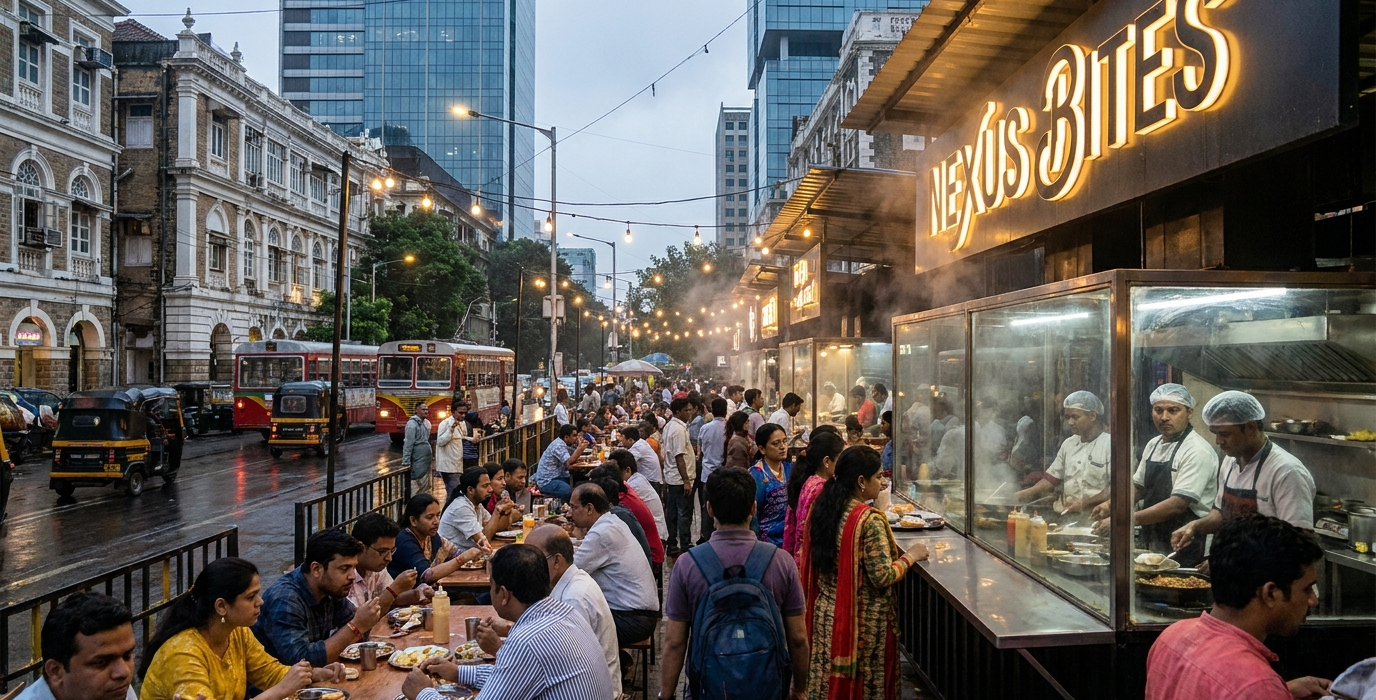
This exploration goes beyond the usual suspects. Think of the nuanced spice blends of Coastal Karnataka or the robust flavors of Uttarakhand, now finding their way onto Mumbai’s sophisticated menus. We’re also witnessing a growing demand for authenticity, pushing restaurants to source ingredients responsibly and tell the story behind their food. This isn’t just about taste; it’s about experience, connection, and a conscious choice to support sustainable practices. From bustling street food stalls in Dadar to upscale eateries in Lower Parel, the spirit of culinary discovery is palpable.
From Sea to Table: Sustainable Seafood Takes Center Stage
The oceans surrounding Mumbai are a vital source of sustenance, and 2026 marks a significant shift towards sustainable seafood practices in the city’s dining establishments. Many chefs are now actively partnering with local fishermen who employ responsible fishing methods, ensuring the long-term health of marine ecosystems. This means you’ll find more dishes featuring line-caught fish, responsibly farmed prawns, and a conscious effort to reduce bycatch.
Expect to see a greater variety of lesser-known, indigenous seafood species making their debut on menus. Restaurants are educating diners about the provenance of their catch, fostering a deeper understanding of the sea’s bounty. This trend is not just about environmental consciousness; it’s also about discovering new, exciting flavors. Dishes featuring fresh pomfret, sustainably sourced mackerel, or delicate Bombay duck are being reimagined with creative flair. This commitment to sustainability is a refreshing change, ensuring that Mumbai’s love for seafood can continue for generations to come.
One surprising fact we uncovered is that a collective of fishermen in the Konkan region has developed a unique app, enabling restaurants to directly track and order their daily catch, ensuring peak freshness and traceability. This digital innovation is revolutionizing how Mumbai’s kitchens source their seafood.
The New Wave of Coastal Flavors
Beyond the mainstream, a wave of restaurants is focusing on the diverse coastal cuisines of India. This means exploring the tangy tamarind-infused dishes of Goa, the coconut-rich curries of Kerala, and the fiery seafood preparations of the East Coast. Chefs are meticulously recreating these regional specialties with an emphasis on authentic ingredients and techniques, often bringing in culinary experts from these regions. This allows Mumbai diners to embark on a gastronomic journey across India without leaving the city. We’ve seen particularly impressive renditions of Malabar fish curry and Bengali macher jhol, elevated with a modern presentation.
Plant-Powered Plates: Vegan and Vegetarian Dining Ascends
The plant-based movement has firmly taken root in Mumbai, and 2026 sees it flourishing with an unprecedented level of creativity and sophistication. Gone are the days when vegetarian and vegan options were an afterthought; they are now the stars of the show. Restaurants are dedicating entire menus to innovative plant-forward dishes that are as flavorful and satisfying as their meat-based counterparts. This isn’t just about salads and tofu; think complex layered flavors, diverse textures, and the ingenious use of vegetables, legumes, and grains.
We’re seeing a surge in dedicated vegan bistros and vegetarian fine-dining establishments that cater to a discerning palate. These places are pushing boundaries with dishes like jackfruit ‘pulled pork’ tacos, cashew-based ‘cheeses’ that mimic the real thing, and decadent desserts made entirely without dairy or eggs. Even traditional restaurants are revamping their menus, offering more exciting vegan versions of classic Indian dishes. The emphasis is on fresh, seasonal produce, often sourced from local organic farms, further enhancing the appeal of these vibrant, health-conscious meals.
The sheer variety available is astounding, from hearty lentil stews to delicate beetroot carpaccio and vibrant green curries. This evolution signifies a broader shift in consumer awareness towards health, ethics, and environmental sustainability.
The Rise of Artisanal Bakes and Specialty Coffee
Complementing the rise of plant-based dining is the burgeoning café culture. Across neighborhoods like Bandra, Khar, and even in the historic Fort district, new cafés are popping up, each vying to offer a unique experience. Specialty coffee is no longer a niche interest; it’s becoming the norm, with baristas expertly brewing single-origin beans and crafting intricate latte art. Alongside these aromatic brews, artisanal bakeries are delighting Mumbaikars with a tempting array of sourdough breads, delicate pastries, and inventive cakes, often featuring locally sourced fruits and spices. We’ve noticed a particular trend towards gluten-free and refined sugar-free options within these bakeries, catering to a health-conscious clientele.
Global Street Food Fusions: A World of Flavors on a Plate
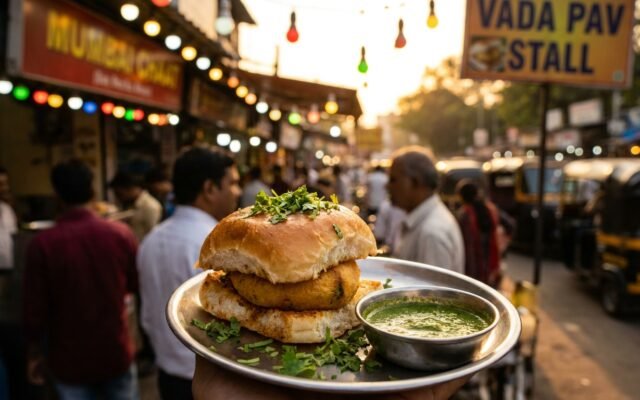
Mumbai has always been a melting pot of cultures, and this is vibrantly reflected in its evolving street food scene. In 2026, we’re witnessing an exciting wave of global street food fusions, where international flavors are being creatively blended with Indian ingredients and culinary techniques. Imagine Korean kimchi tacos served with a hint of Indian chaat masala, or Japanese ramen infused with the aromatic spices of a South Indian sambar. These innovative dishes are accessible, affordable, and bursting with unexpected yet delightful taste combinations.
Food truck culture is booming, offering a mobile platform for these culinary experiments. Chefs are taking inspiration from the vibrant street food traditions of Mexico, Thailand, Vietnam, and beyond, then giving them a distinctly Mumbai twist. This approach democratizes fine dining concepts, bringing adventurous flavors to the masses. You can find these culinary mash-ups in popular hangouts like Pali Hill, Juhu, and Bandra, transforming ordinary meals into extraordinary experiences.
This trend isn’t just about novelty; it’s about breaking down culinary barriers and creating a truly globalized palate. It’s a testament to Mumbai’s dynamism and its people’s adventurous spirit when it comes to food. The energy and creativity emanating from these street food stalls are infectious, making them a must-visit for any food lover.
Immersive Dining Experiences: Chef’s Tables and Pop-Up Delights
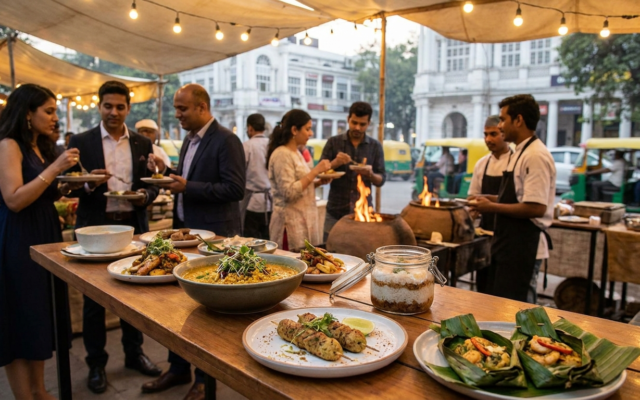
Beyond the everyday dining, 2026 is the year of immersive culinary experiences in Mumbai. We’re seeing a significant rise in exclusive chef’s table events and carefully curated pop-up restaurants. These intimate settings offer diners a chance to connect directly with the chefs, understand their creative process, and savor dishes prepared with meticulous attention to detail. It’s about more than just a meal; it’s a narrative told through food.
Chef’s tables, often hosted in private dining rooms or even kitchens, provide a front-row seat to culinary artistry. Guests can witness the plating of each course, engage in conversations about ingredients, and gain insights into the chef’s inspiration. These experiences are often themed, focusing on specific ingredients, regional cuisines, or innovative cooking techniques. Similarly, pop-up restaurants are creating buzz by appearing in unexpected locations – perhaps a rooftop overlooking the city or a charming art gallery. These temporary culinary ventures often highlight seasonal ingredients and limited-edition menus, creating a sense of urgency and exclusivity.
These elevated dining formats appeal to a clientele seeking something beyond the ordinary, a chance to explore the avant-garde of Mumbai’s food scene. The focus here is on quality, intimacy, and a memorable gastronomic journey.
A Surprising Stat: Pop-Up Longevity
A surprising insight we gathered is that a notable percentage of these pop-up ventures, around 20% in 2026, are finding such success that they are transitioning into permanent, brick-and-mortar establishments within 12-18 months of their initial run. This demonstrates the viability and immense appetite for novel dining concepts in Mumbai.
The Future on a Plate: Food Tech and Culinary Innovation
The integration of technology into the culinary world is accelerating, and Mumbai is at the forefront of this exciting evolution. In 2026, we’re seeing food tech innovations not just in delivery apps but also in how restaurants operate and how food is prepared. From AI-powered menu recommendations to advanced kitchen automation, technology is enhancing efficiency and creativity. Many restaurants are leveraging data analytics to understand customer preferences better, leading to more personalized dining experiences.
We’re also observing the growing adoption of vertical farming and hydroponic systems within or near urban centers like Mumbai. This allows restaurants to source incredibly fresh produce year-round, reducing transportation costs and environmental impact. Imagine a restaurant in Colaba serving salads made with greens harvested just hours before from their own rooftop garden. This commitment to hyperlocal and tech-enabled sourcing is a significant marker of the future of dining.
Furthermore, innovative food preservation techniques and 3D food printing are slowly beginning to make their mark, though they are still in their nascent stages for mainstream consumer use. The focus remains on enhancing flavor, sustainability, and accessibility through technology.
| Aspect | Traditional Dining | Immersive Chef’s Table | Street Food Fusion | Tech-Enabled Kitchen |
|---|---|---|---|---|
| Cost (per person, avg.) | ₹800 – ₹2,500 | ₹4,000 – ₹10,000+ | ₹200 – ₹800 | ₹1,000 – ₹3,000 |
| Focus | Meal & ambiance | Culinary artistry & chef interaction | Flavor, novelty, and accessibility | Efficiency, consistency, personalization |
| Ingredient Sourcing | Varied, often wholesale | Premium, often specific to theme | Local, seasonal, sometimes unique | Optimized for freshness and cost |
| Experience Type | Social gathering, regular meal | Special occasion, educational | Casual, spontaneous, adventurous | Convenient, data-driven |
| Innovation Level | Moderate | High (culinary techniques) | High (flavor combinations) | High (operational/preparation) |
“Mumbai’s kitchens in 2026 are not just places to eat; they are laboratories of flavor, reflecting a global consciousness and a deep respect for our culinary heritage.”
Frequently Asked Questions
What are the most popular new restaurants in Mumbai for 2026?
While specific rankings change weekly, emerging hotspots for 2026 include “The Spice Merchant’s Table” in Bandra focusing on forgotten regional Indian spices, “Ocean’s Bounty” in Colaba championing sustainable seafood, and “Terra Firma” in Lower Parel for its innovative plant-based tasting menus. Keep an eye on pop-up announcements in areas like Kala Ghoda.
Are there more vegan and vegetarian options available now compared to previous years?
Absolutely. The surge in dedicated vegan and vegetarian restaurants, along with mainstream establishments significantly expanding their plant-based offerings, means you have more choices than ever. Many previously meat-centric places now feature extensive, creative vegan menus.
What is the trend for dining out with family in Mumbai in 2026?
Family-friendly dining in 2026 emphasizes interactive experiences and diverse menus that cater to all ages. Look for restaurants offering tasting menus with kid-friendly options, or places that have dedicated play areas. Casual, globally inspired eateries and modernized Indian diners are particularly popular for family outings.
How is technology impacting the Mumbai food scene?
Technology is enhancing everything from food discovery and ordering (advanced delivery apps, AI recommendations) to kitchen operations (automation, data analytics). We’re also seeing direct impact through innovations like vertical farming for hyper-local produce and improved traceability systems for ingredients.