Key Takeaways
- Regional Indian film industries are producing critically acclaimed and commercially successful content in 2026, challenging Bollywood’s dominance.
- New talent from Tamil, Malayalam, Bengali, and Marathi cinema is gaining national recognition for authentic storytelling and innovative filmmaking.
- We’re seeing a rise in directors and actors who are deeply connected to their regional roots, resonating with diverse Indian audiences.
- Accessibility through streaming platforms is crucial in this new era, bringing regional narratives to a wider, pan-Indian viewership.
The Shifting Landscape: Bollywood’s Reign Challenged
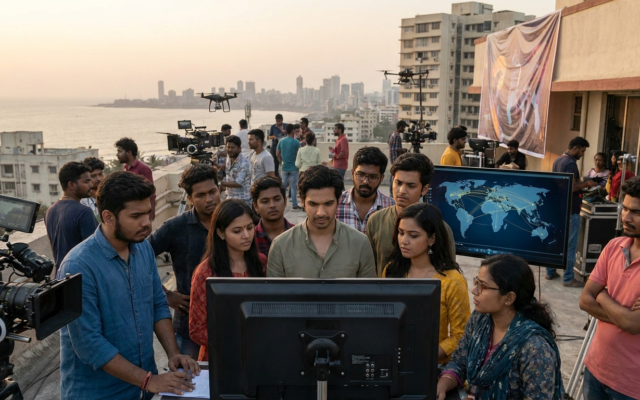
For decades, Bollywood has been the undisputed king of Indian cinema, its Hindi blockbusters echoing from Mumbai across the nation. However, 2026 marks a significant inflection point. The narrative power and artistic innovation brewing in regional film industries are no longer whispers; they are a roaring chorus demanding attention. We’re witnessing a paradigm shift where films from Tamil Nadu, Kerala, West Bengal, and Maharashtra are not just regional successes but national conversation starters.
This isn’t about Bollywood’s decline, but rather the exhilarating ascent of diverse voices. Producers and audiences alike are recognising that compelling stories, rich cultural tapestries, and groundbreaking filmmaking aren’t confined to one city. The sheer volume of quality output from these industries is forcing a recalibration of what constitutes “Indian cinema” in the collective consciousness. It’s an exciting time for viewers who are spoilt for choice with an array of authentic, relatable, and often boundary-pushing films.
Tamil Cinema’s Fierce Momentum: Beyond the Kollywood Bubble
Tamil cinema, or Kollywood, continues its formidable surge in 2026, proving it’s far more than a regional powerhouse. Films emanating from Chennai are consistently pushing cinematic boundaries, blending commercial appeal with artistic integrity. Directors are unafraid to tackle complex social issues, historical narratives, and experimental genres, finding a receptive audience both within Tamil Nadu and across India.
This year has seen a particular focus on nuanced character studies and visually stunning storytelling. The technical prowess is undeniable, with cinematography and sound design often rivalling global standards. Furthermore, the emphasis on strong scripts and performances, rather than solely relying on star power, is a testament to the industry’s maturity. We’ve seen a surge in films that explore the intricacies of everyday life in Tamil Nadu, making them universally relatable. The success of films like ‘Ponniyin Selvan: Part Two’ in 2023 set a high bar, and subsequent releases in 2026 are building on that legacy with even greater ambition.
One surprising fact this year is the increasing dominance of women in technical roles, particularly in cinematography and editing, a trend that has significantly contributed to the fresh visual language of many Tamil films. This growing representation is not just a statistic; it’s visibly influencing the storytelling and aesthetic of the industry.
Malayalam Cinema’s Humanist Touch: Stories That Resonate Deeply
Known for its distinctive humanist approach and realistic portrayals, Malayalam cinema continues to captivate audiences in 2026. The industry from Kerala has consistently delivered films that explore the human condition with remarkable sensitivity and depth. These narratives often delve into the complexities of family, relationships, and societal pressures, striking a chord with viewers who crave authenticity.
The magic of Malayalam cinema lies in its ability to find the extraordinary in the ordinary. Stories that might seem simple on the surface often reveal profound truths about life, love, and loss. This year, we’ve seen a remarkable array of films that have resonated due to their relatable characters and grounded storytelling. The actors, known for their naturalistic performances, inhabit their roles with a sincerity that is rare and deeply affecting.
We are also seeing a growing number of films that bravely address contemporary social issues, from the challenges faced by migrant workers to the mental health struggles of young adults. This willingness to engage with real-world problems, without resorting to sensationalism, has earned Malayalam cinema widespread acclaim and respect. It’s a testament to the filmmakers’ commitment to reflecting the diverse realities of Keralite life and the broader human experience. A fascinating observation this year is the increasing trend of filmmakers using non-professional actors in key roles, a practice that injects an unparalleled level of authenticity into their performances.
Bengali Cinema’s Artistic Evolution: Tradition Meets Modernity
Tollywood, the Bengali film industry, is experiencing a vibrant renaissance in 2026, seamlessly blending its rich artistic heritage with contemporary sensibilities. Kolkata’s cinematic output has always been lauded for its intellectual depth and artistic flair, and this year is no exception. We’re seeing a delightful fusion of classic storytelling techniques with modern filmmaking approaches, resulting in films that are both thought-provoking and visually engaging.
Directors are exploring a wider range of themes, from poignant family dramas and historical epics to quirky comedies and critically-minded thrillers. The emphasis remains on character development and nuanced performances, allowing actors to showcase their considerable talent. The visual aesthetic of Bengali films often draws inspiration from the region’s vibrant culture and picturesque landscapes, creating a unique and immersive viewing experience.
This year has also seen a surge in independent productions that are pushing creative boundaries, often with limited budgets but boundless imagination. These films, though smaller in scale, are making a significant impact through their originality and honest storytelling. The accessibility of these films through online streaming has further broadened their reach, introducing a new generation of viewers to the unique charm of Bengali cinema. We’re witnessing a deliberate effort to revisit and reimagine classic Bengali literature for the screen, giving these timeless stories a fresh perspective for today’s audiences.
Marathi Cinema’s Grounded Narratives: Reflecting Real India
Marathi cinema continues its impressive run in 2026, consistently delivering films that are deeply rooted in the realities of Maharashtra. The industry has carved a niche for itself by focusing on relatable stories that often highlight social issues, cultural nuances, and the everyday struggles and triumphs of its people. These grounded narratives have found a dedicated audience, not just within Maharashtra but across the country.
What makes Marathi films so compelling is their authenticity. Filmmakers are not afraid to explore complex themes with honesty and sensitivity, avoiding melodrama in favour of genuine emotional resonance. The performances are often understated yet powerful, with actors bringing a remarkable depth to their characters. We’ve seen a particular strength in films that explore family dynamics, the challenges of rural life, and the aspirations of urban dwellers.
This year, there’s been a noticeable trend of films that offer a critical yet hopeful perspective on societal changes. They act as mirrors, reflecting the current socio-political climate while also offering glimpses of resilience and optimism. The technical quality of Marathi films has also seen a significant upgrade, with production values steadily improving, making them visually appealing and engaging. The continued success of films that champion social reform and women’s empowerment is a particularly inspiring aspect of Marathi cinema in 2026.
The Streaming Effect: How OTT Platforms Are Revolutionising Access
The proliferation and evolution of Over-The-Top (OTT) streaming platforms have been a game-changer for regional Indian cinema in 2026. These digital platforms have dismantled geographical barriers, providing unprecedented access to films from every corner of India to a global audience. What was once confined to local theatres and niche television channels is now available at our fingertips, anytime, anywhere.
For filmmakers in regional industries, OTT platforms offer a crucial avenue for wider distribution and financial viability. They have democratised the exhibition process, allowing diverse stories to find their audience without the traditional gatekeepers of mainstream distribution. This has encouraged more experimentation and risk-taking, as creators know there is a platform willing to showcase their unique visions.
For us, the viewers, this means an incredible wealth of cinematic experiences. We can explore the vibrant storytelling of Tamil cinema one evening, delve into the poignant dramas of Malayalam cinema the next, and then immerse ourselves in the cultural richness of Bengali or Marathi films. The ability to watch films with subtitles has also been instrumental in bridging language gaps. This accessibility is not just convenient; it’s fostering a greater appreciation for the diversity of Indian culture and artistic expression. It’s worth noting that many regional films are now receiving significant promotional push on these platforms, akin to Bollywood releases, signalling their growing importance.
Spotlight on Rising Stars and Visionary Directors
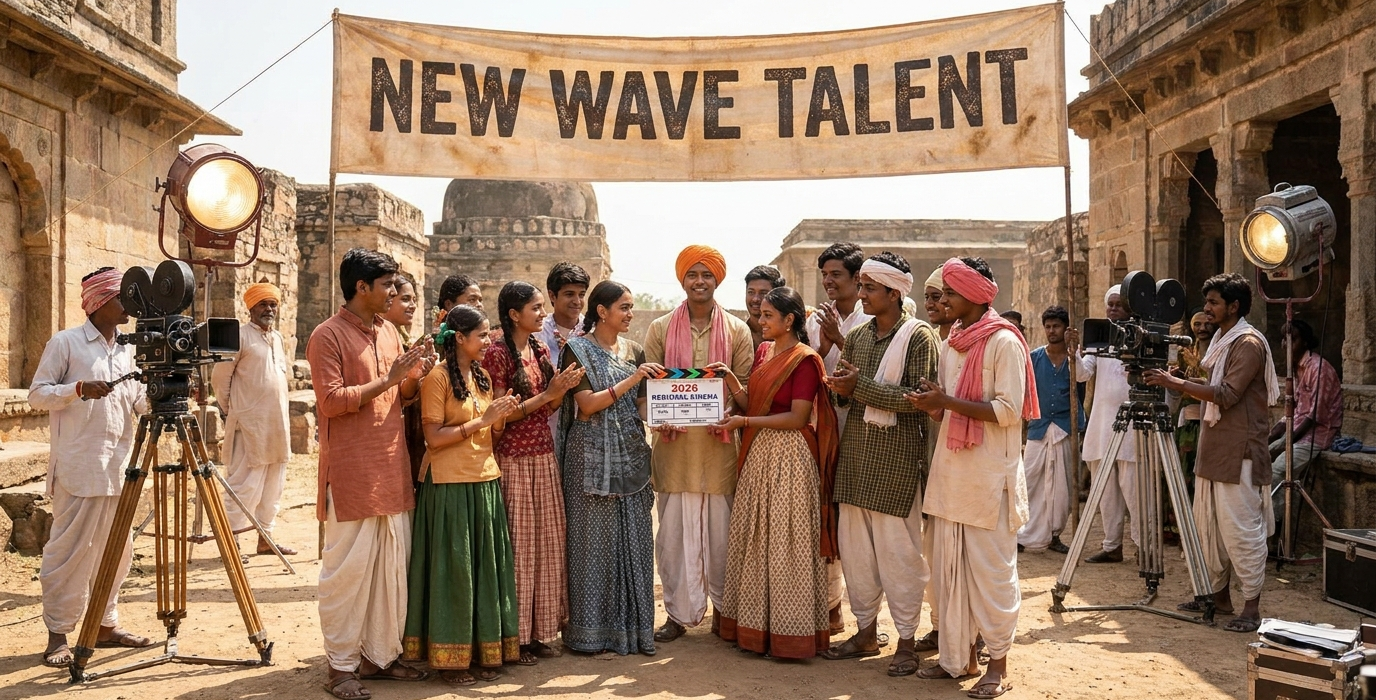
Beyond the established stars, 2026 is the year where a new generation of actors and directors from regional cinema are truly breaking through. These individuals are not just talented; they possess a fresh perspective and a deep understanding of their craft and their cultural contexts. They are the driving force behind the renewed vigour and creativity we see across industries like Tamil, Malayalam, Bengali, and Marathi cinema.
We’ve seen actors delivering performances that are nuanced, raw, and incredibly authentic, often overshadowing their more experienced counterparts. These emerging artists are unafraid to take on challenging roles that explore complex human emotions and societal issues. Their dedication to portraying relatable characters has made them instant favourites among audiences who are tired of formulaic portrayals.
“The true power of regional cinema lies in its unwavering commitment to telling stories that are unapologetically rooted in our diverse Indian soil.”
Similarly, a new wave of directors is emerging, bringing innovative filmmaking techniques and bold storytelling approaches. They are unafraid to experiment with narrative structures, visual styles, and genre conventions. Their work often reflects a keen awareness of contemporary issues, presented through a lens that is both artistic and deeply human. The success of these new talents underscores a vital trend: audiences are increasingly valuing authenticity and originality over mere star power, making this an incredibly exciting time for Indian cinema as a whole.
Frequently Asked Questions
What are the main advantages of watching regional films in 2026?
The primary advantage is the access to a wider variety of authentic, culturally rich, and often more nuanced storytelling than typically found in mainstream cinema. Regional films frequently tackle diverse social issues and explore human emotions with a realism that resonates deeply with audiences. Streaming platforms have made them easily accessible with subtitles.
Are regional films only popular within their respective states?
No, that is rapidly changing. In 2026, regional films are achieving significant pan-Indian popularity, thanks to streaming platforms that offer widespread accessibility and subtitles. Many are becoming national conversation starters and critical successes, proving their appeal extends far beyond their home states.
How has streaming impacted the production of regional films?
Streaming platforms have provided regional filmmakers with greater distribution opportunities and financial backing. This has encouraged more creative freedom, leading to increased experimentation, higher production quality, and a wider range of subjects being explored, ultimately boosting the overall output and diversity of regional cinema.
Can I find films from lesser-known regional industries on streaming platforms?
Yes, you absolutely can. While major regional industries like Tamil, Malayalam, Bengali, and Marathi are well-represented, many streaming services are actively working to include films from smaller linguistic groups too. The trend in 2026 is towards greater inclusivity, so exploring these platforms will likely reveal hidden gems from various regional cinemas.