Key Takeaways
- Indian palates are increasingly adventurous, driving demand for global flavours and fusion cuisine.
- Plant-based eating is moving beyond veganism, with flexitarian and “reducetarian” diets gaining significant traction.
- Home cooking is embracing convenience without sacrificing health, focusing on smart appliances and pre-prepped ingredients.
- Sustainability is no longer a niche concern; consumers are actively seeking eco-conscious food choices and waste reduction.
- Flavour innovation is key, with fermentation, global spices, and unexpected ingredient pairings creating exciting new dishes.
Global Flavors Take Root in Indian Kitchens
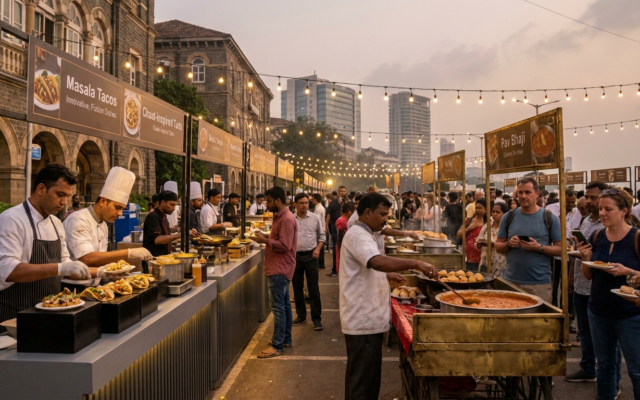
The Indian culinary landscape in 2026 is a vibrant tapestry woven with threads of tradition and bold, global influences. We’re seeing a remarkable openness to experiment, a departure from rigid regional boundaries, and an exciting embrace of international tastes. This isn’t just about adopting foreign dishes; it’s about how these flavours are being thoughtfully integrated into our everyday meals, creating exciting fusion experiences.
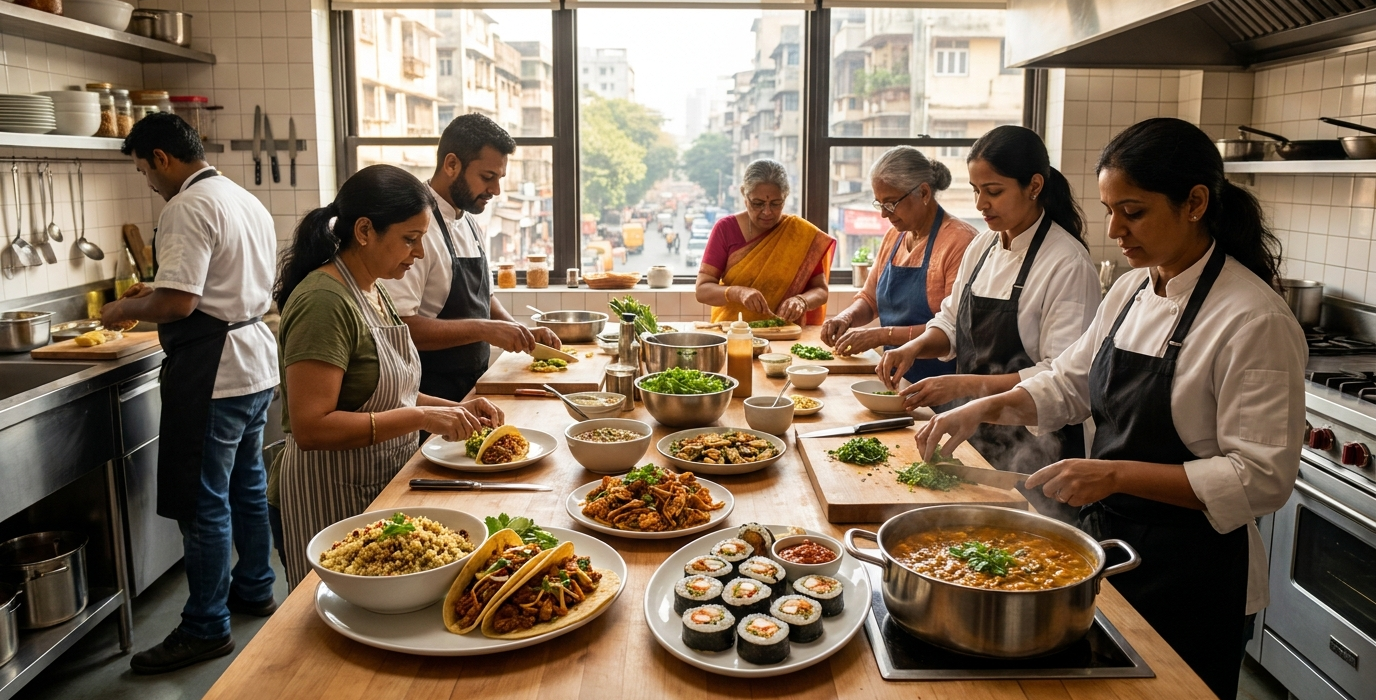
Restaurants in metropolitan hubs like Mumbai and Delhi have long been pioneers, but the trend has now firmly permeated home kitchens across the country. Think of South Indian idlis infused with Japanese miso, or Bengali fish curries getting a Thai green curry twist. These aren’t mere novelties; they represent a sophisticated understanding and appreciation of diverse culinary techniques and ingredients. It’s about building bridges between cultures on our plates.
This adventurous spirit is fuelled by increased travel, greater access to international media, and a growing curiosity among younger generations. We’re also seeing a rise in specific ethnic cuisines gaining popularity, moving beyond the well-trodden path of Italian and Chinese. Ethiopian injera, Korean bibimbap, and Peruvian ceviche are no longer exotic rarities but increasingly accessible and sought-after dining experiences. This global appetite is reshaping how we shop, cook, and even think about food.
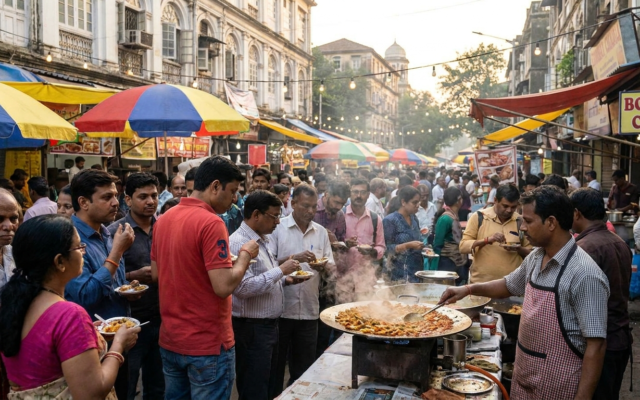
The sheer variety of ingredients available in Indian markets reflects this shift. From specialty mushroom varieties to exotic herbs and spices, the shelves are brimming with possibilities. This accessibility allows home cooks to confidently experiment with complex flavour profiles and techniques previously confined to professional kitchens. We are truly living in a golden age of culinary exploration, where the world’s pantry is at our fingertips.
The Rise of Plant-Forward and Conscious Eating
While veganism has been a growing force, 2026 marks a significant evolution in plant-based eating. The focus has broadened beyond strict veganism to encompass a more inclusive approach: plant-forward and “reducetarian” diets. This means actively incorporating more plant-based meals without necessarily eliminating animal products entirely. It’s about making conscious choices that benefit personal health and the environment.
Many Indians are now adopting a flexitarian lifestyle, consciously reducing their meat consumption while still enjoying it occasionally. This shift is driven by a growing awareness of the health benefits associated with a diet rich in fruits, vegetables, legumes, and whole grains. Beyond health, the environmental impact of food production is a significant motivator, with consumers increasingly questioning the sustainability of traditional protein sources.
We’re seeing innovative plant-based alternatives pop up everywhere, from dairy-free milk and cheese made from local ingredients like millets and coconut to sophisticated meat substitutes that mimic the texture and taste of traditional meats. These aren’t just for strict vegans; they’re appealing to a wider audience seeking healthier and more sustainable options. The quality and variety have improved dramatically, making it easier than ever to integrate them into Indian cooking.
This trend also extends to mindful sourcing and reducing food waste. Consumers are more interested in knowing where their food comes from, supporting local farmers, and opting for seasonal produce. Home cooks are also embracing techniques like pickling, fermenting, and dehydrating to preserve food and minimize spoilage. This holistic approach to conscious eating is transforming our relationship with food, making it more purposeful and impactful.
Smart Kitchens and the Convenience Revolution
The modern Indian kitchen in 2026 is a testament to the blend of tradition and technology, where convenience meets culinary aspiration. Gone are the days when home cooking meant hours of tedious preparation. We are witnessing a revolution in kitchen appliances and pre-prepared ingredients that empower us to cook nutritious and delicious meals with unprecedented ease.
Smart ovens that can be controlled remotely, induction cooktops that offer precise temperature control, and air fryers that deliver crispy results with minimal oil are becoming staples. These appliances not only save time but also enhance the cooking experience, making complex recipes more approachable. Imagine pre-heating your oven on your commute home or air-frying pakoras to perfection with just a few taps on your phone.
The convenience extends to the ingredients we use. Meal kits, offering pre-portioned ingredients and easy-to-follow recipes, have gained immense popularity, especially among busy professionals and nuclear families. Beyond meal kits, we’re seeing a surge in high-quality, pre-chopped vegetables, artisanal sauces, and spice blends that significantly reduce prep time without compromising on flavour or freshness. Companies are investing in better preservation techniques to ensure these convenience products meet our quality expectations.
This isn’t about sacrificing authenticity; it’s about smartening up the cooking process. Home cooks can now achieve restaurant-quality results in a fraction of the time, allowing them more freedom to experiment and enjoy the creative aspects of cooking. The integration of technology and thoughtfully prepared ingredients is making healthy and flavourful home-cooked meals more accessible than ever before.
Sustainability Takes Centre Stage on the Plate
The conversation around food in 2026 is increasingly dominated by sustainability, and it’s no longer confined to niche environmental circles. Consumers across India and beyond are actively seeking out food choices that minimize their ecological footprint, pushing brands and restaurants to adopt more responsible practices. This conscious consumerism is driving significant change in how we produce, procure, and consume food.
We’re seeing a strong demand for locally sourced ingredients, which not only supports regional economies but also reduces transportation emissions. Farmers’ markets are experiencing a resurgence, and farm-to-table initiatives are becoming mainstream, connecting consumers directly with the sources of their food. This focus on locality also often means supporting regenerative agriculture practices that improve soil health and biodiversity.
Waste reduction is another critical aspect of this sustainability movement. Consumers are actively looking for products with minimal packaging, and brands are responding with biodegradable or reusable alternatives. At home, there’s a growing interest in “root-to-stem” cooking and creative ways to use food scraps, turning potential waste into delicious dishes. Think vegetable peel crisps or using herb stems in broths.
The rise of ethical sourcing is also noteworthy. Consumers are paying more attention to fair trade practices and the welfare of agricultural workers. This ethical dimension adds another layer to the concept of sustainable eating, ensuring that our food choices have a positive social impact as well as an environmental one. It’s a holistic approach that prioritizes the well-being of both people and the planet.
Fermentation and Global Spices: The New Flavour Frontier
Flavour innovation is the driving force behind many exciting culinary developments in 2026, with fermentation and the adventurous use of global spices leading the charge. These techniques are not only adding depth and complexity to dishes but also tapping into ancient traditions and emerging health benefits.
Fermented foods, once primarily associated with staples like curd and pickles, are now being explored in exciting new ways. We’re seeing the rise of artisanal sourdough breads, probiotic-rich kombuchas flavoured with Indian fruits like amla and guava, and even fermented vegetable dishes inspired by global traditions like kimchi and sauerkraut but infused with local spices. The umami-rich, tangy notes that fermentation imparts are highly sought after.
Simultaneously, the Indian spice rack is expanding its horizons. While our traditional masalas remain cherished, there’s a growing fascination with spices from other cuisines. Think of the smoky depth of chipotle, the fragrant warmth of sumac, the floral notes of grains of paradise, or the vibrant colour and mild heat of urfa biber. These are being incorporated into everything from marinades and rubs to spice blends for curries and stir-fries.
This fusion of fermentation and global spices creates truly unique taste experiences. Imagine a tandoori chicken marinated with gochujang and fermented chili paste, or a lentil dal finished with za’atar and a swirl of cashew cream. These combinations offer a tantalizing balance of familiar and exotic, pushing the boundaries of what we expect from our everyday meals. It’s an exciting time for adventurous eaters.
The Sweet Spot: Healthier Indulgences and Novel Desserts
Desserts in 2026 are navigating a fascinating sweet spot, balancing the desire for indulgence with a growing emphasis on health and novel flavour profiles. Traditional sweets remain beloved, but there’s a clear trend towards creating treats that are not only delicious but also offer perceived health benefits or introduce entirely new taste sensations.
We’re seeing a significant rise in desserts that use natural sweeteners like dates, jaggery, and monk fruit, moving away from refined white sugar. These offer a more complex flavour profile and are often perceived as healthier alternatives. This doesn’t mean sacrificing sweetness; it means finding smarter, more nuanced ways to achieve it.
The influence of global flavours is also strongly felt in the dessert category. Think of matcha-infused cheesecakes, lavender and honey panna cotta, or rosewater and cardamom crème brûlée. These combinations offer a sophisticated twist on familiar textures and add an element of surprise and delight. The integration of ingredients like tahini into brownies or black sesame into ice creams is also becoming increasingly popular, adding earthy, nutty notes.
Furthermore, there’s a growing interest in “functional” desserts – treats that incorporate ingredients like adaptogens, probiotics, or protein powder. While these might sound unconventional, they tap into the desire for food that nourishes the body while satisfying cravings. This could manifest as a protein-rich laddoo or a smoothie bowl enhanced with nutrient-dense additions. It’s about reimagining dessert as a part of a balanced lifestyle, offering guilt-free indulgence.
Frequently Asked Questions
What are the most popular international cuisines in India in 2026?
Beyond the perennial favourites like Chinese and Italian, we’re seeing a significant surge in interest for Korean, Japanese, and Middle Eastern cuisines. Ethiopian and Peruvian foods are also gaining traction, particularly in urban centres, driven by adventurous palates and increased global exposure.
How is plant-based eating evolving beyond veganism?
The focus is shifting towards “plant-forward” and “reducetarian” diets. This means incorporating more plant-based meals without necessarily eliminating animal products entirely. Flexitarianism, where people consciously reduce meat intake, is also a major trend, driven by health and environmental concerns.
Are smart kitchen appliances becoming more common in Indian homes?
Yes, absolutely. Smart ovens, induction cooktops, and air fryers are becoming increasingly popular for their convenience and efficiency. The ability to control appliances remotely and achieve better cooking results with less effort is a major draw for busy households.
What does “sustainable food” mean for Indian consumers in 2026?
For Indian consumers, sustainable food encompasses several aspects: locally sourced produce, reduced packaging, minimal food waste through creative cooking methods, and ethical sourcing practices. There’s a growing awareness of the environmental and social impact of our food choices.
What are some surprising flavour combinations emerging in Indian cuisine?
We’re seeing exciting fusions like miso in idlis, Thai green curry influences in Bengali fish preparations, and the use of global spices like chipotle and sumac in traditional dishes. Fermented ingredients are also being creatively paired with local flavours, leading to unique taste profiles.