Key Takeaways
- Goa’s culinary scene is evolving beyond traditional vindaloo and sorpotel, embracing a vibrant fusion movement.
- New restaurants are blending Goan ingredients with global techniques, offering unique and exciting flavour profiles.
- Expect innovative dishes featuring local seafood, cashew, coconut, and spices in unexpected ways.
- Exploring these modern Goan eateries is a must for any food enthusiast visiting the state in 2026.
Goa’s Culinary Renaissance: A Taste of Tomorrow
Goa, long celebrated for its sun-drenched beaches and laid-back vibe, is undergoing a dramatic culinary transformation. While the comforting familiarity of vindaloo and xacuti still holds a special place, a new generation of chefs is pushing boundaries, weaving global influences into the rich tapestry of Goan flavours. This isn’t just about adding a new spice; it’s a thoughtful reinterpretation of heritage, creating dishes that are both deeply rooted and excitingly novel. We’re witnessing a genuine renaissance, where innovation meets tradition on the plate, promising an unforgettable gastronomic journey for anyone visiting this beloved Indian state.
This evolution is driven by a desire to showcase the incredible local produce – from the abundant seafood fresh off the Arabian Sea to the fragrant spices and creamy coconuts that define Goan cooking. Chefs are experimenting with techniques learned in kitchens across the world, applying them to ingredients they grew up with. The result? A dynamic and diverse culinary landscape that offers something for every palate, from the adventurous foodie to those seeking a refined take on familiar tastes. Prepare to have your perceptions of Goan food delightfully challenged and expanded.
The Rise of Indo-Global Fusion
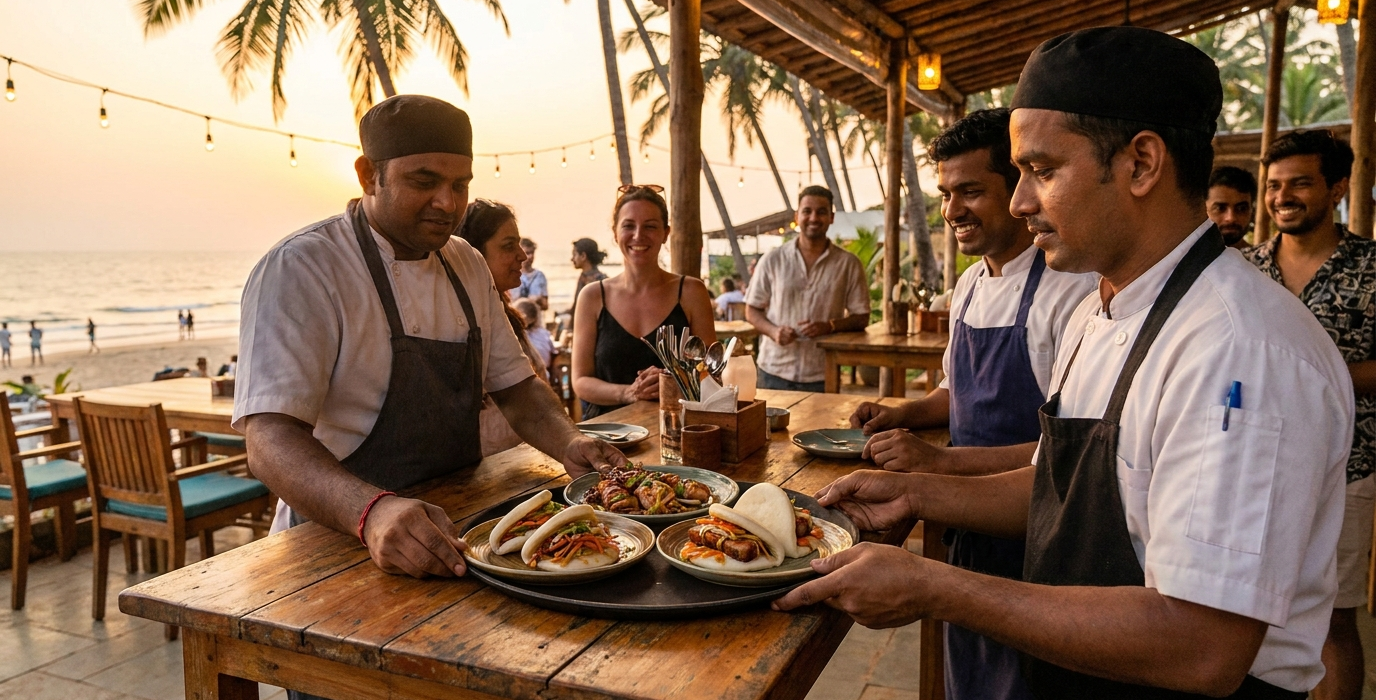
The most striking trend in Goa today is the burgeoning of Indo-Global fusion cuisine. Forget the tired old tropes; these chefs are artfully combining the bright, zesty notes of Goan masalas with international culinary philosophies. Think of a perfectly seared tuna steak, marinated in kokum and served with a delicate saffron risotto, or a succulent pork belly braised in a feni-infused glaze, accompanied by a vibrant mango salsa. This isn’t about confusion, but a harmonious marriage of distinct culinary worlds, creating dishes that are complex yet approachable.
Several new establishments are leading this charge, often located in the charming bylanes of Panjim or the chic beachfronts of North Goa. They are sourcing ingredients with meticulous care, often directly from local fishermen and farmers, ensuring freshness and quality. The presentation is as important as the taste, with many chefs adopting minimalist, artistic plating that highlights the natural beauty of the ingredients. This approach appeals not only to a younger, more globally-aware demographic but also to seasoned travellers seeking authentic yet contemporary experiences. It’s a testament to Goa’s evolving identity, where its vibrant past informs a delicious and exciting future.
Beyond the Usual Suspects: Unexpected Ingredients
While seafood remains a star, the new wave of Goan cuisine is also exploring lesser-known indigenous ingredients. You’ll find dishes featuring the earthy notes of local mushrooms, the subtle sweetness of tender bamboo shoots, and the unique tang of wild herbs foraged from the Western Ghats. Cashew, a ubiquitous Goan product, is being transformed. Beyond the traditional feni, it’s appearing in creamy vegan sauces, crunchy garnishes, and even delicate desserts, adding a new dimension to familiar dishes.
One surprising element is the integration of unique spices and aromatics. While curry leaves, mustard seeds, and turmeric are staples, chefs are now experimenting with ingredients like black cardamom, star anise, and even subtle hints of smoked paprika, judiciously applied to complement, not overpower, the Goan base. This thoughtful inclusion of diverse flavours allows for a more nuanced and sophisticated palate experience. It’s this willingness to dig deeper into the regional pantry and pair it with global culinary understanding that truly sets these new eateries apart.
Seafood Reimagined: From Catch to Culinary Art
Goa’s coastline is its larder, and the seafood here is unparalleled. However, the way it’s being prepared in 2026 is truly innovative. Beyond the classic fish curry rice or prawn balchão, you’ll discover dishes like pan-seared mackerel with a fig and tamarind reduction, or grilled calamari stuffed with a spiced quinoa and herb mix. The emphasis is on preserving the natural flavour of the fish while enhancing it with creative pairings and techniques that highlight its freshness.
Chefs are also exploring different cuts and preparations. We’re seeing more dishes featuring delicate sea bass, plump scallops, and even oysters, often served raw or lightly cured to let their oceanic essence shine through. One particularly noteworthy trend is the use of ceviche-style marinades, where local citrus fruits like *malta* (a sweet-sour orange) and *bimla* (a small, tart fruit) are used to ‘cook’ the fish, infusing it with a vibrant, tangy flavour. This method is a brilliant way to highlight the pristine quality of Goa’s catch, offering a refreshing counterpoint to the richer, spicier traditional preparations.
A Surprising Seafood Revelation
Did you know that Goa is one of the few places in India where you can consistently find fresh *sinduri* fish? This vibrant orange-hued fish, known for its firm flesh and mild flavour, is often overlooked in favour of more common varieties. However, discerning chefs are now spotlighting it, preparing it grilled with a lemon-garlic butter or baked in banana leaves with aromatic herbs. Its delicate texture absorbs flavours beautifully, making it a canvas for culinary creativity. It’s a testament to the chefs’ dedication to exploring the full spectrum of local seafood offerings.
Vegetarian and Vegan Delights Take Centre Stage
The culinary revival in Goa isn’t limited to meat and fish lovers. There’s a significant and exciting surge in sophisticated vegetarian and vegan options. Gone are the days when a simple vegetable curry was the only choice. Modern Goan menus now feature inventive plant-based dishes that are as flavourful and satisfying as their non-vegetarian counterparts. Think of creamy curries made with cashew or coconut milk, infused with fragrant spices and packed with seasonal vegetables like okra, drumsticks, and various gourds.
Chefs are creatively using local produce to mimic textures and flavours. For instance, jackfruit is being used to create ‘pulled’ vegetarian dishes that mimic the texture of slow-cooked meat, often seasoned with smoky paprika and Goan spices. Tofu and paneer are no longer the default; instead, you’ll find dishes featuring marinated and grilled king oyster mushrooms, or lentil-based preparations that are rich and hearty. Many restaurants are also offering dedicated vegan tasting menus, showcasing the versatility and depth of plant-based Goan cuisine. This inclusive approach is making Goa an even more attractive destination for all types of diners.
The Versatility of Local Produce
We’re seeing an incredible appreciation for vegetables like *colocasia* (arbi), *yam*, and various local greens, which are being prepared in entirely new ways. Instead of the usual fried or boiled preparations, they are being incorporated into gratins, purees, and even plant-based “steaks.” This elevation of humble vegetables to star status is a hallmark of Goa’s evolving culinary landscape, demonstrating that delicious and exciting food doesn’t always require meat or fish.
Desserts Get a Modern Twist
Even Goa’s sweet endings are experiencing a transformation. While Bebinca and Dodol remain beloved classics, chefs are now infusing traditional desserts with modern flair and international influences. Expect to see familiar flavours presented in entirely new forms. For example, a deconstructed Bebinca might feature layers of coconut pudding, jaggery caramel, and almond brittle, artfully arranged on a plate. Or perhaps a rich chocolate lava cake infused with the subtle aroma of cardamom and served with a scoop of homemade *chikoo* (sapodilla) ice cream.
Fruit plays a starring role, with local mangoes, papayas, and pineapples being transformed into sorbets, mousses, and tarts. The tangy *ambaz* (hog plum) and sweet *karonda* (cranberry-like berry) are also finding their way into innovative compotes and sauces that accompany lighter desserts. This careful balance of traditional sweetness with contemporary presentation and flavour pairings ensures that every meal ends on a high note. It’s a delightful culmination of Goa’s vibrant culinary journey, offering a sweet farewell that lingers long after the last bite.
The Feni Factor: Beyond a Drink to an Ingredient
Feni, Goa’s iconic cashew or coconut spirit, is no longer just a drink to be savoured on its own or mixed with soda. Savvy chefs are now incorporating it as a key ingredient in their dishes, adding a unique Goan character and aromatic depth. Its distinctive, slightly pungent flavour profile can elevate marinades, sauces, and even desserts. Imagine a slow-cooked pork shoulder finished with a feni glaze, or a panna cotta subtly infused with its essence. This is feni moving from the bar to the heart of the kitchen.
This trend is particularly exciting as it embraces a truly indigenous product and showcases its versatility. When used judiciously, feni adds a complex layer of flavour that can’t be replicated by other spirits. It can tenderize meat, add a sweet-spicy complexity to glazes, and provide a surprising aromatic lift to desserts. Several restaurants are even offering feni-pairing suggestions with their menus, encouraging diners to experience the spirit in a new light. This elevates feni from a tourist novelty to a sophisticated culinary component, celebrating Goa’s heritage in a truly delicious way.
“The future of Goan cuisine isn’t about forgetting its roots, but about weaving them into a global tapestry, creating flavours that are both familiar and thrillingly new.”
Frequently Asked Questions
What are the must-try traditional Goan dishes in 2026?
While fusion is exciting, don’t miss out on the classics. You should still try Goan fish curry rice, vindaloo (especially pork or chicken), sorpotel, xacuti, and prawn balchão. Bebinca and Dodol remain essential desserts. These dishes offer a foundational understanding of Goan flavours.
Are there good vegan and vegetarian restaurants in Goa now?
Absolutely. The culinary revival has led to a significant increase in high-quality vegetarian and vegan options. Many new restaurants offer dedicated plant-based menus, and most contemporary eateries now feature creative vegan dishes alongside their regular offerings. You’ll find delicious preparations using local vegetables, pulses, and cashew-based creams.
Where can I find the best feni in Goa?
For authentic, traditionally distilled feni, look for small, family-run distilleries in rural Goa, particularly around North Goa. Many local markets and smaller liquor stores will stock these. When dining out, ask if the restaurant uses locally sourced, artisanal feni in its cooking or for its cocktails. Some upscale restaurants also offer curated feni tasting experiences.
Is Goa’s food scene becoming more expensive?
While Goa has always had a range of dining options from budget-friendly shacks to fine dining, the emergence of innovative fusion and upscale restaurants has introduced a higher price point. However, you can still find excellent traditional Goan food at very reasonable prices. The new culinary movement offers more choices across different budgets and preferences.