Key Takeaways
- India faces a significant and growing mental health crisis, with rising rates of anxiety, depression, and stress across demographics.
- Access to affordable and quality mental healthcare remains a major barrier, exacerbated by stigma and a shortage of trained professionals.
- Emerging digital platforms and community-led initiatives offer promising new avenues for support and intervention.
- A multi-pronged approach involving government policy, public awareness, and individual self-care is crucial for effective management.
The Silent Epidemic: Understanding India’s Mental Health Landscape
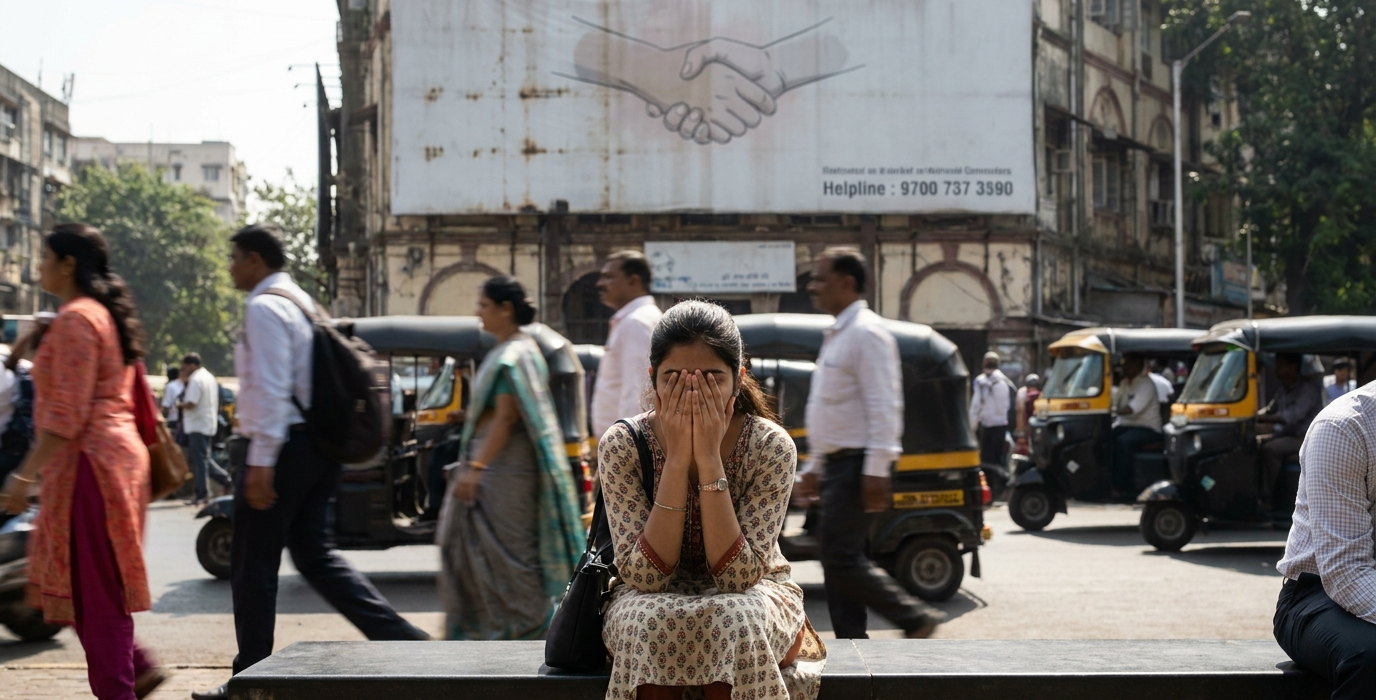
Across the vast expanse of India, from the bustling metropolises of Mumbai and Delhi to the tranquil villages of Kerala, a silent epidemic is unfolding. It’s a crisis that touches lives irrespective of age, gender, or socio-economic status. We are talking about the escalating mental health challenges that are increasingly impacting our nation’s well-being. While physical ailments often take centre stage, the toll of mental distress is becoming undeniable, demanding urgent attention and proactive solutions.
The statistics paint a stark picture. Studies consistently reveal a significant surge in mental health conditions such as anxiety disorders, depression, and stress-related ailments. Factors like intense academic pressure on students, the relentless pursuit of professional success, societal expectations, and the lingering impact of the global pandemic have all contributed to this growing concern. We can no longer afford to view mental health as a secondary issue; it is intrinsically linked to our overall health and productivity.
One particularly concerning trend is the rise in mental health issues among young adults and adolescents. The pressure to perform academically, the complexities of social media, and the uncertainty of future prospects are taking a heavy toll. This demographic, the future of our nation, requires tailored support systems and destigmatized environments where they feel safe to seek help. The burden of these conditions extends beyond the individual, affecting families, communities, and the nation’s economic progress.
Barriers to Access: The Stigma and Shortage Divide
Despite the growing awareness, significant hurdles prevent many Indians from accessing timely and effective mental healthcare. The pervasive stigma surrounding mental illness remains one of the most formidable barriers. For generations, discussions about mental health have been relegated to hushed tones, often associated with shame and weakness. This deep-rooted cultural reluctance to acknowledge and address psychological distress prevents individuals from seeking help, fearing judgment or social ostracization.
Compounding the issue is the severe shortage of qualified mental health professionals. India has a disproportionately low number of psychiatrists, psychologists, and counsellors per capita. According to recent estimates, for every 100,000 people, there are fewer than one psychiatrist. This scarcity means long waiting lists for appointments, limited geographical reach, and often, unaffordable costs for private therapy. Many individuals, especially in rural areas, have little to no access to any form of mental health support.
The economic implications of this gap are substantial. Untreated mental health conditions can lead to decreased productivity, increased absenteeism from work, and a higher burden on healthcare systems. Furthermore, the out-of-pocket expenditure for those who can access private care can be prohibitive. We are seeing a situation where those most in need are often least able to afford or access the help they desperately require. This disparity in access is a critical area that demands immediate policy intervention and resource allocation.
Surprising Fact: While urban India grapples with modern stressors, a study from 2025 indicated that certain tribal communities in the Andaman Islands, despite their remote living, reported lower levels of generalized anxiety, potentially linked to their strong community bonds and traditional practices, although they face unique challenges with access to formal mental health services.
Digital Frontiers: Innovation in Mental Wellness
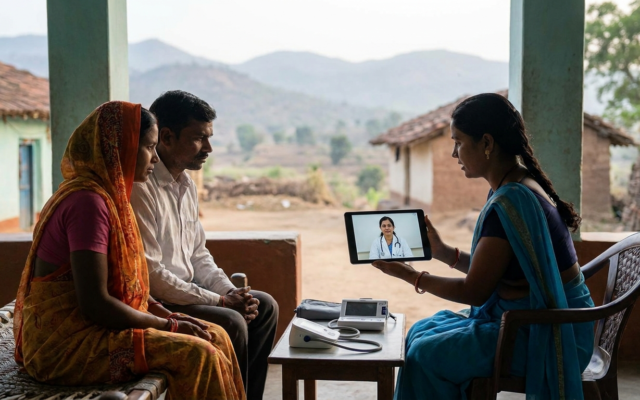
In the face of these challenges, the digital realm is emerging as a powerful ally in the fight for better mental well-being. The rapid proliferation of smartphones and internet connectivity across India has paved the way for innovative digital solutions. Telemedicine platforms are now offering remote consultations with mental health professionals, breaking down geographical barriers and making therapy more accessible. These services provide a discreet and convenient option for individuals who may be hesitant to seek in-person help.
Numerous mobile applications have been developed to cater to a range of mental health needs. From guided meditation and mindfulness exercises to mood tracking and CBT-based tools, these apps empower individuals to take an active role in managing their mental health. Many of these platforms are designed with an Indian audience in mind, incorporating local languages and cultural nuances. They offer a low-cost, often free, entry point for self-help and early intervention.
Beyond individual tools, online communities and support groups are fostering a sense of belonging and shared experience. These virtual spaces allow people to connect with others facing similar challenges, share coping strategies, and find emotional support. This peer-to-peer interaction can be incredibly validating, reducing feelings of isolation and normalizing the conversation around mental health. The accessibility and anonymity offered by these digital frontiers are crucial for overcoming the stigma that still holds many back.
Surprising Fact: A pilot project launched in 2026 in rural Rajasthan found that using AI-powered chatbots for basic mental health screening and psychoeducation in local dialects significantly increased the uptake of further professional help, suggesting a promising hybrid model for outreach.
Community and Culture: Local Solutions for Global Issues
While digital solutions offer broad reach, the power of community and cultural understanding cannot be overstated. Many Indian communities possess rich traditions and social structures that can be leveraged to support mental well-being. Strengthening these existing social safety nets is a vital component of a comprehensive mental health strategy. This involves empowering local leaders, community health workers, and family members to recognize signs of distress and provide initial support.
Initiatives like peer support groups within neighbourhoods, temple or mosque-based counselling services, and school-based mental health programs are gaining traction. These grassroots efforts often operate on a much more personal and culturally sensitive level, making them more effective for many. For instance, in cities like Bengaluru, NGOs are working with IT professionals to create workplace mental wellness programs that acknowledge the unique pressures of the tech industry.
Furthermore, integrating traditional healing practices with modern psychological approaches is an area of growing interest. While not a replacement for clinical treatment, certain aspects of Ayurveda, yoga, and meditation have demonstrated efficacy in managing stress and improving overall mental resilience. Recognizing and respecting these cultural modalities can build trust and encourage a more holistic approach to health. The key is to ensure that these practices are evidence-based and delivered by trained individuals, complementing, rather than replacing, professional medical care.
Policy and Prevention: Building a Resilient Nation
Addressing India’s mental health crisis requires a robust and forward-thinking policy framework. The National Mental Health Policy 2026, currently under review, aims to prioritize mental well-being through increased funding, improved infrastructure, and greater integration of mental health services into primary healthcare. A significant focus is on destigmatizing mental illness through public awareness campaigns and by promoting mental health literacy from an early age.
Prevention strategies are paramount. This includes investing in early intervention programs for children and adolescents, providing mental health support in educational institutions, and promoting workplace well-being initiatives. Creating environments where mental health is openly discussed and prioritized can significantly reduce the incidence of severe mental health conditions. The aim is to build resilience, equip individuals with coping mechanisms, and foster a society that is supportive and understanding.
A critical aspect of policy must be to increase the number of trained mental health professionals. This involves expanding training programs, offering scholarships, and incentivizing professionals to work in underserved areas. Collaborative efforts between government, NGOs, and private institutions are essential to bridge the current gap. We need to move beyond reactive treatment to a proactive and preventative approach, ensuring that mental healthcare is not a luxury but a fundamental right accessible to all citizens, regardless of their location or financial status.
Self-Care Strategies: Empowering Your Well-being
While systemic changes are crucial, individual agency in managing mental well-being is equally important. In our fast-paced lives, prioritizing self-care is not selfish; it’s a necessity. Simple yet effective strategies can make a profound difference in maintaining emotional balance and resilience. This means consciously carving out time for activities that nourish your mind and soul, even amidst demanding schedules.
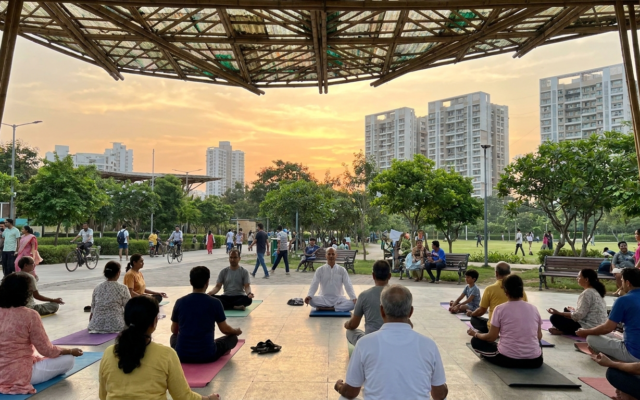
Incorporating physical activity into your routine is a powerful way to combat stress and boost mood. Whether it’s a brisk walk in a local park in Kolkata, a yoga session at home, or joining a dance class in Chennai, regular exercise releases endorphins, the body’s natural mood elevators. Similarly, ensuring adequate sleep is fundamental for mental restoration. Aiming for 7-9 hours of quality sleep each night can significantly improve cognitive function and emotional regulation.
Mindfulness and meditation practices, even for just a few minutes each day, can help ground you and reduce feelings of overwhelm. Exploring techniques like deep breathing exercises or guided imagery can be incredibly beneficial. Connecting with loved ones, maintaining social relationships, and seeking support when needed are vital. Don’t hesitate to reach out to friends, family, or a professional if you’re struggling. Remember, seeking help is a sign of strength, not weakness.
“The greatest wealth is health, and mental health is its most precious jewel. Investing in our minds is an investment in our collective future.”
Frequently Asked Questions
What are the most common mental health issues in India today?
The most prevalent mental health issues in India currently include anxiety disorders, depression, stress-related disorders, and increasingly, burnout, particularly among young professionals and students. Post-traumatic stress disorder (PTSD) is also a concern, especially in areas affected by conflict or natural disasters.
How can I find affordable mental health support in India?
You can explore government-run mental health institutions, which often offer services at subsidized rates. Many NGOs provide free or low-cost counselling. Additionally, tele-mental health platforms and mobile apps offer accessible and often more affordable options for consultations and self-help tools. Look for community-based initiatives in your locality.
Is it possible to prevent mental health issues?
While not all mental health issues can be prevented entirely, proactive measures can significantly reduce risk and improve resilience. This includes fostering strong social support systems, practicing healthy lifestyle habits (exercise, sleep, nutrition), developing effective coping mechanisms for stress, and promoting mental health literacy from a young age. Early intervention is key.
What role does the family play in mental health recovery?
Family plays a critical role. Supportive family environments can significantly aid in recovery by providing emotional backing, practical assistance, and reducing feelings of isolation. Educating family members about mental health conditions can also help them understand and better support their loved ones. Open communication within the family is vital.