Key Takeaways
- Telemedicine adoption in India is accelerating, driven by improved connectivity and government initiatives like the National Health Stack.
- Expect specialized virtual consultations for chronic diseases and mental health to become more prevalent.
- AI-powered diagnostic tools are starting to augment remote physician capabilities, promising faster and more accurate assessments.
- Navigating the evolving regulatory landscape and ensuring data privacy are critical for both patients and providers.
The New Frontier: Telemedicine’s Unstoppable Surge Across India
The hum of our smartphones is no longer just about staying connected with friends and family; it’s becoming a lifeline to healthcare. In 2026, telemedicine in India isn’t just a niche service; it’s a fundamental shift in how millions access medical care. We’re witnessing an unprecedented surge, fueled by a potent mix of technological advancements, robust government backing, and a growing public acceptance of virtual consultations.
Think about it: from the bustling metropolises of Mumbai and Delhi to the remote villages nestled in the Himalayas of Himachal Pradesh, geographical barriers are dissolving. Gone are the days of arduous journeys to distant clinics for routine check-ups or follow-up appointments. Today, a qualified doctor is often just a few clicks or a voice call away, bringing essential medical expertise directly into your home.
The National Health Stack, a visionary initiative by the Indian government, is a cornerstone of this transformation. It aims to create a unified digital infrastructure for healthcare, seamlessly integrating electronic health records, telemedicine platforms, and diagnostic services. This ambitious project is paving the way for a more efficient, accessible, and equitable healthcare system for every Indian.
Specialized Care Goes Virtual: Beyond the General Check-up
While general consultations remain a staple, the real excitement in 2026 lies in the burgeoning specialization of telemedicine. We’re moving beyond basic symptom checking to sophisticated virtual care for complex and chronic conditions. Imagine managing your diabetes, hypertension, or even post-operative recovery from the comfort of your living room in, say, Lucknow.
Cardiology consultations are increasingly conducted remotely, with patients sharing real-time data from wearable devices like smartwatches. Similarly, dermatologists are leveraging high-resolution image sharing for accurate diagnoses of skin conditions, saving patients trips from places like Kochi to urban centers. This trend is particularly empowering for individuals with mobility issues or those living in areas with limited specialist access.
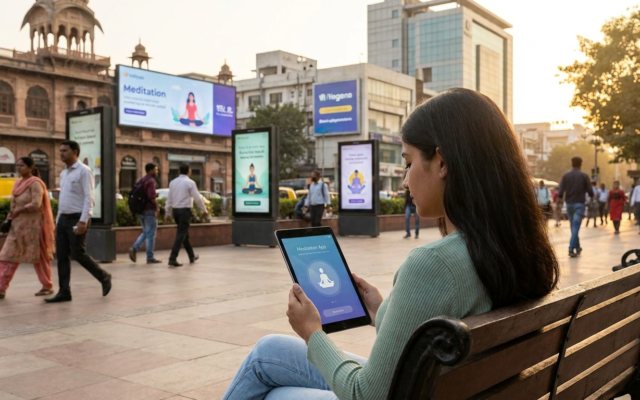
Mental health services are also experiencing a profound digital transformation. The stigma surrounding mental well-being is slowly eroding, and telemedicine offers a discreet, convenient, and often more affordable avenue for seeking therapy and psychiatric support. Platforms are now offering specialized counseling for stress, anxiety, and depression, accessible to anyone with an internet connection, whether they’re in Bengaluru or a small town in Bihar.
AI as the Doctor’s Digital Assistant: Enhancing Accuracy and Efficiency
Artificial intelligence is no longer a futuristic concept in healthcare; it’s actively augmenting the capabilities of our medical professionals. In 2026, AI-powered tools are becoming indispensable allies in the telemedicine landscape. These sophisticated algorithms are helping doctors make faster, more accurate diagnoses and treatment plans.
Consider the use of AI in analyzing medical images. Radiologists can now leverage AI to pre-screen X-rays, CT scans, and MRIs, flagging potential anomalies for their expert review. This not only speeds up the diagnostic process but also helps catch subtle issues that might otherwise be missed, especially in high-volume settings common in Indian hospitals.
Furthermore, AI is playing a crucial role in predictive analytics. By analyzing patient data and historical trends, these systems can help identify individuals at higher risk for certain diseases, allowing for proactive intervention. This is a game-changer for preventive healthcare, enabling early detection and management of conditions before they become severe. We’re seeing early implementations in cities like Pune, where AI is assisting in predicting potential cardiac events based on patient vitals.
Navigating the Digital Landscape: Regulations, Privacy, and Patient Trust
As telemedicine expands, so does the critical need for a robust regulatory framework and unwavering attention to data privacy. The Indian government has been actively working on guidelines to ensure the safety, security, and ethical practice of virtual healthcare. These evolving regulations are crucial for building and maintaining patient trust.
Ensuring the confidentiality of sensitive health information is paramount. Secure data encryption, adherence to privacy laws, and transparent data handling policies are non-negotiable. Patients need to feel confident that their personal health details are protected, whether they’re consulting a doctor from their home in Guwahati or a small clinic in rural Rajasthan.
We are also seeing a greater emphasis on physician licensing and credentialing across state borders. This ensures that patients are receiving care from qualified and legitimate practitioners, regardless of their location. The aim is to create a seamless yet secure ecosystem where both patients and healthcare providers can operate with confidence. A surprising fact is that some state medical councils are now exploring blockchain technology to verify doctor credentials for telemedicine practices, enhancing transparency and security.
Bridging the Digital Divide: Ensuring Access for All
While the digital revolution is transforming healthcare, we must acknowledge and actively address the digital divide that still exists in India. Not everyone has access to reliable internet or a smartphone, and this can create disparities in healthcare access.
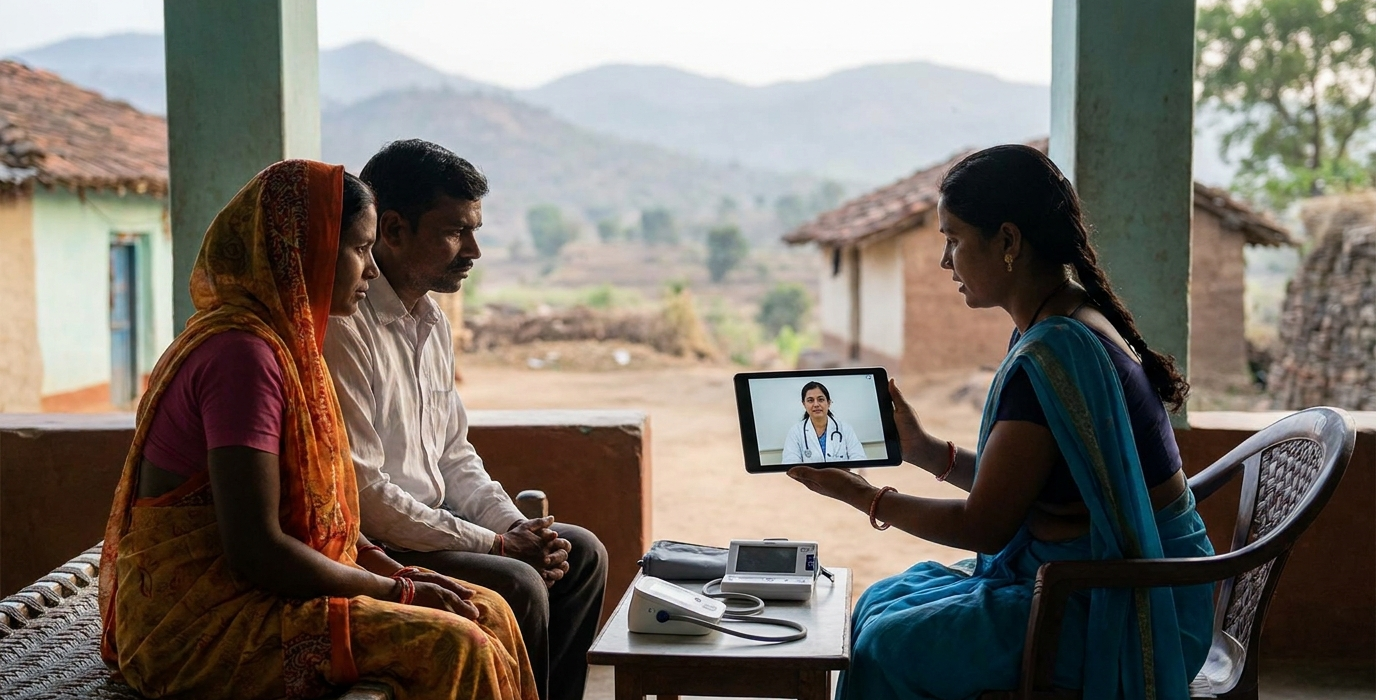
However, innovative solutions are emerging to bridge this gap. Community health centers equipped with telemedicine facilities are being established in remote areas, allowing individuals without personal devices to access virtual consultations. These centers are often staffed by local health workers who can assist patients with the technology.
Moreover, initiatives focused on digital literacy are gaining momentum. By educating rural populations on how to use digital tools for healthcare, we can empower them to take better control of their well-being. The government’s push for affordable data plans and low-cost smartphones further aids in democratizing access to these vital services. We are seeing pilot programs in states like Odisha that provide pre-loaded health apps and basic smartphone training to villagers.
The Patient Experience: Convenience, Cost-Effectiveness, and Empowerment
For us, the patients, the benefits of telemedicine are tangible and transformative. The sheer convenience is perhaps the most immediate advantage. No more waiting in long queues, no more taking entire days off work for a simple doctor’s visit. You can schedule appointments that fit your busy life, consult from wherever you are, and receive care without the stress of travel.
Cost-effectiveness is another significant draw. Telemedicine often proves more affordable than in-person visits, especially when factoring in travel expenses and lost wages. Many insurance providers are also increasingly recognizing and reimbursing telemedicine services, making them even more accessible.
“Telemedicine isn’t just about convenience; it’s about democratizing healthcare. It puts the power of access directly into the hands of the patient, irrespective of their postcode.”
Beyond convenience and cost, telemedicine fosters a sense of empowerment. By having more control over when and how you access care, you become a more active participant in your own health journey. This increased engagement can lead to better adherence to treatment plans and improved health outcomes. For instance, follow-up consultations for conditions like post-surgery recovery or chronic disease management become far less burdensome, encouraging consistent medical attention.
Frequently Asked Questions
What are the most common medical conditions treated via telemedicine in India?
Common conditions include general consultations for colds and flu, chronic disease management (diabetes, hypertension), dermatological issues, mental health concerns, and post-operative follow-ups. Basic pediatric consultations are also increasingly popular.
How is my personal health data protected when using telemedicine services?
Reputable telemedicine platforms employ end-to-end encryption, secure servers, and adhere to strict data privacy regulations like India’s Digital Personal Data Protection Act. Always check a platform’s privacy policy and ensure they use secure connection protocols.
Are telemedicine consultations covered by insurance in India?
Coverage is rapidly expanding. Many health insurance policies in India now include provisions for telemedicine consultations. It’s advisable to check with your specific insurance provider for details on their coverage for virtual health services.
What technology do I need for a telemedicine appointment?
Typically, you’ll need a smartphone, tablet, or computer with a stable internet connection and a working camera and microphone. Some specialized consultations might require specific apps or devices for data sharing.