Key Takeaways
- Cricket is making a serious bid for inclusion in the Los Angeles 2028 Olympics, with T20 format being the likely contender.
- The International Olympic Committee (IOC) is considering cricket’s return after a century-long absence, driven by the sport’s growing global appeal and the need to attract younger audiences.
- India, as a major cricket powerhouse, plays a crucial role in advocating for cricket’s Olympic inclusion, influencing both the ICC and the IOC.
- The T20 format’s shorter duration and dynamic nature align well with the Olympic Games’ requirements for brevity and spectator engagement.
- Potential challenges include scheduling conflicts, venue logistics, and ensuring a truly global representation beyond traditional cricket-playing nations.
The Roar of the Crowd: Cricket’s Olympic Ambition Ignites
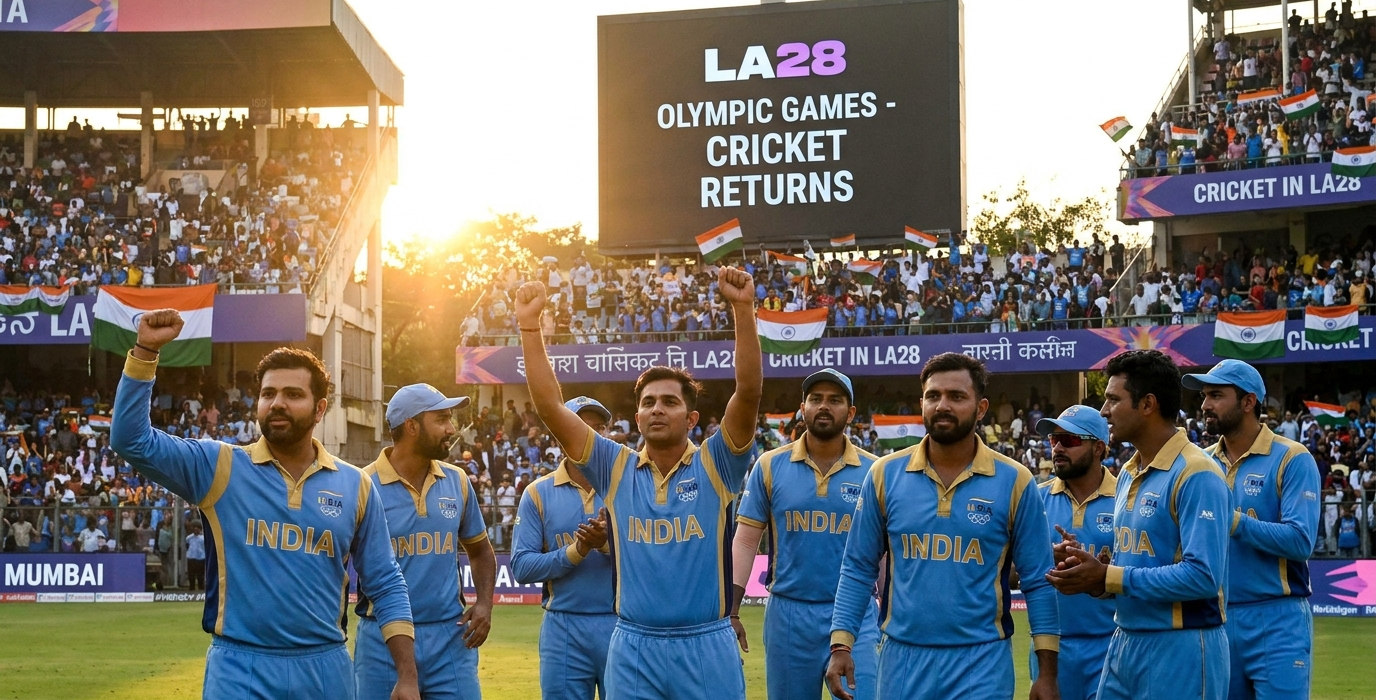
The air in Los Angeles in 2028 might soon be filled with the crack of a bat and the roar of a crowd chanting in unison, but not for baseball, as one might expect. Cricket, a sport deeply woven into the fabric of South Asian culture and with a rapidly expanding global footprint, is on the cusp of a potential Olympic comeback. After a single, brief appearance at the 1900 Paris Games, the sport has been absent from the quadrennial spectacle for over a century. However, a powerful coalition, led by the International Cricket Council (ICC) and heavily supported by cricket-loving nations like India, is pushing for its inclusion in the Los Angeles 2028 programme. The International Olympic Committee (IOC) is reportedly receptive, seeing cricket as a prime opportunity to inject new energy and a massive, passionate fanbase into the Games, especially among younger demographics. This isn’t just a pipe dream; discussions are advanced, and the T20 format, with its fast-paced action and shorter duration, is the strong favourite to make the cut.
The push for cricket’s Olympic inclusion is more than just a sporting aspiration; it’s a strategic move to elevate the sport’s global stature. For the IOC, it represents a chance to tap into the billions of cricket fans worldwide, particularly in emerging markets where Olympic viewership might traditionally be lower. This mutual benefit is driving the negotiations, with both parties keen to find a workable solution. The journey has been long and complex, involving significant lobbying and a clear demonstration of cricket’s readiness to adapt to the Olympic format. The potential impact on cricket’s development, especially in non-traditional territories, could be revolutionary, fostering new talent and inspiring a generation of athletes.
T20’s Golden Ticket: Why the Short Format Reigns Supreme
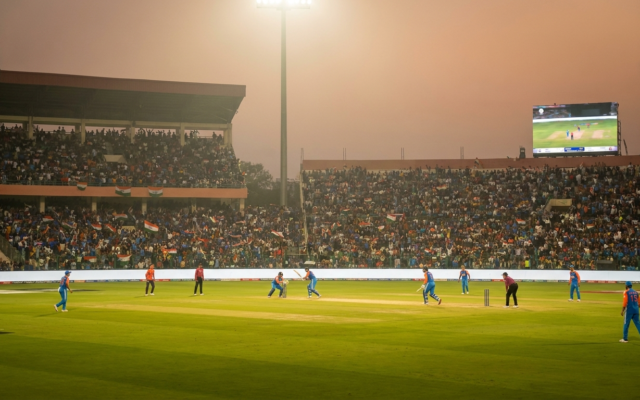
The decision to champion the T20 format for Olympic inclusion isn’t arbitrary; it’s a pragmatic response to the demands of the Games. Unlike Test cricket’s multi-day epics or even the one-day internationals, T20 offers a concentrated burst of thrilling action, typically lasting around three hours. This aligns perfectly with the IOC’s preference for events that are easily digestible for television audiences and fit within a packed Olympic schedule. The format’s inherent excitement, with its high-scoring potential and dramatic finishes, is also a major draw for viewers, both seasoned fans and those new to the sport.
Consider the accessibility. T20 matches can be played in a relatively compact timeframe, making it easier to integrate into the Olympic village and venue logistics. This reduces the strain on resources and allows for a more dynamic tournament structure. Furthermore, the format has proven incredibly popular in burgeoning cricket markets, demonstrating its ability to capture attention and create new fan bases. The ICC has invested heavily in promoting T20 cricket globally, from the glitzy Indian Premier League (IPL) to international T20 leagues, showcasing its mass appeal. This existing infrastructure and fan engagement make T20 the natural choice for an Olympic debut.
India’s Pivotal Role: The Cricket Colossus on the Global Stage
India stands as the undisputed heavyweight in the world of cricket, and its influence on the sport’s Olympic aspirations cannot be overstated. As the nation with the largest and most passionate cricket following, India’s endorsement carries immense weight with both the ICC and the IOC. The Board of Control for Cricket in India (BCCI), the world’s wealthiest cricket board, has been a vocal proponent of Olympic inclusion, understanding the immense promotional and developmental benefits it would bring. Their backing ensures that the financial and logistical aspects of fielding Olympic teams are considered seriously.
The sheer scale of cricket’s following in India translates directly into potential viewership numbers for the Olympics. When India plays, the nation watches, and the prospect of Olympic gold in cricket would undoubtedly galvanize the country like never before. This massive audience is a significant selling point for the IOC, which is always looking to expand its reach. Beyond viewership, India’s commitment to developing cricket infrastructure and talent across the subcontinent means that a strong Indian contingent is virtually guaranteed, adding to the competitive allure of the tournament. Their diplomatic efforts behind the scenes are crucial in bridging any gaps between cricket bodies and Olympic authorities.
“Cricket’s return to the Olympics isn’t just about nostalgia; it’s about embracing a sport that has evolved, connecting with a new generation of fans, and offering the Games a gateway into vibrant, untapped markets.”
Navigating the Hurdles: Logistics, Venues, and Global Reach
While the momentum towards cricket’s Olympic inclusion is strong, the path forward is not without its challenges. One of the primary concerns is venue availability and suitability in Los Angeles. Cricket requires specific pitches and grounds, and identifying or constructing suitable facilities that meet international standards will be a significant undertaking. The organizers will need to ensure that these venues can accommodate the necessary infrastructure for broadcasting, security, and spectator comfort, all while fitting within the existing Olympic venue plan.
Another critical aspect is scheduling. Integrating a cricket tournament, even in the T20 format, into the already packed Olympic calendar will require careful planning and coordination. Balancing the needs of cricket with other popular Olympic sports, such as athletics and swimming, will be a delicate act. Beyond the logistical, there’s the challenge of ensuring true global representation. While India, Pakistan, Australia, England, and New Zealand are established powerhouses, the IOC seeks universality. Efforts will need to be made to promote and support cricket in emerging nations, ensuring that the Olympic tournament showcases a diverse range of cricketing talent, not just the usual suspects. This might involve specific development programs and qualification pathways designed to encourage participation from a wider geographical spread.
The Olympic Dream: Inspiring a New Generation of Cricketers
For aspiring cricketers across the globe, the prospect of competing for an Olympic medal is a dream that could soon become a reality. An Olympic appearance elevates a sport, providing unparalleled inspiration and a tangible goal for young athletes. Imagine a young girl in Nairobi or a boy in Vancouver seeing their national heroes on the Olympic stage, batting for gold. This exposure can spark a surge in participation, leading to the development of new talent pools and further globalizing the sport.
The Olympic rings represent the pinnacle of athletic achievement, and for cricketers, achieving this status would be monumental. It would undoubtedly lead to increased investment in grassroots development, coaching facilities, and junior programs. The prestige associated with an Olympic medal can attract sponsors and media attention, creating a positive feedback loop that benefits the sport at all levels. This dream is not confined to the traditional cricket-playing nations; it extends to countries where cricket is gaining traction, offering them a platform to shine and showcase their growing talent. The thought of standing on that podium, hearing your national anthem play, is a powerful motivator for any athlete, and for cricketers, it’s a chance to etch their names in Olympic history.
A Surprise Return: Cricket’s Echoes from the Past
While the 2028 Olympics might mark a modern revival, it’s worth remembering that cricket isn’t entirely new to the Olympic Games. Its debut was at the 1900 Paris Olympics, a rather unique and somewhat unceremonious affair. Initially, only two teams were scheduled to compete: Great Britain and France. However, France withdrew, leaving Great Britain to field a team comprised of players who happened to be in Paris at the time. This hastily assembled team, representing the British Olympic Association, played against a team from the British colony of Devon, which was also in Paris.
The gold medal was ultimately awarded to Great Britain, though the circumstances were far from the organized, multi-nation tournaments we associate with the Olympics today. This historical footnote highlights cricket’s early, albeit brief, dalliance with the Olympic movement. The intervening century has seen the sport undergo immense transformation, growing from a gentleman’s game in a few select nations to a global phenomenon. The IOC’s current interest signifies a recognition of this evolution and the sport’s readiness to embrace the Olympic spirit on a much grander, and more inclusive, scale. Another fascinating, albeit less celebrated, Olympic cricket fact is that the 1900 event was the only time cricket has featured in the Summer Olympics, making its potential return in 2028 a truly historic moment.
Frequently Asked Questions
Will cricket definitely be in the LA 2028 Olympics?
While discussions are advanced and the IOC is reportedly keen, cricket’s inclusion is not yet officially confirmed. A final decision is expected in the coming months, with the T20 format being the strongest contender.
Which format of cricket will be played?
The T20 format is overwhelmingly favoured due to its shorter duration and dynamic nature, which aligns well with the Olympic Games’ scheduling and broadcast requirements.
How many teams will participate?
The exact number is still under discussion, but the IOC typically aims for a manageable number of teams, likely between 6 and 8, to ensure competitive and engaging tournaments within the Olympic schedule.
Which countries are most likely to qualify?
Traditional cricket powerhouses like India, Australia, England, Pakistan, and New Zealand are strong contenders. However, the qualification process will aim to offer opportunities to emerging cricketing nations to ensure global representation.