Key Takeaways
- Indian esports athletes are achieving global recognition and significant earnings in 2026, transcending traditional career paths.
- The burgeoning esports ecosystem in India now offers structured training, professional teams, and substantial prize pools, creating viable career opportunities.
- Understanding the diverse game titles, platforms, and the dedication required is crucial for aspiring Indian gamers aiming for professional success.
- The rise of Indian esports is not just about individual talent but also a testament to improved infrastructure, investment, and cultural acceptance.
From Pixels to Paycheques: India’s New Sporting Heroes Emerge
The roar of the crowd is no longer confined to cricket stadiums or football fields. Today, in 2026, it echoes through auditoriums filled with thousands, all fixated on screens where digital warriors battle for supremacy. India, a nation historically celebrated for its passion for cricket, is witnessing a seismic shift as its esports athletes ascend to stardom. Gone are the days when gaming was merely a hobby for teenagers; it has evolved into a legitimate profession, attracting significant investment and generating substantial prize money. We are talking about a new generation of sporting heroes, their arenas virtual, their training rigorous, and their victories celebrated with fervent national pride.
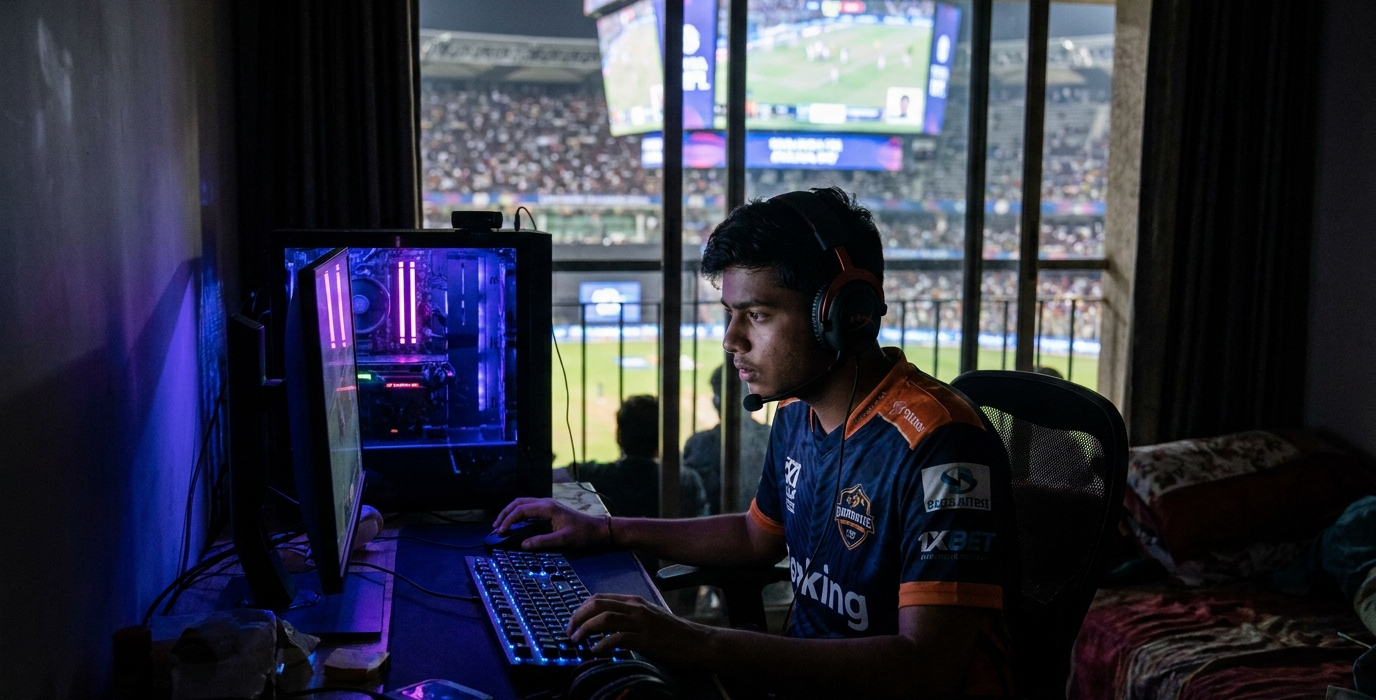
The sheer scale of this transformation is astounding. What was once a niche community is now a mainstream phenomenon, with dedicated leagues, professional teams, and brand endorsements rivaling those in traditional sports. Aspiring gamers no longer face parental disapproval; instead, they are encouraged to hone their skills, backed by academies and coaches. This isn’t just about playing video games; it’s about strategic thinking, lightning-fast reflexes, immense teamwork, and the mental fortitude to perform under immense pressure. The journey from a dimly lit bedroom to a packed esports arena is now a tangible reality for many talented young Indians.
The New Arenas: Where Dreams Are Forged
The landscape of competitive gaming in India has undergone a dramatic metamorphosis. We’ve moved beyond informal tournaments held in local internet cafes. Today, major cities like Delhi, Mumbai, and Bengaluru host state-of-the-art esports arenas, capable of seating thousands and equipped with cutting-edge technology. These venues are not just for spectators; they are the battlegrounds where India’s best compete. We’re seeing franchises emerge, mirroring traditional sports leagues, with owners investing heavily in player development, training facilities, and strategic coaching.
These professional teams often have boot camps, much like their athletic counterparts, where players live and train together. This provides them with structured practice sessions, performance analysis, and psychological support. The focus is on holistic development, ensuring players are not only skilled in-game but also mentally resilient and physically fit to endure long gaming sessions and tournaments. This professionalization is key to nurturing talent and ensuring longevity in a demanding field.
The prize pools have also swelled significantly. What was once a few thousand rupees is now often lakhs, and for major international tournaments, the figures run into millions of dollars. This financial incentive, coupled with the allure of fame and global recognition, has made esports an incredibly attractive career path for a new generation. We are seeing players like Ankit “V3NOM” Sharma, a renowned Valorant player, and Tirth “soul” Mehta, a PUBG Mobile icon, become household names, their social media followings in the millions.
The Pillars of Progress: Infrastructure and Investment
Crucial to this rise are the improvements in digital infrastructure and the influx of investment. Faster internet speeds across the country have made seamless online play a reality for millions. Furthermore, major tech companies, telecommunications giants, and even traditional sports organizations are pouring capital into esports. They are sponsoring teams, organizing tournaments, and developing platforms to support the ecosystem.
This investment goes beyond just prize money. It fuels the creation of dedicated esports organizations, content creators, casters, and event management companies, all forming a robust and self-sustaining industry. We are also seeing educational institutions begin to offer esports-related courses, acknowledging the growing demand for skilled professionals in this domain. The Indian esports scene in 2026 is not just about the players; it’s a complex, interconnected web of talent, technology, and capital.
The Game Changers: Top Titles Dominating the Indian Scene
The competitive gaming world is diverse, and India’s esports arena reflects this. While mobile gaming has a massive footprint due to accessibility, PC and console titles are also gaining significant traction among the professional circuits. Understanding these key games is vital for anyone looking to enter or even just follow the scene.
Currently, titles like Valorant, a tactical, team-based first-person shooter, have captured the imagination of many young Indian gamers. Its strategic depth and high-octane gameplay make for compelling viewing and intense competition. We’ve seen Indian teams achieve respectable finishes in global Valorant championships, showcasing the raw talent that exists.
Then there’s the persistent popularity of Battle Royale games. While PUBG Mobile continues to command a massive audience, its successor and other similar titles are pushing the boundaries. The thrill of being the last one standing, coupled with the need for survival tactics and precise shooting, makes these games immensely popular. We’ve seen incredible clutch plays and strategic masterminds emerge from the Indian PUBG Mobile scene, leading to record-breaking viewership for domestic tournaments.
Beyond these, Multiplayer Online Battle Arenas (MOBAs) like Dota 2 and League of Legends, though perhaps with a more dedicated but smaller player base compared to Battle Royales, also contribute significantly to the competitive landscape. These games demand incredible team coordination, strategic decision-making, and individual skill execution. The complexity and depth of MOBAs have fostered a highly skilled and dedicated community of players and fans alike.
A Look at the Platforms
The hardware and platform divide is also noteworthy. While PC gaming offers the highest fidelity and precision, the accessibility of mobile gaming has democratized esports in India. Many aspiring athletes begin their journey on smartphones before potentially transitioning to PC or console setups as they advance. This dual-platform dominance ensures a broad talent pool and diverse competitive opportunities.
The Grind and Grit: What It Takes to Be an Esports Pro
Becoming a professional esports athlete in 2026 is no walk in the park; it requires dedication, discipline, and a relentless pursuit of excellence, much like any traditional sport. The romanticized image of simply playing games all day is a myth. Professional gamers undergo rigorous training regimes that go far beyond just logging hours in-game.
This training often includes analytical sessions, where players review replays of their matches, dissecting their performance, identifying mistakes, and strategizing for future encounters. Team coordination drills are paramount, focusing on communication, synergy, and executing complex strategies flawlessly. Many top players also engage in physical fitness routines and mindfulness exercises to improve their stamina, reaction times, and mental resilience, crucial for maintaining peak performance during long tournaments.
The mental aspect is as demanding as the physical. Esports athletes face immense pressure, dealing with online toxicity, performance slumps, and the constant need to adapt to evolving game meta. Psychological coaching is becoming increasingly common, helping players manage stress, maintain focus, and bounce back from setbacks. The ability to stay calm under pressure and make split-second decisions is a hallmark of any elite esports competitor.
The Role of Coaches and Analysts
Professional esports teams now employ dedicated coaching staff and analysts. These professionals provide strategic guidance, develop training plans, and offer objective feedback. They are the unsung heroes behind the scenes, helping players unlock their full potential. We’re seeing former professional players transition into these roles, bringing invaluable experience and insight.
“The mental game is just as crucial, if not more so, than the in-game skills. You can have the fastest reflexes, but if you crumble under pressure, you won’t win the big matches.” – A leading Indian esports coach, speaking anonymously.
The commitment is significant, often requiring players to be away from home for extended periods, living and breathing the game. It’s a lifestyle that demands sacrifice, but for those who succeed, the rewards – both financial and reputational – are substantial.
Emerging Talent Hubs and Grassroots Growth
While metropolitan cities like Delhi, Mumbai, and Bengaluru have been the epicenters of Indian esports, the growth is now radiating outwards. Tier 2 and Tier 3 cities are increasingly becoming breeding grounds for new talent, thanks to increased internet penetration and the accessibility of mobile gaming. This grassroots development is crucial for the long-term health and diversity of the Indian esports ecosystem.
We are seeing local tournaments and community-driven events popping up in cities like Kochi, Jaipur, and Indore. These smaller-scale competitions provide invaluable experience for aspiring gamers, allowing them to hone their skills in a competitive environment without the immediate pressure of national or international stages. These events also act as crucial scouting grounds for professional teams looking to discover the next big talent.
The proliferation of streaming platforms like Twitch and YouTube Gaming has also played a pivotal role. Aspiring players can now showcase their skills to a global audience from their homes. This not only provides them with a platform to gain recognition but also offers opportunities for monetization through subscriptions, donations, and ad revenue, creating an additional income stream. This democratisation of visibility has been a game-changer for talent identification.
The Surprising Factor: Rural Talent on the Rise
One of the most surprising and inspiring trends is the emergence of talented gamers from rural backgrounds. With affordable smartphones and increasingly accessible data plans, gaming has reached even remote corners of the country. These players, often overcoming significant infrastructural challenges, are proving that talent knows no geographical boundaries. We are starting to see national-level players hailing from villages in states like Uttar Pradesh and Bihar, challenging the urban-centric narrative of esports dominance. This influx of diverse talent promises to enrich the competitive scene further.
Navigating the Future: Opportunities and Challenges
The future of esports in India, as we look ahead from 2026, is exceptionally bright, brimming with opportunities for players, fans, and investors alike. The continued growth of professional leagues, the increasing prize pools, and the rising cultural acceptance of gaming as a legitimate career are all positive indicators. We anticipate further integration with mainstream sports, with more collaborative events and cross-promotional activities.
However, challenges remain. Player burnout is a significant concern, given the demanding nature of professional gaming. Ensuring adequate support systems, mental health resources, and structured career progression pathways are vital for the well-being of athletes. Regulatory frameworks also need to evolve to address issues such as player contracts, anti-doping policies (yes, it’s becoming a discussion point), and fair competition practices.
Another area for focus is gender inclusivity. While the number of female gamers is rapidly increasing, their representation in professional leagues and tournaments still lags behind. Dedicated initiatives to encourage female participation and provide them with equal opportunities are essential for a truly representative esports ecosystem. We are seeing some promising movements here, with female-led teams and tournaments gaining traction.
The educational aspect of esports is also gaining momentum. Beyond just professional play, there’s a growing demand for skilled individuals in game development, esports management, content creation, and event organization. This diversification will further solidify esports as a sustainable industry, creating a wide array of career paths for young Indians.
The Global Stage Awaits
India’s presence on the global esports stage is no longer aspirational; it is a reality. With continued investment, structured development, and unwavering passion from its athletes, India is poised to become a dominant force in the international esports arena in the coming years. The journey from bedroom gamer to global champion is now a well-trodden path for many, and it’s only just beginning.
Frequently Asked Questions
What are the most popular esports games in India in 2026?
Currently, the most popular esports titles in India include Valorant for PC, and Battle Royale games like PUBG Mobile successors and similar titles for mobile. MOBAs like Dota 2 also have a dedicated following.
How can aspiring Indian gamers become professional esports athletes?
Aspiring gamers should focus on mastering one or two popular titles, practice consistently, join online communities, participate in amateur tournaments, and seek out professional teams or academies for structured training and coaching.
What are the average earnings of an Indian esports athlete?
Earnings vary significantly. Top-tier professional players can earn anywhere from ₹30,000 to ₹1,00,000 per month through salaries, prize money, and sponsorships. However, many earn supplementary income through streaming. Elite international players can earn much more.
Are there educational opportunities for esports in India?
Yes, the number of educational programs related to esports is growing. This includes courses in esports management, game development, content creation, and even specialized coaching programs, reflecting the expanding career landscape beyond just playing.
What is surprising about the growth of esports in India?
A particularly surprising trend is the emergence of talented esports athletes from rural areas. Increased internet accessibility and affordable smartphones are bringing competitive gaming to remote regions, creating a more diverse talent pool than previously anticipated.