Key Takeaways
- Discover a balanced high-protein diet plan tailored for Indian palates, incorporating local ingredients for 2026 fitness goals.
- Learn about optimal protein sources beyond common choices like paneer and chicken, including lesser-known but effective options.
- Understand how to structure your meals throughout the day for sustained energy and muscle recovery, with practical examples.
- Find out how to adapt these plans for different dietary needs, such as vegetarian, vegan, and specific calorie targets.
Fueling Your 2026 Fitness Journey: The High-Protein Indian Plate
As you set your sights on fitness and well-being in 2026, your diet plays a pivotal role. For many in India and across the globe, achieving goals like muscle gain, effective weight management, or simply sustained energy requires a strategic approach to nutrition. The cornerstone of such a strategy? Protein. It’s the building block for muscle, essential for satiety, and crucial for countless bodily functions. This guide dives deep into creating a high-protein Indian diet chart that is both effective and delicious, ensuring you don’t have to compromise on flavour or cultural authenticity.
We understand that navigating the world of nutrition can be complex. With so much conflicting advice, it’s easy to feel overwhelmed. That’s why we’ve focused on practical, actionable advice using ingredients readily available in Indian kitchens. You’ll find specific meal suggestions, protein-packed snack ideas, and strategies to integrate more protein seamlessly into your daily routine. Whether you’re a seasoned athlete or just beginning your wellness journey, this chart is designed to empower you with the knowledge to make informed choices.
Our focus is on a holistic approach, ensuring that your high-protein diet is also rich in essential vitamins, minerals, and fibre. We’ll explore a variety of protein sources, from traditional favourites to some surprising additions, all while keeping the Indian culinary landscape in mind. Get ready to transform your plate and energise your 2026 goals.
Morning Power-Up: Breakfasts that Kickstart Your Day
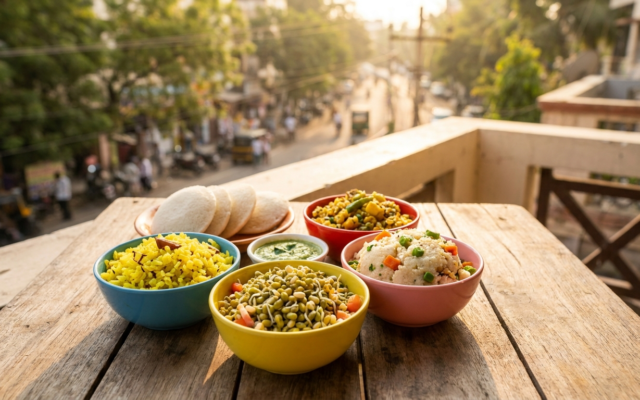
The first meal of your day sets the tone for your energy levels and metabolism. For a high-protein start in 2026, we’re moving beyond the usual poha or upma, though they can be enhanced. Think about incorporating eggs, which are a complete protein source and incredibly versatile. Scrambled eggs with finely chopped onions, tomatoes, and coriander, perhaps a side of whole-wheat toast, can provide around 15-20 grams of protein. For our vegetarian readers, a thick besan cheela (gram flour pancake) loaded with grated vegetables like carrots and spinach, served with a dollop of Greek yogurt or a light peanut chutney, is an excellent choice, offering about 10-15 grams of protein per serving.
Consider sprouted moong or chana (lentils and chickpeas) salad as another breakfast option. This requires minimal cooking and is packed with fibre and protein. Toss the sprouts with chopped cucumber, tomatoes, a squeeze of lemon, and a pinch of chaat masala. This provides a substantial protein boost and keeps you feeling full for longer. If you’re short on time, a protein smoothie is a lifesaver. Blend a scoop of whey or plant-based protein powder with almond milk, a banana, a tablespoon of chia seeds, and a handful of spinach. This can easily deliver 25-30 grams of protein.
We also encourage exploring dishes like idli or dosa with a protein-rich sambar. While idlis themselves are moderate in protein, a sambar made with a generous amount of mixed dals (lentils) like toor, masoor, and urad dal significantly boosts the protein content. For those who prefer a sweeter start, a bowl of plain Greek yogurt mixed with berries and a sprinkle of nuts and seeds can be a quick and satisfying protein-rich breakfast, offering a good balance of macronutrients to fuel your morning. Remember, consistency is key; making these protein-rich choices a daily habit will yield the best results.
Midday Momentum: Lunch Strategies for Sustained Energy
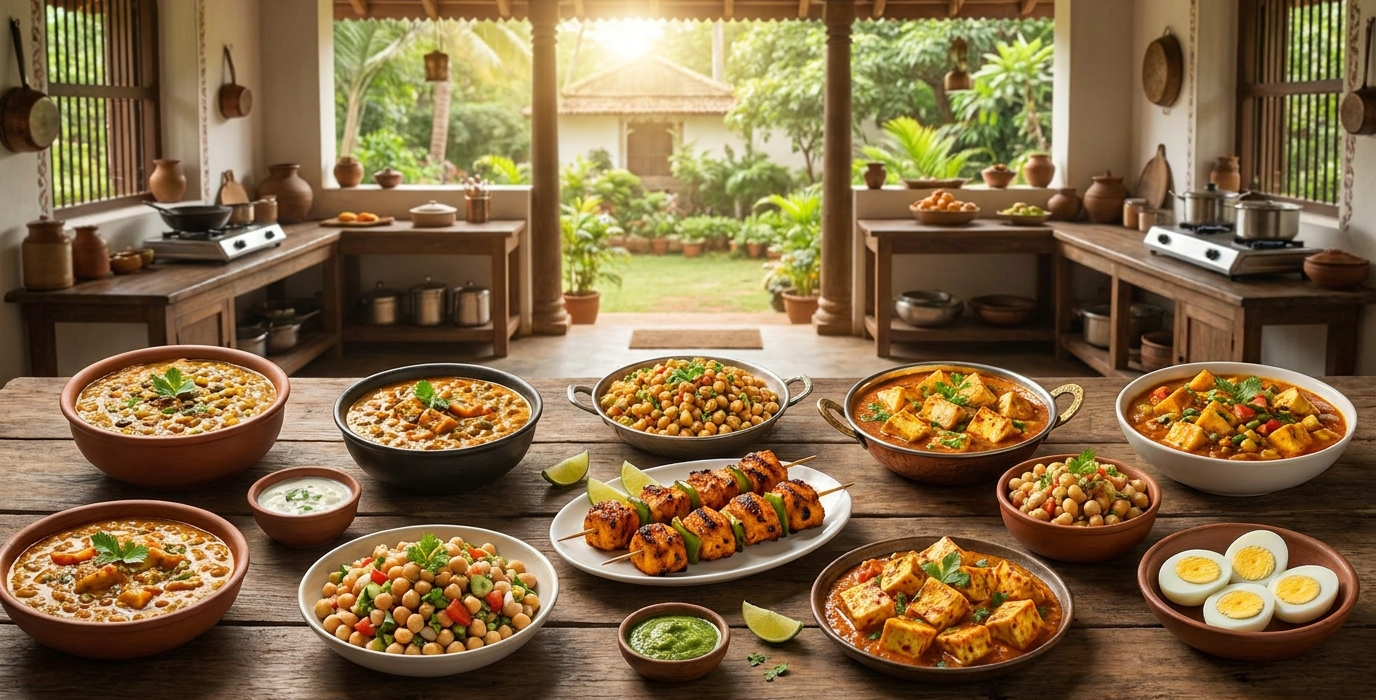
Lunch is a critical juncture in your day. A well-balanced, protein-heavy lunch can prevent the dreaded afternoon slump and keep your metabolism humming. For a traditional Indian lunch, we’re looking at more than just dal and rice. Consider a hearty bowl of rajma (kidney beans) or chana masala (chickpea curry) served with a smaller portion of brown rice or whole-wheat roti. A typical serving of rajma curry can offer 15-20 grams of protein, making it a powerhouse vegetarian option. Pair this with a side of fresh salad or a vegetable stir-fry for added nutrients and fibre.
If you consume non-vegetarian food, grilled or tandoori chicken or fish is an excellent choice. A portion of grilled chicken breast (around 100-120 grams) can provide 25-30 grams of protein. Instead of a heavy rice accompaniment, opt for a mixed vegetable pulao or a substantial salad. Lentil-based dishes like masoor dal or mixed vegetable dal are also great protein contributors. Enhance their protein profile by adding paneer cubes or tofu to your dal or vegetable curries. This simple addition can elevate the protein content significantly, especially for vegetarians and vegans.
A unique option to consider is a Khichdi made with a blend of dals and brown rice, enriched with vegetables like peas, carrots, and spinach. You can further boost its protein by adding a spoonful of ghee and serving it with a side of plain yogurt or curd. This makes for a comforting yet highly nutritious meal. For those seeking quicker options, a large bowl of paneer bhurji (scrambled cottage cheese) with whole-wheat roti or a substantial lentil soup with a side of sprouts can be equally effective. The key is to ensure a significant protein component that goes beyond a minimal serving of dal, making your midday meal a true fuel station.
Evening Recharge: Smart Snacking and Light Dinners
As the day winds down, your eating habits should reflect a need for recovery and preparation for the next day. Evening snacks are often where we derail our diets, reaching for unhealthy, processed options. In 2026, let’s make smarter choices. A handful of roasted chana (chickpeas), a small bowl of unsalted nuts like almonds and walnuts, or a portion of Greek yogurt with berries are excellent high-protein, low-carb options. These snacks help curb hunger pangs without adding excessive calories and can provide 5-10 grams of protein.
For a more substantial snack, consider a small paneer tikka or a hard-boiled egg. These are portable and provide a good protein hit. If you’re at home, a light yet protein-rich dinner is ideal. Think about a vegetable and lentil soup, perhaps with some shredded chicken or tofu added for an extra protein punch. Another great option is a large salad topped with grilled fish, paneer cubes, or a generous portion of chickpeas and kidney beans. The dressing should be light, such as a lemon-olive oil vinaigrette.
A surprising yet effective option for dinner is a quinoa and vegetable stir-fry. Quinoa is a complete protein source and, when combined with vegetables and perhaps some edamame or paneer, makes a balanced meal. For vegetarians, a hearty bowl of mixed bean curry or a tofu scramble with plenty of vegetables can be very satisfying. Avoid heavy, carb-laden meals late at night. Focus on lean protein and plenty of non-starchy vegetables. This approach supports muscle repair overnight and aids in weight management, ensuring you’re well-prepared for the day ahead.
Beyond the Plate: Hydration and Protein Integration
Achieving your 2026 fitness goals with a high-protein diet isn’t just about what you eat; it’s also about how you hydrate and how you strategically integrate protein throughout your day. Water is fundamental for all bodily processes, including protein metabolism and muscle function. Aim for at least 8-10 glasses of water daily, and more if you’re engaging in intense physical activity. Proper hydration can also help you feel fuller, reducing the temptation to snack on less healthy options. Consider infusing your water with mint, cucumber, or lemon for added flavour and a refreshing twist.
When we talk about protein integration, we’re referring to spreading your protein intake across all your meals and snacks rather than consuming it all in one go. This approach helps maintain a steady supply of amino acids for muscle synthesis and repair, and it’s more effective for satiety. For example, starting your day with protein, having a protein-rich lunch, including a protein snack in the afternoon, and finishing with a balanced, protein-inclusive dinner ensures your body is consistently supported. This distributed intake can also help manage blood sugar levels more effectively.
A particularly effective, though often overlooked, strategy for Indians is to leverage the diverse lentil and pulse varieties available. Beyond the common toor and moong, explore urad dal, masoor dal, and various beans like lobia (black-eyed peas) and kulthi (horse gram). These are not only protein-rich but also offer a wealth of fibre and micronutrients. For instance, a thick soup made from kulthi dal, known for its health benefits and substantial protein content, can be a fantastic addition to your diet. Another practical tip: always try to include a source of protein in your meals, even if it’s a small addition like a spoonful of yogurt with your sabzi or a few nuts with your fruit.
Adapting Your Diet: Vegetarian, Vegan, and Calorie-Conscious Plans
Your high-protein journey in 2026 must be sustainable and tailored to your specific dietary needs and goals. For vegetarians, focusing on dairy products like paneer, curd, and milk, along with pulses, legumes, tofu, and tempeh, is essential. Greek yogurt is a particularly potent source, offering nearly double the protein of regular yogurt. Nuts and seeds, like almonds, walnuts, and pumpkin seeds, also contribute significantly. A vegetarian high-protein diet can easily reach 20-30 grams per meal with careful planning.
Vegan readers will need to rely heavily on plant-based protein sources. Legumes such as lentils, chickpeas, and kidney beans are staples. Tofu, tempeh, and edamame are excellent soy-based options. Seitan, made from wheat gluten, is another high-protein choice. Don’t forget about seeds like hemp, chia, and flaxseeds, and nuts like almonds and pistachios. Combining different plant protein sources throughout the day ensures you get a complete amino acid profile. Nutritional yeast can add a cheesy flavour and a protein boost to dishes.
For those monitoring calorie intake, the focus shifts to lean protein sources and nutrient-dense, lower-calorie vegetables. Grilled chicken or fish, egg whites, and lean paneer are good choices. For vegetarians, prioritize high-protein, low-calorie options like sprouts, lighter dals, and tofu over richer paneer preparations. Portion control is paramount. Instead of large servings of grains, load up on leafy greens, broccoli, cauliflower, and other non-starchy vegetables, which are low in calories but high in volume and nutrients. Using healthy cooking methods like steaming, grilling, and baking over deep-frying is crucial. Remember, a calorie-conscious high-protein diet is about maximizing nutrient density while managing overall energy intake, ensuring you feel satisfied and nourished.
Frequently Asked Questions
What is the ideal daily protein intake for a fitness enthusiast in 2026?
For most fitness enthusiasts looking to build muscle or maintain it, a daily protein intake of 1.6 to 2.2 grams per kilogram of body weight is generally recommended. This ensures adequate amino acids for muscle repair and growth. For example, a person weighing 70kg might aim for 112-154 grams of protein daily.
Can I achieve high protein intake with Indian vegetarian food alone?
Absolutely. Indian vegetarian cuisine is rich in protein sources like lentils (dals), chickpeas (chana), kidney beans (rajma), paneer, yogurt, and various seeds. By combining these effectively throughout your meals, you can comfortably meet your protein requirements. For instance, a meal of dal makhani with a side of yogurt can provide a substantial protein boost.
How can I increase protein in my breakfast without drastically changing my routine?
Simple swaps and additions can make a big difference. Instead of plain dosa, try besan dosa. Add sprouts or a side of boiled eggs to your usual breakfast. Incorporating a scoop of protein powder into your poha or upma (if you don’t mind the texture change) or opting for Greek yogurt with fruits and nuts are also effective strategies.
Is it better to consume protein in one large meal or spread it throughout the day?
For optimal muscle protein synthesis and sustained satiety, it is generally more effective to spread your protein intake throughout the day. Aim to include a good source of protein in each of your main meals and snacks. This approach ensures a consistent supply of amino acids to your muscles.