Key Takeaways
- Discover the top contenders for Mumbai’s best vada pav in 2026, evaluated on taste, texture, chutney quality, and overall experience.
- Understand the subtle nuances that elevate a good vada pav to a great one, from the crispiness of the pav to the spice level of the potato filling.
- Explore historical and lesser-known stalls that are making waves in the city’s competitive street food scene.
- Get practical tips for navigating Mumbai’s bustling streets to find your perfect vada pav, including off-peak timings and hygiene considerations.
The Quest for the Golden Vada Pav: Mumbai 2026 Edition
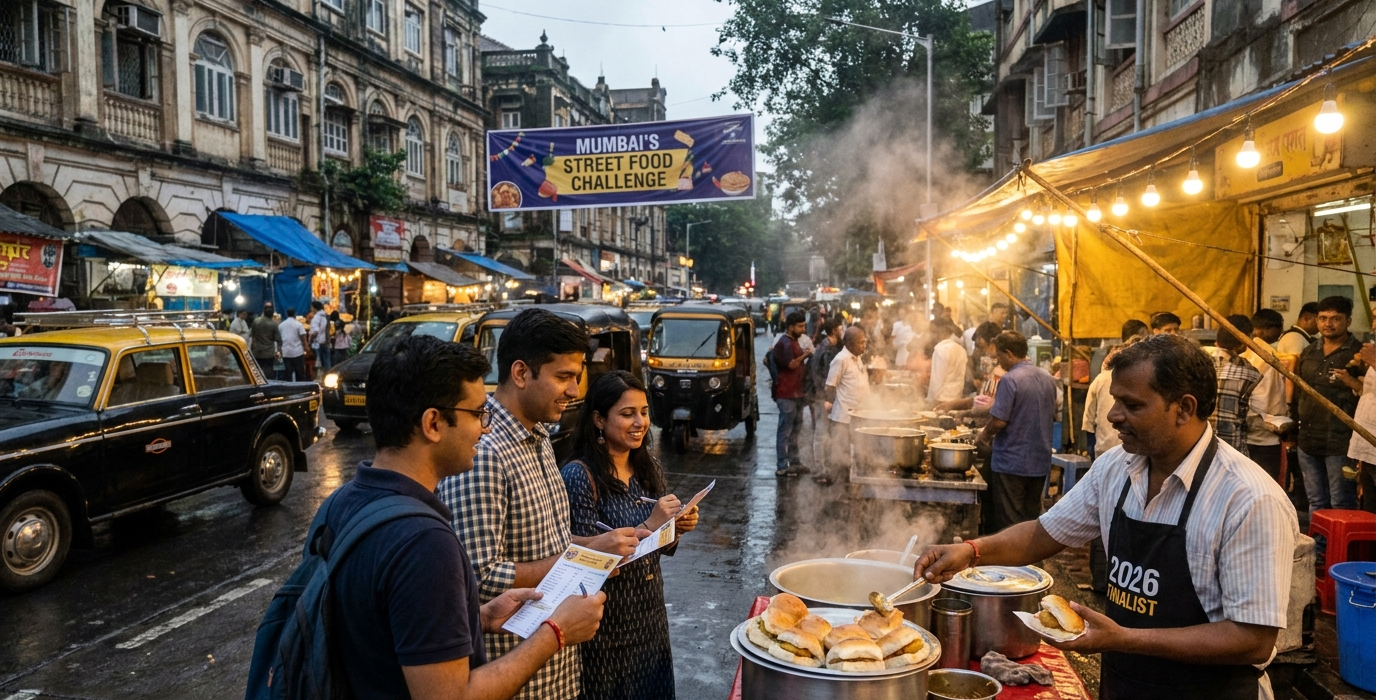
As the monsoon clouds gather over the Arabian Sea, Mumbai awakens to its quintessential craving: the humble yet magnificent vada pav. For decades, this king of street food has fueled the city’s relentless pace, offering a burst of flavour and comfort in every bite. This year, in August 2026, we embark on our annual pilgrimage, a serious undertaking to crown the city’s supreme vada pav. We’ve traversed bustling lanes from Dadar to Borivali, from Colaba to Thane, seeking out the stalls that truly embody this iconic snack. Our mission isn’t just about finding a tasty treat; it’s about understanding the soul of Mumbai, one crispy, spicy, potato-filled vada at a time.
Our criteria are stringent. We judge the vada itself: is it perfectly crisp, golden brown, and free of excess oil? The aloo masala must be flavourful, balanced in its spice and texture, neither too mushy nor too chunky. Crucially, the pav, the soft bread bun, needs to be fresh, yielding, and capable of soaking up the delicious chutneys without disintegrating. And let’s not forget the chutneys – the fiery garlic-chilli paste, the tangy tamarind, and the refreshing coriander – they are the unsung heroes, elevating the entire experience. We also consider the overall ambiance and service, because enjoying a vada pav is as much about the setting as it is about the taste.
The Sacred Trinity: Vada, Pav, and Chutney Unpacked
At the heart of the vada pav experience lies a delicate balance, a culinary trinity that, when perfected, is nothing short of magical. The vada, a spiced potato fritter, is the star performer. Its outer coating, typically made from gram flour (besan), must achieve a delicate crispness that crackles with each bite. This isn’t achieved by deep-frying at too low a temperature, which leads to an oily, soggy mess. Instead, a perfectly fried vada boasts a light, airy crunch, encasing a fluffy, well-seasoned potato filling. The masala within the potato is where much of the magic happens; a harmonious blend of mustard seeds, curry leaves, turmeric, ginger, garlic, and green chillies, often with a hint of asafoetida (hing) for that earthy depth. The consistency is key – it should be soft enough to mash slightly with the pav, but retain enough structure to not become a paste.
Then there’s the pav. Often overlooked, the pav is the vehicle for this flavour explosion. A good Mumbai pav is soft, slightly sweet, and fresh. It’s usually buttered or lightly toasted on the tawa before the vada is placed inside. This toasting adds a subtle warmth and aroma, and prevents the pav from becoming too soggy too quickly. The best pavs have a pillowy texture that complements the crisp vada, creating a delightful contrast in your mouth. Finally, the chutneys. These are the soul-stirring accompaniments. The dry garlic-chilli powder chutney, often a deep red, is intensely flavourful, providing a spicy kick and a garlicky punch. The green coriander-mint chutney offers a cooling, herbaceous contrast, while the sweet tamarind chutney adds a tangy, sweet counterpoint. The art lies in the proportion and the freshness of these chutneys, ensuring they enhance, rather than overpower, the vada pav.
Dadar’s Dominance: The Old Guard Holds Strong
Dadar, often hailed as the cultural heart of Mumbai, is a battlefield for vada pav supremacy. For generations, certain stalls here have been serving up their iconic versions, drawing crowds day in and day out. Among these titans, Anand Vada Pav near Mithibai College has consistently been a crowd favourite. Their vada is known for its exceptionally crisp coating and a filling that strikes a perfect balance between spice and flavour. The chutneys here are generous, and the pav is always soft and fresh. It’s a no-frills experience, but one that delivers on pure, unadulterated vada pav goodness. You’ll often find students and office-goers alike queuing up, a testament to its enduring popularity. The aroma alone, a blend of fried besan and spices, is enough to draw you in from metres away.
Just a stone’s throw away, Aaram Vada Pav has also carved out a significant niche. Known for its slightly different take on the potato masala, Aaram’s vada often has a hint of ginger that gives it a distinct zing. Their chutneys are also noteworthy, particularly the dry garlic chutney, which has a subtle sweetness that complements the heat. The experience at Aaram is often described as more refined, with a slightly cleaner presentation. However, both Anand and Aaram embody the spirit of Dadar’s vada pav scene – consistent quality, robust flavours, and a deep understanding of what makes this humble snack so beloved. The competition between these established players keeps the standards incredibly high, forcing them to innovate subtly while staying true to tradition. This year, we observed a noticeable improvement in the freshness of the pav at Anand, a small but significant detail.
Beyond the Usual Suspects: Emerging Stars and Hidden Gems
While the established names in Dadar and beyond often dominate conversations, Mumbai’s street food landscape is constantly evolving. This year, we ventured into lesser-trodden paths, seeking out newer establishments and hidden gems that are quietly revolutionising the vada pav game. In the bustling lanes of Ghatkopar West, a small stall called Shree Vada Pav Centre has been gaining significant traction. Their USP? A unique spice blend in the potato filling, incorporating a whisper of cumin and coriander that adds an unexpected layer of complexity. The vada here is fried to a perfect golden hue, and the pav is consistently soft, often lightly toasted with a generous spread of butter. The owner, Mr. Patil, takes immense pride in his family’s secret masala recipe, passed down through generations.
Further north, in Borivali East, we discovered Gajanan Vada Pav, a stall that’s rapidly building a loyal following. What sets Gajanan apart is their emphasis on the quality of their ingredients. They source their potatoes from specific farms known for their starchy content, ensuring a fluffier interior. Their green chutney, too, is particularly vibrant, made with fresh mint and coriander, with a zesty kick. One surprising fact we unearthed is that Gajanan uses a blend of sunflower and groundnut oil for frying, aiming for a lighter, crisper texture that’s also perceived as slightly healthier by some patrons. This attention to detail, from sourcing to preparation, is what elevates these emerging stars. They understand that in the fiercely competitive vada pav market, it’s the small, consistent efforts that make a big difference.
The Vada Pav Price Index: Value for Money in 2026
One of the enduring appeals of vada pav is its affordability. It’s the quintessential ‘common man’s’ snack, offering a delicious and filling meal without breaking the bank. In 2026, while inflation has touched many aspects of our lives, the vada pav has largely managed to retain its value proposition. Our price index, compiled from visits to over 50 stalls across Mumbai, shows a remarkable consistency. The average price for a standard vada pav hovers around ₹15-₹20 in most areas. However, premium locations and established, higher-footfall stalls can command a slightly higher price, often in the ₹25-₹30 range, especially those offering an enhanced dining experience or slightly larger portions.
For instance, stalls in prime South Mumbai areas like Colaba or Fort might charge upwards of ₹25, while those in the suburbs like Mira Road or Nalasopara can still be found for as low as ₹12-₹15. The cost of extra chutneys or cheese additions, if offered, can add another ₹5-₹10 to the bill. It’s important to note that while price is a factor, the true value lies in the quality and taste. A ₹25 vada pav that offers superior flavour, texture, and hygiene is often a better deal than a ₹15 one that disappoints. We’ve also observed a trend where some stalls are offering combo deals, like a vada pav with a small cup of chai for ₹30-₹35, further enhancing the value for the consumer. This careful pricing strategy ensures that the vada pav remains accessible to all sections of society.
| Location | Average Price (₹) | Key Features | Overall Value Score (1-5) |
|---|---|---|---|
| Dadar | 15-25 | Established names, traditional flavours, high footfall | 4.5 |
| Bandra | 20-30 | Trendy stalls, innovative toppings, lively atmosphere | 4.0 |
| Fort/Colaba (South Mumbai) | 25-35 | Premium locations, consistent quality, slightly higher overheads | 4.2 |
| Thane | 15-25 | Local favourites, authentic taste, good value | 4.3 |
| Suburbs (e.g., Borivali, Ghatkopar) | 15-25 | Emerging stars, unique recipes, community favourites | 4.4 |
The Vada Pav Etiquette: Navigating Mumbai’s Culinary Chaos
Eating vada pav is an art form, a dance with the bustling energy of Mumbai. It’s more than just a meal; it’s an experience that requires a certain savoir-faire. First and foremost, embrace the chaos. Queues are part of the ritual, and patience is a virtue. When you reach the counter, be clear and concise with your order. Most stalls offer plain vada pav, while others might have variations like cheese vada pav or even jain versions. Don’t be afraid to ask for extra chutneys, but do so politely. The dry garlic chutney is often served on the side or sprinkled directly onto the vada. Remember, it’s potent, so a little goes a long way!
For the uninitiated, a tip: the pav is often slit open, and the vada is placed inside. You can then add your preferred chutneys. Many Mumbaikars prefer to eat it with their hands, but be prepared for a little mess – it’s part of the charm! Disposable plates are usually provided, but eating standing up is the norm. Hygiene is an important consideration. Look for stalls that appear clean, with fresh ingredients and vendors who handle food with care. While most street food vendors in Mumbai adhere to good practices, it’s always wise to trust your instincts. A surprising observation from this year’s survey is the increasing adoption of digital payment methods at even the most traditional stalls, making transactions smoother and quicker. Embrace the experience, savour the flavours, and you’ll understand why the vada pav is more than just food; it’s a Mumbai icon.
“The true measure of a vada pav isn’t just the crispness of the fritter or the softness of the bun, but the symphony of spices that awaken your senses and the sheer joy it brings to the everyday Mumbaikar.”
Frequently Asked Questions
Where can I find the best vada pav in Mumbai in 2026?
While “best” is subjective, our 2026 research highlights excellent options in Dadar (Anand Vada Pav, Aaram Vada Pav), Ghatkopar West (Shree Vada Pav Centre), and Borivali East (Gajanan Vada Pav). Exploring these areas will give you a fantastic starting point.
Are there any vegetarian or vegan vada pav options available?
Traditional vada pav is inherently vegetarian. For vegan options, you would need to confirm if the vendor uses oil and not ghee for frying and if the pav contains dairy. Many stalls are becoming more accommodating, so it’s worth asking.
How much should a vada pav cost in Mumbai in 2026?
In 2026, a standard vada pav typically ranges from ₹15 to ₹30, depending on the location and the stall’s reputation. Premium offerings like cheese vada pav may cost slightly more.
What are the essential chutneys served with vada pav?
The most common chutneys are a fiery dry garlic-chilli powder, a refreshing green coriander-mint chutney, and sometimes a sweet and tangy tamarind chutney. The combination truly elevates the vada pav.
Is it safe to eat street food like vada pav in Mumbai?
Generally, yes. Many popular vada pav stalls maintain high standards of hygiene. Look for busy stalls with fresh ingredients and vendors who practice good food handling. It’s always wise to trust your instincts.