Key Takeaways
- Mumbai’s 2026 monsoon offers a blend of classic charm and new, sustainable experiences, from rooftop farms to revitalised heritage walks.
- Beyond the iconic Marine Drive, explore lesser-known spots like the Sanjay Gandhi National Park’s monsoon trails and the historic Bandra forts for unique rainy-day adventures.
- Embrace the local culture by savouring seasonal street food, attending monsoon-themed art exhibitions, and experiencing the city’s resilient spirit firsthand.
- Plan ahead with our tips on navigating transport disruptions and finding the best monsoon accommodations, ensuring a comfortable and memorable visit.
Embracing the Emerald City: Mumbai Awakens in the 2026 Monsoon
The first rumble of thunder over the Arabian Sea isn’t just a sound; it’s an invitation. For Mumbai, the monsoon is more than a season; it’s a profound transformation, a yearly rebirth that paints the bustling metropolis in shades of emerald and grey. As we step into the heart of the 2026 monsoon, the city shakes off its dry-season dust and embraces a vibrant, verdant aura. This year, the magic feels particularly potent, with a renewed focus on sustainable tourism and rediscovering the city’s natural beauty alongside its iconic urban pulse.
We’re talking about a Mumbai that comes alive with the scent of wet earth, the symphony of falling rain, and a palpable sense of renewal. From the iconic Queen’s Necklace reflecting the stormy skies to the hidden waterfalls within the city’s green lungs, there’s an unparalleled beauty waiting to be discovered. This isn’t just about enduring the rain; it’s about immersing yourself in it, experiencing the unique rhythm that only Mumbai’s monsoon can create.
This year, we see a delightful resurgence of classic monsoon activities, amplified by a conscious effort to promote eco-friendly exploration. Think revitalised heritage walks that highlight the architecture’s resilience against the elements, and pop-up cafes offering breathtaking views of the rain-swept skyline. The city’s spirit, already known for its tenacity, shines even brighter when embraced by the monsoon’s dramatic embrace. Prepare to be captivated by a Mumbai that is both timeless and refreshingly contemporary.
Beyond Marine Drive: Unveiling the Monsoon’s Natural Canvas
While Marine Drive remains an enduring symbol of Mumbai’s monsoon romance, this year, we encourage you to venture further afield. The Sanjay Gandhi National Park (SGNP), a vast green expanse within the city limits, transforms into a breathtaking spectacle during the rains. Its numerous trails, often overlooked in drier months, become lush pathways leading to hidden waterfalls and panoramic viewpoints. The Kanheri Caves, ancient Buddhist rock-cut monuments, offer a serene, albeit damp, retreat, their rock surfaces glistening with moisture.
Imagine yourself trekking through mist-laden forests, the air thick with the scent of wild flora, the only sounds being the chirping of unseen birds and the gentle patter of rain. SGNP offers guided monsoon treks that are perfect for both seasoned hikers and curious beginners. These tours often highlight the park’s rich biodiversity, pointing out unique monsoon-dependent plant species and perhaps even spotting some of the resident wildlife. It’s a chance to connect with nature in its most dramatic, unspoiled form, right on the city’s doorstep.
Another gem waiting to be explored is the cluster of historic forts scattered along Mumbai’s coastline, particularly in Bandra and Worli. These ancient structures, like Castella de Aguada (Bandra Fort), stand as stoic sentinels against the raging sea, offering dramatic vistas of crashing waves. Walking through their weathered ramparts, with the sea spray kissing your face, is an experience steeped in history and raw natural beauty. These forts, often less crowded during the monsoon, provide a unique, atmospheric perspective on the city’s colonial past and its enduring relationship with the sea.
A Culinary Symphony: Savouring Monsoon Delights
The monsoon in India, and especially in Mumbai, is inextricably linked with food. This year, the city’s culinary scene embraces the season with gusto, offering both traditional comfort foods and innovative monsoon-inspired dishes. The quintessential monsoon snack is, of course, the bhajiya, a deep-fried fritter made from various vegetables like onions, potatoes, or spinach, best enjoyed piping hot with a cup of steaming chai. Street vendors across the city, from the bustling lanes of Dadar to the quieter corners of Bandra, set up makeshift stalls, their woks sizzling with these crispy delights.
Beyond the bhajiya, the monsoon brings forth a bounty of seasonal produce, influencing menus across restaurants and home kitchens. Think of corn on the cob, roasted over open flames and slathered with lime and spices – a simple yet deeply satisfying treat. The earthy aroma of mushrooms also proliferates, finding their way into rich gravies and flavourful curries. Many restaurants are featuring special monsoon menus, showcasing these seasonal ingredients in creative and comforting ways. We’ve seen a rise in farm-to-table initiatives, with some rooftop farms in areas like Bandra and Andheri even hosting special “monsoon harvest” dining experiences.
One surprisingly delightful aspect of Mumbai’s monsoon cuisine this year is the resurgence of pakora varieties beyond the usual. We’ve encountered delicious variations like *patra ni machhi* pakoras (fish pakoras with taro leaves) and even inventive sweet corn pakoras, demonstrating a culinary evolution. And no monsoon food exploration is complete without a perfectly brewed cup of masala chai. Numerous chai stalls, some now enhanced with temporary outdoor seating covered with tarpaulins, offer this spiced tea, a perfect antidote to the damp chill. It’s a sensory experience that grounds you in the moment, connecting you to the city’s vibrant pulse.
Navigating the Showers: Smart Travel and Staying Connected
Mumbai’s monsoon is legendary for its ability to disrupt daily life, and for visitors, this can be a cause for concern. However, with a little foresight, you can navigate the showers with ease and even find a certain charm in the city’s adjusted pace. Local trains, the city’s lifeline, continue to operate, though occasional delays are to be expected. The BEST buses, while also subject to weather-related delays, remain a reliable option for many routes. It’s wise to download offline maps and keep your mobile devices fully charged, as connectivity can sometimes be affected.
When it comes to getting around, ride-sharing apps like Uber and Ola are invaluable. While surge pricing can be a factor during heavy rain, they offer convenience and a degree of predictability. Consider investing in a good waterproof umbrella and a sturdy pair of water-resistant footwear. Pack light, quick-drying clothing, and perhaps a lightweight rain jacket. Many hotels and guesthouses are now offering monsoon packages, often including airport transfers and guided tours, which can simplify your planning immensely.
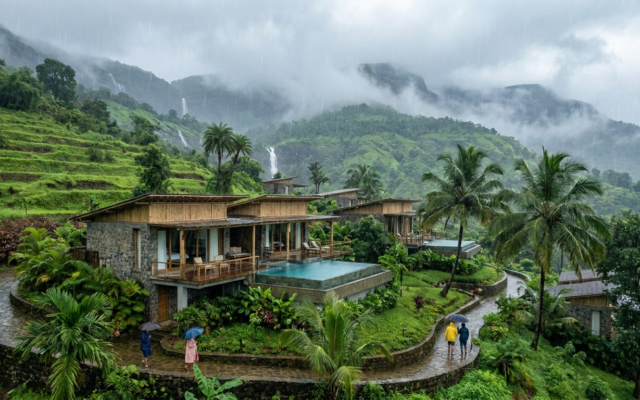
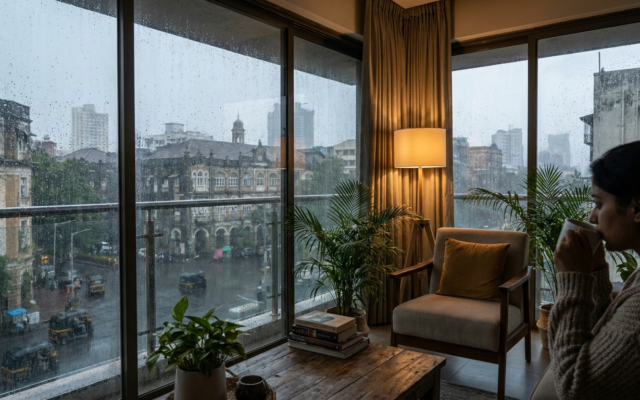
Accommodation choices during the monsoon can also enhance your experience. Consider a hotel with good views of the rain – a room overlooking the sea or a lush green park can be incredibly therapeutic. Some boutique hotels in areas like Colaba or Bandra have started offering “rainy day” amenities, such as board games, in-house movie screenings, and special hot beverage services. We’ve also seen a trend towards eco-lodges and homestays on the outskirts of the city, offering a tranquil escape from the urban bustle, where you can wake up to the sound of rain in a more natural setting.
Cultural Currents: Art, Music, and Resilience in the Rain
Mumbai’s monsoon season isn’t just about the elements; it’s also a time when the city’s cultural landscape flourishes, often drawing inspiration from the very weather that defines it. Art galleries and museums often host monsoon-themed exhibitions, showcasing works that capture the mood, colours, and spirit of the rainy season. These exhibitions can range from abstract interpretations of rain to realistic depictions of life in Mumbai during the downpour. Keep an eye on listings for venues like the Jehangir Art Gallery or the National Gallery of Modern Art (NGMA) for special shows.
The performing arts scene also sees a surge of activity. Live music venues, from intimate cafes in Bandra to larger auditoriums, often feature musicians performing soulful melodies that complement the melancholic beauty of the rain. Expect to hear a lot of classical Indian music, ghazals, and jazz – genres that lend themselves well to introspective listening. Some organisations also host “monsoon poetry slams” or storytelling sessions, where artists share their creative interpretations of the season’s impact on life and emotions. It’s a wonderful way to experience the city’s artistic soul.
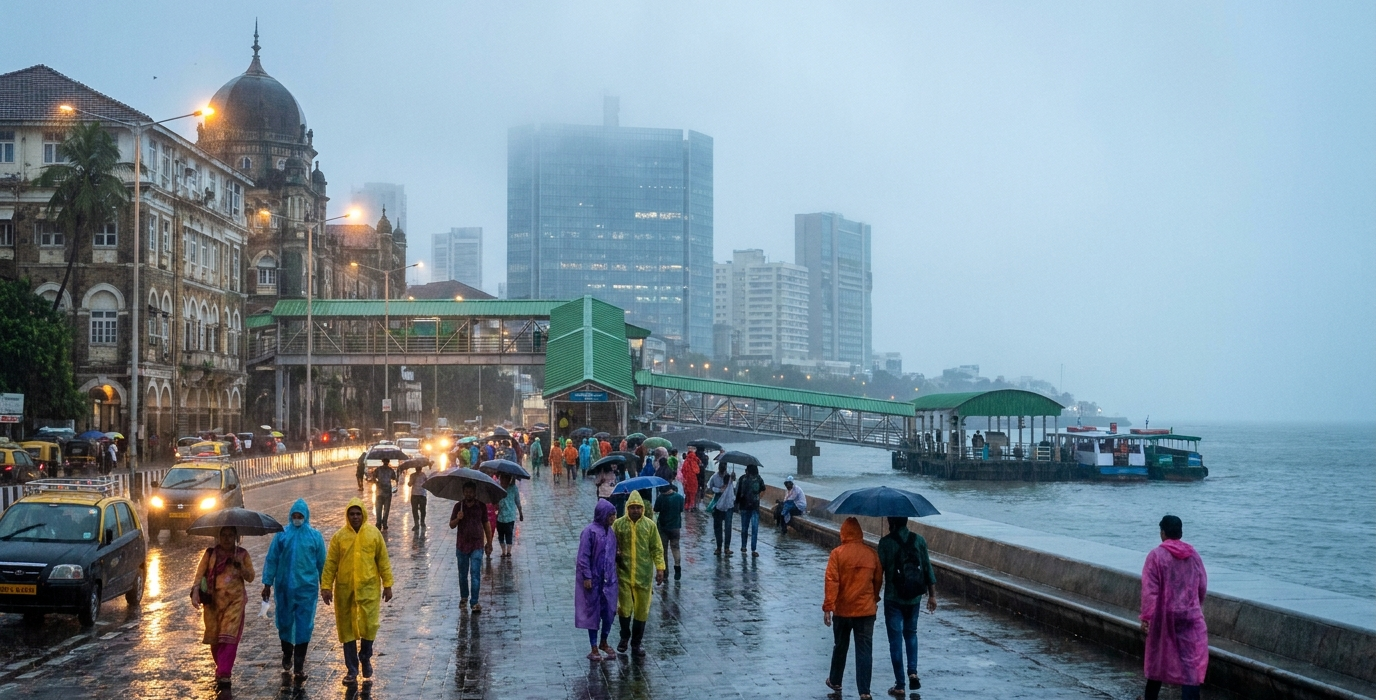
Beyond organised events, there’s an inherent cultural experience in simply observing Mumbai’s resilience during the monsoon. The way Mumbaikars adapt, the camaraderie that emerges during train delays, and the sheer joy found in simple pleasures like sharing an umbrella – these are all integral parts of the city’s monsoon spirit. We’ve noticed a particularly strong sense of community this year, with local neighbourhood groups organising clean-up drives after heavy showers and sharing resources. This collective spirit, thriving amidst the challenges, is perhaps the most inspiring aspect of Mumbai’s monsoon narrative.
The Future is Green: Sustainable Monsoon Experiences in 2026
As the world increasingly focuses on sustainability, Mumbai’s monsoon experiences are evolving to reflect this global consciousness. This year, there’s a significant push towards eco-tourism and responsible travel, encouraging visitors to engage with the city in a way that minimises their environmental impact. This includes supporting local businesses that employ sustainable practices and participating in activities that promote conservation.
One of the most exciting developments we’ve seen is the growth of urban farming initiatives. Several rooftop farms in areas like Andheri and Bandra are not only growing organic produce but also offering workshops and tours. Imagine learning about hydroponics or composting while enjoying a freshly prepared meal using ingredients harvested just moments before. These farms are a testament to Mumbai’s innovative spirit, transforming urban spaces into green havens and offering a unique, sustainable perspective on the monsoon bounty. This is a surprising fact: some of these urban farms are now experimenting with cultivating specific monsoon-loving vegetables and herbs that are rarely seen in mainstream markets, bringing back forgotten local varieties.
Another area of growth is responsible heritage tourism. Instead of just viewing historical sites, there’s a focus on understanding their ecological context and the sustainable building practices of the past. Guided heritage walks are now incorporating discussions on how these old structures have withstood centuries of monsoons, offering lessons for modern urban planning. We’re also seeing an increased emphasis on plastic-free initiatives in tourist areas, with many cafes and vendors actively promoting reusable alternatives. This commitment to a greener future makes exploring Mumbai’s monsoon in 2026 a truly rewarding and conscious choice for travellers.
Frequently Asked Questions
What is the best time to visit Mumbai during the monsoon?
While the monsoon officially runs from June to September, the best time for a balanced experience is typically late July to mid-September. This period often sees slightly less intense rainfall, allowing for more exploration, while still capturing the full lushness and dramatic atmosphere of the season. Early June can still be quite heavy.
How can I prepare for Mumbai’s monsoon weather?
Pack lightweight, quick-drying clothes, a good waterproof jacket, a sturdy umbrella, and water-resistant footwear. Consider bringing a waterproof bag or cover for your electronics. It’s also advisable to carry basic medications and insect repellent. Staying informed about weather updates via local news or apps is crucial.
Are there any special cultural events happening during the 2026 monsoon?
Yes, you can expect numerous art exhibitions, live music performances, and literary events themed around the monsoon. Keep an eye on local event listings for galleries like the Jehangir Art Gallery, NCPA, and various cultural centres. Many cafes and smaller venues also host impromptu performances and poetry readings.
What are some less-crowded monsoon destinations in and around Mumbai?
Explore the monsoon trails within the Sanjay Gandhi National Park, visit the historic Karnala Bird Sanctuary, or take a drive to the less commercialised forts like Manori Fort. For a quieter escape, consider the beaches of Alibaug on a weekday, though be mindful of safety. The serene atmosphere of the Elephanta Caves can also be quite profound in the monsoon.
Is it safe to travel by local train during heavy Mumbai monsoons?
Local trains are the backbone of Mumbai and generally continue to run even during heavy rains. However, delays are common, and some routes might experience temporary disruptions due to waterlogging. It’s always best to check real-time updates and allow ample extra travel time. The resilience of Mumbaikars on these trains during the monsoon is a spectacle in itself.