Key Takeaways
- Mumbai’s monsoon season (June-September) brings unique travel challenges, but with smart planning, you can navigate it efficiently in 2026.
- Public transport, particularly the local trains and the expanding Metro network, remains your most reliable option, though expect delays.
- Embrace technology: apps for real-time train schedules, traffic updates, and ride-sharing are indispensable tools.
- Pack strategically with waterproof gear, quick-drying clothes, and comfortable, non-slip footwear to stay comfortable and safe.
- Understand common monsoon issues like waterlogging and power outages, and have backup plans ready.
The Mumbai Monsoon: A Familiar, Yet Evolving, Challenge
The arrival of the monsoon in Mumbai is a spectacle that electrifies the city, transforming its dusty streets into glistening boulevards and bringing much-needed relief from the sweltering heat. For residents and visitors alike, however, this annual deluge presents a significant, albeit familiar, travel challenge. As we navigate the 2026 monsoon season, understanding the city’s pulse during these months is crucial for a smoother experience. The torrential rains, while life-giving, can disrupt commutes, impact infrastructure, and test the patience of even the most seasoned Mumbaikar.
This guide is designed to equip you with the knowledge and strategies needed to traverse Mumbai between June and September. We’ll delve into the most effective modes of transport, highlight essential preparedness tips, and point you towards the digital tools that can make your journey less taxing. While the city has made strides in monsoon preparedness, the sheer volume of rainfall often pushes its limits. Our aim is to ensure you’re not just surviving the Mumbai monsoon, but navigating it with confidence and relative ease, transforming potential chaos into manageable movement.
Navigating the Lifelines: Trains and the Expanding Metro
When the monsoon clouds gather over Mumbai, the city’s lifeline often becomes its robust, albeit sometimes strained, suburban railway network. The iconic local trains are the backbone of Mumbai’s commute, carrying millions daily. Despite their efficiency, it’s essential to acknowledge that during heavy downpours, services can experience delays. Staying updated on train timings via apps like m-Indicator or the official Indian Railways app is not just recommended; it’s a necessity for any serious traveler.
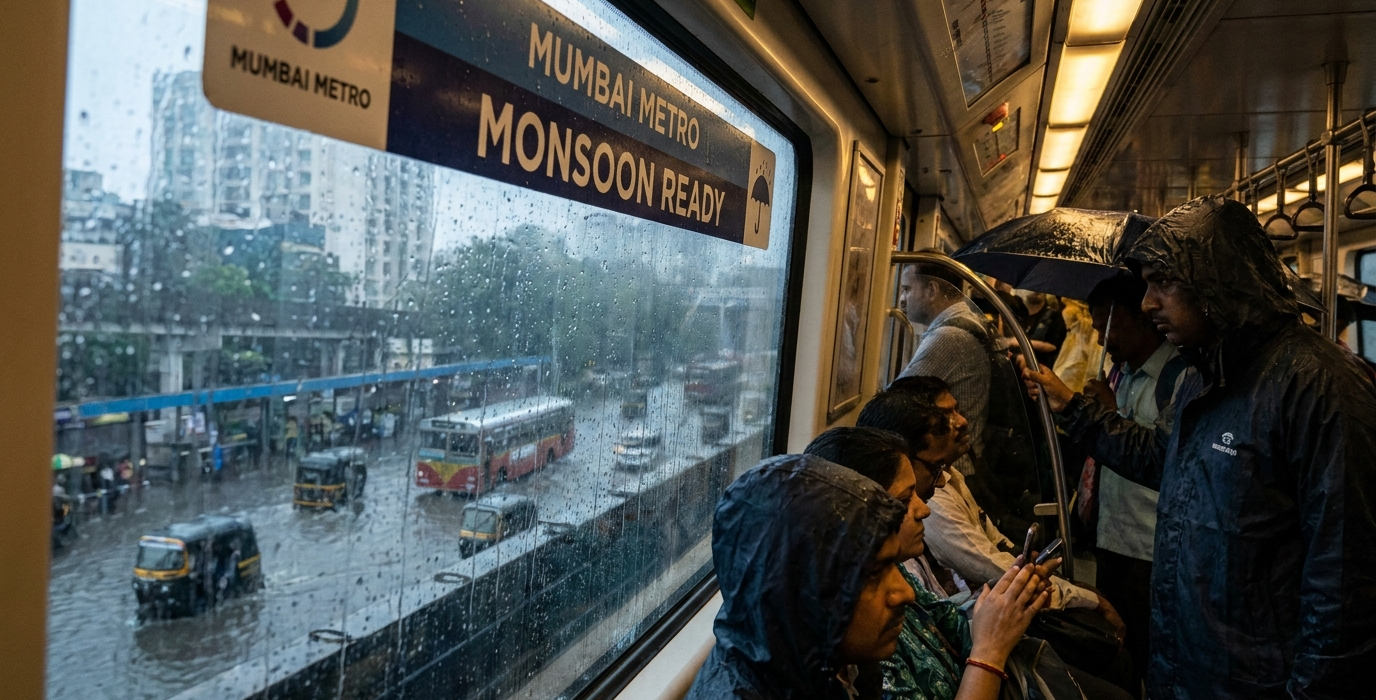
This year, the Mumbai Metro continues to be a game-changer, offering a modern, elevated alternative that is largely immune to ground-level waterlogging. With more lines becoming operational in 2026, particularly connecting key business districts and residential hubs, the Metro is increasingly becoming the preferred choice for many. Its air-conditioned compartments offer a welcome respite from the humidity, and its punctuality is generally higher than other modes during heavy rains. However, remember that Metro stations themselves can experience high footfall, so factor in time for entry and exit.
Train Travel Tips for the Rainy Season
Always have a backup plan. If your usual train line is severely delayed, know the alternative routes or consider a different mode of transport. Keep your mobile phone fully charged, and carry a power bank. Essential travel documents and cash should be kept in waterproof pouches.
Consider travelling during off-peak hours if your schedule allows. This can significantly reduce crowds and make your journey more comfortable, even with potential delays. The experience on a packed, wet local train can be challenging, so avoiding the peak rush is a strategic move.
Embrace Digital Dexterity: Your Apps and Online Allies
In the 2026 monsoon, your smartphone is as crucial as your umbrella. The digital landscape offers a plethora of tools that can significantly ease your commute. Beyond the aforementioned train apps, services like Google Maps and Waze provide real-time traffic updates, crucial for navigating Mumbai’s notoriously congested roads, which can become even more unpredictable during the rains. These platforms often highlight flooded areas or major traffic snarls, allowing you to reroute proactively.
Ride-sharing apps like Uber and Ola are indispensable, especially when the local trains are overwhelmed or you need to travel to areas not well-connected by rail. During heavy rain, surge pricing can be a concern, but the convenience and safety they offer, particularly at night or in flooded conditions, often outweigh the cost. It’s wise to book your ride a little in advance, as demand can skyrocket when the heavens open.
Beyond Commuting: Weather and Emergency Alerts
Don’t forget apps that provide hyper-local weather forecasts and official civic alerts. The Brihanmumbai Municipal Corporation (BMC) often issues advisories regarding waterlogging or potential power outages. Staying informed through these channels can help you prepare for disruptions and avoid risky situations. Some apps even allow you to report waterlogging or civic issues directly, contributing to the city’s collective problem-solving efforts.
A surprising fact about Mumbai’s monsoon preparedness in 2026 is the increasing reliance on AI-powered traffic management systems. These systems analyze real-time data from sensors and cameras to predict and mitigate traffic congestion, especially during heavy rainfall. While not always visible to the commuter, these behind-the-scenes technologies play a vital role in trying to keep the city moving.
The Art of Packing: Staying Dry and Comfortable
Mastering the art of packing for Mumbai’s monsoon is key to a pleasant experience. The foundation of your monsoon wardrobe should be quick-drying fabrics. Think synthetic blends, nylon, or even treated cotton. Heavy denim or thick cottons will cling uncomfortably and take ages to dry, making you feel perpetually damp and chilled, even in Mumbai’s humid climate.
Footwear is paramount. Forget your canvas sneakers or leather shoes. Opt for waterproof sandals, floaters, or sturdy flip-flops made of rubber or EVA. Many Mumbaikars swear by their Crocs or similar EVA clogs for their practicality. If you must wear closed shoes, ensure they are waterproof or easily washable and quick-drying. Carrying a spare pair of socks can be a lifesaver. A lightweight, breathable waterproof jacket or a poncho is non-negotiable. Look for one with a hood that offers good coverage and is easy to pack away when not in use.
Essential Monsoon Accessories
A good quality, compact umbrella that can withstand moderate winds is a must. Ensure it’s easy to carry and doesn’t take up too much space in your bag. A waterproof or water-resistant bag is also essential to protect your electronics, documents, and valuables. Many travel backpacks now come with integrated rain covers, or you can purchase separate ones.
Carrying a small microfiber towel can be incredibly useful for drying off yourself or your belongings. For those commuting via public transport, a plastic or waterproof pouch for your mobile phone is vital. Remember, staying dry not only keeps you comfortable but also helps prevent common monsoon ailments.
Understanding and Mitigating Monsoon Woes
Mumbai’s monsoon, while beautiful, is synonymous with certain predictable challenges. Waterlogging is perhaps the most common and disruptive issue. Key arterial roads and low-lying areas can become impassable for vehicles, leading to significant delays and diversions. Be aware of these known ‘problem spots’ in areas like Dadar, Sion, or certain parts of Bandra. Official BMC channels and news reports will highlight these during heavy rainfall.
Another significant concern is power outages. Heavy rain and strong winds can damage electrical infrastructure, leading to temporary power cuts. If you work from home or rely on electricity for essential tasks, having a backup power source like a UPS or a fully charged power bank for your devices is highly recommended. Staying informed about potential outages in your locality through local news or utility provider apps can help you prepare.
Safety First: Navigating the Dangers
Avoid venturing into flooded areas, especially if the water depth is unclear. Electrical wires can fall during storms, posing a serious electrocution risk. Be cautious on the roads; visibility is often poor, and potholes can be hidden beneath the water. Always check the condition of bridges and underpasses before attempting to cross, as they can be structurally compromised by heavy rains.
A surprising fact about Mumbai’s resilience during the monsoon is the role of community spirit. During severe waterlogging or power outages, residents often come together to help stranded individuals, share resources, and ensure the safety of their neighbours. This inherent ‘Mumbai spirit’ is a powerful, often underestimated, factor in navigating the toughest monsoon days.
Beyond the City: Monsoon Escapes and Day Trips
While navigating Mumbai itself requires planning, the monsoon season also opens up opportunities for beautiful escapes to the surrounding regions. The Western Ghats, easily accessible from Mumbai, transform into lush green paradises during the rains. Places like Lonavala, Khandala, Igatpuri, and Malshej Ghat become breathtakingly beautiful with cascading waterfalls, mist-covered hills, and vibrant flora. These are ideal for weekend getaways to reconnect with nature.
However, traveling to these areas requires extra caution. Roads can be slippery and prone to landslides in some hilly regions. Always check road conditions and weather advisories before embarking on such trips. Opting for a sturdy SUV or a vehicle with good ground clearance is advisable. Consider booking accommodations in advance, as popular monsoon destinations tend to fill up quickly.
Planning Your Monsoon Getaway
When planning a day trip or a weekend escape, prioritize safety and accessibility. Many resorts and homestays in the Ghats offer packages that include guided nature walks or visits to scenic spots. Always carry adequate cash, as ATMs might be scarce or out of order in remote areas. Pack warm clothing as the temperatures can drop significantly, especially in the hills, and don’t forget your rain gear.
One of the most delightful, yet often overlooked, monsoon experiences near Mumbai is visiting the Koyna Dam region. The sheer volume of water released from the dam during peak monsoon is a sight to behold. Numerous small trekking trails around the area also become incredibly scenic, though they require experienced guides and appropriate trekking gear. Remember to respect the environment and avoid littering.
Frequently Asked Questions
What are the best apps for navigating Mumbai during the monsoon?
For train information, m-Indicator and the Indian Rail app are indispensable. For traffic and navigation, Google Maps and Waze provide real-time updates. Ride-sharing apps like Uber and Ola are crucial for alternative transport. Also, follow the BMC’s official social media channels for civic alerts.
What kind of footwear is most suitable for Mumbai’s monsoon?
The best options are waterproof sandals, EVA clogs (like Crocs), rubber flip-flops, or sturdy floaters. Avoid leather shoes, canvas sneakers, or anything that absorbs water. Comfort and quick-drying capabilities are key to navigating waterlogged streets.
How can I protect my electronics during the monsoon?
Invest in a waterproof or water-resistant bag or backpack. For smaller items like phones and wallets, use waterproof pouches. Carry a fully charged power bank as power outages can occur. Ensure your phone is protected with a good waterproof case or a zip-lock bag when not in use.
What should I do if my vehicle gets stuck in a waterlogged area?
If your vehicle is submerged in water, do not attempt to start the engine. Water can enter the engine and cause severe damage. It’s safer to turn off the ignition immediately and seek help to push the vehicle to drier ground if possible. If it’s a severe situation, contact emergency services or a towing service.
Are there any specific precautions for using public transport during the monsoon?
Always allow extra travel time as delays are common. Keep your belongings secure and close to you to prevent them from getting wet or stolen. Be mindful of slippery floors and grab handles inside trains and buses. If you encounter any safety concerns or notice critical issues like severe waterlogging on tracks, report it to the authorities.