Key Takeaways
- Discover quick, nutritious vegetarian lunch recipes designed for busy weekdays in 2026.
- Learn to leverage pre-prepped ingredients and smart shortcuts to save time without compromising on taste or health.
- Explore diverse regional Indian flavours, from hearty dals to vibrant salads, easily adaptable for your lunchbox.
- Find tips on packing and storage to ensure your meals are fresh and appealing even hours later.
The Weekday Lunch Dilemma: Solved
The alarm rings, and the day’s commitments flood your mind. Amidst the whirlwind of work, errands, and family duties, the thought of preparing a wholesome lunch can feel overwhelming, especially if you’re committed to a vegetarian diet. For many of us in India and across the globe, the weekday lunch often becomes an afterthought, leading to unhealthy convenience choices or skipping meals altogether. This year, in 2026, we’re reclaiming our lunch breaks with recipes that are as quick to assemble as they are delicious and nourishing. Forget sad desk lunches; we’re talking about vibrant, satisfying meals that fuel your afternoon and bring a smile to your face.
This guide is crafted with you, the busy professional, the multitasking parent, or the student juggling classes, in mind. We understand that time is your most precious commodity. That’s why these recipes focus on minimal prep, smart ingredient usage, and maximum flavour. You’ll find inspiration that draws from the rich tapestry of Indian vegetarian cuisine, adapted for the modern, fast-paced lifestyle. We’re talking about dishes that can be prepped ahead, assembled in minutes, or cooked with minimal fuss.
Our aim is to empower you to create lunches that are not only visually appealing but also packed with essential nutrients. We’ll explore how to make the most of seasonal produce and how simple techniques can elevate everyday ingredients. Get ready to transform your midday meal from a chore into a highlight of your day.
Smart Prep: Your Secret Weapon for Speedy Lunches
The key to unlocking truly fast weekday lunches isn’t magic; it’s smart preparation. This involves a little bit of foresight over the weekend or the evening before, transforming potential mealtime stress into effortless assembly. Think of it as investing a small amount of time upfront to reap significant rewards throughout the week. This approach is particularly effective for vegetarian cooking, where many staples can be prepped in batches.
One of the most impactful strategies is batch cooking grains and legumes. On a Sunday afternoon, cook a large pot of brown rice, quinoa, or even a simple dal like moong or masoor. Once cooled, portion them into airtight containers and refrigerate. These form the perfect base for a variety of bowls and wraps. Similarly, you can roast a tray of mixed vegetables like carrots, bell peppers, cauliflower, and broccoli. Tossed with a little oil, turmeric, and cumin, they become a flavourful, ready-to-eat addition to salads or a side for your grain.
Another game-changer is pre-chopping aromatics. Onions, garlic, and ginger can be finely chopped and stored in separate small containers in the refrigerator for up to three days. This eliminates the need to chop them every single day, saving precious minutes during your morning rush. You can also create your own spice blends or marinades in advance. For instance, a simple curd-based marinade for paneer or tofu can be made and stored, ready to be used when you need it.
Don’t underestimate the power of canned or pre-cooked ingredients. Lentils and chickpeas in cans are excellent time-savers. Just remember to rinse them thoroughly before use. Similarly, frozen peas and corn are nutritious and can be added directly to your dishes. These small acts of preparation, when done consistently, make a world of difference. They ensure that when hunger strikes at lunchtime, you have delicious, healthy options at your fingertips, without the need for extensive cooking.
The Speedy South Indian Sabzi & Rice Bowl
Imagine a vibrant bowl packed with flavour, ready in under 15 minutes. This is our Speedy South Indian Sabzi & Rice Bowl, a testament to how quick vegetarian meals can be both exciting and satisfying. It’s a perfect example of leveraging pre-prepped components for a truly fast lunch. We’ll focus on a simple, flavourful vegetable stir-fry that pairs beautifully with pre-cooked rice.
Start with your pre-cooked rice, either plain or perhaps flavoured with a quick tempering of mustard seeds and curry leaves. For the sabzi, choose quick-cooking vegetables. Think thinly sliced carrots, bell peppers, beans, and perhaps some crumbled paneer or firm tofu. Heat a tablespoon of coconut oil in a pan. Add a teaspoon of mustard seeds and a sprig of curry leaves. Once the seeds splutter, add your chopped onions and sauté until translucent.
Next, add your chosen vegetables. You want them to be tender-crisp, not mushy. Stir-fry for about 5-7 minutes. Now, for the flavour boost: add a teaspoon of sambar powder or a blend of turmeric, coriander, and cumin powder. If you like a hint of spice, add a pinch of red chilli powder. Stir well to coat the vegetables. Finally, add your crumbled paneer or tofu and a splash of water to prevent sticking. Cook for another 2-3 minutes until the paneer is lightly warmed through.
To serve, spoon the warm rice into your lunchbox. Top generously with the colourful sabzi. For an extra layer of flavour and texture, you can add a sprinkle of fresh cilantro, a squeeze of lemon juice, or a dollop of coconut chutney if you have it handy. This bowl is not only visually appealing but also offers a good balance of carbohydrates, protein, and fibre. It’s a taste of South India that’s perfectly suited for your 2026 weekday lunch.
North Indian Dhaba-Style Dal & Roti Wraps
Transport yourself to a roadside dhaba with these incredibly satisfying North Indian Dal and Roti Wraps. This recipe takes the comforting flavours of a hearty dal and transforms it into a portable, quick lunch. It’s a brilliant way to make leftovers shine or to prepare a filling meal with minimal effort. The star here is a well-made dal, which can be prepared in advance and stored.
For the dal, a simple yellow moong dal or a mixed dal preparation works best. Cook it with turmeric, salt, and a bit of ginger until soft. The magic happens with the tempering, or *tadka*. Heat ghee or oil in a small pan. Add cumin seeds, mustard seeds, and a pinch of asafoetida (hing). Sauté until fragrant. Then, add finely chopped garlic, green chilies, and dried red chilies. Be careful not to burn the garlic. Finally, add a teaspoon of Kashmiri red chili powder for colour and a quick stir before pouring this flavourful tadka over your cooked dal. This can be done fresh or the tadka can be made ahead and stored.
For the wraps, use whole wheat rotis or parathas. If you have leftover rotis from dinner, even better! Simply warm them up. You can also use store-bought whole wheat tortillas or chapati. Spread a generous layer of your flavourful dal onto the roti. Add some finely chopped onions, tomatoes, and a sprinkle of chaat masala for that quintessential street food zing. If you have some fresh mint or cilantro chutney, a thin spread will elevate the wrap further.
Roll up the roti tightly, perhaps securing it with a toothpick. These wraps are incredibly satisfying and provide a good source of protein and complex carbohydrates. They hold their shape well, making them ideal for packing in your lunchbox. The combination of the earthy dal, the soft roti, and the tangy spices is a classic for a reason. It’s a taste of North India that’s both authentic and incredibly convenient for your busy schedule in 2026.
The Power of the Indian ‘Thali’ in a Tiffin Box
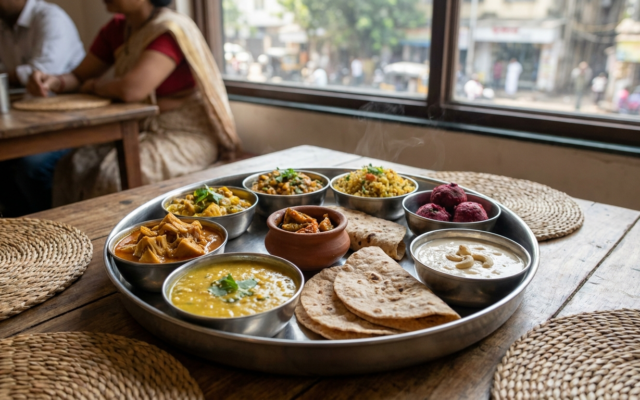
The traditional Indian *thali* – a platter of small dishes – is a balanced meal concept that offers variety and nutrition. We can adapt this beautiful idea into a practical, portable *tiffin* box for our weekday lunches. This approach ensures you get a mix of flavours, textures, and nutrients, all within a compact container. It’s about deconstructing the thali into its essential components, making it manageable for a single meal.
Let’s break down the components. Firstly, a grain: this could be your pre-cooked rice, a small portion of quinoa, or even a couple of mini rotis. Next, a lentil or legume: a small container of leftover dal, a spoonful of chana masala, or even a simple curd-based raita. Then, a vegetable dish: this is where your pre-prepped sabzi comes in, or perhaps some quick-sauteed greens like spinach or fenugreek.
Don’t forget the accompaniments. A small portion of yogurt or curd is excellent for digestion and adds creaminess. Pickles (achaar) or chutneys, even store-bought ones, add a punch of flavour. If you have some fresh salad ingredients like cucumber or grated carrot, add them for crunch and freshness. The beauty of the tiffin box is that you can mix and match based on what you have available.
For instance, a typical tiffin could contain: a small portion of jeera rice, a spoonful of mixed vegetable curry (using your pre-prepped roasted veggies), a small container of plain yogurt, and a tiny pickle. Another day, it might be a mini roti, some leftover paneer bhurji, and a simple cucumber raita. This method encourages you to consume a wider variety of foods throughout the week, ensuring you’re getting a broad spectrum of vitamins and minerals. It’s a mindful way to eat, celebrating the diversity of Indian cuisine in every bite.
Surprising Staples: Beyond Dal & Rice
While dal and rice are undeniably the bedrock of many Indian meals, we can explore some surprising, yet incredibly practical, vegetarian staples that offer fantastic versatility and speed for your 2026 lunches. These are ingredients that might not be on your immediate radar but can become lunchtime heroes. They often require minimal cooking or can be used in raw or semi-cooked forms.
Consider sprouted legumes. While sprouting can take a few days, the process is hands-off. Once sprouted, moong, moth beans, or even chickpeas are incredibly nutritious and can be eaten raw in salads or lightly steamed. A *sprouted moong chaat* – mixed with chopped onions, tomatoes, cilantro, lemon juice, and chaat masala – is a complete, protein-rich meal that requires zero cooking time if the sprouts are ready.
Another underutilized gem is poha (flattened rice). It cooks in minutes. A simple *kanda pohe* (onion poha) with peanuts and curry leaves takes less than 10 minutes to prepare. It’s light yet filling, and its mild flavour makes it a great canvas for additions like peas or grated carrots. You can even prepare it the night before and eat it cold or gently reheat it.
Finally, let’s talk about paneer and tofu in creative ways. Beyond the usual curries, consider pan-searing cubes of paneer or tofu with a sprinkle of Indian spices until golden brown. These can be added to salads, wraps, or simply eaten as a protein boost alongside your grain. A surprisingly quick and healthy option is a *paneer bhurji wrap*, where crumbled paneer is quickly sautéed with onions, tomatoes, and spices, then rolled into a roti. These alternatives offer new dimensions of flavour and nutrition to your weekday lunch rotation.
“The most effective way to make healthy lunches a reality is to view preparation not as a chore, but as an act of self-care. A few minutes spent wisely on a Sunday can fuel your entire week.”
Packing and Preservation: Keeping it Fresh and Appealing
Ensuring your delicious, quick-prepared lunch remains fresh, safe, and appetizing throughout the day is crucial. The right packing and storage techniques can make all the difference, transforming a potentially soggy or unappealing meal into something you genuinely look forward to. This is where investing in good quality tiffin boxes and understanding a few basic principles comes into play.
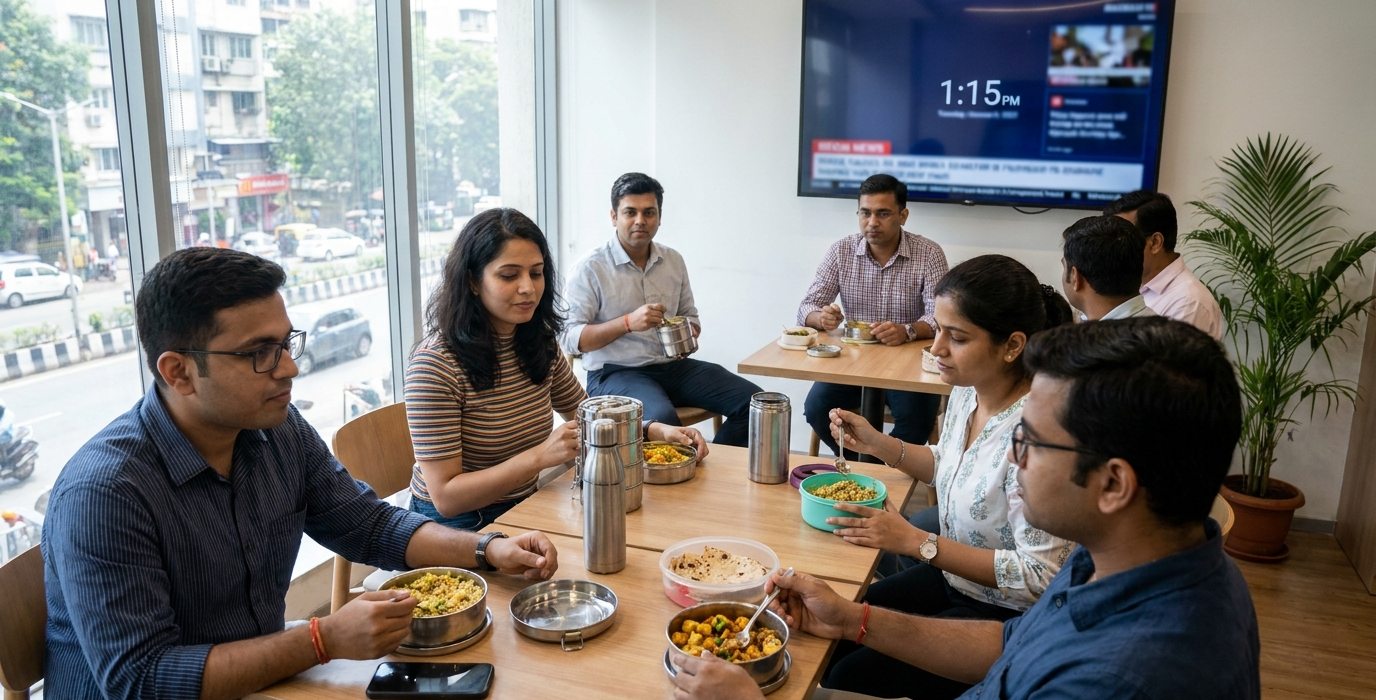
Modern tiffin boxes are a game-changer. Look for options with airtight compartments. This prevents flavours from mingling – your spicy sabzi won’t make your rice taste odd. Stainless steel tiffin boxes are durable, easy to clean, and a more sustainable choice. For liquid items like raita or dal, opt for tiffin boxes with leak-proof lids or separate small, screw-top containers. Insulated lunch bags can also help maintain the temperature of your food, keeping hot meals warm and cold meals cool for longer.
When packing, consider the moisture content. Foods that tend to release a lot of water, like chopped tomatoes or certain cooked vegetables, are best kept in separate compartments or added just before eating if possible. For salads, pack the dressing separately to prevent the greens from wilting. If you’re packing something that needs to stay crisp, like fried sev or roasted nuts for a salad topping, add them at the last minute.
Cooling and refrigeration are paramount, especially in warmer climates like India. If you don’t have access to a refrigerator at work, an insulated lunch bag with a small ice pack can be a lifesaver. For meals that are entirely cooked through and don’t contain dairy or mayonnaise-based components, they can generally sit at room temperature for a few hours. However, when in doubt, err on the side of caution and use an insulated bag. Understanding these simple packing hacks ensures that your carefully prepared vegetarian lunch is just as delightful at 1 PM as it was when you packed it.
Frequently Asked Questions
What are the quickest vegetarian lunch options for a work day?
The quickest options involve leveraging pre-prepped ingredients. Think rice or grain bowls with pre-cooked grains and stir-fried or roasted vegetables, dal wraps using leftover dal and rotis, or salads with pre-chopped vegetables and a protein source like paneer or sprouts. The key is to have staples ready.
How can I make my vegetarian lunches more interesting throughout the week?
Variety is key. Rotate your grains (rice, quinoa, millet), experiment with different legumes (chana, rajma, various dals), and use a wide array of seasonal vegetables. Incorporate different spice blends and chutneys to add new flavour profiles. Trying different regional Indian recipes, adapted for speed, also helps.
Is it safe to eat vegetarian meals prepared the night before?
Generally, yes, if stored properly. Ensure the food is cooled completely before refrigerating. Use airtight containers. Avoid keeping meals at room temperature for extended periods, especially in warm weather. Meals without dairy or mayonnaise are typically safer for longer periods. Always check for any signs of spoilage before eating.
What are some good vegetarian lunch ideas that are high in protein?
Focus on lentils, beans, chickpeas, paneer, tofu, and sprouts. Dal-based dishes, chana masala, rajma, paneer bhurji, tofu scrambles, and salads with sprouted legumes are excellent protein-rich choices. Combining grains with legumes also creates a complete protein profile.