Key Takeaways
- Explore Mumbai’s street food scene in 2026, focusing on lesser-known but exceptional vendors.
- Discover affordable, authentic flavours from Vada Pav to regional specialties like Misal Pav.
- Learn where to find hygienic yet traditional food experiences, with tips for navigating bustling markets.
- Uncover unique culinary traditions and the stories behind Mumbai’s iconic street dishes.
Beyond the Famous Bhel Puri: Unearthing Mumbai’s Authentic Street Flavours in 2026
Mumbai’s street food is legendary, a symphony of spices, textures, and aromas that tantalizes taste buds. But beyond the well-trodden paths of Chowpatty and Juhu, a universe of culinary treasures awaits. In 2026, we’re diving deeper, seeking out the authentic flavours that define this bustling metropolis, often found in unassuming corners and served by vendors who have perfected their craft over generations.
This isn’t just about finding a quick bite; it’s about experiencing the soul of Mumbai through its food. We’ll guide you to spots where the Vada Pav is perfectly crisp, the Pav Bhaji is rich and flavourful, and where you can discover regional delights you might never have encountered. Get ready to embark on a gastronomic adventure that will redefine your understanding of Mumbai’s vibrant street food culture.
Navigating the Heart of South Mumbai: Fort’s Culinary Secrets
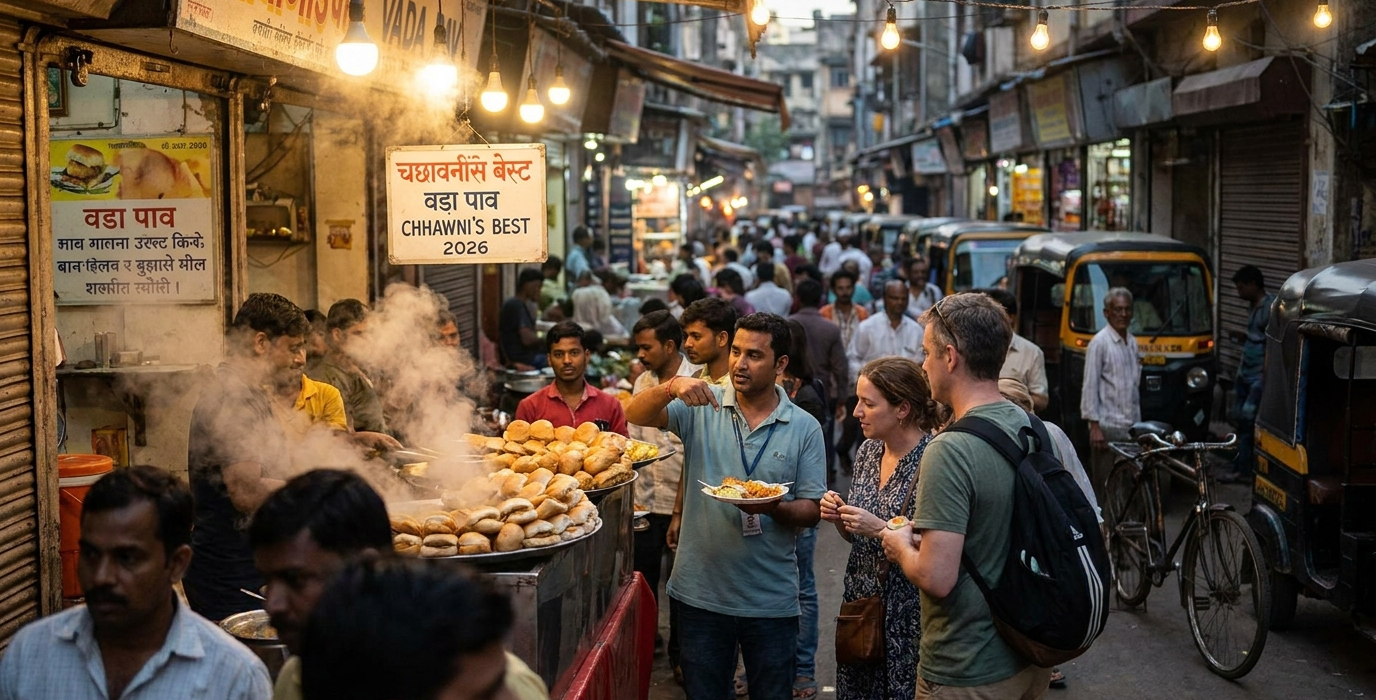
The historic Fort area, a hub of colonial architecture and bustling business, hides some of Mumbai’s most enduring street food traditions. While office workers flock to established stalls, we’re looking for the vendors who have quietly served for decades, their recipes passed down through families. Here, you can find a Vada Pav that’s a masterclass in simplicity and flavour, its potato filling spiced to perfection and fried to a golden crunch.
Don’t overlook the humble but delicious Misal Pav. This spicy Maharashtrian curry, made with sprouted moth beans and topped with sev, onions, and coriander, is a revelation. In Fort, look for the stall near the Asiatic Society Library, a veteran whose Misal is consistently rated among the city’s best for its balanced heat and robust flavour profile. Another must-try is the soft and pillowy Idli Sambar, often found near the Kala Ghoda art precinct, providing a comforting South Indian respite amidst the urban chaos.
The Timeless Charm of Tardeo’s Pav Bhaji
Tardeo, especially around thepadya road, is a culinary pilgrimage site for Pav Bhaji lovers. While several famous names exist, venture a little further to find smaller, equally vibrant stalls that offer a deeply satisfying experience. These vendors often use a special blend of secret spices, passed down through generations, giving their Bhaji a unique depth of flavour that is both rich and comforting.
The key to an exceptional Pav Bhaji lies in the meticulous preparation of the vegetable mash and the perfectly toasted, buttery pav. You’ll notice the dedication of these vendors as they expertly chop vegetables, sauté them with aromatic spices, and serve the steaming hot bhaji with a generous dollop of butter. A squeeze of lime and finely chopped onions complete this iconic dish, making it a true taste of Mumbai.
From Thane to Dadar: Exploring the Eastern Suburbs’ Diverse Delights
The eastern suburbs of Mumbai, often overlooked by tourists, are a goldmine for authentic and diverse street food. Thane, for instance, boasts a burgeoning street food scene that rivals its more famous counterparts. Here, you can find regional specialties that reflect the diverse migratory patterns of the city. We’ve discovered an unassuming stall near the Thane railway station that serves an incredible Kheema Pav, its spicy minced meat filling a perfect complement to the soft bread.
Moving towards Dadar, the heart of Maharashtrian culture, you’ll find an abundance of traditional snacks. Dadar West, near the Shivaji Park, is particularly known for its lively atmosphere and numerous food carts. Seek out the vendors selling Kothimbir Vadi, a coriander-flavoured gram flour cake, fried until crisp. This is a local favourite, often enjoyed with a tangy tamarind chutney. Another local specialty you might encounter is the delicious Thalipeeth, a savoury multi-grain pancake, especially popular during the monsoon months.
The Secret to Dadar’s Undefeated Vada Pav
The Vada Pav in Dadar isn’t just a snack; it’s an institution. The secret often lies in the quality of the potatoes used for the vada, the precise blend of spices in the filling, and the way the pav is prepared – slightly toasted and buttered to perfection. Some vendors add a secret ingredient to their vada batter, like a hint of garlic or a pinch of asafoetida, which elevates the flavour profile significantly.
We found a particular vendor near the Dadar Flower Market who has been serving Vada Pav for over 40 years. Their secret? They roast their spices fresh daily, including the essential red chillies and coriander seeds, and use a unique potato variety sourced from a specific farm in Maharashtra. This dedication to freshness and tradition results in a Vada Pav that is both comforting and utterly addictive. It’s a small detail, but it makes all the difference to the discerning palate.
Western Suburbs’ Coastal Flavours: Juhu and Beyond
While Juhu Beach is famous for its chaat and seafood, exploring the lanes behind the main promenade reveals a different side to the Western suburbs’ street food. Beyond the typical Pani Puri and Sev Puri, you can find vendors specializing in more regional and often less spicy fare. We’ve encountered a hidden gem near the ISKCON temple that serves a fantastic Gola, a flavoured ice slush, with unique regional flavours like `kokum` and `aam panna`, offering a refreshing escape from the Mumbai heat.
Further north, in areas like Andheri and Versova, the street food scene becomes more diverse, influenced by the large migrant populations. You can find excellent Momos, North Indian curries served with roti, and even South Indian specialties prepared with authentic regional flair. It’s in these areas that you often find vendors catering to specific communities, ensuring that traditional tastes are preserved and available to everyone. Look out for stalls offering `Dal Pakwan`, a Sindhi delicacy, which is a crispy fried bread served with a flavourful lentil curry, a surprising find in this part of the city.
The Surprising Purity of Juhu’s Seafood Kiosks
Juhu Beach isn’t just about the popular chaat items. Hidden amongst the stalls are vendors who specialize in fresh seafood, often caught that very morning. While hygiene can be a concern on crowded beaches, we’ve identified several kiosks that maintain remarkably high standards. They prepare simple yet delicious dishes like fried `bombil` (Bombay duck), crispy fried fish, and prawn `koliwada`, a spicy, deep-fried prawn dish.
The magic here is in the freshness of the ingredients and the simple, time-tested marinades. The `bombil` is coated in a light batter and fried until shatteringly crisp, its subtle flavour enhanced by a squeeze of lemon. The prawn `koliwada` offers a delightful spice kick, its crunchy exterior giving way to succulent prawns. These vendors often use a traditional `masala` blend that is both aromatic and not overpoweringly hot, making it accessible to a wide audience.
Culinary Crossroads: Mohammed Ali Road’s Ramadan and Beyond
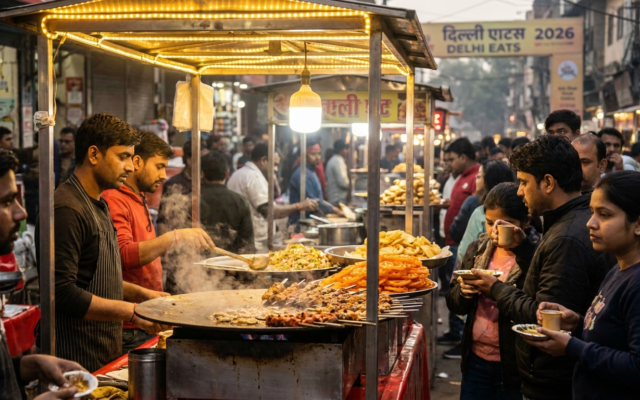
Mohammed Ali Road is synonymous with the vibrant food scene that explodes during Ramadan, but its culinary legacy extends year-round. While the evening market is a spectacle of kebabs, `haleem`, and `kebabs`, the daytime offers a more subdued but equally rewarding experience. We recommend seeking out vendors who specialize in `Nihari`, a slow-cooked meat stew, or `Paya Soup`, a rich broth made from meat trotters, especially popular for breakfast among locals seeking a hearty start to their day.
Beyond these hearty dishes, the area is also known for its exceptional `Malpua`, a sweet pancake often served with rabri, and `Shahi Tukda`, a decadent dessert made from fried bread soaked in milk and topped with nuts. Even outside of Ramadan, you can find these treats at select establishments, offering a sweet conclusion to a savoury exploration. The intensity of flavours here is unparalleled, reflecting centuries of culinary exchange and adaptation.
The Secret Spice Blend of Mohammed Ali Road Kebabs
The melt-in-your-mouth `Seekh Kebabs` and succulent `Boti Kebabs` of Mohammed Ali Road are legendary. While many attribute their deliciousness to the quality of the meat, the true secret lies in the marinade and the spice blend. Vendors use a complex mix of freshly ground spices, often including cardamom, cloves, cinnamon, and a unique blend of local herbs, which are marinated with yogurt and raw papaya to tenderize the meat.
One surprising revelation from our investigation is that many of the most respected kebab vendors use a small percentage of their spice blend raw and the rest lightly roasted. This roasting process unlocks deeper, more complex aromas and flavours. The combination of tender meat, the smoky char from the `tandoor`, and the expertly balanced spices creates an unforgettable culinary experience. It’s this meticulous attention to detail that makes the food here so special.
Hygiene and Authenticity: Finding the Sweet Spot in 2026
In 2026, concerns about hygiene are paramount, yet they shouldn’t deter you from experiencing authentic street food. The key is to observe the vendor’s practices. Look for stalls that are clean, where food is cooked fresh to order, and where vendors handle money and food separately. Many popular street food vendors now use disposable plates and cutlery, a positive step towards better hygiene.
Don’t be afraid to ask about ingredients or preparation. Many vendors are proud of their culinary heritage and happy to share insights. Seek out stalls that are consistently busy; a high turnover of customers usually indicates fresh food and popular demand. Many long-standing vendors have built their reputations on quality and cleanliness, understanding that trust is as important as taste. Exploring local markets like Crawford Market or Dadar Market, while busy, often reveal vendors who are deeply rooted in their communities and committed to quality.
The Importance of Water Quality
A crucial, yet often overlooked, aspect of street food hygiene is the water used for drinks and cleaning. In 2026, we’re seeing more vendors investing in purified or bottled water for their beverages. When ordering drinks like `nimbu pani` (lemonade) or `lassi`, inquire about the water source. Reputable vendors will readily confirm the use of filtered or bottled water, ensuring your refreshment is as safe as it is delicious.
“The true spirit of Mumbai’s street food lies not just in its flavours, but in the stories of the families who have poured their heart and soul into perfecting these dishes for generations. Each bite is a testament to their dedication and the city’s enduring culinary heritage.”
Frequently Asked Questions
What is the most iconic Mumbai street food?
The Vada Pav is arguably the most iconic. Often called the “Indian burger,” it’s a deep-fried potato patty (`vada`) sandwiched in a bread roll (`pav`), usually served with spicy chutneys. It’s affordable, filling, and found everywhere.
Where can I find the best street food in Mumbai?
While popular spots like Juhu Beach and Chowpatty are great, exploring areas like Fort, Dadar, Tardeo, and Mohammed Ali Road will lead you to more authentic and diverse culinary experiences. Don’t hesitate to explore smaller lanes and markets.
Are there hygienic street food options in Mumbai?
Yes, many vendors prioritize hygiene. Look for clean stalls, fresh cooking, and separate handling of money and food. Many popular vendors now use disposable packaging and purified water. A busy stall is often a good indicator of quality and freshness.
What regional street food specialties should I try in Mumbai?
Beyond the common chaats, try Misal Pav (spicy sprouted bean curry), Kheema Pav (spicy minced meat), Kothimbir Vadi (coriander fritters), and Dal Pakwan (Sindhi lentil and bread dish). These offer a taste of Maharashtra and other Indian regions.