Key Takeaways
- Discover quick and authentic Marathi breakfast recipes perfect for busy mornings.
- Learn how to prepare nutritious and flavourful meals in under 30 minutes.
- Explore simple techniques and readily available ingredients for a delightful start to your day.
- Find inspiration for both vegetarian and quick non-vegetarian options that are deeply rooted in Maharashtrian culinary traditions.
Upma: The Versatile Maharashtrian Staple
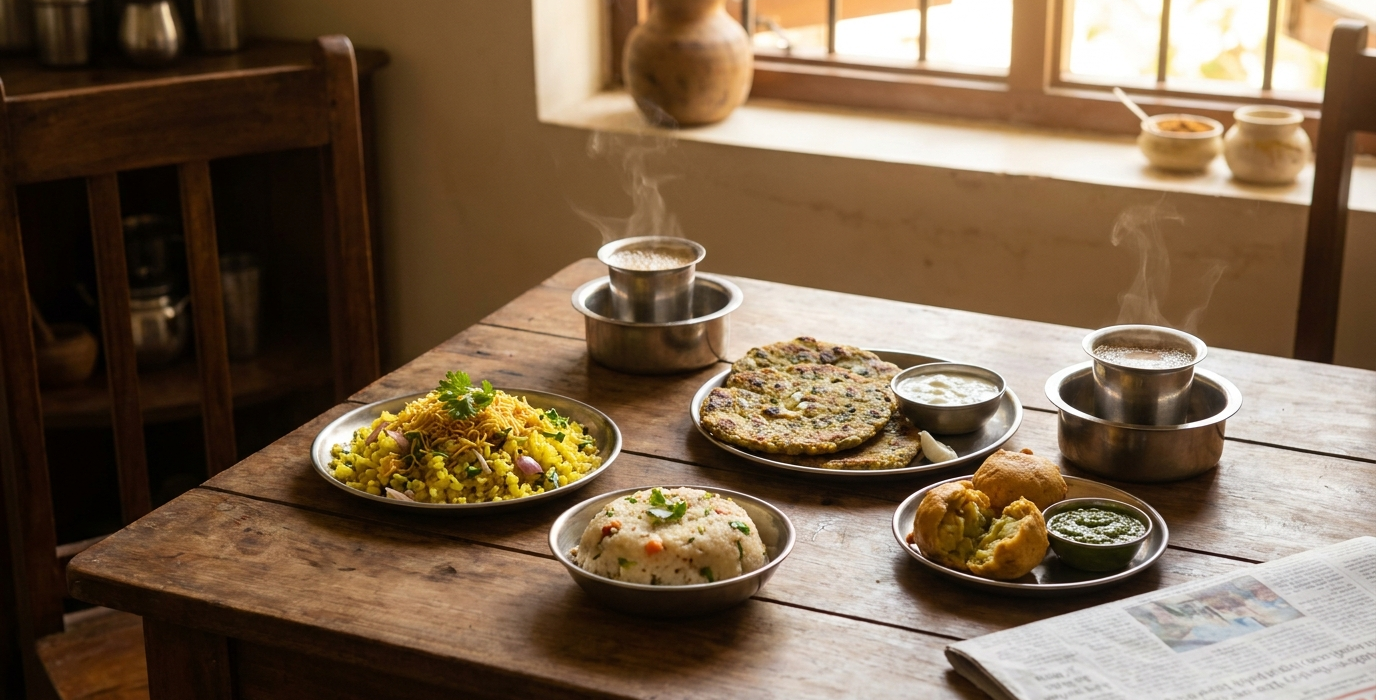
When we think of quick Marathi breakfasts, upma often tops the list. This humble yet incredibly satisfying dish is a go-to for many households across Maharashtra, especially on a brisk Tuesday morning. Its versatility is its greatest strength; you can adapt it to your taste and what’s available in your pantry. Made from coarse semolina (rava), upma is a wholesome and filling option that provides sustained energy.
The beauty of upma lies in its simplicity. You can whip up a basic version in less than 15 minutes. Start by dry roasting the semolina until it’s fragrant – this step is crucial to prevent stickiness. Then, temper mustard seeds, cumin seeds, and a pinch of asafoetida (hing) in hot oil. Sauté finely chopped onions, green chillies, and perhaps some curry leaves for an aromatic base. Gradually add water, a pinch of salt, and bring it to a boil. Finally, slowly stir in the roasted semolina, ensuring no lumps form. Cover and cook for a few minutes until the semolina absorbs the water and becomes fluffy. A squeeze of lemon juice and a sprinkle of fresh coriander just before serving elevates the flavour profile.
For those craving a bit more excitement, consider variations like vegetable upma, adding finely chopped carrots, peas, and beans for added nutrition and texture. You can also introduce peanuts for a delightful crunch or even a touch of grated coconut for a hint of sweetness. A surprising addition that’s popular in some coastal Maharashtrian regions is a spoonful of tamarind pulp, lending a subtle tanginess that cuts through the richness. This makes upma not just a quick meal but a canvas for culinary creativity, ensuring your breakfast is never monotonous.
Poha: Light, Fluffy, and Hugely Popular
If upma is the versatile workhorse, then poha is the undisputed star of quick Maharashtrian breakfasts. This flattened rice dish is a national favourite for good reason: it’s incredibly light, easy to digest, and packed with subtle flavours that awaken your senses. Preparing poha is a swift affair, making it ideal for those rushed mornings when every minute counts. The most common variation, Kanda Poha (onion poha), is a comforting classic that most of us grew up with.
The preparation begins with rinsing the poha under running water. It’s important not to soak it; a quick rinse is enough to soften the grains without making them mushy. While the poha drains, you’ll heat oil in a pan and temper mustard seeds, cumin seeds, and curry leaves. This aromatic base is then enriched with finely chopped onions and green chillies. Some prefer to add a pinch of turmeric for colour at this stage. Once the onions are translucent, add the drained poha, salt to taste, and a touch of sugar to balance the flavours. Gently toss everything together to ensure the poha is evenly coated and cooked through. A generous garnish of fresh coriander and a squeeze of lime juice is non-negotiable for that signature zing. A scattering of roasted peanuts adds a delightful crunch, transforming it from a simple dish to a more substantial meal.
Beyond the classic Kanda Poha, there are delightful regional twists. For instance, in parts of Kolhapur, you might find Misal Poha, which incorporates a spicy sprouted bean curry topping, offering a fiery kick. Another less common but incredibly tasty variation is Dadpe Poha, a no-cook version where raw, thinly sliced onion, grated coconut, coriander, and lemon juice are mixed with softened poha. It’s a refreshing change and highlights the inherent sweetness of the flattened rice. This simple dish, when prepared with care, is a testament to how humble ingredients can create deeply satisfying meals.
Thalipeeth: The Nutritious Multigrain Pancake
For a breakfast that offers both speed and substance, look no further than thalipeeth. This traditional Maharashtrian multigrain pancake is a powerhouse of nutrition, typically made with a blend of flours including jowar (sorghum), bajra (pearl millet), wheat, and besan (chickpea flour). While it might sound complex, a simplified version can be prepared quite efficiently, especially if you have the flour mix ready. It’s a hearty option that keeps you full for hours, making it perfect for days when you have a packed schedule.
The magic of thalipeeth lies in its wholesome flour blend. You can buy pre-mixed thalipeeth bhaji (flour) from local stores or create your own by roasting and grinding jowar, bajra, wheat, rice, and sometimes even chana dal. To make the batter, combine your chosen flour mix with finely chopped onions, coriander leaves, green chillies, and essential spices like red chilli powder, turmeric, and a pinch of garam masala. Salt is, of course, key. Gradually add water to form a thick, pliable dough, similar to chapati dough. The dough should be soft enough to spread but not sticky.
Cooking thalipeeth is an art in itself. Traditionally, it’s cooked on a flat griddle (tava) without oil initially, or with minimal oil. You take a portion of the dough, place it on a damp cloth or plastic sheet, and flatten it with your fingers into a thin, round pancake. Make a small hole in the centre to ensure even cooking. Carefully transfer the thalipeeth onto a hot, lightly greased tava. Cook on one side until golden brown, then flip and cook the other side, adding a little more oil or ghee if desired. The resulting pancake is crisp on the edges and soft in the centre, with a wonderfully earthy flavour from the grains. Serving it hot with a dollop of white butter, curd, or a spicy chutney is the ultimate Maharashtrian breakfast experience.
Dhirde/Chilla: Savoury Lentil Crepes
In the realm of quick and healthy Marathi breakfasts, dhirde, also known as chilla in other parts of India, hold a special place. These savoury crepes are made from a batter of ground lentils and rice, offering a protein-rich and easily digestible start to your day. They are a fantastic alternative to heavier breakfasts and can be customized with various vegetables and spices to suit your palate. Their preparation is surprisingly straightforward, making them a weekend brunch favourite or a speedy weekday option.
The foundation of dhirde is the batter. Traditionally, you would soak rice and urad dal (black gram lentils) overnight, then grind them into a smooth, thick batter. However, for a quicker approach, you can use readily available idli or dosa batter if you have it on hand, or even a pre-made chilla mix. To enhance the flavour and nutritional value, you can add finely chopped onions, tomatoes, green chillies, and fresh coriander to the batter. A pinch of turmeric can add a lovely golden hue, and a touch of asafoetida (hing) aids digestion and adds a subtle aroma. Ensure the batter has the consistency of pancake batter – not too thick, not too thin.
Cooking dhirde is similar to making thin pancakes or crepes. Heat a non-stick tawa or griddle over medium heat. Lightly grease it with oil. Pour a ladleful of batter onto the centre of the tawa and spread it outwards in a circular motion to form a thin, even crepe. Drizzle a little oil around the edges and on top. Cook for a minute or two until the underside is golden brown and the edges start to lift. Carefully flip the dhirda and cook the other side for another minute. These crepes are delicious served hot with coconut chutney, tomato ketchup, or a dollop of plain yogurt. A surprising fact is that in some Maharashtrian households, a small amount of methi (fenugreek) seeds are added to the soaking mixture, imparting a slightly bitter but beneficial flavour profile.
Misal Pav: A Spicy Kick for the Adventurous Eater
While not an everyday quick breakfast for most, misal pav is an iconic Maharashtrian dish that deserves a mention for those who appreciate a flavourful and hearty start, especially on a leisurely weekend morning. It’s a celebrated street food and a breakfast staple in many cities like Pune and Kolhapur, known for its complex layers of taste and texture. Misal is essentially a spicy curry made from sprouted moth beans (matki), topped with a fiery red gravy (kat/rassa), crunchy farsan (a mixture of fried snacks), chopped onions, and coriander. This is then served with soft, fluffy pav (bread rolls).
The ‘quick’ aspect of misal pav comes from having the components prepared in advance or using shortcuts. The base of misal is the sprouted moth beans, which are typically cooked with onions, tomatoes, and a blend of Maharashtrian spices. The fiery red gravy, or ‘kat’, is the soul of the dish, made from a paste of coconut, dried red chillies, ginger, garlic, and various aromatic spices. This gravy is usually simmered to perfection. The ‘farsan’ adds the essential crunch, and fresh toppings of chopped onions and coriander provide freshness. The pav is usually buttered and lightly toasted.
Assembling misal pav is an art. You start with a generous portion of the spiced sprouted beans in a bowl. This is followed by the hot, spicy kat poured over it. Then comes the crunch – a good amount of farsan. Finally, it’s topped with finely chopped raw onions and fresh coriander leaves. You then use the pav to scoop up the delicious mixture. For those who like it extra spicy, a dollop of ‘sample’ – a fiery oil-based chutney – is added. While making authentic misal from scratch can be time-consuming, many Maharashtrian families have their own quick versions or keep pre-made masalas and sprouted beans ready. A surprising regional variation is the Kolhapuri misal, which is famously spicier than its Pune counterpart, often featuring a richer and more intensely flavoured rassa.
Surmai Fry / Fish Fry: A Coastal Delight
For those residing near the coast or with access to fresh seafood, a fish fry, particularly made with Surmai (King Mackerel), offers a delightful and protein-rich breakfast. This is a popular choice in coastal Maharashtra, including regions like Konkan. While it might seem like a more elaborate meal, a simple preparation can be surprisingly quick, especially if you have your fish marinated ahead of time. The succulent flesh of the Surmai, combined with a flavourful marinade, makes for a memorable start to the day.
The key to a good Surmai fry is the marination. Fresh Surmai fillets or pieces are typically marinated with a paste made from ginger, garlic, turmeric powder, red chilli powder, and salt. Some recipes also include a touch of lemon juice to tenderize the fish and add a citrusy note. A small amount of rice flour or semolina can be added to the marinade to create a light, crispy coating when fried. Allowing the fish to marinate for at least 15-20 minutes enhances the flavours significantly. For a quicker version, you can even use a pre-made fish masala powder.
Frying the fish is a straightforward process. Heat oil in a shallow pan (a cast-iron skillet works wonderfully for a crispier finish). Once the oil is hot, carefully place the marinated fish pieces into the pan, ensuring not to overcrowd it. Fry on medium heat for about 3-5 minutes on each side, or until the fish is golden brown and cooked through. The fish should be flaky and moist inside. A surprising aspect of this breakfast is its simplicity; often, it’s served with just a wedge of lemon and perhaps a simple onion salad. It’s a testament to the fresh, natural flavours of the sea being the star. This dish is a wonderful example of how regional ingredients can define a cuisine and offer unique breakfast experiences.
Frequently Asked Questions
What is the healthiest quick Marathi breakfast?
For a healthy and quick option, poha is an excellent choice due to its light texture and easy digestibility. Adding vegetables like peas and carrots, and a sprinkle of peanuts, enhances its nutritional profile. Upma made with whole wheat rava or oats, and packed with vegetables, is also a very nutritious and quick option.
Can I prepare Marathi breakfast batter in advance?
Yes, batters for dhirde/chilla can be prepared the night before and stored in the refrigerator. For upma and poha, the dry ingredients can be pre-measured, and vegetables can be chopped, significantly reducing preparation time in the morning.
Are there gluten-free quick Marathi breakfast options?
Absolutely! Poha is naturally gluten-free. Thalipeeth can be made gluten-free by using only jowar, bajra, and rice flour. Even upma can be made gluten-free by using fine cornmeal (makai ka atta) or rice flour instead of semolina.
What is the most popular quick Marathi breakfast?
Poha is arguably the most popular and widely consumed quick Marathi breakfast across India. Its simplicity, speed of preparation, and delicious taste make it a universal favourite. Upma comes in a very close second, celebrated for its customizability.