Key Takeaways
- Master the art of authentic Maharashtrian breakfast staples like Kanda Poha and Thalipeeth using traditional techniques.
- Learn how to balance regional spices to recreate the nostalgic flavors of a Pune or Mumbai street-side kitchen.
- Understand the nutritional profile of millet-based breakfasts, a growing trend in modern Indian dietary habits.
- Follow step-by-step instructions designed to yield consistent, restaurant-quality results in your home kitchen.
The Foundation of Maharashtrian Morning Rituals
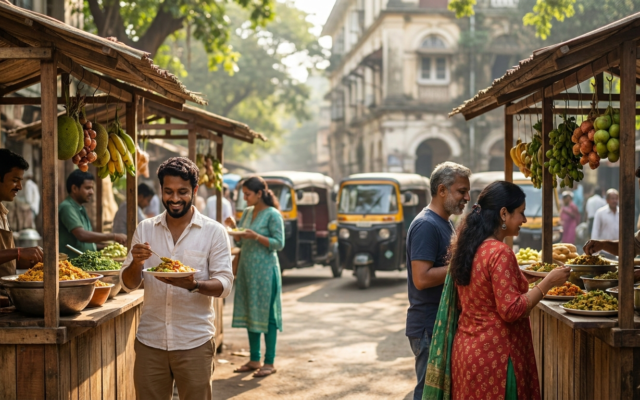
In Maharashtra, breakfast is not merely a meal; it is an institution that balances local produce with ancient culinary wisdom. Whether you are navigating the bustling streets of Dadar or the quiet lanes of Nashik, you will find that the day begins with a focus on fresh, fermented, or steamed ingredients. This culinary heritage is defined by the strategic use of mustard seeds, curry leaves, and a touch of sweetness to balance the heat of green chilies. Achieving this specific flavor profile requires an understanding of how to layer spices correctly.
Most traditional Maharashtrian recipes rely on the concept of ‘phodni’ or tempering, which serves as the backbone of flavor development. When you heat oil and add mustard seeds, they must crackle—a sign that the temperature is correct for releasing essential oils. This simple technique elevates humble ingredients like flattened rice or chickpeas into a vibrant dish. According to the Food Safety and Standards Authority of India, adopting traditional cooking methods often retains more nutrients than modern ultra-processed alternatives, making these breakfast staples a sensible choice for health-conscious families.
To begin your journey into authentic regional cooking, you must stock your pantry with fresh ground turmeric, high-quality peanuts, and dry red chilies. Many newcomers fail because they skip the step of roasting peanuts until they are golden brown, which provides the necessary crunch. Remember that consistency is key; by practicing these recipes, you connect with a tradition that has sustained generations of workers and scholars alike. It is a rewarding process that transforms your morning routine into a sensory experience.
Kanda Poha: The Quintessential Maharashtrian Staple
Kanda Poha remains the most recognizable breakfast dish across Maharashtra, loved for its light texture and savory bite. The secret to perfect Poha lies in the washing process; you must rinse the flattened rice gently under cold water until it is soft but not mushy. If you leave it soaking for too long, the grains lose their structure and turn into a paste. Once drained, let it rest in the colander so the moisture distributes evenly, ensuring each grain stays separate during the final stir-fry.
For the ‘Kanda’ (onion) portion, slice your onions thinly and sauté them until they turn translucent and slightly sweet. The addition of peanuts is non-negotiable for an authentic texture, providing a necessary contrast to the soft rice flakes. A surprising fact about this dish is that while it is now a national favorite, its popularity surged during the Government of India initiatives to promote affordable, grain-based meals across the country. It is a dish that highlights the balance of carbohydrate-rich staples and simple, aromatic seasonings.
When assembling the final dish, finish with a generous squeeze of fresh lime juice and a handful of chopped coriander. This bright acidity cuts through the starch, making the dish feel fresh even on a humid monsoon morning. Serving it alongside a hot cup of cutting chai is the traditional way to complete the meal. This combination is not just delicious; it is a cultural staple that defines the start of a productive day for millions.
Thalipeeth: The Multigrain Powerhouse
Thalipeeth is a savory, multigrain flatbread that showcases the diversity of Maharashtrian grains, including jowar, bajra, and besan. Unlike standard rotis, the dough for Thalipeeth is enriched with chopped onions, cucumbers, cilantro, and a blend of roasted spices known as ‘bhajani’. This mix is a nutritional powerhouse, offering fiber and protein in a single, portable serving. You can prepare the bhajani flour in advance, allowing you to whip up a fresh batch of flatbreads in minutes.
To prepare it correctly, pat the dough directly onto a hot, greased skillet or a damp cloth using your fingertips. Making small holes in the center of the disc allows you to drizzle oil or ghee, which ensures the bread cooks evenly and becomes wonderfully crisp. It is fascinating to note that this method of using a mixed-flour base is a traditional preservation technique; it allowed rural households to utilize various grains efficiently. Today, it remains a favorite for its hearty, rustic flavor that pairs perfectly with white butter or yogurt.
The true magic of Maharashtrian breakfast lies in the tempering; the sizzle of mustard seeds in hot oil is the sound of a morning well-begun.
Advertisement300×250 / native
Comparing Popular Maharashtrian Breakfast Options
If you are planning your breakfast menu for the week, it helps to understand the preparation time and energy required for each dish. While Poha is a quick-fix option, dishes like Misal Pav require more elaborate preparation of the spicy gravy, or ‘kat’. The table below provides a quick reference for choosing your morning meal based on your available time and preference for heat or texture.
| Recipe | Difficulty | Prep Time | Primary Flavor |
|---|---|---|---|
| Kanda Poha | Easy | 15 Mins | Savory & Tangy |
| Thalipeeth | Moderate | 30 Mins | Earthy & Spiced |
| Misal Pav | Hard | 45 Mins | Very Spicy |
| Sabudana Khichdi | Moderate | 25 Mins | Nutty & Mild |
Misal Pav: The Spice Lover’s Choice
Misal Pav is arguably the most adventurous breakfast dish in Maharashtra, consisting of a spicy sprout curry topped with ‘farsan’, onions, and lime. The complexity of the curry, often referred to as ‘rassa’, comes from a blend of roasted coconut, spices, and ginger-garlic paste. This dish is a true test of a cook’s ability to layer flavors without overwhelming the palate. It is common to find different regions, such as Kolhapur or Pune, taking immense pride in their unique, spicy variations.
One fascinating detail is that the sprouts used in Misal are often a mix of moth beans, which are incredibly resilient crops. Their high protein content is a primary reason why this dish became a staple for laborers who needed sustained energy throughout the morning. When preparing Misal at home, focus on the quality of your ‘goda masala’. This signature Maharashtrian spice blend is what distinguishes an average bowl from an exceptional one, providing a depth of flavor that is truly unique to the region.
Serve the rassa in a deep bowl, topped generously with crunchy farsan to ensure the texture remains crisp until the last bite. The soft, buttery pav is essential for soaking up the spicy gravy, serving as the perfect vessel for the meal. While it is certainly a heavy breakfast, it remains a beloved treat on weekends and festive mornings. It is an experience that demands your full attention, much like the vibrant culture from which it originates.
Sabudana Khichdi: The Texture Specialist
Sabudana Khichdi, made from sago pearls, is a unique dish that requires specific technical skill to avoid clumping. The secret is to soak the pearls in just enough water overnight so they expand but remain distinct. If you add too much water, the pearls will turn into a sticky mess during cooking. Once soaked, they should feel firm yet squishy when pressed, indicating they are ready to be tossed with roasted peanut powder, potatoes, and green chilies.
This dish is a classic example of how starch can be transformed into a light, airy meal through simple frying techniques. It is traditionally consumed during fasting days, but its popularity has transcended religious observance into everyday breakfast rotation. Because of its reliance on sago, which is a gluten-free ingredient, it serves as an excellent option for those with dietary restrictions. Always cook this on a medium flame to ensure the pearls become translucent without burning the peanuts or the potatoes added to the base.
When you serve this, ensure you have a side of sweetened curd, which complements the savory and slightly salty profile of the dish. It is a satisfying breakfast that feels light on the stomach while providing enough energy to keep you active for hours. By mastering the heat control and the soaking ratio, you can achieve a perfect, non-sticky Khichdi every single time. It is a testament to the fact that simple, plant-based ingredients, when treated with patience, create culinary masterpieces.
Frequently Asked Questions
How do I prevent my Poha from turning mushy?
To prevent mushy Poha, rinse the flattened rice in a sieve under cold water for only a few seconds. Allow it to drain completely in the sieve for at least 10 minutes before cooking; this ensures the grains are soft but retain their individual shape during the tempering process.
Can I make Thalipeeth flour (Bhajani) at home?
Yes, you can make Bhajani by dry-roasting grains like jowar, bajra, wheat, and chana dal separately until fragrant, then grinding them into a coarse flour. Store this mixture in an airtight container, and it will remain fresh for several weeks for quick morning use.
What is the secret to a good Misal gravy?
The secret to a great Misal gravy lies in the ‘kat’ or the spicy oil layer that floats on top, created by cooking your masala until the oil separates. Use a high-quality goda masala and ensure your sprout base is well-cooked before adding the spice-laden gravy to ensure a balanced, authentic flavor.
Are these breakfast recipes suitable for a gluten-free diet?
Many Maharashtrian breakfasts are naturally gluten-free, particularly those based on rice flakes (Poha) or sago (Sabudana). However, for Thalipeeth, ensure you exclude wheat from your flour blend and use only millet and legume-based flours to keep the dish entirely gluten-free.