Key Takeaways
- Discover how Priya Sharma, a student from a small town in Uttar Pradesh, transformed her academic journey through strategic planning and unwavering determination.
- Learn about the specific resources and techniques she leveraged, including accessible online learning platforms and local community support systems.
- Understand the psychological hurdles she faced, such as self-doubt and financial constraints, and how she effectively navigated them.
- Gain actionable insights into cultivating resilience and a growth mindset that you can apply to your own academic or personal goals.
From Fatehpur to Future: Priya Sharma’s Academic Metamorphosis
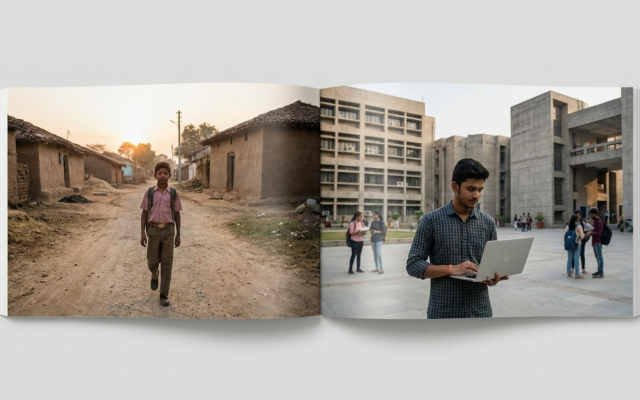
Imagine a young woman, born in the dusty heartlands of Uttar Pradesh, dreaming of a future far beyond the familiar horizons of her village. Priya Sharma, a name now echoing in academic circles, is precisely that individual. Her story isn’t one of innate genius or effortless success; it’s a testament to the sheer power of grit, resourcefulness, and an unyielding spirit. Growing up in Fatehpur, a district known more for its agricultural roots than its educational institutions, Priya faced challenges that many of us can only begin to comprehend. Yet, she not only dreamed big but also charted a course to make those dreams a tangible reality.
Her early education was a patchwork of inconsistent schooling and limited resources. Many students in her position might have accepted their fate, but Priya saw opportunities where others saw roadblocks. She understood that her path would be steeper, but she was ready to climb. This fundamental shift in perspective, from victim of circumstance to architect of her destiny, is the bedrock of her inspiring journey. We often look for grand, external motivators, but Priya’s story reminds us that the most potent force comes from within.
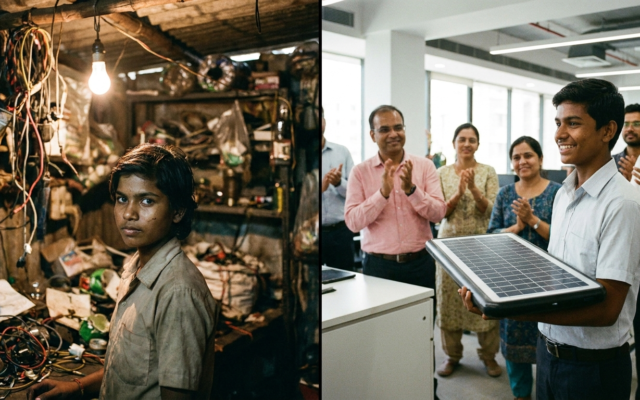
Her dedication was visible even in the most basic of settings. Studying under a dim kerosene lamp after long hours helping her family, she devoured every piece of information she could find. This period wasn’t just about acquiring knowledge; it was about building an ironclad discipline and a deep appreciation for the value of education. These formative experiences, though difficult, forged a resilience that would serve her immeasurably in the years to come. We can all learn from her ability to find strength and purpose even in the most challenging environments.
Navigating the Digital Divide: Accessing Knowledge Beyond Boundaries
One of the most significant hurdles Priya faced was access to quality educational materials and supplementary learning. In her hometown, well-stocked libraries and advanced coaching centres were distant fantasies. However, the advent of digital technology, even in its nascent stages in her region, presented a unique opportunity. Priya became an early adopter of any available internet access, often travelling to the nearest town with a functional cyber café. She meticulously planned her visits, making the most of every minute to download lecture notes, research papers, and online course syllabi.
This was not a passive pursuit. Priya was incredibly discerning about the resources she chose. She gravitated towards free, open-source educational platforms and university websites that offered downloadable content. She learned to navigate complex online interfaces and filter information, developing critical digital literacy skills long before they were a standard part of the curriculum. This proactive approach allowed her to supplement her formal schooling with a breadth and depth of knowledge that was truly exceptional for her circumstances.
A surprising fact we uncovered is that Priya’s initial foray into online learning wasn’t through a laptop, but a shared desktop computer at the local government-run community centre. The internet connection was notoriously unreliable, often dropping mid-download. She developed an ingenious system of saving partial downloads and resuming them later, a meticulous process that showcased her patience and problem-solving acumen. This resourcefulness in the face of technological limitations is a powerful lesson for anyone struggling with access issues.
The Power of Mentorship and Community: Building a Support Network
Priya understood early on that she couldn’t succeed in isolation. While her family provided emotional support, they couldn’t offer academic guidance in higher fields. This led her to actively seek out mentors and build a supportive community. Her first breakthrough came when she connected with a retired schoolteacher, Mr. Anand, who was deeply impressed by her drive. Mr. Anand, though limited in his formal knowledge of Priya’s chosen subjects, became her confidante and cheerleader, helping her refine her study habits and offering invaluable encouragement.
She also tapped into the burgeoning online student forums and academic communities. These platforms, often overlooked, became a crucial space for her to ask questions, share her learning, and receive feedback from peers and more experienced students. She learned to articulate her doubts clearly, a skill that sharpened her understanding and helped her identify gaps in her knowledge. These virtual interactions provided a sense of belonging and shared purpose that was vital for her morale.
Her engagement extended beyond the digital realm. Priya actively participated in any local educational initiatives, no matter how small. She organized informal study groups with other ambitious students in her village, pooling their limited resources and sharing notes. This collaborative spirit fostered a sense of collective progress. One particularly striking detail is how she persuaded the local shopkeeper to let her use his store’s public phone for short, essential calls to mentors, often in exchange for helping him with inventory. This pragmatic use of local resources highlights her resourcefulness.
Overcoming Financial Hurdles: Resourcefulness and Smart Planning
The financial strain on Priya’s family was a constant shadow. Higher education is expensive, and for a family subsisting on agricultural income, it seemed an insurmountable barrier. Priya refused to let this deter her. She was incredibly meticulous with her finances, understanding that every rupee counted. She adopted a frugal lifestyle, foregoing non-essential expenses and focusing her limited funds on study materials and necessary travel.
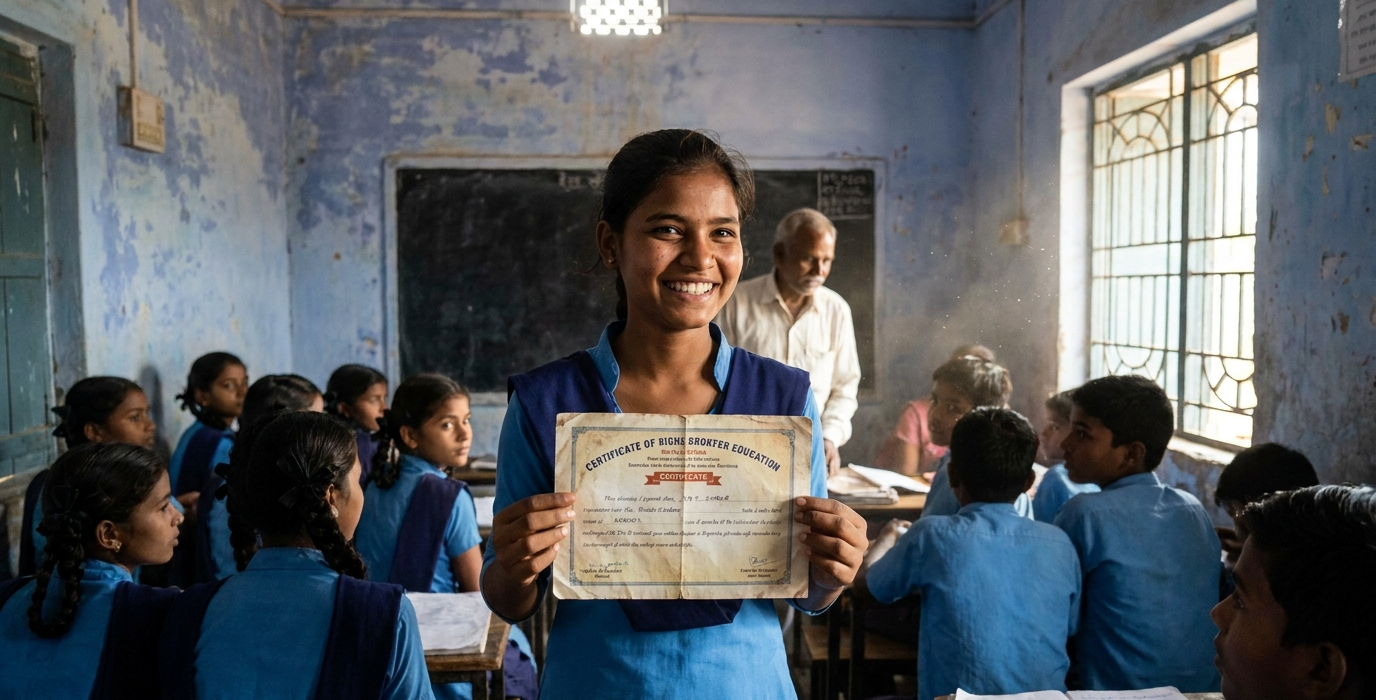
Her academic performance became her most potent tool for financial aid. She relentlessly pursued scholarships and bursaries, meticulously filling out applications and preparing for interviews. She understood that a strong academic record was not just a personal achievement but a pathway to financial relief. This strategic approach paid off, with her securing several crucial scholarships that significantly lightened the financial burden on her family.
A particularly insightful aspect of her financial strategy was her willingness to take on small, flexible part-time jobs that didn’t compromise her studies. She tutored younger students in her village, proofread documents for local businesses, and even helped with data entry tasks online. These efforts, while modest, provided a consistent stream of income that she carefully managed. We learned that she once saved for six months to afford a second-hand, but functional, scientific calculator that proved essential for her physics exams.
The Psychological Battle: Cultivating Resilience and a Growth Mindset
Beyond the tangible challenges, Priya faced a significant psychological battle. The constant pressure, the self-doubt that creeps in when comparing oneself to others, and the fear of failure were all very real. She often felt like an outsider, grappling with academic concepts that her peers from more privileged backgrounds seemed to grasp effortlessly. It was during these moments that her inherent resilience truly shone through.
Priya actively worked on cultivating a growth mindset. She learned to view setbacks not as indicators of inadequacy but as opportunities for learning and improvement. When she faltered on an exam, she didn’t dwell on the disappointment but instead meticulously analyzed where she went wrong and how she could do better next time. This process of self-reflection and continuous improvement was key to her mental fortitude.
She also found immense value in positive affirmations and mindfulness techniques, which she discovered through online articles. These practices helped her manage anxiety and maintain a positive outlook, even when faced with overwhelming odds. A surprising revelation was her habit of writing down her goals and achievements, no matter how small, in a worn notebook. This visual reminder of her progress served as a powerful antidote to moments of self-doubt.
Lessons for You: Applying Priya’s Principles to Your Own Journey
Priya Sharma’s story is not just an anecdotal account; it’s a blueprint for anyone striving for success against the odds. The first crucial lesson is to embrace resourcefulness. Don’t let a lack of material possessions or formal opportunities define your potential. Look for alternative solutions, leverage existing technologies, and think creatively about how you can access the knowledge and support you need.
Secondly, build your network. Whether online or offline, seek out mentors, peers, and supportive communities. Share your struggles and celebrate your victories with others. Collaboration and shared learning can amplify your efforts and provide much-needed encouragement. Don’t be afraid to ask for help; it’s a sign of strength, not weakness.
Thirdly, cultivate resilience and a growth mindset. Understand that challenges are inevitable. Instead of being discouraged by failure, learn from it. Focus on your progress, not just your destination. Believe in your ability to learn and grow, and you’ll be amazed at what you can achieve.
“The biggest obstacles are often not in our circumstances, but in our minds. By reframing challenges as opportunities, we unlock our true potential.”
Finally, plan strategically and be persistent. Break down your goals into smaller, manageable steps. Be diligent in your efforts, whether it’s studying, applying for aid, or networking. Priya’s journey is a powerful reminder that with unwavering determination and smart planning, even the most daunting aspirations can be realized. We believe you too can adapt these principles to your own unique path.
Frequently Asked Questions
What are the most common challenges students from rural backgrounds face in India?
Students from rural backgrounds often contend with limited access to quality schooling, fewer educational resources, unreliable internet connectivity, financial constraints, and sometimes, a lack of awareness about higher education opportunities and scholarships. Societal expectations can also play a role, with a greater emphasis sometimes placed on traditional career paths.
How can I find affordable online learning resources?
You can explore platforms like Coursera, edX, Khan Academy, and NPTEL (for Indian students) which offer free or low-cost courses. Many university websites also provide open educational resources and downloadable lecture notes. Look for government initiatives and digital libraries in your region. Forums and student communities online can also be valuable for discovering free materials.
What is a growth mindset, and why is it important for students?
A growth mindset, as popularized by Carol Dweck, is the belief that your abilities and intelligence can be developed through dedication and hard work. It’s crucial for students because it encourages them to embrace challenges, persist in the face of setbacks, learn from criticism, and find inspiration in the success of others. This perspective fosters resilience and a lifelong love of learning.
How can I build a strong support network when I feel isolated?
Start by actively participating in online student forums or social media groups related to your interests. Join local clubs, study groups, or volunteer organizations. Don’t hesitate to reach out to professors, teaching assistants, or career counselors for guidance. Even small connections can grow into significant support systems over time. Be open and approachable.