Key Takeaways
- Fennel seeds, ginger, and peppermint are potent natural aids for indigestion and bloating, readily available in Indian kitchens.
- Warm water with lemon or honey offers immediate relief for an upset stomach, aiding digestion and hydration.
- Dietary adjustments, focusing on easily digestible foods like rice kanji and yogurt, are crucial for recovery.
- Acupressure points, particularly on the hands and feet, can offer surprising, rapid relief from stomach discomfort.
Gentle Herbs from Your Spice Rack: Nature’s First Aid
When your stomach rebels, a quick dash to your kitchen can often be more effective than any pharmacy. India’s rich culinary heritage is a treasure trove of natural remedies, many of which are steeped in centuries of tradition and proven by modern science. You don’t need exotic ingredients; often, the solution lies within your everyday spice rack.
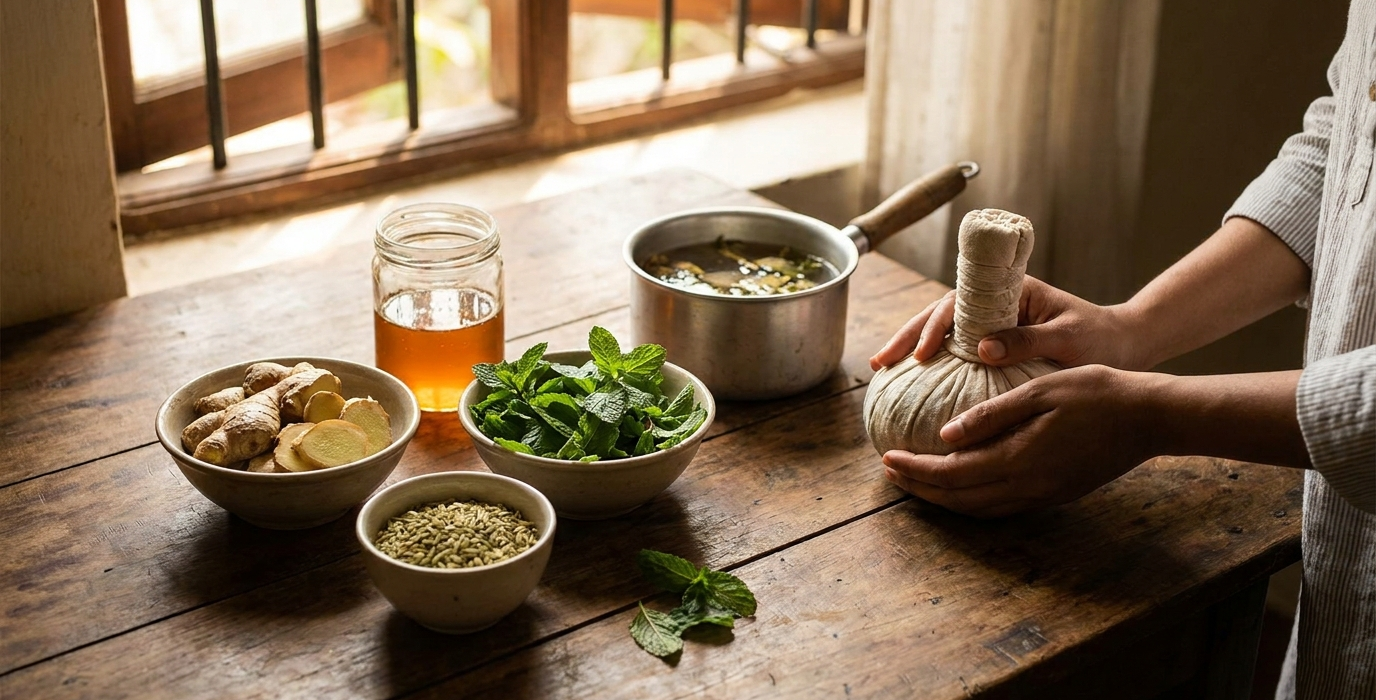
Fennel seeds, known as *saunf*, are a perennial favourite for post-meal digestion. Their carminative properties help to reduce gas and bloating, offering a soothing effect on your digestive tract. Chew on a teaspoon of roasted *saunf* after a heavy meal, or steep a tablespoon in hot water to make a calming tea. You’ll notice a difference in how quickly discomfort subsides.
Ginger (*adrak*), another kitchen staple, is a powerhouse for stomach issues. Its anti-inflammatory and anti-emetic properties make it excellent for nausea, indigestion, and even motion sickness. Grate a small piece of fresh ginger and steep it in hot water for a potent ginger tea, or simply chew on a sliver of candied ginger. The warmth and pungent flavour are surprisingly effective in settling a churning stomach.
Peppermint (*pudina*), often enjoyed in chutneys and teas, also offers significant relief. The menthol in peppermint can relax the muscles of the digestive tract, easing cramps and spasms. A cup of peppermint tea, brewed from fresh or dried leaves, can provide swift comfort. Avoid if you suffer from severe heartburn, as it can sometimes relax the lower esophageal sphincter too much.
The Power of Hydration: Simple Water, Profound Relief
It sounds almost too simple, but the most accessible remedy for an upset stomach is often right at your tap. Proper hydration is fundamental to digestion, and for immediate relief, warm water can work wonders. It helps to break down food, allowing your body to digest it more efficiently.
Adding lemon to your warm water can amplify its benefits. The citric acid in lemon juice can stimulate digestive juices, further aiding the breakdown of food and helping to flush out toxins. It’s a gentle way to rehydrate and kickstart your sluggish digestive system. Start your day with a glass of warm lemon water, even when you’re feeling perfectly fine, to maintain optimal gut health.
For an extra boost of soothing power, consider adding a spoonful of honey (*shahad*) to your warm water or lemon water. Honey has natural antibacterial properties and can coat the lining of your stomach, providing a protective layer that soothes irritation. It also acts as a mild prebiotic, feeding beneficial gut bacteria. This sweet addition can make a world of difference when your stomach feels tender and inflamed.
Rice kanji, a simple rice porridge, is another extremely gentle option, especially if you’re experiencing diarrhoea or vomiting. Its blandness and easy digestibility make it ideal for when your stomach needs a complete rest. Cook rice with a generous amount of water until it becomes very soft and mushy. You can season it lightly with a pinch of salt. This offers sustenance without taxing your already stressed digestive system.
Probiotics and Gentle Foods: Rebuilding Your Gut’s Balance
When your stomach is upset, it’s not just about immediate relief; it’s also about helping your digestive system recover and rebuild its natural balance. This is where the power of probiotics and carefully chosen foods comes into play.
Yogurt (*dahi*), a staple in Indian households, is a fantastic source of probiotics. These live beneficial bacteria are crucial for a healthy gut microbiome. Consuming plain, unsweetened yogurt can help to restore the balance of good bacteria in your intestines, which can be disrupted by illness or certain medications. Opt for varieties that explicitly state they contain live and active cultures. A small bowl of plain curd can be incredibly soothing and aid in recovery.
Beyond yogurt, consider other fermented foods like buttermilk (*chaas*). Often seasoned with cumin and mint, *chaas* is not only refreshing but also packed with probiotics. It’s particularly beneficial after a heavy meal or during hot weather, helping to cool the stomach and improve digestion. It’s a light and hydrating way to get your daily dose of gut-friendly bacteria.
When you’re starting to reintroduce solids, stick to bland, easily digestible foods. This means avoiding spicy, oily, or processed items that can further irritate your stomach. Think boiled potatoes, plain toast, and cooked vegetables like carrots or pumpkin. Gradually reintroduce more complex foods as your stomach begins to feel stronger. The key is to listen to your body and be patient with the recovery process.
The Surprising Power of Acupressure: Points for Relief
You might be surprised to learn that you don’t always need to ingest something to find relief from stomach pain. Acupressure, a traditional Chinese healing technique that involves applying pressure to specific points on the body, can offer remarkable and rapid relief for digestive woes.
One highly effective point for stomach pain is known as Neiguan (P6). This point is located on the inner forearm, about three finger-widths down from the wrist crease, between the two large tendons. Gently apply firm, circular pressure for 2-3 minutes. Many people find immediate relief from nausea and stomach discomfort with this technique. You can find this point on either arm.
Another useful point is Zusanli (ST36), located on the outer side of your shin bone, about four finger-widths below the kneecap. While this point is often used for overall digestive health and energy, stimulating it can also help alleviate abdominal pain and bloating. Apply firm pressure with your thumb or finger and massage in a circular motion. This point is particularly good for chronic digestive issues.
A third point to consider is on your hand, known as Hegu (LI4). This is located in the webbing between your thumb and index finger. Apply firm pressure with the thumb and index finger of your opposite hand, squeezing gently. Be aware that this point is contraindicated during pregnancy, as it can stimulate uterine contractions. For most others, it’s a powerful point for pain relief, including stomach discomfort.
Dietary Detective Work: Identifying and Avoiding Triggers
Sometimes, stomach pain isn’t a one-off occurrence but a signal that certain foods are consistently disagreeing with you. Becoming a ‘dietary detective’ can be the most effective long-term strategy for preventing future discomfort.
Start by keeping a food diary. For a week or two, meticulously record everything you eat and drink, along with any symptoms you experience, noting the timing and severity of any stomach pain. This can help you identify patterns that might otherwise go unnoticed. You might be surprised to discover that a seemingly innocent food is the culprit.
Common triggers for stomach upset include spicy foods, particularly those with high chili content common in many Indian cuisines. Greasy or fried foods are also frequent offenders, as they are harder to digest. Even certain types of dairy products can cause issues for individuals with lactose intolerance. Pay attention to how your body reacts after consuming specific ingredients.
Consider the role of stress and anxiety. Our gut is often called our “second brain,” and emotional states can significantly impact digestive function. If you notice your stomach acting up more during stressful periods, incorporating stress-management techniques like meditation, deep breathing exercises, or yoga can be incredibly beneficial. Sometimes, the solution to stomach pain lies not just in what you eat, but in how you feel.
When to Seek Professional Help: Listening to Your Body’s Warnings
While home remedies are excellent for mild, occasional stomach discomfort, it’s crucial to recognize when your symptoms warrant professional medical attention. Your body sends signals, and learning to distinguish between a minor ailment and a serious concern is vital for your well-being.
Persistent or severe pain is a primary red flag. If your stomach pain is intense, doesn’t improve with home remedies, or worsens over time, you should consult a doctor. Don’t delay seeking help if you experience a sudden, sharp pain, especially if it’s localized to a specific area.
Other concerning symptoms include unexplained weight loss, blood in your stool (appearing black and tarry or bright red), persistent vomiting, fever accompanying the pain, or jaundice (yellowing of the skin and eyes). These symptoms could indicate more serious underlying conditions such as ulcers, infections, gallstones, appendicitis, or other gastrointestinal issues that require medical diagnosis and treatment.
Even if your symptoms aren’t severe, but they are frequent and disruptive to your daily life, it’s worth speaking with a healthcare professional. They can help rule out any chronic conditions like Irritable Bowel Syndrome (IBS) or Celiac disease and provide personalized advice and treatment plans. Remember, your health is paramount, and seeking timely medical advice is a sign of wisdom, not weakness.
Frequently Asked Questions
What’s the fastest way to relieve indigestion?
For rapid indigestion relief, try sipping warm water with lemon and honey, or chewing on a few roasted fennel seeds. A warm compress on your abdomen can also offer quick comfort.
Can I drink milk for stomach pain?
For some, milk can be soothing as it coats the stomach lining. However, for individuals with lactose intolerance or acid reflux, milk can actually worsen symptoms. Plain yogurt or buttermilk are often better tolerated.
How long should stomach pain last before seeing a doctor?
If your stomach pain is severe, persistent (lasting more than a few hours without improvement), or accompanied by other worrying symptoms like fever, blood in stool, or vomiting, seek medical attention immediately. For milder pain that doesn’t resolve within 24-48 hours, a doctor’s visit is advisable.
Are spicy foods bad for stomach aches?
Spicy foods can be a common trigger for stomach upset and can exacerbate existing pain by irritating the digestive lining. It’s generally best to stick to bland foods when experiencing stomach discomfort.