The cost of a broodje at Albert Heijn feels heavier these days. For Dutch millennials, the dream of financial freedom is starting to feel more like a distant mirage. Soaring inflation and a housing market that seems designed by Kafka are the culprits. We’re not just talking about avocado toast anymore. We’re talking about rent hikes that make your jaw drop. Grocery bills leave you questioning your life choices. But this generation isn’t just wringing their hands. They’re adapting. They’re innovating. Frankly, they’re getting smarter with their money than ever before.
Key Takeaways:
- Discover how Dutch millennials are leveraging technology to master their budgets.
- Learn about specific investment strategies gaining traction among younger earners in the Netherlands.
- Understand the unique financial pressures facing this demographic in the current Dutch economic climate.
- Explore practical, actionable tips for saving and investing, inspired by real-life examples from the Netherlands.
- Gain insights into how cultural attitudes towards money are shifting in the Netherlands.
The Pinch of Prosperity: Inflation’s Grip on Dutch Youth
Amsterdam’s canals are still beautiful. But the twinkle in their reflection feels a bit dimmer for many. The Netherlands, long a symbol of stability and economic strength, is experiencing a rude awakening. Inflation, a word that used to feel like a relic of the 1970s, is now a daily conversation starter. For millennials, who perhaps only just started feeling financially secure after years of student debt and entry-level salaries, this feels like a gut punch. Rent in cities like Utrecht has become eye-watering. It often consumes over 40% of a young professional’s income. The price of gas to get to work has crept up relentlessly. Even a simple ticket for the NS train is more expensive.
This isn’t just about wanting more. It’s about maintaining what they’ve worked hard to achieve. The ‘never-ending’ student loan repayment plans. The pressure to buy a home in an increasingly inaccessible market. The rising cost of living. All combine to create a unique financial squeeze. We spoke with Sanne van der Berg, a 32-year-old marketing manager living in Rotterdam. “It feels like every time I get a small raise,” she told us, nursing a much-too-expensive koffie, “it’s immediately swallowed by higher energy bills or the supermarket checkout.” Her parents could buy a house at her age. “I’m still trying to figure out if I can afford to move out of my shared apartment.” This sentiment echoes across the country. From the bustling streets of Den Haag to the quieter towns of Limburg. The dream of financial independence is being tested. It’s forcing a re-evaluation of traditional paths.
The feeling isn’t one of despair, though. It’s a growing sense of pragmatism. This generation, having grown up with the internet and readily available information, is naturally turning to digital solutions. They are a generation that embraces efficiency. The idea of manually tracking every euro spent in a notebook feels archaic. There are apps that can do it for you. They are often more accurate and less fuss. They are looking for tools that don’t just track spending. They want insights and actionable advice. They want to understand where their money is going. More importantly, they want to know how to make it work harder for them. This is especially true when the overall economic landscape feels so uncertain. This shift is fundamental: from simply managing money to actively mastering it.
Digital Lifelines: Budgeting Apps Take Centre Stage
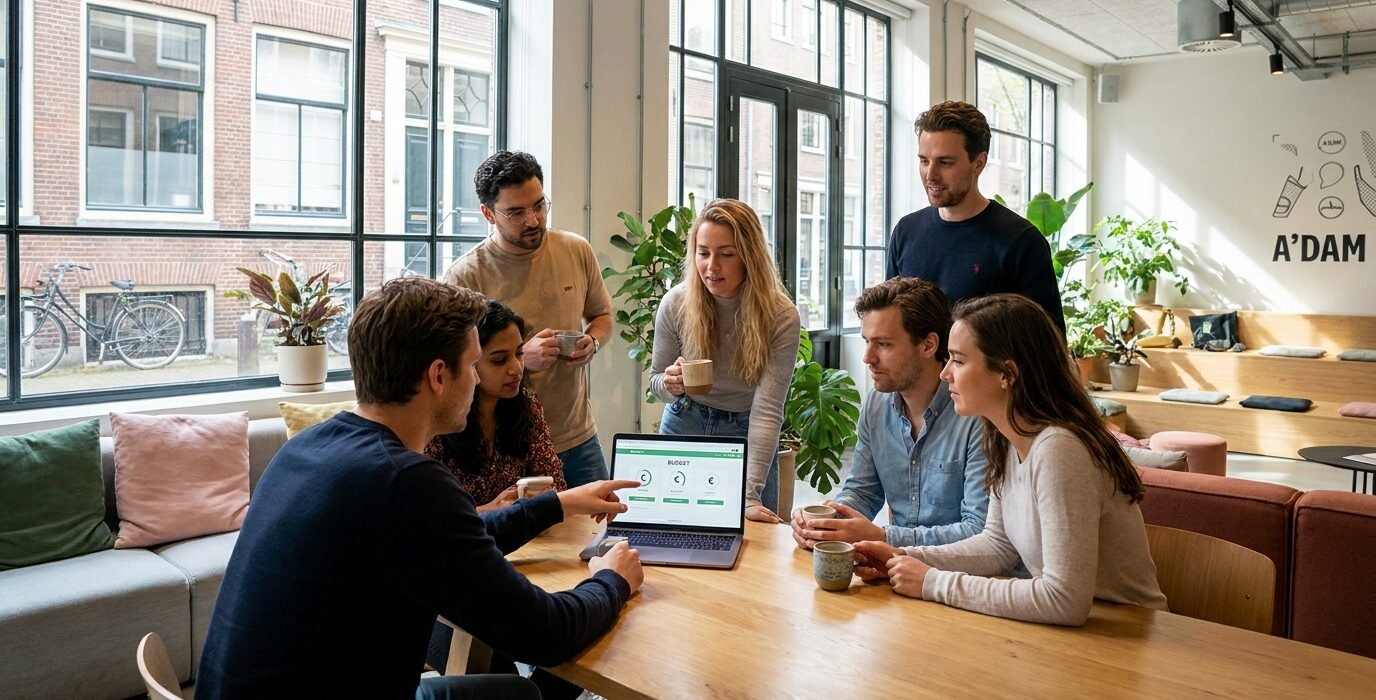
Remember the days of scribbling expenses in a worn-out notepad? For many Dutch millennials, that era feels as distant as dial-up internet. Today, their financial battleground is increasingly digital. Budgeting apps are becoming indispensable allies. These aren’t just glorified spreadsheets. They are sophisticated tools designed to offer clarity and control. This is crucial in a confusing economic climate. Apps like ‘Grip’, popular in the Netherlands for its user-friendly interface, allow users to link their bank accounts. They automatically categorise spending. Suddenly, that €5 coffee from Starbucks or the weekly trip to the Jumbo supermarket isn’t just a blur of expenditure. It’s a data point that contributes to a broader financial picture.
What makes these apps so compelling for this demographic? It’s the instantaneous feedback loop. You can see, in real-time, how much you’ve spent on dining out versus essential groceries. This immediate visibility is a powerful motivator. For someone like Mark de Vries, a 28-year-old software developer in Eindhoven, it transformed his relationship with money. “I used to just ‘feel’ like I was overspending on impulse buys,” Mark explains. “Now, Grip shows me I spent €200 on takeaway last month. That’s a stark number. It makes me think twice before ordering pizza again.” This kind of direct, data-driven insight helps curb impulsive behaviour. It fosters a more conscious approach to spending.
Beyond simple tracking, many of these apps offer advanced features. They can set spending limits for different categories. They send alerts when you’re approaching them. Some even provide personalized savings tips based on your spending habits. For instance, if an app notices you’re spending a significant amount on streaming services, it might suggest consolidating subscriptions or exploring cheaper alternatives. This proactive, almost ‘coaching’ element is a major draw. It’s like having a mini financial advisor in your pocket. Available 24/7. The goal isn’t just to save money. It’s to build healthier financial habits that can withstand the pressures of inflation. These digital tools are empowering millennials to take back control. One transaction at a time.
The Investment Renaissance: Beyond the Savings Account
For a generation that grew up witnessing the 2008 financial crisis and the subsequent low-interest rate environment, traditional savings accounts often felt like a losing proposition. With inflation now eroding purchasing power at an alarming rate, the allure of simply parking money in a bank account has completely vanished. Dutch millennials are actively seeking out investment strategies that offer the potential for growth. This is even amidst economic uncertainty. They understand that to outpace inflation, their money needs to be put to work. It can’t just sit idle. This has led to a surge in interest in various asset classes. From stocks and bonds to the more volatile world of cryptocurrencies.
One of the most accessible entry points for many has been low-cost index funds and ETFs (Exchange Traded Funds). Platforms like DEGIRO and BUX have made it incredibly easy for individuals to start investing. This can be done with relatively small amounts. These funds offer diversification. They spread investment across hundreds or even thousands of companies. This reduces individual stock risk. For a 29-year-old teacher in Groningen, named Eva, this was a revelation. “I always thought investing was for rich people with stockbrokers,” Eva admitted. “But then I learned about ETFs. I started with a small amount, just €50 a month, and it felt empowering.” It’s a long-term game. But it’s better than watching savings lose value to inflation. This democratisation of investing is a significant shift.
The appeal of ETFs lies in their simplicity and transparency. You know what you’re investing in. The fees are generally very low. This aligns perfectly with the millennial desire for efficiency and clear value. They are not looking for complex financial products. They want straightforward, effective ways to grow their wealth. This has also led to increased interest in sustainable investing, or ESG (Environmental, Social, and Governance) funds. Many young Dutch investors want their money to align with their values. They invest in companies that demonstrate strong ethical and environmental practices. This adds another layer to their investment strategy. Not just financial returns, but also positive societal impact. It’s a holistic approach to wealth building.
Crypto and the Quest for Digital Wealth
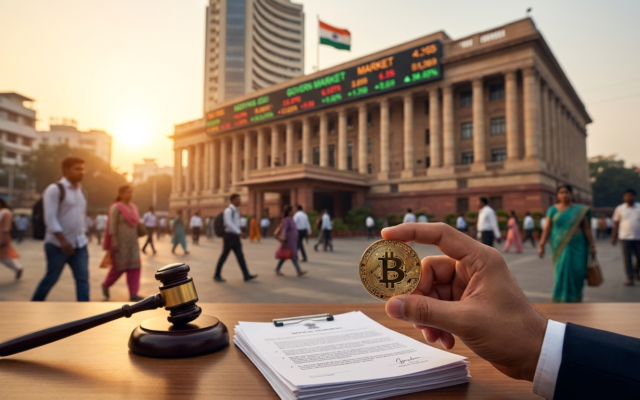
While ETFs and index funds represent a more traditional, albeit modern, approach to investing, a significant portion of Dutch millennials are also venturing into the more speculative realm of cryptocurrencies. Bitcoin, Ethereum, and a myriad of other digital assets have captured their imagination. They offer the promise of high returns and a decentralised financial future. This fascination isn’t just about chasing quick profits. For many, it’s about embracing a new technological paradigm. They seek an alternative to traditional financial systems. These systems are perceived as slow, opaque, and susceptible to inflation. The allure of blockchain technology and its potential to disrupt established industries is a powerful draw.
The Dutch crypto landscape has seen rapid growth. Exchanges like Bitvavo, a prominent Dutch platform, have made it relatively easy for individuals to buy and sell cryptocurrencies. However, the inherent volatility of this market means that caution is paramount. We spoke with Jasper, a 25-year-old freelance graphic designer in Maastricht, who has been actively involved in crypto for the past three years. “I’ve seen my investments go up and down dramatically,” Jasper said, eyes bright with enthusiasm. “You have to be prepared for the rollercoaster. I only invest what I can afford to lose, but the potential is incredible. It feels like being part of the future.” This sentiment, while common, highlights the high-risk, high-reward nature of crypto investments.
It’s crucial to understand that for most Dutch millennials exploring crypto, it’s a small, speculative part of their overall investment portfolio. They are not typically betting their entire life savings on Dogecoin. Instead, they allocate a portion of their disposable income. This is often after ensuring their emergency fund is solid. They also ensure they have some exposure to more traditional assets. This is a testament to their growing financial literacy. They are aware of the risks. They are attempting to mitigate them through diversification and responsible investing practices. This is true even in an asset class as unpredictable as cryptocurrency. The digital gold rush is on. But it’s being navigated with a cautious, albeit optimistic, eye.
The Power of the ‘Budget Buddy’ and Financial Literacy
Beyond sophisticated apps and speculative investments, a more fundamental shift is occurring: the rise of conscious spending and improved financial literacy. Dutch millennials are actively seeking out knowledge and sharing strategies. They are creating a supportive ecosystem for navigating their financial challenges. This isn’t just about individual efforts. It’s about collective learning and mutual encouragement. The concept of a “budget buddy” – a friend or family member with whom you openly discuss finances and hold each other accountable – is gaining traction. This informal accountability can be incredibly powerful. It helps in sticking to savings goals or avoiding impulse purchases.
Online communities, from Reddit forums like r/DutchFIRE (Financial Independence, Retire Early) to Instagram influencers sharing budgeting tips, are playing a significant role. These platforms provide a space for open discussion. Individuals can share their successes and failures without judgment. For example, a young couple in Rotterdam might post about how they managed to save an extra €300 this month by cutting back on subscription services. They receive dozens of practical tips from others. This collaborative spirit is a hallmark of the generation. They are not afraid to ask for help or share their experiences. They are fostering a culture of shared financial growth.
Furthermore, there’s a growing demand for accessible financial education. While the Dutch education system provides some basic financial knowledge, many millennials feel it’s not enough. They can’t tackle the complexities of modern finance. They are actively seeking out workshops, online courses, and books on personal finance, investing, and wealth management. The focus is on practical, actionable advice. This advice can be implemented immediately. This drive for knowledge is crucial. It’s about empowering themselves with the understanding needed to make informed decisions. Whether that’s choosing the right mortgage, understanding tax implications, or simply creating a realistic monthly budget that accounts for rising costs. It’s a proactive approach to securing their future. One lesson at a time.
Beyond the Balance Sheet: A Shift in Financial Values
The current economic climate in the Netherlands is doing more than just impacting bank balances. It’s prompting a deeper reflection on financial values. For Dutch millennials, the pursuit of wealth is increasingly intertwined with a desire for security, balance, and a life lived with purpose. The traditional ‘rat race’ is being re-evaluated. While financial stability is undoubtedly a primary goal, it’s no longer the only goal. There’s a growing emphasis on achieving work-life balance. Investing in experiences rather than just material possessions. Contributing to a more sustainable future. This philosophical shift influences their financial decisions significantly.
Consider the rise of the ‘FIRE’ movement (Financial Independence, Retire Early) within the Netherlands. While not everyone aims to retire by 40, the underlying principles of aggressive saving, smart investing, and mindful spending resonate deeply. It’s about gaining control over one’s time and life choices. It’s not about being dictated by financial necessity. This generation is willing to delay gratification for long-term freedom. They might choose a less lucrative but more fulfilling career path. Or they might opt for a smaller, more energy-efficient home to reduce expenses and environmental impact. These are conscious choices driven by a broader set of values.
The pandemic also played a role in this re-evaluation. Suddenly, the importance of health, family, and personal well-being came into sharp focus. For many, this translated into a desire to build financial resilience. This is not just for a comfortable retirement. It’s for the ability to weather unforeseen circumstances. It’s for the flexibility to pursue passions. This might involve saving for a sabbatical, starting a side business, or simply having the peace of mind that comes from a robust emergency fund. It’s a holistic approach to financial well-being. Money is a tool to facilitate a life aligned with personal values. It is not an end in itself. This nuanced perspective is shaping their money hacks for a more secure and meaningful future.