Key Takeaways
- Discover serene Kodaikanal for its mist-laden valleys and pristine lakes, ideal for a tranquil escape.
- Explore Shimla and Manali for a blend of colonial charm and adventure, perfect for families and thrill-seekers.
- Experience the unique spiritual ambiance and stunning vistas of Dharamshala and McLeod Ganj.
- Consider the offbeat charm of Chikmagalur for coffee plantations and lush green landscapes, offering a different kind of mountain experience.
- Learn about the best times to visit each location to maximize your enjoyment and avoid peak crowds or monsoon challenges.
Kodaikanal: The Princess of Hill Stations
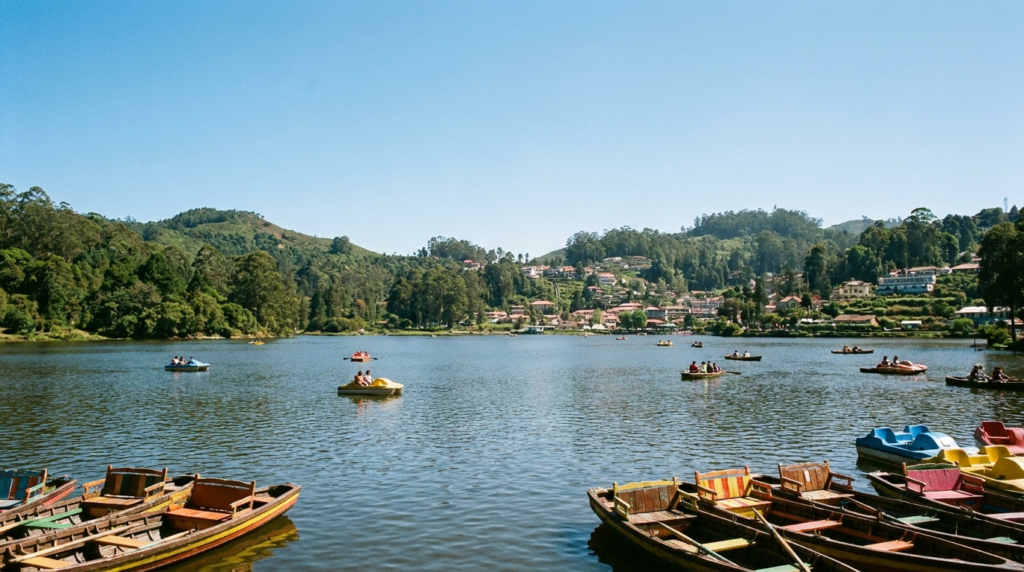
As the monsoon showers of 2026 begin to recede, the Southern hills beckon with their refreshing embrace. Kodaikanal, nestled in the Palani Hills of Tamil Nadu, stands as a perennial favourite for those seeking solace amidst nature’s grandeur. Known as the “Princess of Hill Stations,” its charm lies in its mist-covered slopes, emerald valleys, and the tranquil Kodaikanal Lake, a picturesque star-shaped body of water right in the heart of the town. You can rent a rowboat or a pedal boat here, soaking in the cool mountain air.
Beyond the lake, the Bryant Park offers a riot of colours with its vibrant flower shows, particularly during the summer months. Coaker’s Walk provides breathtaking panoramic views, especially at sunrise and sunset, where you can often see clouds swirling below. For the more adventurous, the Dolphin’s Nose viewpoint offers a challenging yet rewarding trek, leading to a flat rock projecting over a chasm, giving you a bird’s-eye view of the surrounding landscape. The Silver Cascade waterfall, a popular stop on the way to Kodaikanal, adds to the region’s natural allure. Planning your visit between September and October will offer pleasant weather, with the post-monsoon greenery at its peak. This period avoids the intense summer crowds and the heavy monsoon rains.
Shimla & Manali: Himachal’s Crown Jewels
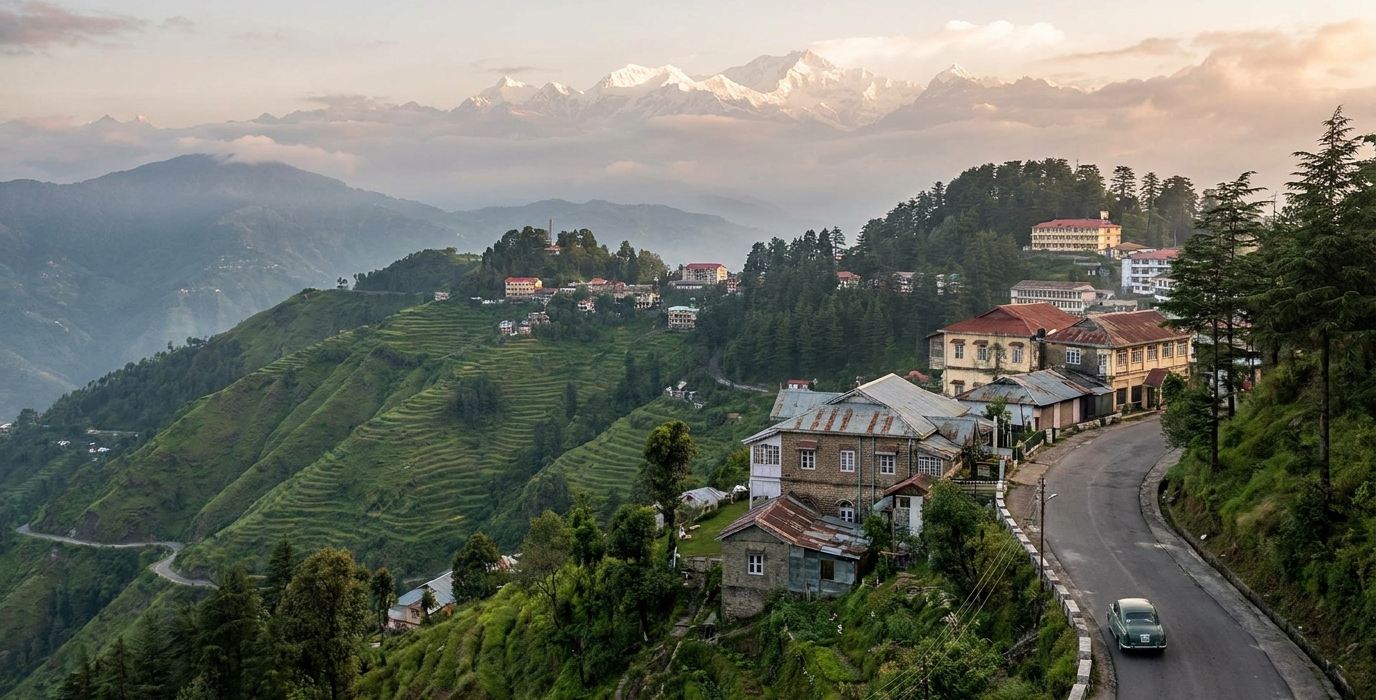
Moving north, Himachal Pradesh’s twin gems, Shimla and Manali, continue to draw visitors with their distinct flavours of mountain retreats. Shimla, the former summer capital of British India, retains its colonial allure with grand old buildings, the iconic Ridge, and the bustling Mall Road. A leisurely stroll along the Mall Road in the crisp 2026 air, perhaps stopping for some piping hot *aloo tikki* or *patiala shahi lassi*, is an experience in itself. The Shimla toy train, a UNESCO World Heritage site, offers a charming journey from Kalka, winding through picturesque valleys and tunnels – a must-do for any visitor.
Manali, further north, offers a more rugged, adventure-oriented experience. Its proximity to the Rohtang Pass and Solang Valley makes it a hub for adventure sports. You can try paragliding in Solang Valley, with the majestic Himalayas as your backdrop, or embark on a thrilling jeep safari. The ancient Hadimba Devi Temple, with its unique pagoda-style architecture, is a significant cultural landmark. For those seeking a spiritual interlude, the Vashisht village, known for its hot springs and temple, offers a peaceful respite. The best time to visit Shimla is April to June for pleasant summers and September to November for clear skies and pleasant autumn weather. For Manali, March to May is ideal for pleasant weather and early summer blooms, while October to February offers snow-capped landscapes for winter sports.
Dharamshala & McLeod Ganj: A Haven of Peace and Spirituality
For a different kind of mountain experience, one that blends breathtaking natural beauty with profound spiritual serenity, Dharamshala and its upper enclave, McLeod Ganj, are unparalleled. This region is renowned as the seat of His Holiness the Dalai Lama and the home of the Tibetan government-in-exile. The vibrant Tibetan culture is palpable, from the prayer flags fluttering in the wind to the aroma of incense wafting from monasteries. The Tsuglagkhang Complex, the official residence of the Dalai Lama, is a central point of pilgrimage and reflection for many.
Exploring the narrow, winding lanes of McLeod Ganj, you’ll find numerous cafes offering delicious Tibetan cuisine, alongside shops selling intricate handicrafts and Buddhist artifacts. The Bhagsu Waterfall, a short trek away, provides a refreshing natural escape. The Kangra Art Museum in Dharamshala offers insights into the region’s rich artistic heritage. For a truly unique experience, consider attending a meditation session or a Buddhist philosophy talk. The weather here is generally pleasant from March to June and again from September to November. However, be prepared for cooler temperatures and potential snowfall if you visit during the winter months of December to February, which can be quite beautiful for those seeking a snowy retreat.
The Unique Charm of the Kangra Valley
Beyond the immediate vicinity of McLeod Ganj, the broader Kangra Valley unfolds with its own set of attractions. The ancient Kangra Fort, a majestic structure perched atop a hill, offers a glimpse into the region’s historical significance and provides sweeping views of the surrounding valleys. While much of it was damaged in an earthquake, its ruins still evoke a sense of grandeur. The Norbulingka Institute, dedicated to preserving Tibetan arts and culture, is another gem, offering workshops, a museum, and a serene environment. The valley’s agricultural landscape, dotted with tea gardens and pine forests, adds to its idyllic charm.
Chikmagalur: The Coffee Country’s Embrace
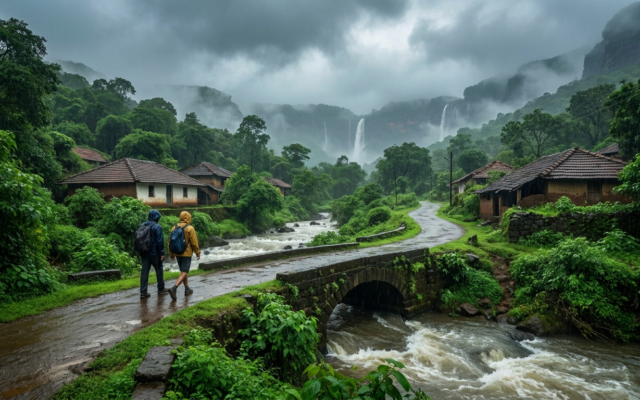
Venturing into the Western Ghats of Karnataka, Chikmagalur offers a distinctively lush and aromatic hill station experience. Famous for its sprawling coffee plantations, this region is a paradise for nature lovers and coffee aficionados alike. The rolling hills carpeted with coffee shrubs and interspersed with spice gardens create a breathtaking vista. You can often arrange plantation tours where you learn about the coffee-making process, from bean to cup, and sample some of the finest locally grown coffee. The cool, misty weather makes it an ideal escape from the plains.
The Mullayanagiri Peak, the highest in Karnataka, offers challenging trekking routes and panoramic views that stretch for miles. The Baba Budangiri range, with its sacred shrines and beautiful landscapes, is another popular destination. For a more relaxed experience, the serene waters of the Hirekolale Lake, surrounded by hills, provide a perfect spot for picnics and quiet contemplation. The waterfalls, such as the stunning Hebbe Falls, add to the natural beauty of the region. The best time to visit Chikmagalur is from September to March, when the weather is pleasant, and the aroma of coffee fills the air. The monsoon season, from June to August, also brings a vibrant green to the landscape, making it beautiful but potentially challenging for travel.
Beyond Coffee: Waterfalls and Wildlife
While coffee is king, Chikmagalur also boasts impressive natural attractions. The waterfalls here are particularly noteworthy. Hebbe Falls, a two-tiered cascade, plunges into the forest, and the sheer force and beauty of the water are mesmerizing. Kemmanagundi, a beautiful hill station within the region, offers stunning viewpoints and well-maintained gardens. For wildlife enthusiasts, the Bhadra Wildlife Sanctuary is nearby, offering opportunities to spot elephants, tigers, and various bird species in their natural habitat.
Nainital: The Lake District of Kumaon
Back in the North, in the Kumaon region of Uttarakhand, Nainital presents a captivating blend of natural beauty and colonial charm. Dominated by the stunning Naini Lake, shaped like an eye, the town offers a tranquil setting for boating and leisurely walks along the Mall Road. The surrounding hills provide a dramatic backdrop, and cable car rides up to Snow View Point offer breathtaking panoramic vistas of the Himalayas, including Nanda Devi, the third-highest mountain in India. This viewpoint is a must-visit for its sheer grandeur.
The Naina Devi Temple, situated on the northern shore of the lake, is a significant pilgrimage site. For those seeking a quieter experience, the nearby lakes of Sattal (seven lakes) and Bhimtal offer serene escapes from the main town’s bustle. You can explore these pristine water bodies by boat or simply enjoy the tranquility of their surroundings. The Flatts, a flat expanse of land overlooking the lake, is a popular spot for evening strolls and local gatherings. Nainital experiences pleasant weather from March to June, making it ideal for outdoor activities. The autumn months of September and October also offer clear skies and pleasant temperatures, with vibrant foliage.
The allure of India’s hill stations lies not just in their breathtaking landscapes, but in the diverse experiences they offer – from colonial charm and spiritual retreats to adventure sports and the simple pleasure of breathing in fresh mountain air.
Ooty: The Queen of the Nilgiris
Concluding our tour in the South, the Nilgiris boast Ooty, a beloved hill station with a rich colonial past and stunning natural beauty. Famous for its tea gardens, eucalyptus forests, and lush green landscapes, Ooty offers a refreshing escape. The Ooty Lake, another popular spot for boating, is surrounded by hills and offers a picturesque setting. The Botanical Gardens, established in 1848, are a horticultural marvel, showcasing a vast array of exotic plants, flowers, and a fossilized tree trunk dating back millions of years.
The Nilgiri Mountain Railway, a UNESCO World Heritage site, is a charming toy train that chugs its way up the mountains from Mettupalayam, offering spectacular views and a nostalgic journey. For panoramic vistas, the Doddabetta Peak, the highest point in the Nilgiris, provides a commanding view of the surrounding hills and valleys. The Tea Museum offers an interesting insight into the history and process of tea cultivation in the region. The best time to visit Ooty is April to June for pleasant weather, ideal for exploring the gardens and lakes. The September to November period also offers pleasant conditions with fewer crowds.
A Unique Botanical Heritage
The Government Botanical Gardens in Ooty are a testament to the region’s rich biodiversity. Spread over 55 acres, these gardens are meticulously maintained and feature a stunning variety of flora. The highlight for many is the fossilized tree trunk, estimated to be 20 million years old, preserved here. The annual flower show, usually held in May, transforms the gardens into a breathtaking spectacle of colours and fragrances, attracting visitors from far and wide.
Frequently Asked Questions
What is the best time to visit Indian hill stations in 2026?
The best time to visit most Indian hill stations is generally during the spring (March to June) and autumn (September to November). However, this can vary. For example, Shimla and Manali are pleasant from April to June and again in September-October. Kodaikanal and Ooty are best from April to June and September-November. Dharamshala enjoys pleasant weather from March to June and September to November. Chikmagalur is ideal from September to March. Always check the specific weather patterns for your chosen destination closer to your travel date.
Are Indian hill stations safe for solo female travellers in 2026?
Yes, most popular Indian hill stations are generally safe for solo female travellers, especially during peak tourist seasons. However, it’s always advisable to take standard safety precautions: stay in well-reviewed accommodations, avoid walking alone late at night in isolated areas, and be aware of your surroundings. Many travellers report positive and safe experiences in places like Shimla, Manali, Kodaikanal, and Ooty.
What are the most budget-friendly hill stations in India for 2026?
While “budget-friendly” can be subjective, some hill stations tend to be more affordable than others. Dharamshala, with its guesthouses and local eateries, can be quite economical. McLeod Ganj also offers budget accommodation options. For Chikmagalur, staying in homestays away from the main tourist hubs can reduce costs. Generally, travelling during the shoulder seasons (just before or after peak season) can also lead to significant savings on accommodation and transport.
Do I need to book accommodation and transport in advance for 2026?
It is highly recommended to book accommodation and transport in advance, especially if you plan to travel during peak seasons or to popular destinations like Shimla, Manali, or Ooty. For 2026, with increased travel interest, booking at least 1-2 months in advance for popular dates will ensure you get the best options and prices. For off-season travel or less-visited spots, you might have more flexibility, but advance booking is still a wise precaution.