Key Takeaways
- Delhi’s air quality is showing signs of improvement in 2026, driven by a multi-pronged strategy focusing on cleaner transport and industrial emissions.
- Significant advancements have been made in electric vehicle adoption and the phasing out of older, polluting vehicles, directly impacting vehicular emissions.
- Stricter regulations and technological upgrades are being enforced on industries, with a noticeable reduction in particulate matter and other pollutants.
- Public awareness campaigns and citizen-led initiatives are playing a crucial role, fostering a collective responsibility for cleaner air.
Delhi’s Air: A Breath of Fresh Hope in 2026
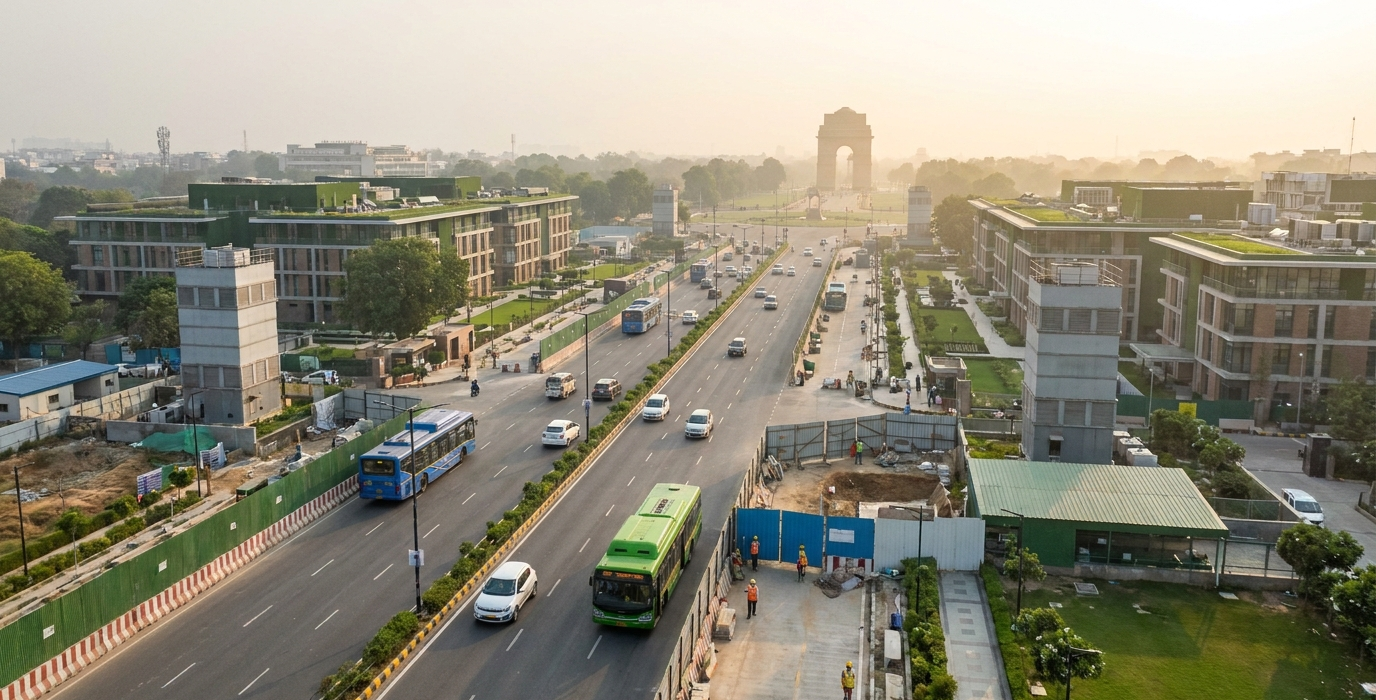
The air we breathe in Delhi, a perennial concern for millions, is finally showing a tangible, albeit gradual, improvement in 2026. After years of battling alarming pollution levels, a concerted effort involving stringent policy implementation, technological innovation, and increased public participation is beginning to yield positive results. We are witnessing a shift from a crisis management approach to a sustained strategy for cleaner air, impacting everything from our morning commutes to the long-term health of our city. This isn’t just about meeting international standards; it’s about reclaiming the simple joy of breathing clean air in our vibrant capital.
This evolving landscape of Delhi’s air quality is a testament to the persistence of environmental agencies and the growing awareness among its citizens. From the bustling markets of Chandni Chowk to the residential enclaves of South Delhi, the impact is becoming noticeable. While challenges remain, the current trajectory offers a beacon of hope, underscoring the potential for significant positive change when collective will meets effective policy. We’ll delve into the specific measures that are making a difference and what this means for you.
The Electric Surge: Revolutionising Delhi’s Transport Sector
One of the most impactful strategies in 2026 has been the aggressive push towards electrifying Delhi’s transport. We’ve seen a dramatic increase in the adoption of electric vehicles (EVs), from private cars to public buses and auto-rickshaws. The Delhi government’s ambitious targets for EV sales penetration are not just figures on a report; they are translating into fewer tailpipe emissions clogging our streets. The incentives offered, coupled with the expanding charging infrastructure across the city, have made EVs a more viable and attractive option for many residents.
The Delhi Transport Department has been at the forefront of this transformation, implementing policies that favour cleaner mobility. The phased retirement of older, polluting vehicles has also played a significant role. As more diesel and petrol vehicles are phased out, the overall vehicular pollution burden is demonstrably decreasing. This isn’t just about new vehicles; it’s about a systemic shift in how we move around our city. The visible reduction in smoky exhaust fumes is a direct consequence of these sustained efforts.
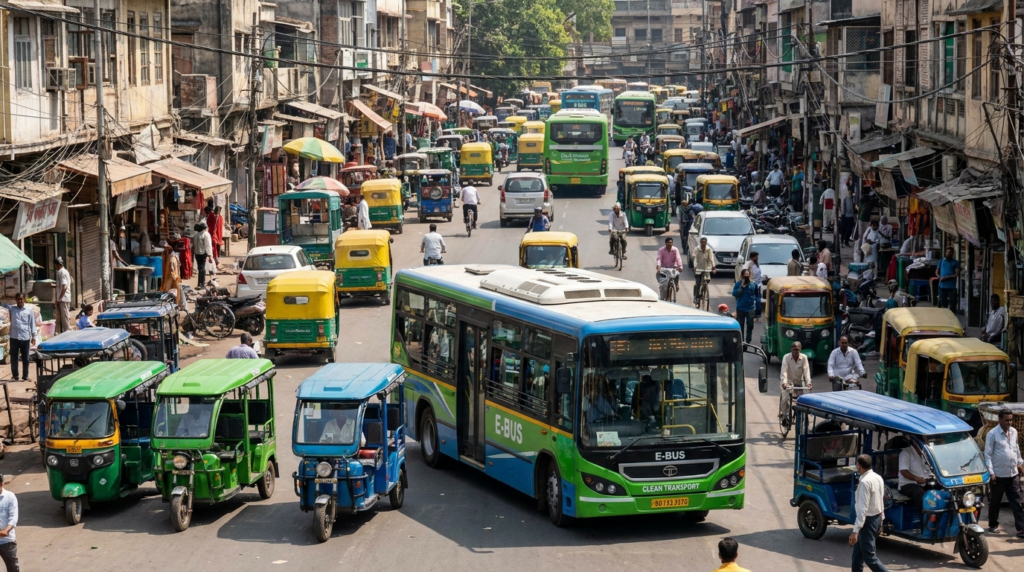
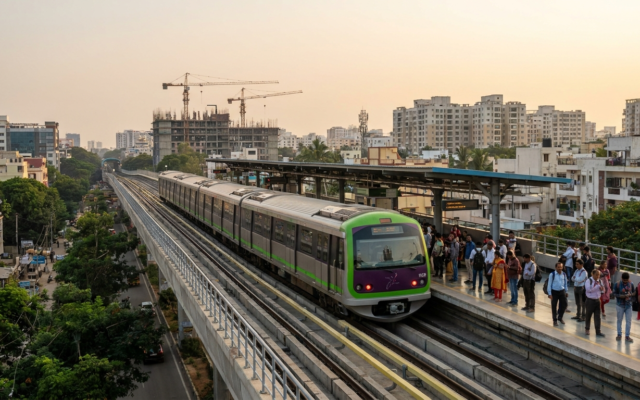
Beyond private ownership, the Delhi Transport Corporation (DTC) has significantly expanded its fleet of electric buses, making public transport a much cleaner and more appealing option. This move alone has a substantial impact on reducing the city’s carbon footprint and improving local air quality. The widespread availability of these eco-friendly buses ensures that even those who don’t own an EV can contribute to a cleaner environment through their daily commute. We are seeing a tangible difference in air quality, especially in areas with high traffic density.
Industrial Overhaul: Taming the Smoke Stacks
The industrial sector, a significant contributor to Delhi’s air pollution, has also been under intense scrutiny and regulatory pressure in 2026. Stricter norms for emissions from brick kilns, factories, and power plants are being rigorously enforced. Many industrial units have been mandated to adopt cleaner technologies and fuel sources, moving away from coal and other highly polluting materials. This includes the installation of advanced pollution control devices and regular monitoring of their emissions.
The Central Pollution Control Board (CPCB) has been actively involved in overseeing these changes, ensuring compliance and penalising non-adherent units. The focus has been on reducing particulate matter (PM2.5 and PM10) and harmful gases like sulphur dioxide and nitrogen oxides. This industrial overhaul is critical for long-term air quality improvement, as these emissions can travel long distances and contribute to the overall smoggy conditions. The shift towards cleaner industrial practices is not just an environmental imperative but also a health necessity.
A surprising development in this sector has been the increased adoption of waste-to-energy plants by some industries. These plants not only help in managing urban waste but also produce energy with significantly lower emissions compared to traditional methods. This dual benefit makes them an attractive and sustainable solution, contributing to both waste reduction and cleaner air initiatives. The push for cleaner fuels like piped natural gas (PNG) has also gained momentum, replacing more polluting alternatives in industrial processes. You can find detailed emission standards and guidelines on the Central Pollution Control Board website.
The Role of Technology and Monitoring
Advanced monitoring systems are now in place to track industrial emissions in real-time. This data-driven approach allows authorities to quickly identify and address any violations. Furthermore, the push for cleaner technologies has spurred innovation, with many industries investing in research and development to find more efficient and eco-friendly production methods. This proactive approach, rather than reactive enforcement, is proving to be more effective in achieving sustainable pollution reduction.
Greening Delhi: The Power of Parks and Green Cover
Beyond industrial and vehicular controls, a concerted effort to enhance Delhi’s green cover is playing a vital role in improving air quality. The Delhi government and various civic bodies have initiated large-scale tree plantation drives across the city. These initiatives are not limited to creating new parks but also focus on increasing greenery along roadsides, in residential areas, and on public lands. Trees act as natural air filters, absorbing pollutants and releasing oxygen, making them indispensable allies in the fight against air pollution.
The focus in 2026 has been on planting native species that are well-suited to Delhi’s climate and require less water, ensuring the sustainability of these green initiatives. These trees help in reducing ambient temperatures, thereby mitigating the urban heat island effect, and also act as a barrier against wind-borne dust. The expansion and maintenance of existing green spaces, such as the Ridge and the Sanjay Van, are also being prioritised. These large green lungs are crucial for the city’s ecological health.
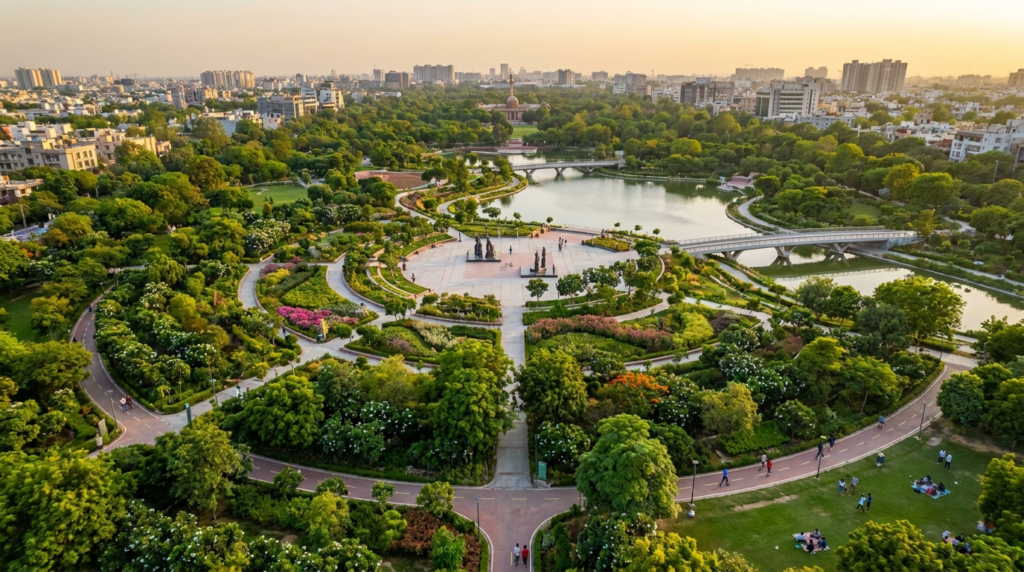
Furthermore, initiatives to promote urban farming and rooftop gardens are gaining traction. While these may seem small individually, collectively they contribute to micro-climates that can improve local air quality and reduce the urban heat island effect. These green pockets also provide spaces for community engagement and offer a welcome respite from the concrete jungle. The Delhi Development Authority (DDA) has also been instrumental in developing and maintaining large recreational parks, which are vital for the city’s environmental well-being. For information on urban greening projects and their impact, you can refer to resources from the Delhi Forest Department.
Waste Management: From Landfills to Cleaner Solutions
The way Delhi manages its waste has a direct impact on air quality, particularly concerning open burning and landfill emissions. In 2026, significant strides are being made in improving waste segregation at source and promoting scientific waste disposal methods. The implementation of stricter rules against the open burning of garbage, a common sight in many parts of the city, is being enforced more stringently. This practice releases a cocktail of harmful pollutants into the atmosphere, significantly worsening air quality.
The Delhi Municipal Corporation (MCD) has been working on enhancing waste collection and transportation systems, ensuring that waste reaches designated processing facilities rather than informal dumpsites. Increased emphasis is being placed on composting and recycling, diverting a substantial portion of waste from landfills. This not only reduces the volume of waste but also mitigates the release of methane, a potent greenhouse gas, from decomposing organic matter. We are seeing a more organised approach to waste management across the city.
A remarkable innovation in this area is the increased use of waste-to-energy plants. These plants process non-recyclable waste and convert it into electricity, thereby reducing the reliance on landfills and generating a valuable resource. While these plants have their own environmental considerations, when operated with advanced pollution control technologies, they offer a cleaner alternative to traditional waste disposal. The success of these plants in cities like Okhla and Ghazipur signifies a shift towards more sustainable waste management practices. The Delhi government’s policies on waste management are detailed on their Environment Department website.
The Challenge of Legacy Waste
Despite these advancements, the challenge of legacy waste at existing landfill sites remains a significant hurdle. However, plans are in motion to remediate these sites, reducing their environmental impact. This involves scientific techniques to manage and extract resources from the accumulated waste, a complex but necessary undertaking for long-term environmental health.
Public Awareness and Citizen Participation: The Driving Force
Perhaps the most encouraging aspect of Delhi’s air quality improvement in 2026 is the heightened public awareness and active citizen participation. Campaigns by the Delhi government, environmental NGOs, and grassroots organisations have effectively educated residents about the causes and consequences of air pollution. This has led to a greater sense of collective responsibility and a willingness to adopt cleaner practices in daily life. From choosing public transport to reducing personal energy consumption, citizens are actively contributing.
The “Odd-Even” vehicle rationing scheme, when implemented, has consistently shown a positive impact on reducing vehicular emissions. While not a permanent solution, its periodic application serves as a stark reminder of the impact of individual choices on collective air quality. Beyond government initiatives, citizen-led groups are actively monitoring local air quality, organising clean-up drives, and advocating for policy changes. This bottom-up approach is crucial for sustained environmental action.
A surprising yet powerful trend is the rise of “Air Quality Warriors” – individuals and community groups who are actively involved in planting trees, promoting composting, and educating their neighbours. These local champions are instrumental in driving change at the ground level. Their efforts, though small individually, create a ripple effect, fostering a culture of environmental consciousness. The use of social media and local community platforms to share information and organise events has amplified their reach. We are seeing a real shift in mindset, where environmental stewardship is becoming a part of everyday life for many Delhiites. The The Energy and Resources Institute (TERI) often publishes reports and engages in public outreach on these issues.
“The most significant change we’re witnessing is not just in policy, but in the minds of Delhi’s citizens. When people understand the ‘why’ behind the regulations, they become active participants in the solution, not just passive recipients.”
Looking Ahead: Sustaining the Momentum in 2027 and Beyond
While the progress in 2026 is commendable, sustaining this momentum into 2027 and future years is paramount. The strategies implemented have laid a strong foundation, but continuous vigilance, adaptation, and innovation will be key. This includes further advancements in renewable energy integration, stricter enforcement of environmental laws, and ongoing investment in public transport and green infrastructure. The fight against air pollution is a marathon, not a sprint, and requires sustained commitment from all stakeholders.
The goal is to move beyond seasonal improvements and achieve consistently good air quality throughout the year. This will involve addressing transboundary pollution issues, implementing regional cooperation strategies, and continuing to foster a strong sense of environmental citizenship among the populace. The lessons learned in 2026 provide a robust roadmap for the challenges that lie ahead. We must ensure that the gains made are not reversed and that Delhi continues on its path towards becoming a truly liveable and breathable city for generations to come. The commitment to a cleaner future remains our collective responsibility.
Frequently Asked Questions
What are the main sources of air pollution in Delhi that have been targeted?
The primary sources targeted in 2026 include vehicular emissions, industrial pollution, dust from construction and roads, and the burning of waste and agricultural residue. Significant efforts have been made to reduce emissions from vehicles through electrification and stricter norms, and from industries through technological upgrades and cleaner fuels.
How has the adoption of electric vehicles contributed to cleaner air?
The increased adoption of EVs directly reduces tailpipe emissions of harmful pollutants like particulate matter and nitrogen oxides. This is a crucial step in improving air quality, especially in densely populated urban areas with high traffic volumes. The expansion of charging infrastructure and government incentives have accelerated this transition.
Are there specific government initiatives in 2026 that citizens can participate in to help improve air quality?
Yes, citizens can participate by adopting public transport or EVs, ensuring proper waste segregation at home, reducing personal energy consumption, and supporting local greening initiatives. Many NGOs and government bodies run volunteer programs and awareness campaigns that offer opportunities for direct involvement.
What are the long-term goals for Delhi’s air quality management?
The long-term goals include achieving consistently good air quality throughout the year, reducing pollution-related health impacts, and becoming a model city for sustainable urban environmental management. This involves continuous policy refinement, technological adoption, and sustained public engagement.