Key Takeaways
- India’s urban population is projected to reach over 500 million by 2026, driven by a significant rural-to-urban migration.
- Key drivers include economic opportunities, better access to education and healthcare, and the lure of a modern lifestyle.
- Metropolitan cities like Delhi, Mumbai, and Bengaluru continue to attract the most migrants, but Tier-2 and Tier-3 cities are also experiencing substantial growth.
- This demographic shift presents both opportunities and challenges for urban infrastructure, employment, and social integration.
The Unstoppable Tide: India’s Urban Surge in 2026
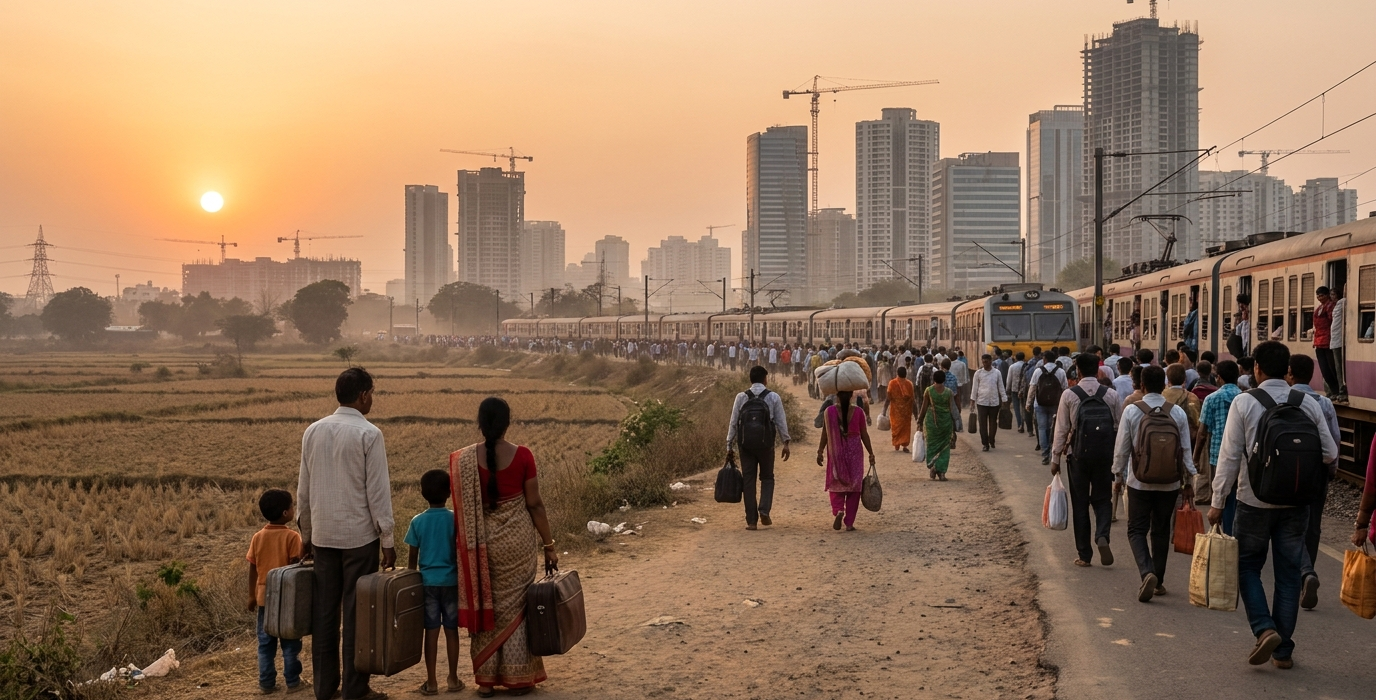
The rhythm of India is changing, and its pulse is increasingly urban. In 2026, we are witnessing a demographic phenomenon of unprecedented scale: the great Indian migration from rural heartlands to bustling cityscapes. Projections indicate that India’s urban population will comfortably cross the 500 million mark this year, a staggering figure that reshapes our understanding of the nation’s socio-economic fabric. This isn’t just a statistical shift; it’s a profound movement of people, dreams, and aspirations. Millions are packing their bags, leaving behind familiar fields and villages for the promise of a different life. The sheer momentum behind this migration suggests it will continue to define India’s development trajectory for years to come.
For decades, the siren song of the city has beckoned. Now, amplified by evolving communication, improved transport links, and a growing awareness of opportunities elsewhere, this call is reaching more ears than ever. The reasons are multifaceted, ranging from the stark realities of agrarian distress to the aspirational pull of modern amenities and better livelihoods. Understanding this colossal human movement is crucial for policymakers, businesses, and indeed, for every Indian trying to navigate this dynamic landscape. It’s about more than just numbers; it’s about the lives being transformed and the cities being reshaped.
We are seeing established metropolises straining under the influx, while smaller cities are rapidly transforming into new hubs of activity. This dynamic creates a complex tapestry of challenges and opportunities. The demand for housing, sanitation, transport, and employment is escalating. Simultaneously, the infusion of diverse talent and perspectives can fuel innovation and economic growth in these urban centres. The narrative of India’s future is, in large part, being written in its rapidly expanding cities.
Economic Aspirations: The Engine of Migration
At the heart of this massive demographic shift lies a powerful engine: the pursuit of economic opportunity. For many in rural India, the agrarian economy, often subject to the vagaries of weather and fluctuating market prices, offers limited avenues for sustainable income growth. The allure of stable employment, even in lower-paying service or manufacturing sectors, in urban areas becomes a compelling alternative. Cities offer a more diverse job market, with opportunities in construction, retail, hospitality, and increasingly, in the burgeoning tech and service industries. This perceived stability and potential for higher earnings are primary motivators.
Consider the case of a young farmer from a village in Uttar Pradesh, where crop yields have been inconsistent. He might hear from a cousin working in a garment factory in Delhi about regular wages and the possibility of sending remittances back home. This personal connection, amplified by widespread mobile phone penetration, makes the prospect of urban employment tangible and achievable. The gap in earning potential, even if perceived rather than always real, is a significant driver. This isn’t about abandoning roots entirely, but about seeking a better livelihood to support families and secure futures.
Furthermore, the informal sector in cities, while often precarious, provides a gateway for many migrants. From street vending to daily wage labour, these jobs, though challenging, offer an immediate source of income, circumventing the need for formal qualifications or extensive networks. The concentration of businesses and industries in urban centres creates a perpetual demand for labour, acting as a powerful magnet for those seeking to escape economic stagnation in their rural homes. We must also acknowledge the aspirational aspect; the city represents not just a job, but a stepping stone to a more comfortable and modern life.
The Digital Bridge: Information and Expectations
The digital revolution has played an unsung yet critical role in fueling this migration. Social media platforms, instant messaging apps, and online job portals have dramatically lowered the information barrier between rural and urban India. Aspirants can now glean insights into city life, job availability, and even accommodation options with unprecedented ease. This accessibility of information shapes expectations and provides a roadmap for those contemplating the move. It allows individuals to make more informed decisions, reducing the perceived risk associated with relocating.
A surprising fact is the extent to which YouTube channels dedicated to “Life in the City” or “Jobs in Delhi/Bengaluru” have become informal career counselling services for many in remote villages. These channels often showcase success stories, offer practical advice on finding work and lodging, and even provide virtual tours of urban environments. They build a narrative of possibility, demystifying the urban experience and making it seem more attainable. This digital dissemination of information is as powerful as any government campaign in driving demographic shifts.
This digital connectivity also fosters a sense of community among migrants. Online groups connect individuals from the same villages or districts, offering mutual support, shared job leads, and advice on navigating the complexities of urban living. This virtual network acts as a crucial social safety net, encouraging more people to take the leap, knowing they won’t be entirely alone in a new and unfamiliar environment. The phone in their pocket has become a lifeline, connecting them to opportunities and to each other.
Beyond Metros: The Rise of Tier-2 and Tier-3 Cities
While the magnetic pull of megacities like Delhi, Mumbai, and Bengaluru remains strong, a significant and growing trend in 2026 is the increasing importance of Tier-2 and Tier-3 cities. These smaller urban centres are no longer merely transit points but are emerging as viable destinations for migrants seeking a balance between opportunity and affordability. Cities like Indore, Coimbatore, and Visakhapatnam are experiencing robust growth, driven by decentralisation efforts, improved infrastructure, and the expansion of industries beyond the traditional metropolitan hubs. This diversification is crucial for managing the pressure on the largest cities.
The appeal of these secondary cities lies in several factors. They often offer a lower cost of living compared to the megacities, making salaries stretch further. While job opportunities might be less varied, they are growing, particularly in manufacturing, IT services, and education. Moreover, the pace of life can be more manageable, with less congestion and a greater sense of community, which can be attractive to families. This offers a middle ground, a compromise between the stark realities of rural life and the overwhelming scale of the metropolises.
Government initiatives focused on developing smart cities and improving connectivity to these smaller urban centres are also playing a pivotal role. The establishment of new industrial corridors, special economic zones, and improved transportation networks makes these cities more attractive for businesses and, consequently, for job seekers. We are seeing a ripple effect, where growth in metropolitan areas spills over into their surrounding regions, creating new economic clusters. This decentralisation is key to more equitable development across India.
Healthcare and Education: The Social Determinants
While economic prospects are often the primary driver, access to better healthcare and educational facilities is a crucial secondary factor influencing the rural-to-urban migration in 2026. Rural areas, particularly in remote regions, often suffer from a deficit in quality healthcare services, with limited access to specialist doctors and advanced medical equipment. The lure of well-equipped hospitals and a higher concentration of medical professionals in cities is a significant draw, especially for families with young children or elderly members.
Similarly, the quest for quality education for children is a powerful incentive for migration. Urban centres boast a wider array of schools, colleges, and vocational training institutes, offering diverse curricula and better learning environments. Parents aspire to provide their children with educational opportunities that can unlock future career paths, a prospect that might be limited in their home villages. This is a long-term investment in the family’s future, and cities represent the best available platform for it.
The availability of specialised educational institutions, such as engineering colleges in Chennai or management institutes in Ahmedabad, attracts not only students but also their families, who may relocate to support their educational journey. This creates a snowball effect, further boosting the urban population. The promise of a healthier and more educated future for their children is a deeply ingrained aspiration that compels many to seek life in the cities, transforming the demographic landscape for generations to come.
Challenges on the Horizon: Urban Strain and Social Integration
This monumental migration, while indicative of aspirations and progress, is not without its significant challenges. The rapid influx of people into urban areas places immense strain on existing infrastructure. Housing shortages are acute, leading to the proliferation of informal settlements and slums, often lacking basic amenities like clean water, sanitation, and electricity. The demand for public transport, healthcare, and educational services far outstrips supply in many rapidly growing urban centres, leading to overcrowding and reduced quality of life for both long-term residents and new migrants.
Furthermore, the social integration of millions of newcomers into established urban communities is a complex undertaking. Cultural differences, language barriers, and competition for resources can sometimes lead to friction and social tensions. Ensuring that migrants are not relegated to the fringes of society but are integrated into the economic and social fabric of the city requires proactive policy interventions and community engagement. Without conscious effort, there’s a risk of creating parallel societies within the same urban space.
The demographic shift is not merely about numbers; it’s about ensuring that every individual arriving in our cities finds not just a job, but dignity, opportunity, and a sense of belonging.
Another critical challenge is the pressure on employment markets. While cities offer more jobs, the competition is also fiercer. Many migrants, particularly those with limited skills, end up in precarious, low-paying jobs in the informal sector, facing exploitation and lack of social security. Creating inclusive employment opportunities and ensuring fair labour practices are paramount. The sustainability of this urban growth hinges on our ability to manage these pressures effectively and create cities that are not just growing, but are also inclusive and liveable for all.
Navigating the Future: Policy and Planning Imperatives
As India continues its urbanisation journey in 2026 and beyond, effective policy and strategic planning are not just beneficial but absolutely essential. The government and urban planners face the monumental task of creating cities that can accommodate this burgeoning population while maintaining a reasonable quality of life. This requires a multi-pronged approach, focusing on sustainable urban development, inclusive growth, and robust social infrastructure. Simply managing the influx is not enough; we must actively shape it for the better.
Investing in affordable housing projects and improving the infrastructure in existing informal settlements are critical first steps. Expanding public transport networks, ensuring reliable water and sanitation services, and increasing the capacity of public schools and hospitals are non-negotiable priorities. Decentralising economic opportunities by promoting industries and businesses in Tier-2 and Tier-3 cities can help alleviate pressure on the megacities and foster more balanced regional development. This vision requires long-term commitment and significant investment.
Moreover, policies aimed at social integration and skill development are vital. Vocational training programs tailored to urban job market demands can empower migrants with the skills needed to secure better employment. Community engagement initiatives that foster understanding and collaboration between long-term residents and new arrivals can help build more cohesive urban societies. The future of India is undeniably urban, and how we plan and govern these cities today will determine the prosperity and well-being of millions tomorrow.
| City Tier | Key Characteristics | Migration Draw Factors | Challenges |
|---|---|---|---|
| Tier-1 (Metros) | High population density, major economic hubs, diverse industries, advanced infrastructure (often strained) | Numerous job opportunities (especially in tech/finance), higher education, specialised healthcare, aspirational lifestyle | High cost of living, severe congestion, housing crisis, pollution, intense competition |
| Tier-2 | Moderate population, growing economic activity, developing infrastructure | Emerging job markets (manufacturing/IT), better affordability than Tier-1, improving amenities, often a better work-life balance | Infrastructure still developing, less diverse job options than Tier-1, potential for rapid strain if growth is unmanaged |
| Tier-3 | Lower population, often regional centres, basic infrastructure | Lower cost of living, specific industrial growth, potential for entrepreneurship, closer community ties | Limited job diversity, basic infrastructure, may lack specialised services (healthcare/education) |
Frequently Asked Questions
What is the primary driver of rural-to-urban migration in India in 2026?
The primary driver remains the search for better economic opportunities and livelihoods that are perceived to be more stable and lucrative in urban areas compared to rural economies, especially agriculture. This is amplified by improved access to information about these opportunities.
Are only young people migrating from rural to urban areas?
While young individuals and families often form the largest cohort due to their greater mobility and search for employment or education, migration is a multi-generational phenomenon. Families often relocate together to seek better prospects for all members, including children and elders.
How is technology influencing migration patterns?
Technology, particularly mobile phones and the internet, has significantly lowered information barriers. It allows potential migrants to research job opportunities, understand urban living, and connect with existing migrant networks, making the decision to move more informed and less daunting.
What are the biggest challenges faced by migrants in Indian cities?
The biggest challenges include finding affordable housing, securing stable employment with fair wages, accessing essential services like healthcare and education, and social integration into new urban communities. Many face precarious living and working conditions.