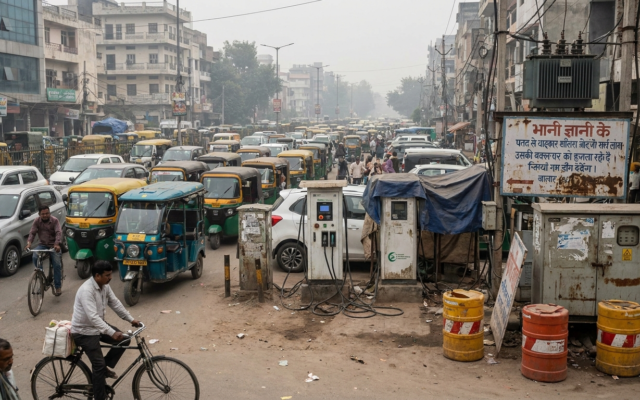
Stepping into the Indian entrepreneurial landscape in late 2026 requires more agility than raw capital, as digital transformation reaches even the smallest tier-three towns. If you have a laptop, a stable internet connection, and a drive to solve specific local problems, you are already halfway to launching a profitable venture.
Key Takeaways
- Low-investment businesses in 2026 prioritize service-based models over inventory-heavy retail.
- Hyper-local niche services, such as AI-assisted content creation and specialized home maintenance, offer the highest margins.
- Leveraging India’s digital public infrastructure, like UPI and ONDC, allows you to scale operations without massive overhead costs.
- Success hinges on personal branding and building trust within your immediate community before expanding.
The Rise of Hyper-Local Service Agencies
The most profitable ventures today do not involve building a physical factory; they involve solving the “convenience gap” in your neighborhood. As urban households in cities like Bengaluru, Pune, and Gurugram become increasingly time-poor, they are outsourcing mundane tasks to professional agencies. You can start a specialized home-cleaning or deep-sanitization service with an initial investment of less than ₹50,000 for equipment and basic marketing.
The key to scaling this is not just the cleaning, but the standardized service delivery. By using a simple booking portal or a WhatsApp Business automation tool, you can manage schedules efficiently. You don’t need a fancy office; you need a reliable team and a reputation for punctuality. According to the Startup India portal, service-sector startups now constitute a significant portion of the country’s new registrations, proving that service-oriented businesses are the backbone of the modern Indian economy.
Focusing on a specific niche—such as post-construction cleanup or luxury upholstery care—allows you to charge a premium. Unlike general housekeepers, specialized service providers are viewed as experts. As you scale, you can transition into a platform model where you vet and manage other local workers, taking a commission on every booking. This asset-light approach ensures that your overheads remain low while your brand value grows.

Profiting from the AI-Content Revolution
Every small business in India is currently rushing to establish a digital footprint, but few have the time or skill to manage their social media presence effectively. As a solopreneur, you can launch a boutique digital marketing agency focused on AI-assisted content creation. With tools that streamline design and copywriting, you can manage the accounts of ten local businesses simultaneously without hiring a massive team.
You should position yourself as a growth partner rather than just a social media manager. Offer services that include short-form video editing for Reels, local SEO optimization, and automated customer engagement. The barrier to entry here is essentially zero, but the demand is massive. Data from the Ministry of Electronics and Information Technology suggests that the digital economy is expanding at an unprecedented rate, creating a vacuum for skilled content strategists who understand the nuances of the Indian consumer.
To succeed, you must move beyond generic posts. Focus on vernacular content that resonates with local audiences. If you are operating in a city like Indore or Coimbatore, creating content in the regional language can significantly increase engagement for your clients. By delivering measurable results—such as increased footfall or direct leads—you turn your service into a necessity rather than an expense.
Personalized Skill-Based Education and Coaching
India remains a country obsessed with upskilling, and the traditional classroom model is rapidly being displaced by personalized, cohort-based coaching. Whether it is teaching coding to school kids, financial literacy to young professionals, or even traditional arts like Carnatic music or pottery, there is a paid audience for every skill. You can start by conducting workshops via video conferencing tools, requiring only a high-quality webcam and a dedicated space.
One surprising fact is that the demand for “soft skill” training, such as public speaking and professional communication, has surged by 40% in non-metropolitan cities over the last year. This creates a massive opportunity for anyone with expertise in these areas. You do not need a degree to teach; you need proof of competence and the ability to simplify complex concepts. Platforms like NPTEL have normalized online learning, making it easier for you to build credibility through certifications or peer reviews.
Structure your courses into tiers to maximize revenue. Offer a free introductory webinar to build trust, followed by a paid intensive bootcamp. By limiting your batch sizes, you ensure quality, which allows you to charge premium prices. This model is highly scalable; once you have a proven curriculum, you can record it as a self-paced course, generating passive income while you focus on mentoring the next cohort.
| Business Type | Initial Investment | Primary Skill Needed | Scaling Potential |
|---|---|---|---|
| Home Maintenance Agency | ₹30,000 – ₹60,000 | Operations Management | High (Franchise Model) |
| AI-Content Agency | ₹5,000 – ₹15,000 | Digital Literacy | Medium (High Margin) |
| Niche Online Coaching | ₹2,000 – ₹10,000 | Subject Expertise | High (Passive Income) |

E-commerce via ONDC and Hyper-local Logistics
If you have a product, you no longer need to pay exorbitant commissions to large e-commerce marketplaces to reach your customers. The Open Network for Digital Commerce (ONDC) has leveled the playing field, allowing small sellers to list their products across various apps without being locked into a single ecosystem. This is a game-changer for home bakers, handicraft makers, and small-batch manufacturers in India.
The secret to success here is hyper-local fulfillment. By focusing on your city or a specific zone, you can minimize logistics costs and ensure lightning-fast delivery. Use local courier aggregators to handle the last mile, and focus your efforts on product quality and customer experience. A surprising fact: India’s retail sector is currently undergoing a shift where “Made in India” artisan products are seeing a 25% year-on-year growth in demand among urban millennials who prioritize sustainability and origin stories.
Build your brand around the narrative of your product. Whether it is handmade soaps from a small unit in Jaipur or organic spices from a farm in Kerala, the story sells as much as the product. Maintain a strong presence on WhatsApp to handle customer queries directly. This personal touch builds brand loyalty that large, faceless corporations simply cannot replicate, ensuring your customers keep coming back.
The Consultancy and Virtual Assistant Industry
As Indian businesses grow, the founders are increasingly overwhelmed by administrative and strategic tasks. You can step in as a Virtual Assistant (VA) or Business Consultant, handling everything from calendar management to market research. This is one of the most flexible low-investment businesses because you are essentially selling your own time and organizational prowess.
Start by targeting small business owners in your professional network. You don’t need a website initially; a well-crafted LinkedIn profile and a clear value proposition are sufficient. As you gain experience, you can specialize in a specific industry, such as real estate, healthcare, or legal services. Specialists command significantly higher hourly rates than generalists, allowing you to earn a full-time income while working fewer hours.
Efficiency is the currency here. Use automation tools to handle repetitive tasks for your clients, such as invoice generation or email follow-ups. By saving your clients time, you become indispensable. Remember that the Reserve Bank of India has streamlined digital payment frameworks, making it easier than ever to receive global and domestic payments instantly, further simplifying the financial side of running a consultancy.
“The best businesses in 2026 are not defined by the capital they hold, but by the friction they remove from the lives of their customers. If you can save someone time, money, or stress, you have built a sustainable engine for profit.”
Final Thoughts: Starting Lean and Scaling Smart
Launching a business in 2026 is less about having a perfect plan and more about executing quickly and iterating based on feedback. Do not fall into the trap of spending your entire savings on branding, office space, or inventory before you have your first paying customer. Start with a Minimum Viable Product (MVP), test your pricing, and listen to what your market is telling you.
Remember that trust is your most valuable asset. In an era of AI-generated everything, the human element—your ability to empathize, communicate, and solve problems—is what will differentiate your business. Whether you are launching a home-service agency or an online coaching program, stay consistent. Growth is rarely a vertical line; it is a series of small, incremental wins that compound over time.
Finally, keep your finances transparent. Even if you are a one-person show, treat your business as a separate legal and financial entity. Use the digital tools available to keep track of your cash flow. By staying lean, remaining agile, and focusing on solving real-world problems, you position yourself to thrive in the dynamic Indian marketplace of 2026 and beyond.
Frequently Asked Questions
How do I register my business if I have no capital?
You don’t need to register as a private limited company immediately. You can start as a sole proprietorship, which requires minimal legal paperwork and can be done through local municipal portals or the Udyam registration portal.
What if my business idea is already saturated?
Saturation is often a sign of high demand. Instead of trying to be the biggest player, aim to be the most specialized player. Find a sub-niche within that market that is currently being ignored by the major brands.
How do I find my first paying customer without spending on ads?
Leverage your existing network through WhatsApp, LinkedIn, and local community groups. Offer an introductory discount or free consultation in exchange for a detailed testimonial. Social proof is far more effective than cold advertising in the early stages.
Is it necessary to have a formal office space?
In 2026, a physical office is an unnecessary cost for most service-based businesses. Use co-working spaces on a need-to-book basis if you need to host professional meetings, or conduct all client interactions virtually.