Key Takeaways
- India’s startup ecosystem is poised for significant growth in 2026, driven by a confluence of digital adoption, government support, and a burgeoning consumer market.
- Expect a continued surge in deep tech and AI-driven innovations, moving beyond consumer-facing apps to address critical industry challenges.
- Sustainability and climate tech are no longer niche; they are becoming central to investment strategies, offering both impact and substantial returns.
- The ‘Bharat’ narrative is maturing, with startups increasingly focusing on Tier 2 and Tier 3 cities, unlocking new markets and catering to diverse needs.
The Resilient Ascent: India’s Startup Ecosystem in 2026
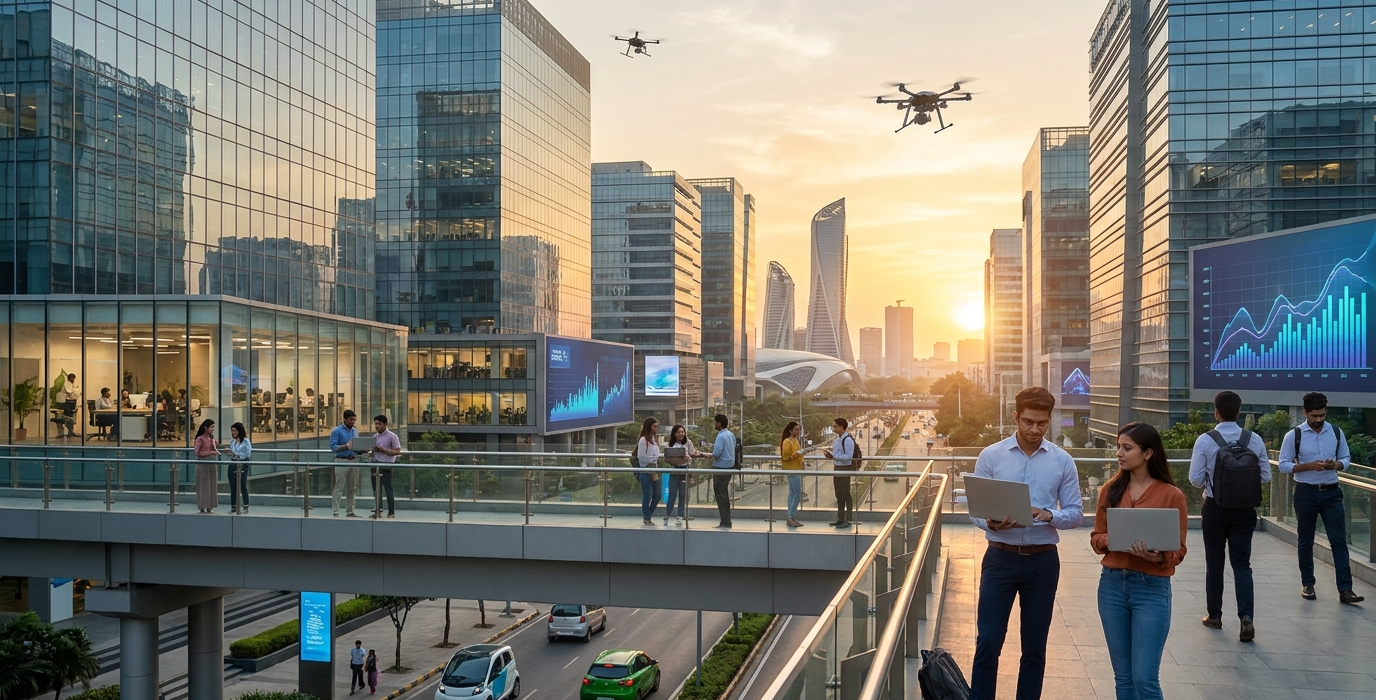
As we stand in the latter half of 2026, the Indian startup ecosystem is not just recovering; it’s charting a course for unprecedented growth. The past few years have been a period of recalibration, but the underlying drivers of innovation and entrepreneurship remain incredibly strong. We are witnessing a paradigm shift, where resilience is being rewarded with renewed investor confidence and a tangible market demand for disruptive solutions.
The digital infrastructure laid over the last decade, coupled with a growing acceptance of online services across all demographics, has created fertile ground. Startups that focused on sustainable business models and genuine problem-solving are now reaping the benefits. This isn’t just about vanity metrics; it’s about building businesses that can weather economic storms and contribute meaningfully to India’s development narrative.
This year, we are seeing a noticeable maturation in the ecosystem. The era of “blitzscaling” at all costs is giving way to a more strategic approach. Founders are prioritising profitability and long-term value creation, a trend that resonates well with both domestic and international investors. The sheer scale of India’s consumer base, combined with increasing disposable incomes, continues to be a powerful magnet for ventures across e-commerce, fintech, and edtech.
The government’s continued emphasis on policy reforms, particularly in areas like ease of doing business and digital India initiatives, provides a supportive backdrop. Schemes like Startup India have evolved, offering more targeted incubation and funding support. This creates a more predictable and encouraging environment for aspiring entrepreneurs looking to launch their ventures.
Navigating the Funding Landscape
Funding, while perhaps not reaching the frenzied highs of 2021, is certainly more discerning and sustainable in 2026. Venture capital firms are looking for companies with clear unit economics and a path to profitability. Early-stage funding remains robust for promising deep tech and impact-focused startups. We’re also seeing a rise in corporate venture capital arms actively seeking strategic investments in innovative technologies.
Deep Tech and AI: The Next Frontier of Innovation
The narrative around Indian startups is rapidly evolving beyond consumer-facing applications. In 2026, the spotlight is firmly on deep tech and artificial intelligence (AI). We are moving past the novelty phase and into an era where AI is being integrated into the core of businesses, solving complex challenges across sectors like healthcare, manufacturing, and agriculture.
Consider the advancements in AI-powered diagnostics for rural healthcare. Startups are developing tools that can assist local health workers in identifying diseases early, reducing the burden on overstretched urban facilities. This isn’t just about improving access; it’s about leveraging cutting-edge technology to bridge the urban-rural divide in essential services. Companies are also using AI for predictive maintenance in manufacturing, significantly reducing downtime and increasing efficiency for factories across Gujarat and Maharashtra.
The government’s push for a digital economy and its investments in research and development are fuelling this deep tech surge. Incubators and accelerators are actively seeking out startups with strong technical foundations and proprietary intellectual property. This focus on foundational science and engineering is crucial for India’s long-term technological competitiveness on the global stage.
The Rise of AI-Driven Solutions
AI is no longer just a buzzword; it’s a critical enabler. From personalised learning platforms in edtech to sophisticated fraud detection systems in fintech, AI is streamlining operations and enhancing customer experiences. Expect to see more startups specialising in AI-driven automation for traditional industries, unlocking significant productivity gains. For instance, AI algorithms are now being used to optimise irrigation schedules in drought-prone regions of Rajasthan, saving precious water resources.
One surprising trend is the application of AI in traditional crafts. Startups are using AI to analyse intricate patterns and assist artisans in replicating complex designs with greater precision, thus preserving heritage while enabling scalability. This fusion of ancient techniques with modern technology is a testament to the innovative spirit of Indian entrepreneurs.
Sustainability and Climate Tech: From Niche to Necessity
The urgency of climate change has firmly placed sustainability and climate tech at the forefront of investment strategies in 2026. What was once considered a niche sector is now a mainstream focus, driven by both growing consumer awareness and the tangible economic opportunities in green solutions.
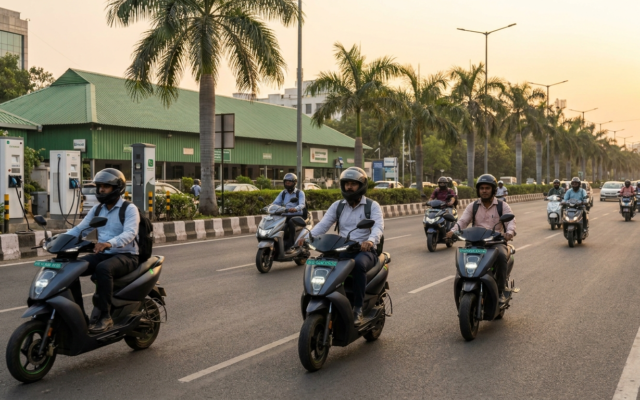
Startups are developing innovative solutions for waste management, renewable energy integration, and sustainable agriculture. We’re seeing a surge in companies offering electric vehicle (EV) charging infrastructure solutions, particularly in Tier 1 and Tier 2 cities like Bengaluru and Pune, where EV adoption is accelerating. The demand for efficient battery storage systems is also creating a significant market for new players.
Beyond energy, climate tech is making inroads into water conservation and management. Solutions for rainwater harvesting, wastewater treatment, and smart irrigation are gaining traction, especially in water-stressed regions of Southern India. These technologies are not just environmentally sound; they are becoming economically viable as they help industries and communities reduce resource dependency and operational costs.
Investing in a Greener Future
Investors are actively seeking out climate tech startups that demonstrate a clear impact pathway and a scalable business model. The Indian government’s commitment to net-zero targets and its policies promoting renewable energy are further bolstering this sector. Funds specifically dedicated to green investments are becoming more common, attracting both domestic and international capital.
“The real innovation isn’t just in creating a product; it’s in creating a product that solves a fundamental human or environmental need, and doing so profitably. That’s the sweet spot for 2026 and beyond.”
A fascinating development is the use of blockchain technology to track carbon credits and ensure transparency in environmental initiatives. This is creating new avenues for accountability and driving greater investment in projects that genuinely contribute to climate mitigation. The focus is on building a circular economy, where waste is minimised and resources are reused efficiently.
The Maturing ‘Bharat’ Narrative: Reaching Tier 2 and Tier 3 Cities
The growth story of India’s startup ecosystem in 2026 is increasingly being written in its Tier 2 and Tier 3 cities. The “Bharat” narrative is no longer just about serving rural India; it’s about understanding and catering to the diverse needs of a rapidly urbanising population spread across smaller towns and cities.
Startups are recognising the immense potential in these markets, which often have unique consumption patterns and unmet demands. We are seeing a proliferation of hyperlocal delivery services, affordable edtech solutions tailored for regional curricula, and fintech platforms designed for users with limited digital literacy. These ventures are not just replicating urban models; they are adapting them to local contexts, fostering a more inclusive digital economy.
For instance, e-commerce platforms are now optimising their logistics for these smaller towns, ensuring timely delivery of goods that were previously inaccessible. Edtech companies are partnering with local schools in cities like Gwalior and Trichy to provide supplementary education, addressing the demand for quality learning resources that go beyond traditional schooling. This localised approach is key to unlocking genuine market penetration.
Unlocking New Consumer Segments
The demographic profile of consumers in Tier 2 and Tier 3 cities is evolving. Increased smartphone penetration, affordable data plans, and a growing aspiration for better services are creating a ripe market. Startups that can offer value, convenience, and culturally relevant products are finding significant traction.
A surprising fact is the rapid growth of online health consultations in these smaller cities. People are now more comfortable seeking medical advice remotely, bypassing the need to travel to larger urban centres for basic consultations. This democratisation of services is a direct result of targeted efforts by startups to build trust and accessibility.
The Fintech Revolution Continues: Beyond Payments
Fintech in India has already achieved remarkable milestones, but in 2026, the revolution is deepening, moving beyond just payments and into more sophisticated financial services. The digital infrastructure built by players like UPI has created a foundation for innovation that continues to expand.
We are seeing a significant push in areas like embedded finance, where financial services are being integrated seamlessly into non-financial platforms. Think of buy-now-pay-later (BNPL) options embedded directly into e-commerce checkouts, or insurance products offered at the point of sale for digital services. This approach makes financial products more accessible and convenient for a wider audience.
Furthermore, there’s a growing focus on financial inclusion for underserved segments. Startups are developing micro-lending platforms for small businesses and gig economy workers, often leveraging alternative data sources for credit scoring. This is crucial for empowering individuals and small enterprises that have historically been excluded from traditional banking systems.
Innovation in Lending and Investment
The lending space is witnessing innovation with AI-powered credit assessment tools and peer-to-peer (P2P) lending platforms gaining traction. These platforms offer faster loan approvals and more competitive rates by reducing overheads. For investors, the options are also expanding, with wealthtech platforms offering diversified investment portfolios tailored to individual risk appetites and financial goals.
A particularly interesting development is the rise of ‘insurtech’ startups focusing on highly specific risks. For instance, some are offering micro-insurance policies for gig workers, covering income loss due to accidents or illness, a segment largely overlooked by conventional insurance providers. This granular approach to financial product development is a hallmark of the current fintech boom.
The Evolving Edtech Landscape: Skills for the Future
The edtech sector in India, after its pandemic-induced surge, has matured significantly by 2026. The focus has shifted from broad-based online courses to highly specialised upskilling and reskilling programs designed to meet the demands of the evolving job market. The emphasis is now on tangible career outcomes and employability.
Startups are developing platforms that offer vocational training, coding bootcamps, and certifications in emerging technologies like data science, cybersecurity, and cloud computing. These programs are often developed in collaboration with industry partners, ensuring that the curriculum is relevant and aligned with current hiring needs. The aim is to bridge the skills gap that many industries are currently facing.
Beyond technology skills, there’s a growing demand for soft skills development. Platforms are incorporating modules on communication, critical thinking, and leadership, recognising that these are essential for professional growth. This holistic approach to learning is crucial for preparing individuals for the complexities of the modern workplace.
Personalised Learning and Hybrid Models
Personalisation remains a key trend. AI-powered learning paths adapt to individual student paces and learning styles, optimising engagement and knowledge retention. We are also seeing the emergence of hybrid models that combine online learning flexibility with in-person workshops or mentorship sessions, offering the best of both worlds.
A surprising aspect is the growing adoption of VR/AR in vocational training. Imagine learning complex surgical procedures or intricate machinery repairs in a simulated, risk-free environment. This immersive learning is proving to be incredibly effective for practical skill acquisition, especially in fields where hands-on experience is critical. It’s a significant leap from static textbooks and online videos.
Frequently Asked Questions
What are the most promising sectors for Indian startups in 2026?
The most promising sectors are deep tech and AI, sustainability and climate tech, fintech (especially embedded finance and financial inclusion), and edtech focused on future-ready skills. Reaching Tier 2 and Tier 3 cities is also a cross-sectoral opportunity.
How has investor sentiment changed in 2026 compared to previous years?
Investor sentiment is more discerning and focused on sustainable business models and profitability. While funding is available, investors are prioritising companies with clear unit economics and a path to long-term value creation, rather than just rapid growth.
What role does government policy play in supporting startups in 2026?
Government policies, including Startup India initiatives, digital infrastructure development, and incentives for R&D and green technologies, continue to play a crucial supportive role. Reforms aimed at improving ease of doing business also contribute to a favourable ecosystem.
Are there specific opportunities for startups targeting rural or semi-urban areas?
Yes, there are significant opportunities in Tier 2 and Tier 3 cities. Startups catering to local needs in areas like hyperlocal delivery, affordable edtech, and accessible fintech are finding strong traction by adapting solutions to regional contexts and consumer behaviours.