Key Takeaways
- New solid-state battery technology promises a significant leap in EV range and charging speed for Indian consumers by 2027.
- Indian companies are investing heavily in R&D, aiming to reduce reliance on imported lithium-ion components.
- The next generation of EVs will likely offer enhanced safety features and a longer lifespan, impacting resale values positively.
- Expect a potential shift in charging infrastructure needs as faster-charging batteries become mainstream.
The Dawn of a New Era: Solid-State Batteries Take Center Stage
The hum of electric vehicles on Indian streets is set to grow louder, and the engine powering this revolution is undergoing a dramatic upgrade. As we look towards 2027, the automotive landscape is poised for a seismic shift, driven by groundbreaking advancements in battery technology. Forget the incremental improvements; we are on the cusp of a true paradigm change with the widespread adoption of solid-state batteries. These next-generation powerhouses promise to address many of the lingering concerns that have held back mass EV adoption in India, from range anxiety to charging times.
For years, the lithium-ion battery has been the workhorse of the EV industry. While it has served us well, its limitations are becoming increasingly apparent. Higher energy density, faster charging, and improved safety are the holy grail for EV manufacturers and consumers alike. Solid-state batteries, by replacing the liquid electrolyte with a solid material, offer a compelling solution. This fundamental change unlocks the potential for batteries that are not only more compact and lighter but also significantly safer, as they are far less prone to overheating and thermal runaway. Imagine a future where your electric scooter or car charges as quickly as you can fill a petrol tank.
The implications for the Indian market are immense. With its vast geography and diverse commuting needs, India requires EVs that can reliably cover long distances and be recharged swiftly. The projected advancements in solid-state technology by 2027 are precisely what’s needed to unlock this potential. We’re talking about electric cars that could comfortably travel over 600 kilometers on a single charge, and electric two-wheelers that can achieve an 80% charge in under 15 minutes. This isn’t just about convenience; it’s about making EVs a practical and desirable choice for millions across cities like Delhi, Mumbai, and Bengaluru, and even for those in smaller towns and rural areas.
Indian Innovation: Driving Towards Self-Reliance in Battery Manufacturing
The push for advanced battery technology isn’t just an international race; India is rapidly positioning itself as a key player. Recognizing the strategic importance of battery manufacturing, the Indian government, through initiatives like the National Programme on Advanced Chemistry Cell (ACC) Battery Storage, is actively fostering domestic R&D and production. This focus is crucial for reducing our reliance on imported lithium-ion cells and components, a vulnerability exposed by global supply chain disruptions. By 2027, we can expect to see a significant uptick in locally manufactured battery packs, tailored to Indian conditions and consumer preferences.
Several Indian conglomerates and ambitious startups are pouring substantial investments into developing indigenous battery solutions. Companies like Ola Electric, Ather Energy, and Tata Motors are not only expanding their EV lineups but are also investing in battery research and development. This includes exploring alternative chemistries and next-generation battery architectures. The goal is clear: to create batteries that are not only high-performing but also cost-effective and sustainable to produce within India. This drive for self-sufficiency will create a robust ecosystem, generating jobs and fostering technological expertise right here at home.
One of the most promising areas of Indian innovation lies in the development of hybrid battery chemistries. While solid-state is the ultimate goal, intermediate steps involving modified lithium-ion or sodium-ion batteries are also being explored. These might offer significant improvements over current technology while being easier and cheaper to implement in the short to medium term. The fact that Indian scientists and engineers are actively contributing to global battery research, with several patents emerging from institutions like IITs and IISc, is a testament to our growing capabilities. By 2027, expect to see a tangible impact of this domestic innovation on the EVs you see on our roads.
Beyond Range: Safety and Longevity as Key Selling Points
While range anxiety has long been a primary concern for potential EV buyers, the safety and longevity of batteries are equally critical factors that will shape consumer perception by 2027. Traditional lithium-ion batteries, with their liquid electrolytes, carry an inherent risk of thermal runaway, a phenomenon that can lead to fires. This is a major deterrent for many, especially in diverse climates like India’s, where extreme temperatures can exacerbate such risks. Solid-state batteries, by their very nature, significantly mitigate these dangers.
The use of a solid electrolyte makes these batteries inherently more stable and less susceptible to ignition. This enhanced safety profile will be a major selling point for manufacturers. Imagine the peace of mind knowing that your vehicle’s battery is significantly less likely to pose a fire risk, even in the challenging conditions encountered on Indian roads, from the sweltering heat of Rajasthan to the monsoons in Kerala. This increased safety will not only boost consumer confidence but also simplify regulatory approvals and insurance premiums, making EVs more attractive overall.
Furthermore, the lifespan of EV batteries is a crucial determinant of their overall value and cost of ownership. Current lithium-ion batteries degrade over time, leading to a reduced range and eventual need for replacement, which can be an expensive proposition. Solid-state batteries are engineered for greater durability. Projections suggest that by 2027, EVs equipped with these advanced batteries could offer significantly longer lifespans, potentially exceeding 15-20 years or millions of kilometers. This extended longevity will improve the total cost of ownership and boost the resale value of used EVs, making them a more attractive long-term investment for Indian consumers.
The Charging Conundrum: Adapting Infrastructure for Speed
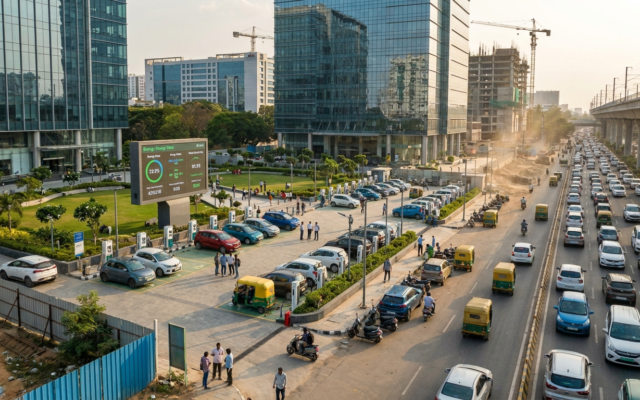
The advent of faster-charging batteries by 2027 will undoubtedly necessitate a corresponding evolution in India’s charging infrastructure. While solid-state batteries promise rapid charging capabilities, the current network of charging stations might struggle to keep pace with the demand for high-power charging points. This is not just about adding more chargers; it’s about upgrading existing infrastructure to handle the increased power output required for these next-generation batteries. The transition will present both challenges and opportunities for businesses and policymakers.
Consider the current charging ecosystem. Most public charging stations are designed for the charging speeds of existing lithium-ion batteries. As EVs with solid-state technology hit the market in larger numbers, these stations will become bottlenecks, negating the primary advantage of the new batteries. Manufacturers and energy providers will need to collaborate closely to deploy ultra-fast chargers capable of delivering the high wattage needed to leverage the full potential of these new batteries. This might involve investing in grid upgrades to handle the increased load during peak charging times, especially in densely populated urban centers like Chennai and Hyderabad.
However, this challenge also presents a significant opportunity. The need for advanced charging infrastructure can spur innovation and investment in smart charging solutions. We could see the rise of integrated charging hubs that offer not only rapid charging but also battery swapping facilities, bidirectional charging (Vehicle-to-Grid or V2G), and intelligent energy management systems. This will create a more robust and versatile charging network, ensuring that the benefits of advanced battery technology are fully realized by EV owners across India. The next few years will be critical in shaping this charging landscape.
New Materials, New Possibilities: Beyond Lithium
While solid-state technology is the headline grabber, the innovation in EV batteries by 2027 extends to the very materials used in their construction. The global reliance on lithium and cobalt, both of which have environmental and ethical sourcing concerns, is driving research into alternative battery chemistries. India, with its rich mineral resources and scientific talent, is well-positioned to contribute to and benefit from these advancements. We are likely to see a diversified battery landscape, moving beyond just lithium-ion.
Sodium-ion batteries, for instance, are emerging as a strong contender. Sodium is far more abundant and cheaper than lithium, making sodium-ion batteries a potentially more sustainable and cost-effective option, especially for stationary energy storage and lower-cost EVs. Companies in India are already exploring pilot projects and partnerships to develop and scale up sodium-ion battery production. By 2027, we might see these batteries powering a significant segment of the electric two-wheeler and three-wheeler market, and even some entry-level electric cars.
Another area of intense research involves solid-state electrolytes made from novel materials. While ceramic electrolytes have shown great promise, scientists are also exploring polymers and composite materials. These innovations aim to achieve a better balance of conductivity, mechanical strength, and cost. Furthermore, advancements in electrode materials, such as silicon-based anodes and nickel-rich cathodes, are continuously pushing the energy density limits of batteries. The pursuit of these new materials is not just about performance; it’s about building a battery ecosystem that is environmentally responsible, ethically sourced, and economically viable for a country like India.
The Economic Ripple Effect: Jobs, Investment, and Affordability
The transformation in EV battery technology by 2027 will have a profound economic impact on India, creating a wave of opportunities across manufacturing, research, and employment. As the country moves towards producing more advanced batteries domestically, it will significantly reduce import bills and foster a self-reliant manufacturing sector. This shift is not merely about technology; it’s about building a new industrial backbone for the 21st century.
“The next five years will witness a quantum leap in how we perceive and utilize electric vehicles, driven by battery innovations that make them not just an alternative, but the superior choice for mobility.”
The investment pouring into battery R&D, manufacturing facilities, and charging infrastructure will create a substantial number of high-skilled jobs. From chemical engineers and material scientists to assembly line workers and technicians, the EV battery sector will become a significant employer. This will contribute to economic growth and skill development across the nation, from established industrial hubs to emerging manufacturing clusters. The “Make in India” initiative will find a powerful new expression in this domain.
Crucially, these advancements are expected to drive down the cost of electric vehicles. While initial investments in new battery technology can be high, economies of scale, improved manufacturing processes, and the use of cheaper, more abundant materials will eventually make EVs more affordable for the average Indian consumer. By 2027, the total cost of ownership for an EV, factoring in fuel savings and reduced maintenance, is projected to become significantly more competitive, even at the point of purchase, compared to traditional internal combustion engine vehicles. This affordability is key to unlocking mass adoption and achieving India’s ambitious climate goals.
Frequently Asked Questions
What is the main advantage of solid-state batteries for EVs?
The primary advantage of solid-state batteries is their enhanced safety, as they are less prone to fire hazards due to the absence of flammable liquid electrolytes. They also offer the potential for higher energy density, leading to longer driving ranges and faster charging speeds compared to current lithium-ion batteries.
Will EVs with new battery technology be more expensive in 2027?
Initially, new battery technologies can be more expensive due to R&D and manufacturing setup costs. However, as production scales up and companies like those in India focus on cost-effective domestic manufacturing and alternative materials, the cost is expected to decrease significantly by 2027, making EVs more affordable.
How will faster-charging batteries affect India’s charging infrastructure?
Faster-charging batteries will necessitate an upgrade and expansion of India’s charging infrastructure. This means deploying more high-power, ultra-fast chargers and potentially strengthening the electricity grid to handle increased demand. It will also drive innovation in smart charging solutions and integrated charging hubs.
Are Indian companies actively involved in developing new battery technologies?
Yes, Indian companies and research institutions are heavily invested in battery R&D. Initiatives supported by the government are fostering domestic innovation in areas like solid-state batteries, sodium-ion batteries, and advanced manufacturing processes, aiming for greater self-reliance and cost-effectiveness.