In a world of processed convenience, finding snacks that align with your health goals without sacrificing the vibrant flavors of home can feel like a challenge. If you are looking to revitalize your afternoon energy levels in 2026, these nutrient-dense Indian staples provide the perfect bridge between meals.
Key Takeaways
- Prioritize snacks with a balance of protein and complex carbohydrates to stabilize blood sugar levels throughout your workday.
- Choose preparation methods like roasting, steaming, or air-frying over deep-frying to significantly reduce caloric intake.
- Traditional ingredients like fox nuts (makhana) and chickpeas are gaining global recognition for their high fiber and micronutrient profiles.
- Modernizing your pantry with portion control and mindful eating habits is more sustainable than restrictive dieting.
The Power of Makhana: Your New Go-To Superfood
If you have been searching for a snack that provides a satisfying crunch without the heavy calories of potato chips, fox nuts or makhana are your best allies. These seeds, harvested from the Euryale ferox plant, are incredibly low in fat and cholesterol while being rich in magnesium and potassium. In 2026, health-conscious Indians are increasingly turning to makhana as a base for creative, low-calorie snacking.
To prepare them, dry-roast the seeds in a heavy-bottomed pan until they turn crisp. You can season them with a dash of rock salt, turmeric, and black pepper for a savory kick. For those who enjoy a bit of heat, tossing them with a small amount of peri-peri or dried curry leaves provides an addictive flavor profile. According to the Food Safety and Standards Authority of India, mindful snacking with high-fiber items is a key strategy for managing metabolic health in urban settings.
One surprising fact: makhana is technically an aquatic crop harvested from stagnant water bodies, primarily in the northern plains of Bihar. Because these seeds are naturally gluten-free and have a low glycemic index, they are an excellent choice for individuals managing insulin resistance. Keep a pre-roasted batch in an airtight jar at your desk to avoid reaching for sugary, processed biscuits when the afternoon slump hits.
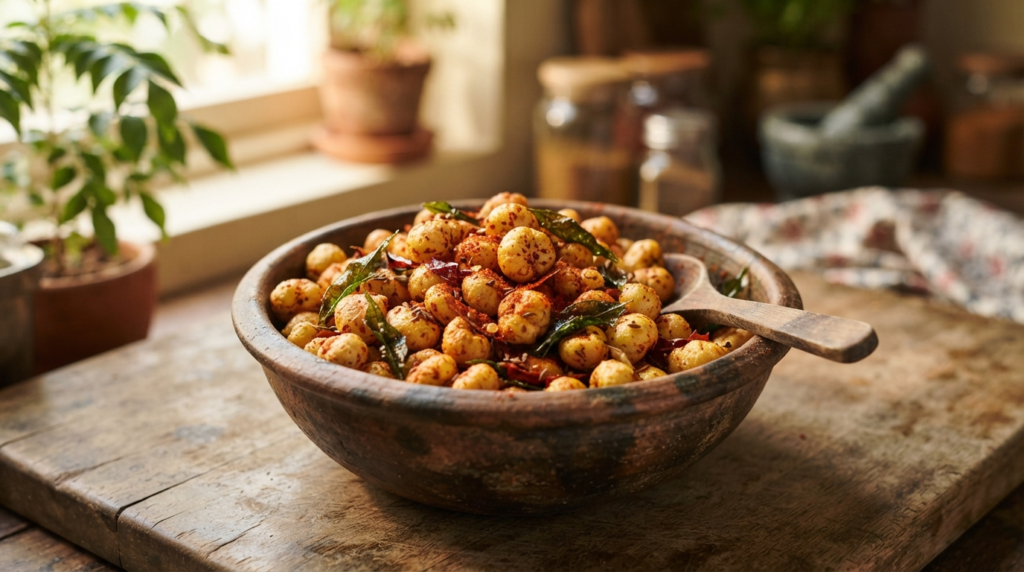
Roasted Chana: The Protein-Packed Powerhouse
When you need a snack that keeps you full for hours, look no further than roasted chickpeas or bhuna chana. These legumes are a staple in rural Indian diets, providing a robust source of plant-based protein and dietary fiber. Whether you prefer them with the husk or split, their versatility makes them a mandatory addition to your 2026 pantry.
You can purchase roasted chana in bulk or prepare them by tossing boiled chickpeas with minimal oil and spices before air-frying them until they achieve a hard, crunchy texture. Adding a sprinkle of chaat masala or dried mint powder elevates the flavor profile significantly. Unlike refined snacks, chickpeas provide a slow release of energy, preventing the mid-afternoon sugar crash associated with traditional namkeen.
The National Institute of Nutrition emphasizes that legumes are essential for maintaining a balanced diet, especially in a country where a large percentage of the population consumes a vegetarian-heavy diet. By replacing a serving of fried samosas with a handful of roasted chana, you effectively double your fiber intake and cut your saturated fat consumption by nearly 70 percent. It is a simple swap that yields long-term health benefits.
Sprouted Moong Salad: Freshness in Every Bite
Nothing beats the crisp, refreshing taste of sprouted moong salad during a humid afternoon. Sprouting legumes increases their bioavailability of nutrients, making vitamins like B and C easier for your body to absorb. This snack is not just nutritious; it is a hydrating, low-calorie option that fits perfectly into a busy professional schedule.
To assemble this, mix your steamed sprouts with finely chopped cucumber, tomato, onions, and fresh coriander. A squeeze of lemon juice acts as a natural electrolyte, while a pinch of roasted cumin powder aids in digestion. It is a raw, vibrant, and highly customizable dish that can be prepared in under ten minutes. The freshness of the vegetables provides a pleasant contrast to the earthy texture of the sprouts.
Interestingly, the process of sprouting can increase the content of antioxidants in moong beans by several fold compared to their dry state. This makes the humble sprout a genuine superfood that costs a fraction of imported alternatives like quinoa or kale. If you are prepping for a long week, sprout a large batch on Sunday evening and keep them refrigerated for quick assembly each day.
Comparing Healthy Alternatives
When selecting your snacks, it is helpful to understand the nutritional tradeoffs between traditional fried favorites and their healthier, modern counterparts. The table below highlights why making small adjustments to your snacking habits is a smart move for your 2026 wellness journey.
| Snack Type | Primary Benefit | Caloric Density | Prep Time |
|---|---|---|---|
| Roasted Makhana | Magnesium & Fiber | Low | 5-8 Minutes |
| Roasted Chana | High Protein | Moderate | 0 Minutes (Pre-bought) |
| Sprouted Moong Salad | Live Enzymes/Vitamins | Low | 5 Minutes |
| Steamed Dhokla | Fermented/Gut-friendly | Moderate | 20 Minutes |
The secret to a sustainable diet in 2026 is not elimination, but rather the intelligent substitution of ingredients that nourish your body while respecting the culinary heritage of our diverse nation.
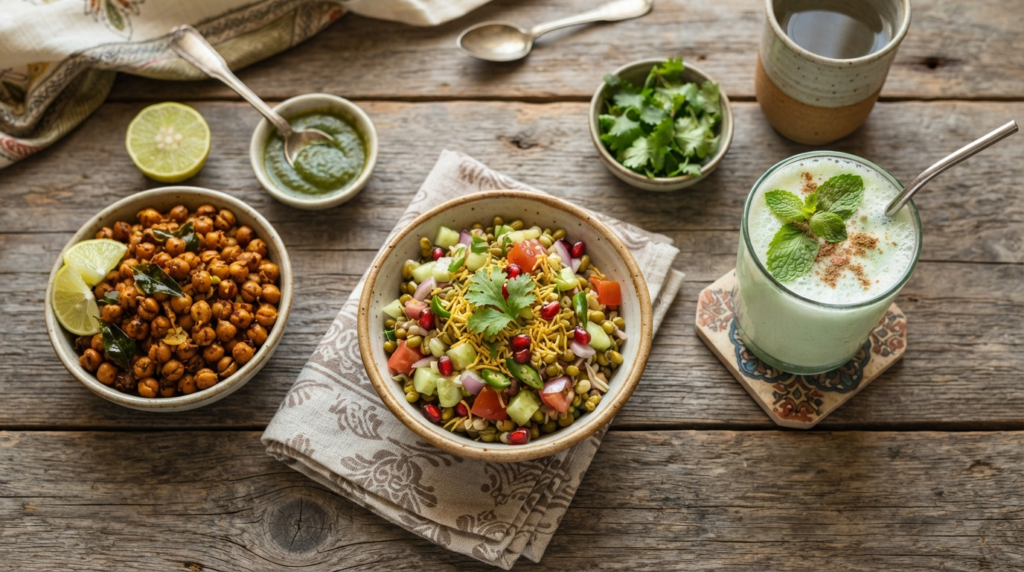
Fermented Delights: The Magic of Dhokla
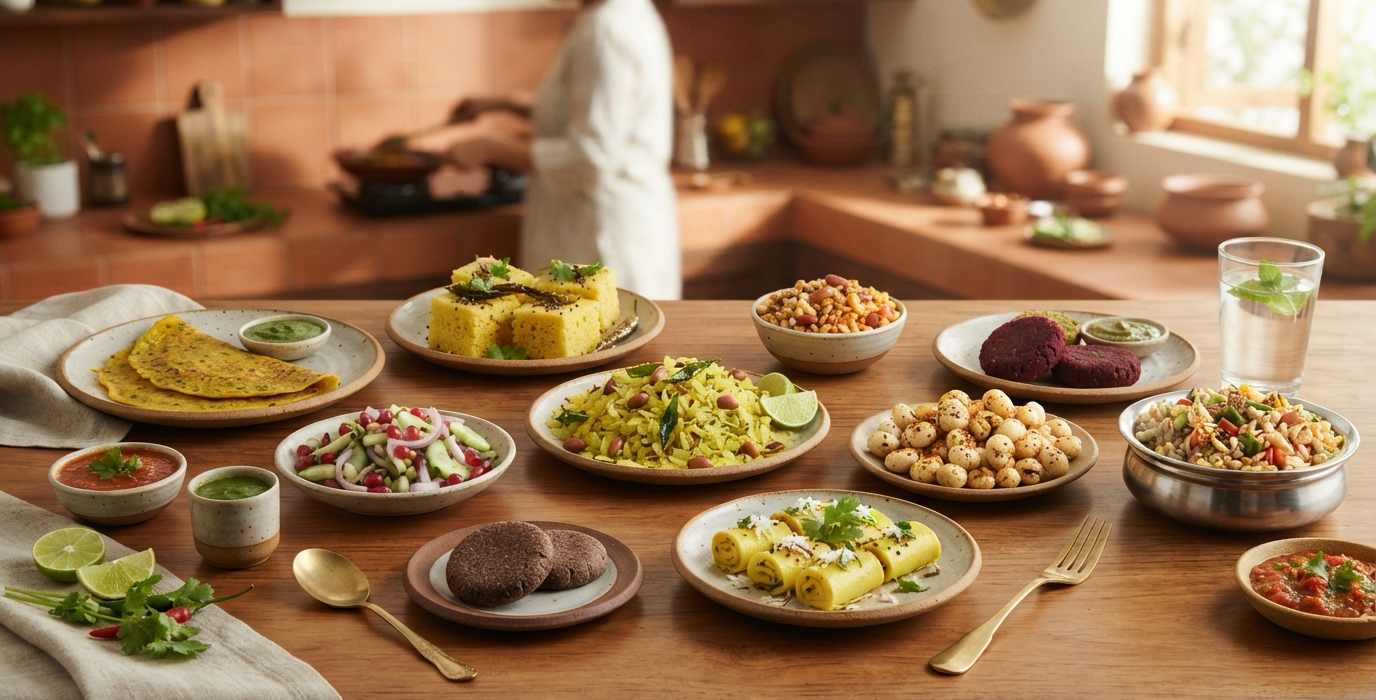
If you crave something savory and fluffy, steamed dhokla is an excellent choice. Made from fermented chickpea flour, this Gujarati delicacy is naturally probiotic, which supports gut microbiome health. Unlike fried snacks, dhokla is prepared through steaming, which preserves the integrity of the vitamins and ensures a moist, light texture.
In 2026, many home chefs are experimenting with adding spinach or carrot puree to their dhokla batter to increase the nutrient density. Serving it with a side of fresh mint and coriander chutney adds a dose of antioxidants to your plate. Because it is steamed, you can enjoy a generous portion without the heaviness associated with oil-laden snacks.
Fermentation is an ancient Indian culinary tradition that has profound implications for gut health. According to research published by the Indian Council of Medical Research, fermented foods are essential for maintaining a healthy gut-brain axis, which influences everything from immunity to mood stability. By choosing fermented snacks over processed ones, you are essentially feeding your gut the beneficial bacteria it needs to thrive.
Roasted Peanuts and Buttermilk: The Classic Refresh
For a quick protein-and-fat boost, a small handful of dry-roasted peanuts paired with a glass of spiced chaas (buttermilk) is unbeatable. Peanuts are an underappreciated source of healthy monounsaturated fats and plant-based protein. When consumed in moderation, they provide sustained satiety that prevents overeating at dinner.
Buttermilk, or chaas, is perhaps the most effective way to stay hydrated and cool during the sweltering heat of the Indian summer. Adding roasted jeera (cumin) powder, black salt, and a dash of ginger transforms simple curd-water into a digestive aid. This combination is a traditional pairing that has been refined over generations to support physical endurance and metabolic balance.
One surprising fact: peanuts are actually legumes, not nuts, and they contain more protein than most tree nuts. Pair this with the probiotic benefits of buttermilk, and you have a powerhouse snack that is both inexpensive and scientifically sound. Always opt for unsalted, dry-roasted peanuts to keep your sodium intake in check and your heart health in focus.
Frequently Asked Questions
Is it okay to eat snacks every day?
Yes, snacking is perfectly healthy if it consists of nutrient-dense whole foods like fruits, roasted seeds, or sprouts rather than ultra-processed snacks. The goal is to bridge the gap between meals to keep your energy stable, not to add excessive empty calories to your daily intake.
How do I stop craving sugary snacks?
Cravings often stem from blood sugar fluctuations caused by high-carb meals or poor sleep. By incorporating more fiber and protein into your main meals, you naturally reduce the intensity of sugar cravings throughout the day.
Can I prepare these snacks in advance?
Absolutely, most of these snacks are designed for convenience. Roasted makhana and chana can be stored for weeks in airtight containers, while sprouts can be kept in the refrigerator for up to three days, making them perfect for your weekly meal prep.
What is the best time to snack?
The ideal time to snack is when you feel genuine physical hunger, usually 3 to 4 hours after your last meal. Avoid snacking out of boredom or emotional stress, as this often leads to mindless eating patterns.