Key Takeaways
- Discover Mumbai’s vibrant street food scene beyond the usual tourist traps.
- Explore iconic dishes like Pav Bhaji, Vada Pav, and Bhel Puri with specific vendor recommendations.
- Learn about the culinary heritage and evolving trends shaping Mumbai’s street food landscape in 2026.
- Get practical tips for navigating the bustling streets and enjoying your gastronomic adventure safely.
Mumbai’s Culinary Crossroads: A 2026 Street Food Odyssey
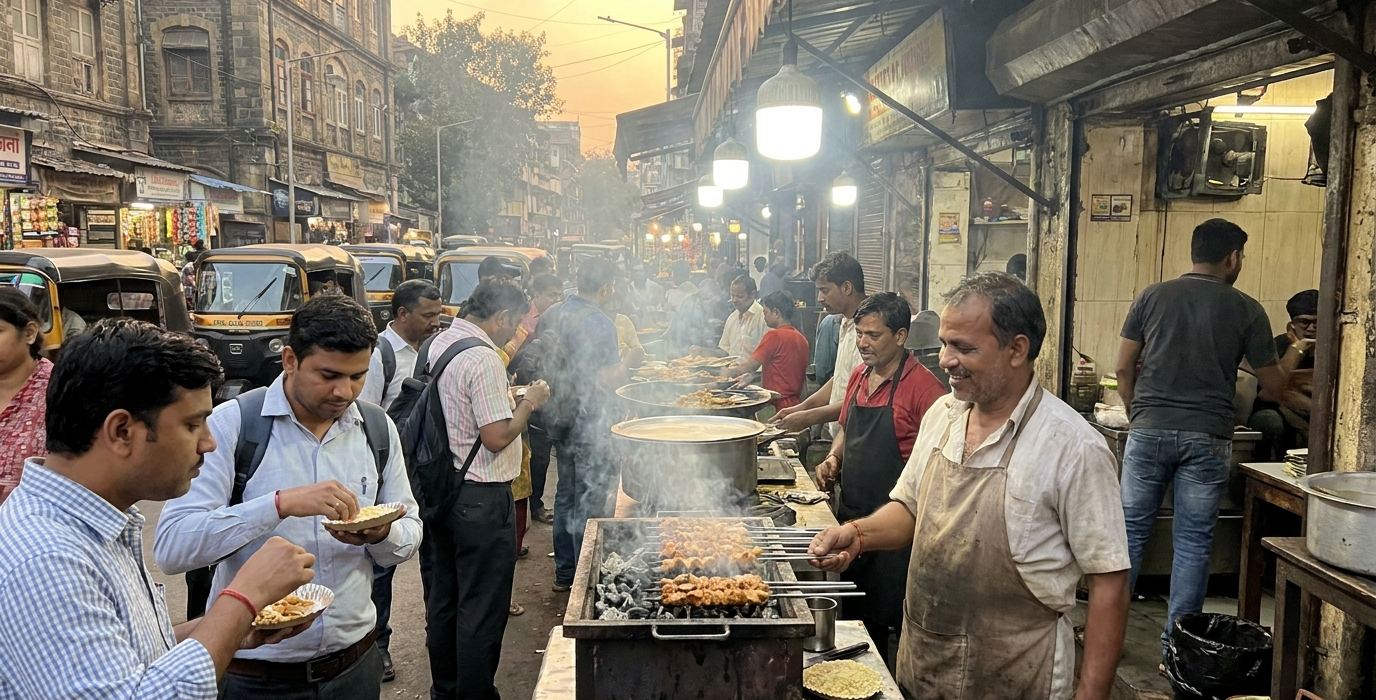
Mumbai, a city that never truly sleeps, pulsates with an energy that is perhaps most deliciously captured by its street food. As we navigate 2026, the city’s anubhav (experience) of its iconic street eats remains as potent as ever, yet subtle shifts and new gems are constantly emerging. We’re not just talking about the famous stalls in Juhu or Chowpatty; we’re diving deeper, seeking out those neighbourhood champions and hidden corners that offer an authentic taste of the Maximum City. This guide is your passport to a culinary journey that goes beyond the postcard-perfect images, straight to the heart of Mumbai’s flavour.
Prepare to tantalize your taste buds with dishes that have been perfected over generations. We’ll guide you through the maze of bustling lanes and vibrant markets, pointing you towards vendors who are custodians of culinary traditions. Whether you’re a seasoned Mumbaikar or a curious visitor, there’s always something new to discover, a flavour to savour, a story to uncover. Our exploration in 2026 reveals a scene that’s both timeless in its essence and remarkably adaptive, incorporating new influences while staying true to its roots.
The Pav Bhaji Pantheon: Beyond the Beach Stalls
When you think of Mumbai street food, Pav Bhaji is often the first dish that springs to mind. While the beachside vendors at Juhu and Girgaum Chowpatty offer a classic experience, to truly appreciate its artistry, we need to venture into the heart of its birthplace: Goregaon. Here, at stalls like Sardar Pav Bhaji (Goregaon West), the bhaji is a symphony of finely mashed vegetables, simmered to perfection with a secret blend of spices and a generous dollop of butter. The pav, soft and pillowy, is grilled to a golden crisp, ready to soak up every drop of that rich, flavourful curry.
What sets these neighbourhood stalwarts apart is their dedication to consistency and quality. Unlike the sometimes-rushed service at tourist hotspots, you’ll find a more deliberate approach here. The chefs take pride in their craft, ensuring each plate is a testament to years of culinary evolution. In 2026, Sardar Pav Bhaji continues to draw crowds not just for nostalgia, but for a bhaji that is arguably one of the most balanced and satisfying you’ll find in the city – a perfect medley of tangy, spicy, and savoury notes. We also recommend a detour to Anand Stall in Vile Parle, another institution that has been serving up its signature pav bhaji for decades. Their version is known for its slightly spicier kick, appealing to those who prefer a bolder flavour profile.
A Surprising Fact: The Butter’s Secret
Many believe the secret to a truly exceptional pav bhaji lies in the quality of butter. While this is true, a surprising element often overlooked is the use of specific cooking fats. Some traditional vendors, even in 2026, still use a small amount of ghee alongside butter, adding a subtle nuttiness and depth that elevates the overall flavour profile. This technique, passed down through generations, is rarely found in commercial kitchens and is a hallmark of authentic Mumbai pav bhaji.
Vada Pav Vibes: The Common Man’s Delight, Elevated
The Vada Pav, often dubbed the “Indian burger,” is the undisputed king of Mumbai’s street snacks. It’s more than just a potato fritter sandwiched in a bun; it’s a cultural icon, a quick, affordable, and utterly delicious meal for millions. While every Mumbaikar has their favourite neighbourhood joint, certain places have earned legendary status for their consistent quality and unique twists. For 2026, we’re highlighting Ashok Vada Pav in Dadar (near Kirti College) as a must-visit. Their vada is perfectly crisp on the outside, with a soft, flavourful potato filling that’s spiced just right.
What makes Ashok’s stand out is their special chutney. Beyond the usual dry garlic and green chutneys, they offer a unique sweet and tangy tamarind chutney that complements the vada’s heat beautifully. This little addition transforms a simple snack into a culinary revelation. We also can’t overlook Anu Vada Pav in Matunga, known for its incredibly soft pav and a vada that manages to be both fluffy and substantial. Their commitment to using fresh ingredients, evident in their vibrant green chutney, makes them a strong contender for the city’s best.
The Chutney Conundrum
The accompanying chutneys are as crucial to the Vada Pav experience as the vada itself. While garlic chutney provides a pungent kick and green chutney offers herbaceous freshness, the true magic often lies in the sweet tamarind or date chutney. This sweet-spicy counterpoint cuts through the richness of the fried vada and the carb-heavy pav, creating a perfectly balanced bite. Many vendors guard their chutney recipes closely, passed down as family secrets.
Bhel Puri & Chaat Chronicles: A Symphony of Textures
Mumbai’s chaat scene is an explosion of flavours and textures, and Bhel Puri is its quintessential representative. This delightful medley of puffed rice, sev (crispy chickpea flour noodles), chopped onions, tomatoes, potatoes, and tangy tamarind and spicy green chutneys, is a refreshing and addictive snack. While vendors abound, for an exceptional experience in 2026, head to Shreeji Chaat in Borivali. Their Bhel Puri is a masterclass in balance – the crunch of the sev and puffed rice, the softness of the boiled potatoes and onions, the sweet tang of the tamarind, and the sharp bite of the green chutney all come together in perfect harmony.
Beyond Bhel Puri, Shreeji also excels in other chaat varieties. Their Sev Puri offers a crispier base with perfectly diced potatoes, onions, and tomatoes, generously drizzled with chutneys and topped with a blanket of sev. For those seeking something richer, their Dahi Puri provides a delightful contrast of creamy yogurt, sweet and spicy chutneys, and a burst of flavour from the small, hollow puris. What sets these places apart is the freshness of their ingredients and the meticulous way they assemble each chaat, ensuring every bite is a delightful surprise.
A Surprising Fact: The ‘Sev’ Secret
The type and freshness of sev used in chaat can dramatically alter the dish. While most vendors use standard sev, some of the most revered chaat stalls, even in 2026, prepare their own sev in-house daily. This often involves a slightly different spice blend or a finer texture, contributing to a superior crunch and flavour that is distinctly their own. You might notice a subtle difference in the ‘snap’ and aromatic quality of the sev at top-tier establishments.
Beyond the Classics: Exploring Mumbai’s Evolving Street Eats
While Pav Bhaji, Vada Pav, and Bhel Puri are the undisputed titans, Mumbai’s street food landscape in 2026 is far more diverse. We are seeing a delightful fusion of traditional flavours with contemporary twists, and the emergence of regional specialties gaining wider popularity. One such area is the burgeoning scene for Maharashtrian snacks like Misal Pav and Kothimbir Vadi. For an authentic Misal Pav experience, we recommend Mamta Misal in Dadar. Their misal is a fiery concoction of sprouts, farsan, and a spicy red gravy, served with soft pav. It’s a dish that truly awakens the palate.
Another growing trend is the rise of artisanal street food. While not always strictly “street,” many small eateries and cloud kitchens are offering elevated versions of classic dishes. For instance, you can find places offering gourmet grilled sandwiches with unique fillings or artisanal momos with exotic dips. However, for a truly authentic and accessible experience, don’t shy away from the humble stalls. Explore areas like Sion and Matunga for a wider array of South Indian street food, including delicious dosas and idlis served piping hot from roadside carts. These evolving tastes reflect Mumbai’s dynamic culinary spirit.
Regional Rhapsody: The Rise of ‘Usal’
While Misal Pav is famous, the underlying component, ‘usal’ (a sprout curry), is a staple across Maharashtra. Many households prepare different variations of usal using various beans and lentils. The spicy, flavourful gravy served with it, often garnished with farsan (crispy fried snacks), is what defines the dish. This humble dish showcases the ingenuity of Maharashtrian home cooking, now celebrated on the streets.
Navigating the Culinary Labyrinth: Tips for the Savvy Foodie
Embarking on a street food adventure in Mumbai requires a blend of enthusiasm and a few practical tips. Firstly, hygiene is paramount. While many street vendors maintain impeccable standards, it’s wise to choose stalls that are popular and visibly clean, with high customer turnover. Look for vendors who are cooking food fresh to order and using clean water for drinks. A good rule of thumb is to observe how locals eat; they often know the best and safest spots.
Secondly, carry cash. While digital payments are increasing, many smaller street food vendors still operate primarily on cash. Having small denominations will make transactions smoother. Thirdly, be adventurous but mindful of your spice tolerance. Mumbai street food can range from mildly flavourful to intensely spicy. Start with less spicy options if you’re unsure and gradually explore. Don’t be afraid to ask vendors for recommendations or for a dish to be made less spicy. Finally, stay hydrated. The Mumbai heat, even in the cooler months of 2026, can be intense, so opt for bottled water or fresh coconut water from reputable vendors.
“Mumbai’s street food is a living, breathing entity, a testament to its people’s resilience, resourcefulness, and passion for flavour. It’s a culinary tapestry woven with threads of tradition and innovation, offering a delicious narrative at every corner.”
The Future of Mumbai’s Street Food: Innovation and Tradition
As we look ahead from 2026, Mumbai’s street food scene is poised for continued evolution. We are witnessing a growing appreciation for the heritage of these dishes, with many vendors actively preserving and promoting traditional recipes. Simultaneously, there’s an undeniable surge in innovation, driven by a new generation of food entrepreneurs. This includes an increased focus on healthier options, with some vendors experimenting with healthier cooking methods or offering vegan and gluten-free alternatives, though these are still niche.
The digital age is also playing a role. Food delivery apps have expanded the reach of popular street food joints, allowing them to serve a wider audience. Social media platforms are instrumental in discovering new vendors and popularizing emerging food trends. However, the true magic of Mumbai street food remains in its tactile, immediate experience – the sizzle of the tawa, the aroma of spices, the vibrant chaos of the street. The challenge for the future lies in balancing this authentic experience with the demands of modernization, ensuring that the soul of Mumbai’s street food remains intact.
Frequently Asked Questions
What are the most iconic Mumbai street food dishes?
The absolute icons include Pav Bhaji, Vada Pav, Bhel Puri, Sev Puri, Pani Puri, and Dahi Puri. Each offers a unique flavour profile and textural experience that defines Mumbai’s street food identity.
Is it safe to eat street food in Mumbai?
Generally, yes, with precautions. Opt for busy stalls with high turnover, visible hygiene, and freshly prepared food. Bottled water is recommended. Locals are often the best guides to safe and delicious spots.
When is the best time to explore Mumbai’s street food?
The cooler months, from October to March, are most pleasant. Evenings are typically the busiest and most vibrant times for street food, offering a lively atmosphere.
Are there any vegetarian-only street food areas in Mumbai?
While not exclusively vegetarian, areas like Matunga are known for their concentration of South Indian vegetarian eateries, offering a wide range of delicious vegetarian street food options. Many general street food stalls also offer numerous vegetarian choices.